Nearly a decade after Ford officially concluded its local manufacturing operations in Australia, the American automotive giant has announced a sweeping market revitalization strategy that marks a dramatic return to aggressive product expansion in the region. During a major corporate presentation outlining the company’s future roadmap for the Oceania market, Ford executives unveiled plans to dramatically increase its footprint across the Australian vehicle sector. Central to this ambitious strategy is an aggressive timeline aiming to expand market coverage to over 60 percent within the next three years. Furthermore, the automaker has set a rigorous corporate target ensuring that upwards of 90 percent of its total sales volume will consist of either entirely new or significantly refreshed vehicle architectures by the conclusion of 2030.
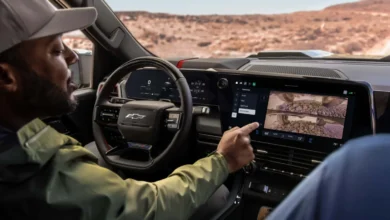
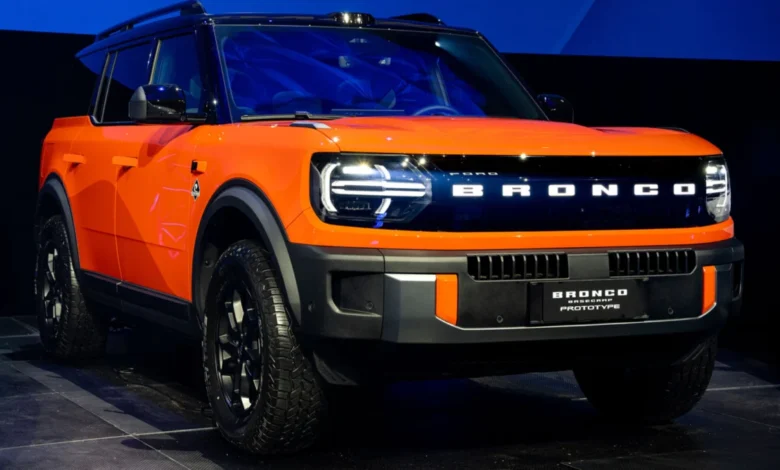
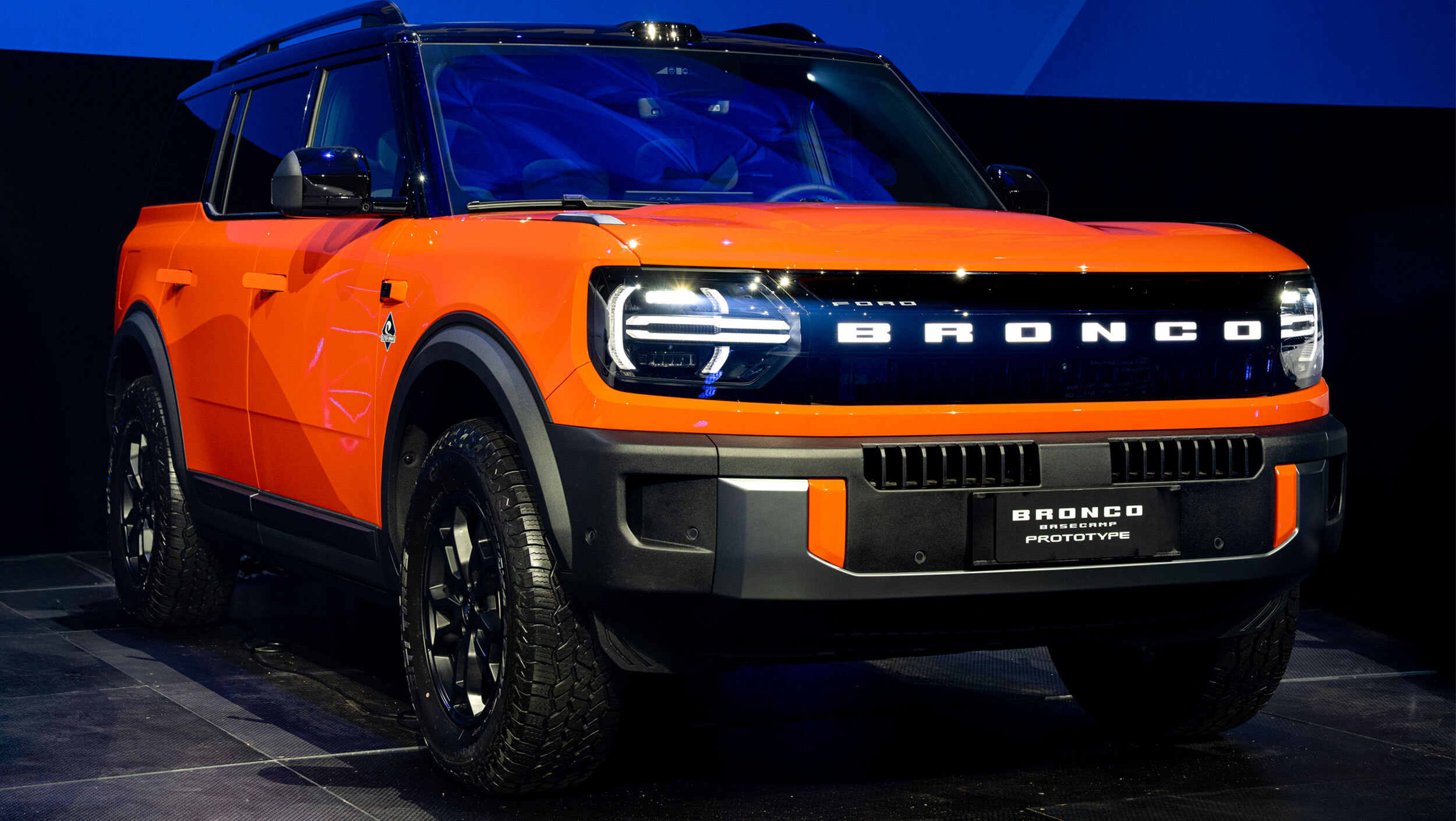
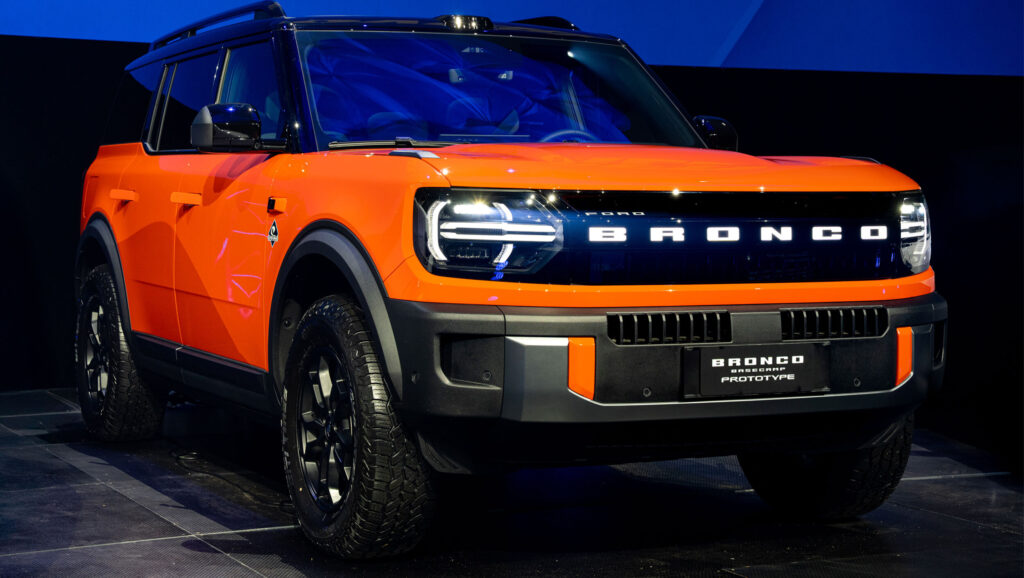
The crown jewel of this aggressive market penetration strategy is the confirmation that the Ford Bronco Basecamp will officially launch in both Australia and New Zealand during the second half of 2027. Originally introduced to the Chinese market last year where it targeted a growing demographic of outdoor lifestyle consumers, the Basecamp variant introduces a distinct configuration tailored explicitly for overland travel, camping, and remote exploration. While the traditional Bronco family has historically been synonymous with rugged, body-on-frame American trail-plugging, this newly expanded variant brings a unique amalgamation of electrified efficiency and purpose-built campsite utility that Ford hopes will resonate strongly with adventure-seeking consumers in the southern hemisphere.
A Range-Extended Electrified Powertrain Engineered for Long Distances
While Ford officials at the initial regional announcement elected to withhold specific localized performance figures, they explicitly confirmed that the Australasian variant of the Bronco Basecamp will feature an advanced "super hybrid extended-range electrified powertrain." This sophisticated system utilizes a dual-motor electric setup paired with a substantial 49-kWh battery pack. Operating in tandem with the electric architecture is a turbocharged 1.5-liter internal combustion engine whose sole purpose is to act as an onboard generator, supplying continuous electrical current to the battery rather than mechanically driving the wheels.
This configuration is engineered to deliver the instantaneous torque, refined throttle response, and smooth driving dynamics characteristic of a purely battery-electric vehicle while simultaneously eliminating range anxiety. According to preliminary metrics provided by the manufacturer, the powertrain enables an impressive total driving range spanning between 497 and 559 miles (800 to 900 kilometers) on a full charge and a full tank of fuel. When the battery depletes during extended off-grid excursions, drivers can simply refuel at a standard petrol station to replenish the range-extending generator, maintaining the operational flexibility required for remote outback touring.
To contextualize its performance capabilities, the Chinese-market iteration of the Bronco Basecamp—which debuted with a starting price equivalent to approximately $34,245 USD ($47,565 AUD)—generates a combined output of 416 horsepower (310 kW) and 442 lb-ft (600 Nm) of torque. Additionally, the vehicle boasts a purely electric operating range of up to 137 miles (220 km) under the Chinese Light-Duty Vehicle Test Cycle (CLTC). While localized calibration and final homologation testing for Australia and New Zealand may yield slight adjustments to these figures, the core engineering blueprint is expected to remain consistent.
Purpose-Built Outdoor Utility and Innovative Camping Features

Beyond its advanced powertrain, the Bronco Basecamp has been explicitly conceptualized as a turnkey camping and overlanding solution. Ford has integrated numerous thoughtful features designed to transform the vehicle into a mobile living space for outdoor enthusiasts. When it is time to retire for the night, the vehicle’s interior layout allows all passenger seats to fold completely flat, creating a level platform capable of accommodating a custom-tailored inflatable mattress. This interior configuration enables occupants to sleep comfortably inside the cabin, protected from the elements and local wildlife.
Upon waking, outdoor preparation is streamlined through clever exterior integrations. The rear swing gate incorporates a dedicated "Wild Kitchen" setup, featuring a fold-down table designed for food preparation and outdoor cooking. Furthermore, the vehicle is equipped with Ford’s Pro Power Onboard system, which allows users to draw significant electrical power directly from the vehicle’s high-capacity battery pack. Delivering up to 6.6 kW of usable electricity, the system can effortlessly power heavy-duty campsite equipment, including coffee makers, electric cooktops, portable refrigerators, and auxiliary lighting rigs.
For buyers seeking an even higher tier of camping convenience, the Bronco Basecamp Outer Banks trim level introduces an electrically operated pop-top roof. Rising at the simple touch of a button, the pop-top significantly expands vertical interior headroom, making it considerably easier to move about the cabin or change clothes while stationed at a campsite. The Outer Banks specification also features a specialized 7.5-liter center console compartment equipped with both warming and chilling capabilities, ensuring that beverages and perishable goods remain at the optimal temperature during long drives across arid terrain.
Broader Product Rollout and Commercial Fleet Initiatives
The announcement of the Bronco Basecamp’s regional arrival is just one component of Ford’s broader strategy to reshape its product portfolio in Australia and New Zealand. Alongside the rugged overlander, the company confirmed that the all-electric Transit City van will hit local showrooms this November with an accessible entry price point starting at $50,000 AUD ($36,100 USD). Designed to cater to the growing demand for sustainable urban logistics and commercial delivery solutions, the Transit City aims to accelerate fleet electrification among small and medium-sized businesses.
Simultaneously, performance enthusiasts will see the arrival of the track-focused Ford Mustang Dark Horse T8-Spec at local dealerships around the same timeframe. By catering to both extreme off-road recreationists and high-performance track drivers, Ford is systematically diversifying its product offerings away from traditional passenger cars and toward high-margin, lifestyle-oriented segments.
To support its expanding commercial footprint, the automaker also formally announced the localized launch of Ford Pro, a dedicated division focused on commercial vehicle solutions, software, and fleet management services. To bolster consumer confidence in this commercial push, Ford Pro will be supported by a comprehensive seven-year, unlimited-kilometer warranty program. This warranty structure is specifically tailored for commercial customers who commit to exclusively utilizing authorized Ford dealership networks for routine servicing, maintenance, and repairs, thereby ensuring long-term vehicle reliability and minimizing operational downtime for business fleets.
Strategic Implications and Market Outlook

Ford’s aggressive recalibration of its Australasian operations underscores a fundamental shift in how legacy automakers are adapting to changing consumer preferences and powertrain transitions. By phasing out traditional domestic manufacturing nearly a decade ago, Ford transitioned into a pure import model within the region, allowing the company to strategically curate its vehicle offerings from global manufacturing hubs.
The introduction of vehicles like the range-extended Bronco Basecamp highlights how international markets are increasingly serving as testbeds for innovative propulsion technologies that bridge the gap between internal combustion familiarity and full electrification. For the Australian and New Zealand markets—where vast geographic expanses and remote regional infrastructure make pure electric long-distance travel challenging—range-extended electric powertrains present a pragmatic compromise.
Industry analysts note that Ford’s target of achieving over 60 percent market coverage and refreshing 90 percent of its lineup by 2030 will rely heavily on the success of these niche lifestyle and commercial offerings. If vehicles like the Bronco Basecamp can successfully capture the imagination of the region’s passionate outdoor recreation community, Ford could solidify a commanding market position in the rapidly evolving landscape of electrified utility vehicles. As the second half of 2030 approaches, all eyes will be on how these ambitious timelines translate into actual dealership availability and consumer adoption across the southern hemisphere.