GM’s decision to invest heavily in EVs is killing its sales as other brands with hybrids are making bank

The strategic gamble made by General Motors to pivot aggressively toward a purely electric vehicle future has encountered severe market resistance, leaving the Detroit automaker trailing behind competitors who embraced gasoline-electric hybrids. While major industry players like Toyota have reaped record profits and expanded their market share through a diversified powertrain strategy, GM’s near-total exclusion of mainstream hybrids from its North American lineup has created a vulnerability that is currently impacting its sales performance and overall market positioning.
The transformation of the global automotive landscape over the past decade was defined by a collective corporate enthusiasm for battery-electric vehicles. During the late 2010s, regulatory pressures in major global markets and surging quarterly EV sales figures convinced legacy manufacturers that an all-electric future was arriving far faster than historical precedent suggested. Consequently, multiple major automakers pledged to phase out internal combustion engines entirely by 2030, channeling tens of billions of dollars into proprietary battery architectures, dedicated manufacturing plants, and a new generation of purely electric models.
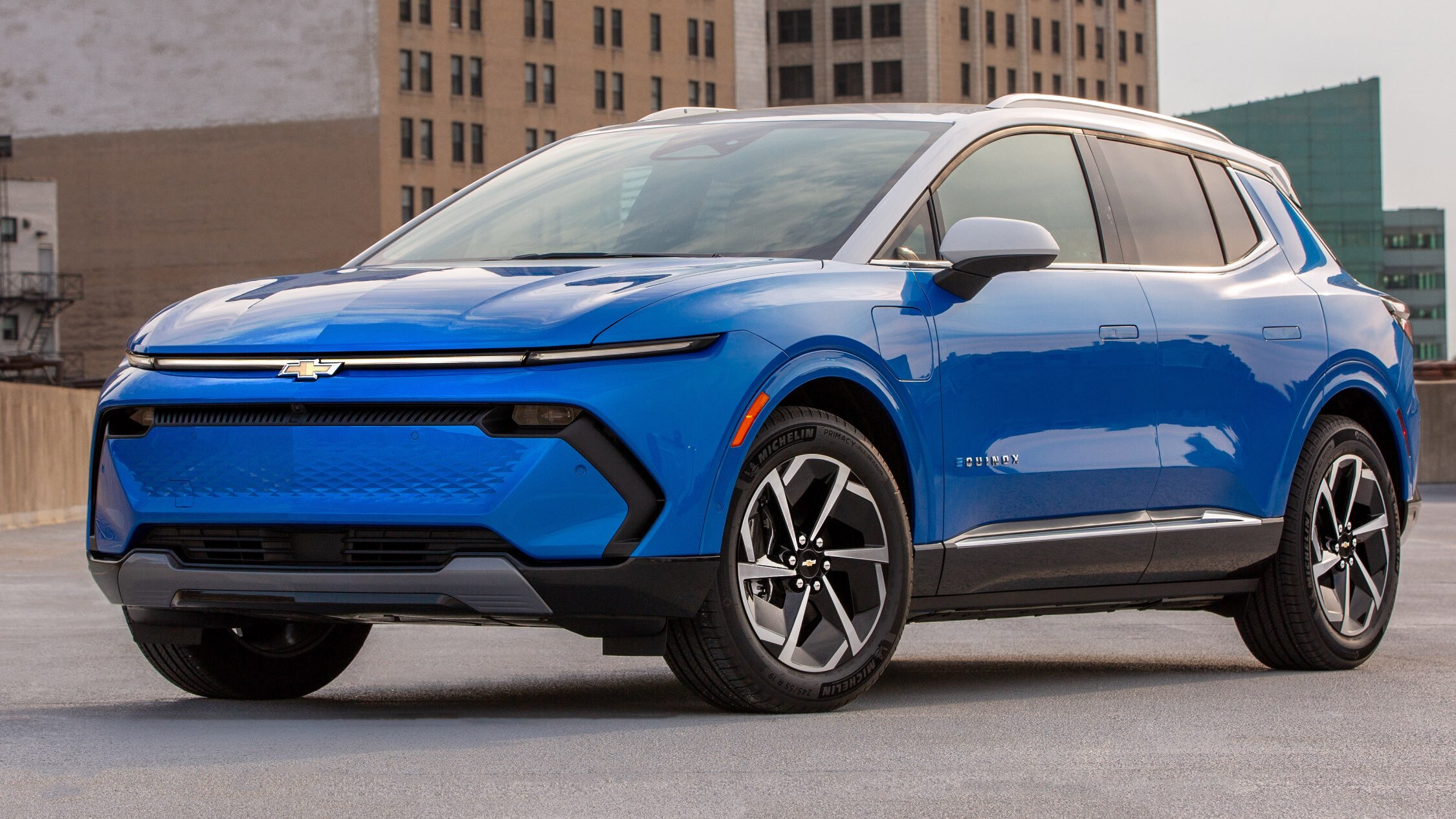
General Motors was among the most vocal and aggressive proponents of this transition. In 2019, under the leadership of Chief Executive Officer Mary Barra, the company famously dismissed traditional hybrids—the technology that had pioneered modern vehicle electrification via platforms like the Toyota Prius—as a mere "interim solution." This philosophy translated into monumental financial commitments. By June 2021, GM announced a staggering $35 billion investment plan dedicated exclusively to electric and autonomous vehicles through 2025, effectively signaling that the automaker would bypass traditional hybrid development to focus its engineering resources straight on battery-electric powertrains.
However, the macroeconomic and political reality of the North American automotive market evolved in a direction that sharply contrasted with these corporate projections. By 2026, consumer demand demonstrated that gasoline-electric hybrids were not an outdated stepping stone, but rather a permanent and preferred bridge technology for millions of drivers seeking fuel efficiency without range anxiety or public charging infrastructure dependence.
This shift was dramatically accelerated by geopolitical events and regulatory adjustments. Following the outbreak of conflict in Iran, global oil markets experienced acute volatility, causing domestic gasoline prices to surge. This economic pressure prompted American car buyers to rapidly reevaluate their purchasing criteria. According to Cox Automotive data cited by Reuters, hybrids surged from commanding a 16 percent share of the total U.S. automotive market in February to 19 percent by August. Industry analysts now project that hybrid vehicles could capture up to 34 percent of the domestic market by 2031.

Concurrently, regulatory and political headwinds in the United States altered the adoption curve for pure electric vehicles. The repeal of federal EV tax credits under the subsequent administration significantly dampened consumer enthusiasm for battery-powered models. Consequently, U.S. EV market share contracted sharply, falling from a peak of 14.4 percent in September 2025 down to just 7.1 percent by May of the following year.
In stark contrast to the domestic market, Europe has maintained robust EV adoption rates, driven by stringent emissions regulations and higher baseline fuel costs, with approximately one in every four new vehicle registrations being fully electric. This regional divergence left domestic-focused American manufacturers in a precarious position when their home market pivoted away from pure electrification.
The primary beneficiary of this market correction has been Toyota Motor Corporation. Having endured years of criticism from investors and environmental advocates for being slow to abandon internal combustion and scale up pure EV production, Toyota maintained its foundational commitment to hybrid technology. This steadfast strategy yielded extraordinary dividends by 2026. Cox Automotive data reveals that Toyota secured a dominant 49.2 percent share of the U.S. hybrid market during the first quarter of the year.
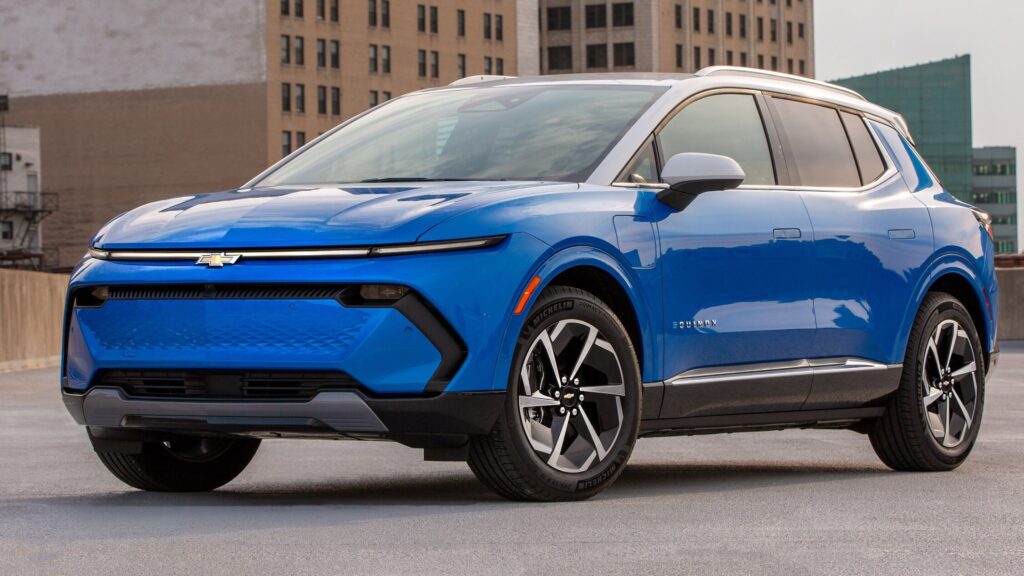
The financial and commercial impact of this strategic divergence is clearly visible in broader market share metrics. During the first half of 2025 compared to the same period in 2026, General Motors experienced a contraction in its total U.S. market share, dropping from 17.6 percent down to 16.8 percent. Over the exact same timeframe, Toyota expanded its domestic market footprint from 15.5 percent to 15.8 percent, underscoring how hybrid availability acts as a stabilizing commercial cushion during periods of economic uncertainty and fluctuating fuel prices.
Faced with declining market share and shifting consumer preferences, General Motors finds itself constrained by its previous product portfolio decisions. Reintegrating hybrid technology into a manufacturing ecosystem streamlined for pure gasoline vehicles and dedicated EV platforms requires substantial re-engineering, time, and capital allocation.
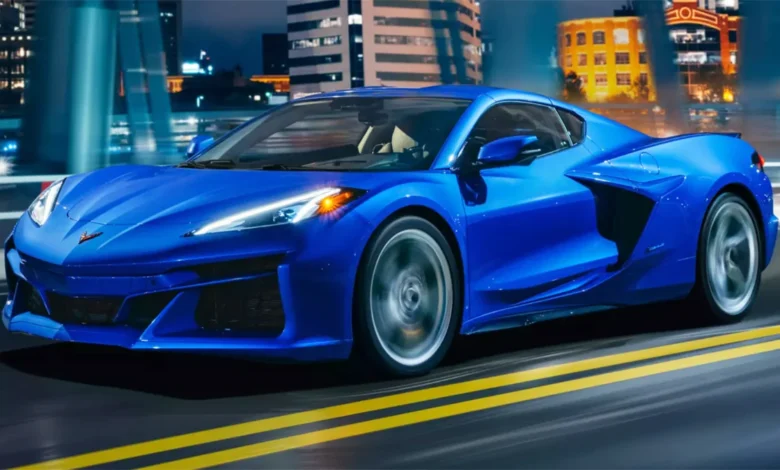
Currently, GM’s presence in the North American hybrid sector is virtually non-existent for mainstream buyers. The automaker’s sole hybrid offerings in the United States are limited to high-performance Corvette variants: the all-wheel-drive E-Ray, starting at approximately $111,000, and the ultra-exclusive ZR1X, which commands a price tag upwards of $227,000. While GM historically produced popular hybrid sedans and utility vehicles—and continues to offer hybrid configurations in overseas markets like China—its domestic showrooms lack any affordable, multi-seat hybrid options for the everyday consumer.

Industry insiders and supply chain sources indicate that commercial relief for GM dealerships is not imminent. According to reports from Reuters, confidential industry sources suggest that General Motors may not introduce mainstream hybrid powertrains to its North American lineup until near the end of the decade. This timeline reflects the extensive lead times required to design, test, and manufacture compliant hybrid systems that can integrate effectively with existing truck and SUV architectures.
The broader implications of GM’s strategic misalignment highlight the complex challenges legacy automakers face during industry transitions. While long-term decarbonization goals remain firmly on the horizon, corporate agility has proven more valuable than rigid adherence to a single technological pathway. For GM, the imperative moving forward involves balancing its ongoing massive sunk costs in EV development with the urgent necessity to develop competitive hybrid powertrains.
Without a diversified portfolio that includes gasoline-electric options, the company risks ceding further ground to foreign and domestic competitors who successfully anticipated that the transition toward sustainable transportation would be evolutionary rather than revolutionary. Dealership networks, facing mounting consumer inquiries for efficient hybrids rather than pure EVs, continue to lobby corporate leadership for intermediate solutions, leaving the future trajectory of GM’s domestic market share heavily dependent on how swiftly the automaker can correct its historical product strategy.
Related posts: