The Trump Administration Repeals Biden Era Power Plant Carbon Regulations Marking a Shift in National Energy Policy

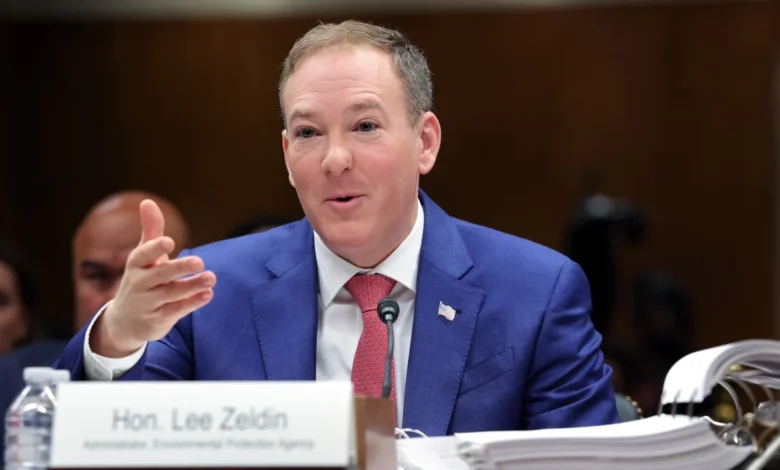
The Environmental Protection Agency has officially announced the repeal of federal carbon emissions regulations for the electricity sector, effectively nullifying the Biden administration’s 2024 framework that sought to force electric utilities to either retire coal-fired power plants or implement carbon capture technology. This move signals a profound pivot in the United States’ approach to climate policy, shifting away from federal mandates aimed at decarbonizing the grid and toward a strategy of deregulated energy expansion. EPA Administrator Lee Zeldin framed the decision as a necessary step to restore national economic competitiveness, declaring that the move would unleash American energy potential and lower costs for consumers.
The repeal represents the culmination of nearly two decades of legislative and judicial volatility regarding the federal government’s authority to regulate greenhouse gases. For environmental advocates, the decision is a significant setback that ignores the mounting health and climate costs associated with coal, which remains the most carbon-intensive fuel source in the energy portfolio.
A Two-Decade Chronology of Energy Policy Whiplash
The trajectory of U.S. power sector regulation has been defined by a cycle of ambitious rulemaking followed by intense legal and political opposition.
- 2009–2015: Following the failure of comprehensive climate legislation in Congress, the Obama administration sought to use the Clean Air Act to regulate power plant emissions. This resulted in the Clean Power Plan, which faced immediate legal challenges from industry groups and coal-dependent states.
- 2017–2020: Upon taking office, President Donald Trump initiated the repeal of the Clean Power Plan, arguing it overstepped executive authority. The Supreme Court eventually ruled in West Virginia v. EPA that the agency lacked the broad authority to mandate generation-shifting, which essentially forced the Biden administration to pivot its strategy.
- 2024: The Biden EPA finalized a new, narrower rule that provided utilities with compliance pathways—either retiring coal units by the mid-2030s or installing carbon capture and sequestration (CCS) technology.
- 2026: The current administration has moved to vacate these standards entirely, arguing that the underlying science of climate change, as interpreted by previous regulatory bodies, does not justify the economic burden placed on the energy sector.
The Economic and Scientific Justification for the Repeal
The EPA’s justification for the repeal rests on two primary pillars: economic affordability and the questioning of established climate modeling. Agency officials have argued that the Biden-era requirements would have imposed unnecessary capital costs on utilities, costs that would inevitably be passed down to ratepayers. By removing the mandate, the administration contends that it is providing energy providers the flexibility to prioritize grid reliability and lower electricity prices.
Furthermore, the administration has signaled a broader intent to revisit the "endangerment finding," the legal basis for the EPA’s regulation of greenhouse gases. By questioning the certainty of climate science in its official filings, the agency is attempting to build a legal foundation that would make future federal carbon regulations more difficult to enact.
The Role of the AI Boom and Data Center Demand
A critical factor complicating the transition away from coal is the unprecedented surge in electricity demand driven by the growth of artificial intelligence and high-density data centers. While the 2024 rule assumed a steady decline in coal-fired capacity, current market conditions have disrupted that trajectory.
Utilities that were previously committed to retiring legacy coal assets are now reassessing their portfolios to meet the massive, consistent power requirements of AI infrastructure. For example, Southern Company and other major utilities in the Midwest and Southeast have indicated that the energy requirements for new data center hubs make the retention of coal-fired units a pragmatic, if controversial, necessity.
This demand-side pressure has created a "resurgence" of coal that defies previous projections. While clean energy advocates argue that this demand should be met with modular nuclear reactors or expanded renewable storage, the current administration views coal as a reliable, dispatchable "baseload" power source that is essential to maintaining national security and economic growth.
Public Health and Environmental Implications
The environmental impact of the repeal is expected to be significant. Coal combustion remains a primary source of mercury, sulfur dioxide, and particulate matter—all of which are linked to respiratory illness, heart disease, and thousands of premature deaths annually.
An analysis conducted by the EPA under the previous administration estimated that the 2024 rule would have avoided approximately $370 billion in health and climate damages by 2035. The projections suggested that the policy would have prevented hundreds of thousands of asthma-related medical episodes and over 1,200 premature deaths annually by the mid-2030s. With the repeal, these public health benefits are no longer anticipated, and industry analysts suggest that emissions from the power sector may plateau or increase in the short term, depending on the speed at which utilities bring retired or legacy units back to full capacity.
Expert Analysis: The "Stick" vs. The Market
Economists remain divided on whether this regulatory shift will actually "save" coal in the long term. Kenneth Gillingham, a professor of environmental economics at Yale University, notes that while the repeal removes the regulatory "stick" that forced decarbonization, it does not necessarily solve the underlying economic problems facing coal plants.
"The trend line for coal is clear," Gillingham noted. "The plants are aging, the maintenance costs are rising, and the shale gas revolution has fundamentally altered the competitive landscape. You can only fight market forces for so long."
Many utilities are currently caught in a transition where they are obligated to provide low-cost, reliable power to data centers, yet they face increasing pressure from investors to reach net-zero goals. The regulatory vacuum created by the repeal forces these companies to navigate a fragmented landscape where state-level regulations may conflict with the federal government’s hands-off approach.
The Future of Climate Regulation
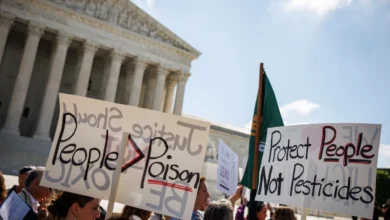
The legal challenge to this repeal is already underway. Environmental organizations, including Earthjustice and the Environmental Defense Fund, have indicated their intent to sue the EPA, arguing that the agency has a statutory obligation under the Clean Air Act to regulate harmful pollutants.
Furthermore, the recent court ruling that found the Department of Energy’s attempts to mandate the continued operation of coal plants "unlawful" suggests that the administration may face significant judicial hurdles in its efforts to prop up the coal industry.
As the nation moves forward, the divide between federal deregulation and state-led climate action is expected to widen. While the current EPA has cleared the path for coal, the long-term viability of the fuel source will likely be determined not by federal policy, but by the rapidly evolving economics of the power grid, the continued proliferation of wind and solar, and the ability of the nation to integrate large-scale storage solutions to handle the rising demand from the tech sector.
Ultimately, the repeal of these rules serves as a stark reminder of the instability of American climate policy. Without a durable legislative consensus, the nation’s energy transition remains subject to the political tides of each election cycle, leaving energy companies and investors to navigate an increasingly uncertain regulatory environment.
Related posts: