EPA Administrator Lee Zeldin Announces Sweeping Repeal of Power Plant Emission Standards Amidst Broader Regulatory Overhaul

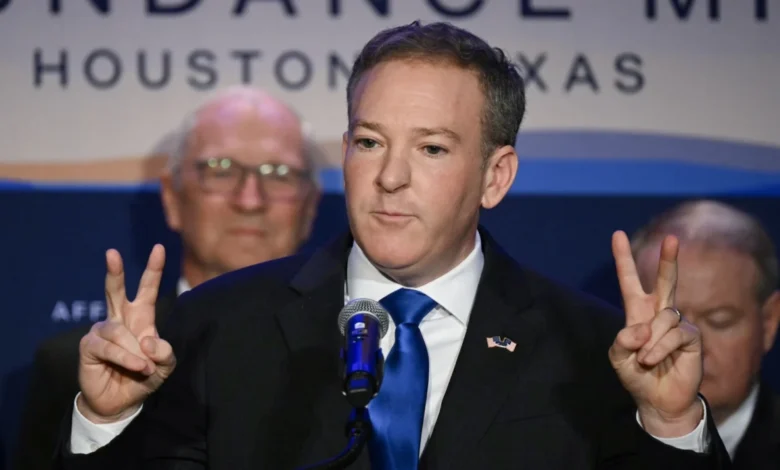
Environmental Protection Agency Administrator Lee Zeldin confirmed on September 14, 2026, that the federal government will formally rescind carbon emission standards for fossil fuel-fired power plants. The announcement, delivered before an assembly of G20 energy ministers in Houston, Texas, represents a decisive pivot in American climate policy, prioritizing the expansion of domestic energy production over the environmental protections established by previous administrations. This policy reversal is the latest in a series of administrative actions aimed at dismantling the regulatory infrastructure that has governed U.S. climate policy for the past two decades.
The move to repeal these standards follows a broader strategy of "energy dominance" championed by the Trump administration. Zeldin characterized the regulatory framework inherited from the Biden administration as an ideological "war on coal," arguing that the removal of these constraints is necessary to ensure energy affordability and grid reliability.
The Regulatory Rollback: A Timeline of Policy Shifts
The rescinding of power plant standards is not an isolated event but rather the culmination of a systematic effort to strip back federal environmental oversight. Since early 2025, the EPA has moved with speed to recalibrate its core functions.
In February 2026, the agency made a significant departure from established norms by rescinding the 2009 endangerment finding. This landmark legal determination had served as the bedrock for federal climate regulation, establishing that greenhouse gas emissions threaten public health and welfare. By removing this finding, the EPA has effectively undermined the legal foundation that allowed for the regulation of carbon emissions under the Clean Air Act.
Shortly thereafter, the agency initiated the rollback of vehicle emission standards, signaling a retreat from the transition toward electric vehicles and efficiency mandates. The September 14 announcement regarding power plants is seen by analysts as the final pillar in a structural dismantling of the agency’s climate-related authority. The Biden-era regulations, which were designed to reduce power plant carbon emissions by 1.38 billion metric tons by 2047, are now effectively nullified.
Concurrent Initiatives: The Water Testing Mandate
While the EPA focuses on loosening restrictions on industrial emitters, it has simultaneously launched a wide-ranging scientific study to test the nation’s water supply for over 1,000 substances. Among the targets of this testing are pharmaceutical compounds, including contraceptives, hormones utilized in gender-affirming care, and mifepristone and misoprostol—the two-drug regimen used for medication abortion.
The study has been framed by administration officials as a response to public concern regarding "unknown pollutants" in municipal drinking water. Health and Human Services Secretary Robert F. Kennedy, Jr. has publicly supported the initiative, asserting that it will provide "the truth about what is in our water."
The inclusion of abortion-related medications in the testing protocol has garnered significant support from anti-abortion advocacy groups. Kristan Hawkins, president of Students for Life, hailed the announcement as a victory for the "Pro-Life Generation," suggesting that the presence of such compounds in the water supply constitutes a public health crisis that has been ignored by regulators for over two decades.
Scientific and Public Health Perspectives
The prioritization of testing for reproductive medications has drawn sharp criticism from environmental health experts and reproductive rights advocates. Critics argue that the focus on these specific compounds is a strategic attempt to weaponize environmental policy against abortion access.
Nathan Donley, environmental health science director at the Center for Biological Diversity, has noted that from a toxicological perspective, the focus on these medications is misplaced. "There are legitimate water quality threats—such as lead, PFAS, and industrial runoff—that we need to attack and rectify in a regulatory manner," Donley stated. "And then there are things that are out in left field that serve primarily as a distraction from real, systemic pollution issues."
Former EPA career scientist Betsy Southerland expressed profound concern regarding the methodology and intent behind the study. In comments made to policy observers, Southerland highlighted that even if trace, non-harmful levels of metabolites are detected, the political implications could be severe. The concern among advocates is that such findings will be used to frame public water systems as "contaminated," potentially fueling legal challenges against reproductive healthcare providers and municipalities alike.
Implications for Energy and Environmental Stability
The repeal of the power plant standards carries significant implications for the future of U.S. emissions profiles. Fossil fuel-fired plants currently represent the second-largest source of carbon pollution in the United States, following the transportation sector. By removing the ceiling on emissions, the administration is effectively allowing for an increase in pollutants, including mercury, lead, and particulate matter, which are linked to respiratory and cardiovascular disease.
Industry proponents, however, argue that the regulations were overly burdensome and hindered the necessary expansion of natural gas and coal-based energy to meet increasing electricity demands. In the context of the G20 meeting in Houston, the administration underscored that the focus must remain on "energy abundance."
Environmental advocacy groups, including the Sierra Club, have characterized these policy shifts as a "betrayal of the American public." Holly Bender, chief program officer for the organization, noted that the timing of the rollback coincides with an era of heightened climate volatility. "The administration is handing the fossil fuel industry a license to keep polluting while the climate crisis happens in real time," Bender stated.
Analysis of Future Legal and Policy Challenges
The actions taken by the EPA under Administrator Zeldin have set the stage for protracted legal battles. Because these regulations were previously codified through formal rulemaking processes, their repeal will likely be subject to intense scrutiny in federal courts. Opponents are expected to argue that the agency has failed to provide a rational basis for the reversal, particularly in light of the documented impacts of climate change on public health.
Simultaneously, the water testing initiative is expected to become a central focus of the "war on reproductive rights." Legal scholars observing the intersection of environmental law and social policy note that if the EPA uses its regulatory authority to label reproductive health products as "pollutants," it could set a dangerous precedent for how the government defines environmental hazards.
As the agency continues its overhaul, the divide between the administration’s stated goals of "energy dominance" and the scientific community’s warnings about long-term environmental degradation continues to widen. With both the climate policy rollback and the controversial water testing study moving forward, the EPA remains at the center of an ideological tug-of-war that is reshaping the regulatory landscape of the United States.
The coming months will likely see further challenges from state attorneys general and environmental NGOs, both in the courtroom and in the court of public opinion. As the dust settles on the recent announcements, one fact remains clear: the federal government has fundamentally transformed its approach to both environmental protection and the regulation of public health, prioritizing domestic energy output and social policy agendas over the traditional scientific mandates that once guided the agency. Whether this approach will withstand the scrutiny of the federal judiciary or the long-term realities of a changing climate remains the defining question of the current administrative era.
Related posts: