Ted Lasso Season 4: A New Chapter for the Richmond Greyhounds and the Evolution of Sports Television

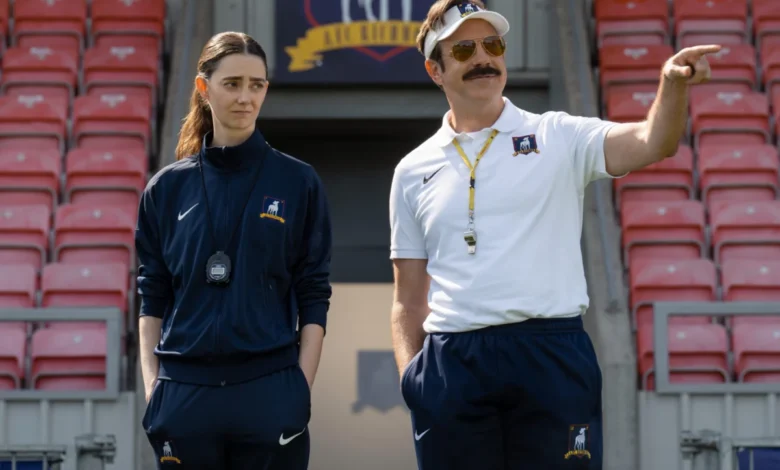
Yogi Berra, the legendary Major League Baseball Hall of Fame catcher and manager, once famously remarked, "It ain’t over till it’s over." While originally intended as a colloquial observation on the unpredictable nature of athletic competition, the sentiment has transcended the diamond to become a universal mantra for resilience and narrative structure. In the realm of television, the adage has found a poignant new application with the unexpected return of Apple TV+’s critically acclaimed series, Ted Lasso. Following the conclusion of its third season in 2023, which many industry analysts and viewers perceived as the definitive end of the protagonist’s arc, the show has returned with a fourth installment, shifting its focus toward the burgeoning landscape of women’s professional sports.
The decision to extend the series was met with both surprise and anticipation. When the final episode of the third season aired, the narrative appeared to have reached a natural, emotionally resonant conclusion. Ted Lasso, portrayed by Jason Sudeikis, had completed his journey of personal growth and professional transformation at AFC Richmond, ultimately choosing to return to his home in Kansas to prioritize his role as a father. The series, which had become a cultural touchstone for its exploration of mental health, leadership, and the rejection of toxic masculinity, seemed to have completed its intended cycle.
However, the reality of contemporary streaming economics and the enduring popularity of the intellectual property prompted a creative pivot. Less than four years after the apparent series finale, the creative team, led by Sudeikis and co-creators Bill Lawrence and Brendan Hunt, announced the continuation of the franchise. The new season introduces a significant thematic evolution: the expansion of the AFC Richmond organization into the women’s football sector.

A Strategic Shift Toward Women’s Sports
The premise of the fourth season centers on Ted Lasso returning to his familiar surroundings, yet tasked with navigating a domain that presents new challenges and structural differences from the men’s game. This shift is not merely a narrative convenience; it reflects a broader industry trend toward highlighting the growth of women’s athletics.
Data from the past decade indicates that women’s sports have experienced a significant surge in viewership, sponsorship interest, and media coverage. According to reports from the Women’s Sports Foundation, engagement with women’s professional leagues—such as the WNBA and the National Women’s Soccer League—has seen a consistent upward trajectory in the 2020s. By centering the new season on a women’s football team, the production mirrors the real-world visibility of athletes who have historically been sidelined in mainstream sports media.
Jason Sudeikis, a vocal proponent of women’s athletics, has often been spotted at major events, including high-profile WNBA games. This personal interest appears to have influenced the show’s creative direction. In past interviews, Sudeikis articulated a philosophy regarding the function of sports as a narrative device. "Sports are great metaphors for family, for ensemble," he noted in a 2021 interview with Men’s Health. "When you have different people with perhaps different goals, sometimes they’re in opposition, sometimes they’re in harmony, and trying to get a group of people all facing the same direction, and rowing at the same time, is challenging. And in those challenges, there’s a lot of opportunity for comedy and drama."
Chronology and Release Schedule
The return of the series was structured to maintain audience engagement through a traditional weekly release model, departing from the "binge-drop" format often associated with streaming services. This deliberate pacing has allowed for sustained discussion and analysis of each episode, mirroring the real-time engagement of live sports broadcasts.

The fourth season consists of 10 episodes. The production schedule commenced with the premiere on August 5, 2026, and is slated to conclude in early October. The current release trajectory is as follows:
- Episode 1: Home – Premiered August 5
- Episode 2: Curioser and Curioser! – Premiered August 12
- Episode 3: Richmond’s Got Talent – Premiered August 19
- Episode 4: Greyhound’s Day Off – Premiered August 26
- Episode 5: Riches of Embarrassment – Premiered September 2
- Episode 6: Don’t Jump Around Much Anymore – Premiered September 9
- Episode 7: Yes & Baby – Premiered September 16
- Episode 8: Follow the Anger – Scheduled for September 23
- Episode 9: To be announced – Scheduled for September 30
- Episode 10: To be announced – Scheduled for October 7
For viewers tracking the release, episodes generally become available on the Apple TV+ platform on the evening prior to the official Wednesday date, providing a slight lead time for early adopters.
The Institutional Impact of Ted Lasso
The cultural impact of Ted Lasso extends beyond entertainment. Since its debut, the show has been frequently cited in academic and business circles for its portrayal of "servant leadership"—a management philosophy where the leader’s primary goal is to serve the team. By re-centering the narrative on a women’s team, the show faces the challenge of translating these leadership principles into a context that may have different power dynamics and institutional pressures than the Premier League environment of previous seasons.
Critics of the revival argue that the "perfect" ending of season three was sufficient, and that continuing the story risks diluting the emotional impact of the original conclusion. Conversely, proponents argue that the show’s central theme—that change is the only constant in life—makes a continuation not only logical but thematic. The transition to the women’s game serves as a metaphor for the evolution of the sport itself, shifting from a male-dominated monopoly toward a more inclusive and diverse future.

From a production standpoint, the fourth season represents a significant investment by Apple, which continues to leverage the series as a cornerstone of its premium content strategy. The show’s ability to generate high volumes of social media discourse and critical attention remains a valuable asset for the platform. As of mid-September, the series remains one of the most-watched programs on the platform, suggesting that the audience appetite for the "Lasso-verse" has not waned despite the hiatus.
Implications for Future Storytelling
The fourth season also raises questions about the future of episodic sports comedies. If this season proves successful, it may open the door for similar spin-offs or sequels within the sports genre, demonstrating that audiences are willing to invest in established characters as they encounter new, real-world social landscapes.
Furthermore, the integration of women’s sports into a major streaming hit provides a platform for increased representation. The production team has reportedly consulted with experts in the field to ensure that the portrayal of the women’s team is accurate, respectful, and reflective of the specific professional challenges faced by female athletes today. By doing so, the show moves away from pure fantasy and into a more grounded, observational style of storytelling.
As the series moves toward its 10th episode of the season, the narrative focus is expected to narrow toward the culmination of the team’s inaugural season under the new leadership structure. Whether this season will serve as a definitive end or as a bridge to further chapters remains a point of speculation. However, if the history of the show is any indication, the creative team is likely to prioritize the emotional arcs of its characters over mere plot resolution.

In conclusion, the return of Ted Lasso is a testament to the enduring power of the character and the flexibility of the show’s format. By pivoting toward the women’s game, the series not only refreshes its narrative stakes but also aligns itself with the progressive shifts occurring in global sports culture. As the final episodes approach, the focus remains on whether the "Lasso Way"—a blend of radical empathy, integrity, and relentless optimism—can successfully bridge the gap between two different leagues, two different demographics, and one evolving vision of what it means to be a teammate. For fans and critics alike, the remaining three episodes offer a chance to see how this transition matures, further cementing the show’s legacy in the annals of modern television.