WHO Launches the SCORE for Health Data Technical Package to Revolutionize Global Health Information Systems

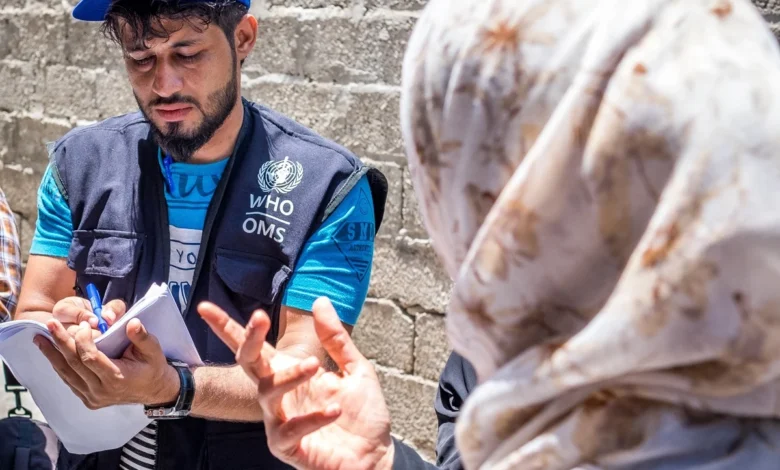
The World Health Organization (WHO) has officially unveiled the SCORE for Health Data Technical Package, a comprehensive, harmonized framework designed to fortify national health information systems. Launched against the backdrop of the global COVID-19 pandemic, this initiative addresses a critical, long-standing gap in international public health: the lack of timely, accurate, and actionable data required to drive strategic decision-making and emergency response. The acronym SCORE—standing for Survey, Count, Optimize, Review, and Enable—represents a unified approach to collecting, validating, and utilizing health data to ensure that limited resources are directed toward the populations and geographic areas in greatest need.
The Urgent Mandate for Data-Driven Governance
The COVID-19 pandemic served as a catalyst for this initiative, exposing the fragility of health surveillance systems across both developed and developing nations. While some countries demonstrated high-functioning digital infrastructure, many others struggled with fragmented data collection, manual reporting, and a lack of standardized diagnostic metrics. This systemic weakness hindered the ability of governments to track transmission rates, predict surges in hospitalizations, and distribute life-saving medical supplies efficiently.
Dr. Tedros Adhanom Ghebreyesus, the Director-General of the WHO, emphasized that effective governance in the 21st century is inseparable from data literacy. "Countries must be able to measure progress to make progress," Dr. Tedros stated. The core premise of the SCORE package is that reliable data acts as the nervous system of a functional healthcare infrastructure. By providing a common set of benchmarks, the WHO intends to transition global health from reactive crisis management to a proactive, data-informed model of delivery.
Chronology of Data Gaps and Institutional Response
The development of the SCORE package is the culmination of years of analysis following the publication of the WHO World Health Statistics reports, which consistently identified significant disparities in civil registration and vital statistics (CRVS).
- 2019: Pre-pandemic evaluations indicated that less than half of all countries globally had reliable cause-of-death data, a foundational element for public health planning.
- Early 2020: The rapid onset of the COVID-19 pandemic necessitated a global audit of existing health systems. The WHO observed that countries with integrated data systems could mount faster, more surgical responses, whereas those without such systems relied on guesswork, leading to higher morbidity rates.
- Mid-2020: The WHO, in partnership with the Bloomberg Philanthropies Data for Health Initiative, accelerated the synthesis of over 90 existing global standards into a single, cohesive framework.
- Late 2020: The official release of the SCORE Technical Package provided the requested toolkit to member states, designed to facilitate both immediate pandemic response and long-term health system strengthening.
Deconstructing the SCORE Framework
The SCORE Technical Package is not merely a set of guidelines; it is a technical repository comprising over 90 universally accepted tools and standards. These tools are categorized into the five pillars of the acronym:
- Survey: Enhancing population health surveys to gather data on risk factors and health service coverage, ensuring that marginalized groups are not left behind in statistical reporting.
- Count: Strengthening civil registration and vital statistics (CRVS) systems, which are essential for recording births, deaths, and causes of death—the most basic yet vital data points for any nation.
- Optimize: Ensuring that health service data is optimized for use, promoting the digitization of records and the interoperability of systems across different tiers of the healthcare sector.
- Review: Establishing processes for routine data reviews to assess health performance, identify bottlenecks in service delivery, and hold systems accountable for health outcomes.
- Enable: Building the human and institutional capacity—through training, policy support, and investment—to ensure that data is not just collected, but actually used to inform national policy and allocate budgets.
Analysis of the Bloomberg Philanthropies Partnership
The collaboration with Bloomberg Philanthropies represents a significant shift in how global health initiatives are financed and executed. By providing the necessary funding and technical expertise, the Data for Health Initiative has enabled the WHO to bypass traditional, slower bureaucratic processes in the rollout of the SCORE package.
Dr. Kelly Henning, Director of Public Health Programs at Bloomberg Philanthropies, highlighted the practical implications of this collaboration: "The SCORE Technical Package provides country governments around the world with high-quality, essential technical guidance so that countries can strengthen their own data systems." This partnership is indicative of a broader trend in global health: the increasing reliance on public-private partnerships to fill gaps in international funding for public goods. The data generated through this initiative will likely influence global health funding for the next decade, as donor agencies increasingly prioritize countries that can demonstrate measurable results through robust data systems.
Addressing the Triple Billion Targets and SDGs
The integration of the SCORE package into national health policies is directly linked to the WHO’s "Triple Billion" targets—a strategic plan aimed at ensuring one billion more people benefit from universal health coverage, one billion more are better protected from health emergencies, and one billion more enjoy better health and well-being.
Furthermore, these tools are essential for meeting the United Nations’ Sustainable Development Goals (SDGs), specifically Goal 3 (Good Health and Well-being). Without granular, disaggregated data, it is impossible for nations to report accurately on their progress toward reducing maternal mortality, controlling infectious diseases, or addressing non-communicable diseases. Dr. Samira Asma, Assistant Director-General for Data, Analytics and Delivery for Impact at the WHO, noted that the "window of opportunity" to meet these global targets is closing. She stressed that investing in statistical systems is not a secondary task but a primary requirement for any government seeking to meet its developmental obligations.
The Path Forward: Challenges and Implementation
While the release of the SCORE package provides a clear roadmap, the path to implementation remains fraught with challenges. The primary hurdle is the "data divide." Wealthier nations often possess the digital architecture to implement these tools immediately, whereas low-income countries may lack the basic hardware, internet connectivity, and trained personnel to maintain such complex systems.
To mitigate this, the WHO has designed the package to be "practical, actionable, and flexible." Rather than requiring a total overhaul of a country’s health infrastructure, the package allows nations to identify which of the 90+ tools are most relevant to their current stage of development. For instance, a country currently struggling with accurate death certification may prioritize the "Count" pillar before moving on to more complex digitization tasks under the "Optimize" pillar.
Future iterations of the package, expected later this year, will include the SCORE Assessment Instrument. This will allow countries to conduct self-assessments to identify specific weaknesses in their information systems. By benchmarking themselves against global standards, nations will be able to monitor their own progress over time, creating a virtuous cycle of accountability.
Conclusion: A New Era of Health Intelligence
The launch of the SCORE for Health Data Technical Package marks a turning point in the professionalization of global health. By elevating the role of data from a technical back-office function to a central pillar of national strategy, the WHO is signaling that the future of public health lies in intelligence and precision.
The COVID-19 pandemic served as a sobering reminder of the costs of ignorance and the value of information. As the global community moves forward, the commitment to "keep score" will likely become the definitive metric of a nation’s ability to protect its citizens. With the tools now provided by the WHO, the responsibility rests with individual governments to prioritize the funding and structural reforms necessary to transition from a world of fragmented, anecdotal health data to one of integrated, evidence-based health intelligence. The success of this initiative will be measured not by the adoption of the technical package itself, but by the tangible improvements in health outcomes that emerge when policy is finally backed by the undeniable clarity of accurate, real-time data.
Related posts: