Volkswagen ID 3 GTI Is A Rear-Wheel-Drive EV With Golf R Power, And Don’t Worry, It’s Got Plaid Seats

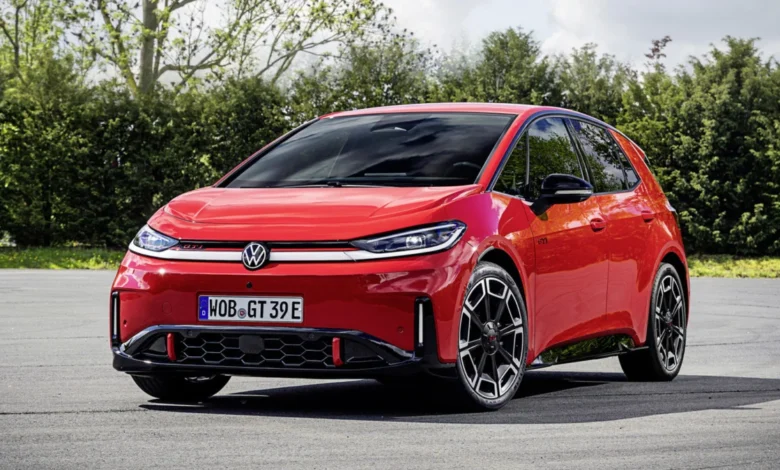
The automotive industry continues to navigate the complex transition toward electrification, yet historical brand identities remain a powerful currency for legacy manufacturers. Volkswagen AG has officially pulled the curtain back on its latest performance-oriented battery-electric vehicle, introducing the Volkswagen ID 3 GTI. Serving as the spiritual successor to the outgoing ID 3 GTX, this new all-electric hot hatch represents a watershed moment for the German automaker. It blends the instant torque and zero-emission architecture of modern electric vehicles with the heritage, styling cues, and dynamic pedigree that have defined the legendary GTI badge for nearly five decades.
Positioned just below the formidable Golf R in terms of raw output, the ID 3 GTI emerges as the most powerful production GTI model ever created by Volkswagen. Featuring a rear-wheel-drive configuration, substantial battery capacity, and the mandatory inclusion of traditional styling hallmarks—most notably the iconic plaid interior upholstery—the vehicle aims to satisfy traditional hot hatchback enthusiasts while meeting contemporary environmental and regulatory demands. Pre-sales for the European market are officially scheduled to commence in early 2027, signaling a meticulously planned rollout as Volkswagen reshapes its performance division for the electric age.
Powertrain Specifications and Performance Dynamics
At the heart of the Volkswagen ID 3 GTI is a sophisticated single-motor, rear-wheel-drive powertrain that delivers an impressive 322 horsepower. This output places the electric hot hatch remarkably close to its internal-combustion sibling, the current gas-powered Golf R, trailing it by a mere six horsepower. However, in terms of rotational force, the ID 3 GTI takes the lead, generating an astonishing 402 pound-feet of torque. This figure represents an advantage of 92 pound-feet over the gas-powered Golf R, showcasing the inherent performance benefits of electric propulsion regarding instantaneous torque delivery.
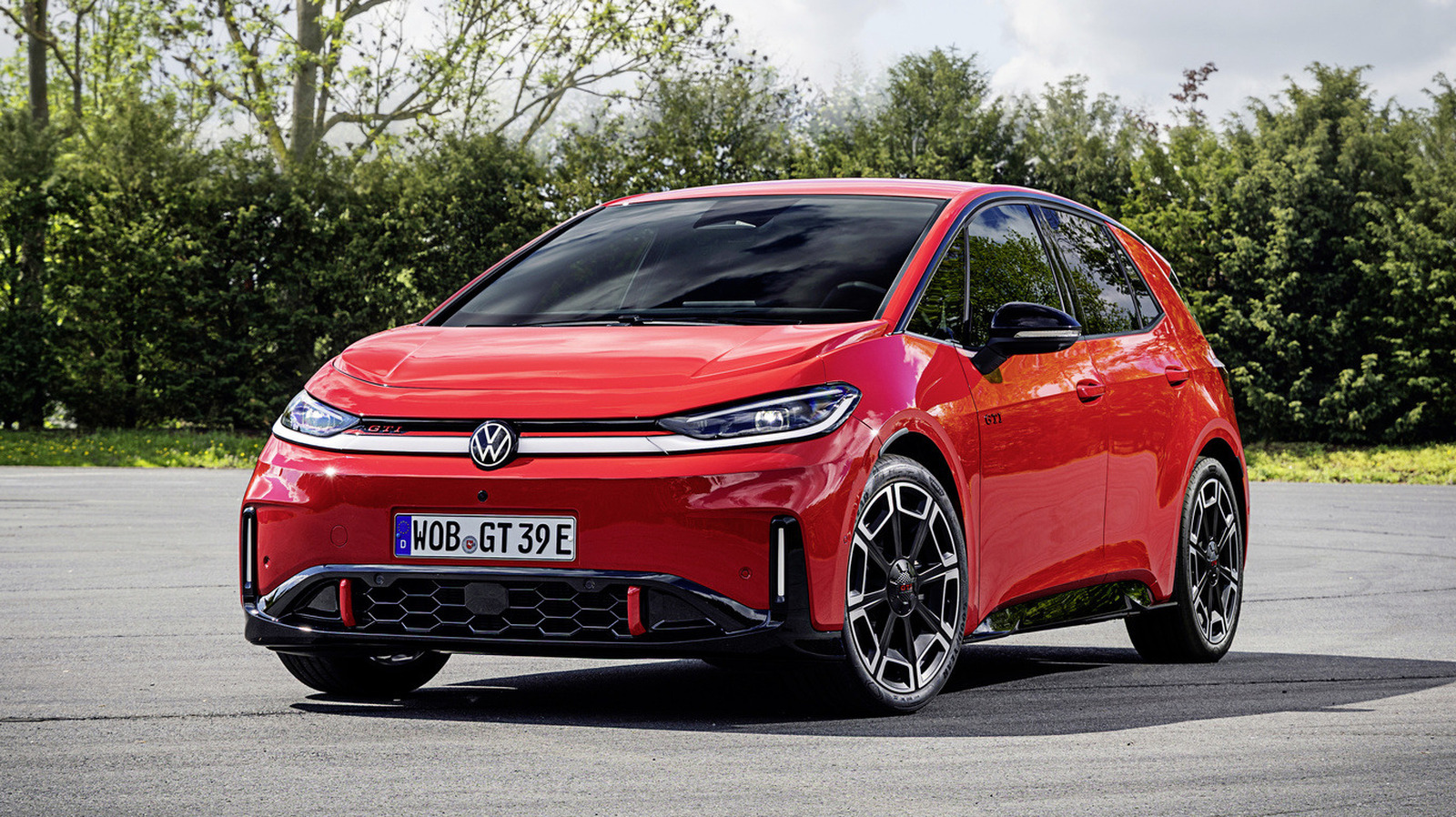
The heavy battery architecture and electric drivetrain configuration dictate distinct performance parameters. The ID 3 GTI accelerates from zero to 62 miles per hour in a respectable 5.6 seconds. For context, the lighter, all-wheel-drive Golf R completes the same benchmark sprint in 4.6 seconds, aided by superior mechanical traction off the line. Furthermore, like many contemporary battery-electric vehicles, the ID 3 GTI features an electronically limited top speed of 124 miles per hour, contrasted with the gas-powered Golf R’s ability to reach 168 miles per hour.
To maximize driver engagement and manage the vehicle’s considerable weight and power, Volkswagen has equipped the ID 3 GTI with standard launch control and the company’s advanced adaptive dynamic chassis control system. This adaptive damper technology allows the vehicle to continuously adjust suspension stiffness based on driving style, road conditions, and selected drive modes, ensuring that the hatchback maintains the nimble, responsive handling characteristics expected of any vehicle wearing the GTI moniker.
Chronology and the Evolution of Volkswagen’s Electric Performance
The arrival of the ID 3 GTI is part of a calculated, multi-year product strategy by Volkswagen to electrify its storied performance nomenclature. The journey began in earnest with the structural evolution of the ID.3 platform, which originally debuted as a mainstream commuter hatchback aimed at democratizing electric mobility in Europe. As battery technology matured and consumer demand for enthusiast-oriented EVs grew, Volkswagen recognized the necessity of injecting driving emotion into its electric portfolio.
Earlier this year, Volkswagen revealed the ID Polo GTI, serving as an initial exploration into smaller, fully electric performance hatchbacks. Shortly thereafter, the automaker introduced the ID 3 GTX, a rear-wheel-drive electric hot hatch that laid the groundwork for performance tuning on the MEB platform. While the GTX moniker established that electric hatchbacks could offer dynamic rear-wheel-drive handling, automotive critics and enthusiasts noted a distinct lack of traditional GTI emotional triggers—most notably the omission of the signature plaid seating fabric.
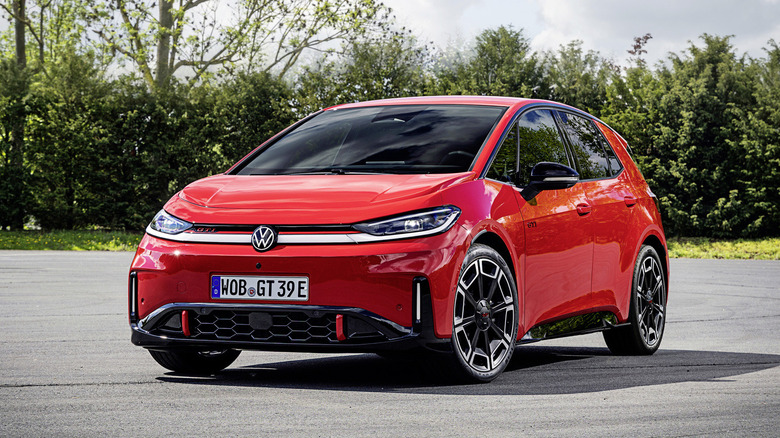
Listening closely to market feedback and enthusiast communities, Volkswagen opted to pivot rapidly. The ID 3 GTX designation for the flagship hatchback is effectively superseded by the ID 3 GTI. This rebranding represents more than just a marketing exercise; it signifies a comprehensive mechanical and aesthetic overhaul designed to align the vehicle more closely with the historical expectations of the GTI lineage, culminating in the upcoming 2027 European market launch.
Exterior Styling and Interior Heritage
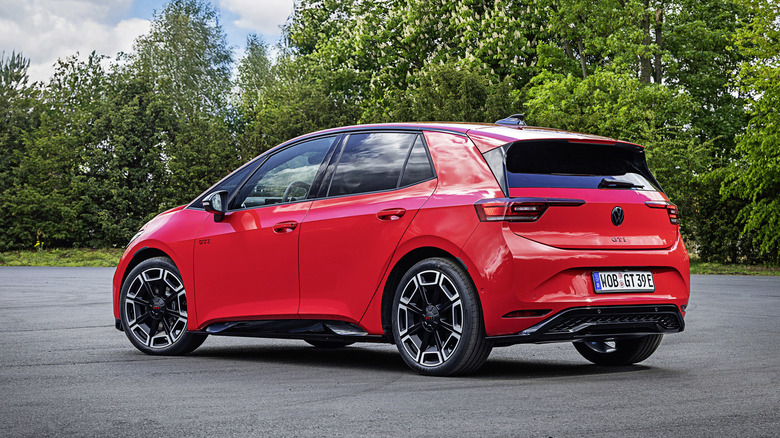
Aesthetics play a critical role in the enduring appeal of Volkswagen’s performance models, and the ID 3 GTI honors this tradition while incorporating futuristic EV styling elements. The exterior immediately distinguishes itself from standard ID.3 models and the older GTX variants through aggressive bodywork. A prominent GTI signature red stripe spans the width of the front fascia, connecting the advanced LED headlights. The bumper designs have been substantially re-engineered to appear wider, lower, and more purposeful, complemented by striking 20-inch Wörthersee-inspired alloy wheels that fill the wheel arches.
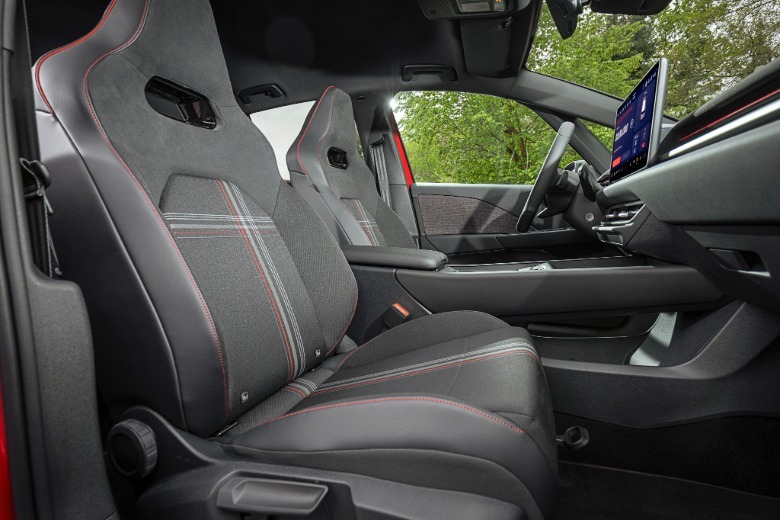
Inside the cabin, Volkswagen has successfully balanced modern minimalist EV architecture with nostalgic design cues. Most importantly for purists, the ID 3 GTI features a modernized interpretation of the classic red-and-white-on-black plaid upholstery that has adorned GTI seats since the debut of the original Golf GTI in 1976. This fabric addresses the notable oversight of the ID 3 GTX interior.
Additional cabin enhancements include vibrant red trim accents integrated into the dashboard, contrast stitching throughout the upholstery, and a distinctive red marker positioned at the 12 o’clock position on the squared-off, leather-wrapped steering wheel. These touches ensure that the driver is constantly reminded of the vehicle’s high-performance pedigree, even within a digital-first cockpit dominated by touchscreens and advanced driver-assistance displays.
Driving Modes and Sensory Engineering
Modern performance electric vehicles often grapple with the challenge of providing adequate sensory feedback to the driver, given the near-silent operation of electric motors. To counteract this, Volkswagen has engineered a dedicated drive mode for the ID 3 GTI, simply titled "GTI."
When engaged, the GTI mode alters the calibration of the powertrain, steering responsiveness, and adaptive dampers to their most aggressive settings while activating the vehicle’s launch control protocols. Simultaneously, the ambient cabin lighting shifts to an energetic red, the digital instrument cluster flips to a performance-focused layout, and a synthesized internal combustion engine sound is broadcast through the vehicle’s audio speakers. While artificial engine noises in electric vehicles remain a subject of debate among automotive purists, industry analysts note that such features are increasingly vital for replicating the visceral excitement traditionally associated with high-revving gas engines.
Practicality, Range, and Charging Infrastructure
Despite its performance credentials, the ID 3 GTI remains engineered fundamentally as a practical, everyday hatchback. Day-to-day usability is anchored by a robust 79-kWh lithium-ion battery pack, which yields an estimated WLTP driving range of up to 373 miles on a single charge. This impressive range ensures that the vehicle is well-suited for both spirited weekend drives and long-distance commuting.
When depletion occurs, the electrical architecture supports DC fast-charging at speeds up to 183 kW. Volkswagen officially estimates that this capability allows the battery to replenish from 10 percent to 80 percent capacity in approximately 29 minutes, minimizing downtime during long journeys. To enhance passenger comfort and technological appeal, the options list features premium amenities such as a panoramic glass sunroof, a high-output 480-watt audio system, and an advanced augmented reality head-up display that projects navigation and performance data directly into the driver’s field of view.
Market Implications and Future Outlook
The introduction of the Volkswagen ID 3 GTI carries significant implications for the European hot hatch segment and the broader automotive industry. As stringent emissions regulations continue to phase out traditional internal combustion engines across major global markets, legacy automakers face the existential challenge of preserving their brand DNA without alienating loyal customer bases.
By endowing the ID 3 GTI with Golf R-adjacent power levels, rear-wheel-drive dynamics, and deeply rooted aesthetic traditions like plaid seating, Volkswagen is attempting to bridge the generational divide between analog enthusiasts and electric adopters. Market analysts suggest that if the pricing strategy aligns competitively with existing performance EVs, the ID 3 GTI could establish a new benchmark for accessible, everyday electric performance. As pre-sales draw closer in early 2027, all eyes will be on Volkswagen to see whether this electric hot hatch can successfully capture the lightning-in-a-bottle magic of its gasoline predecessors.
Related posts: