The Economic and Engineering Logic of the Rear-Engine Era
The post-war era was defined by a desperate need for affordable, mass-market transportation. In Europe and Japan, where resources were scarce and fuel was expensive, engineers were tasked with creating vehicles that were cheap to produce, easy to maintain, and spacious enough for families despite compact external dimensions.
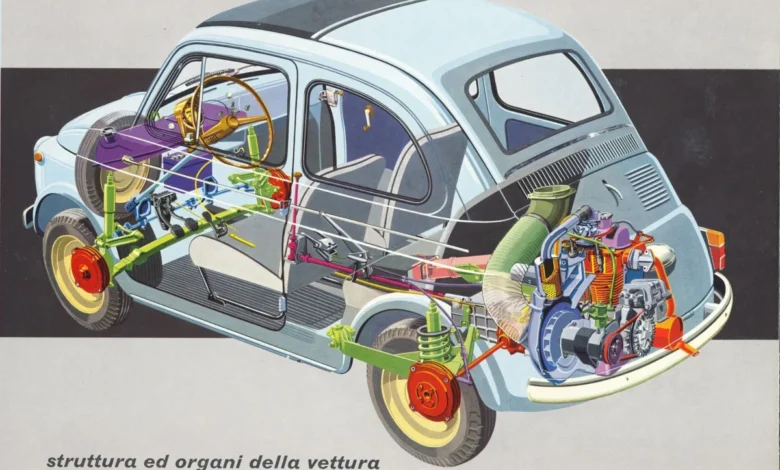
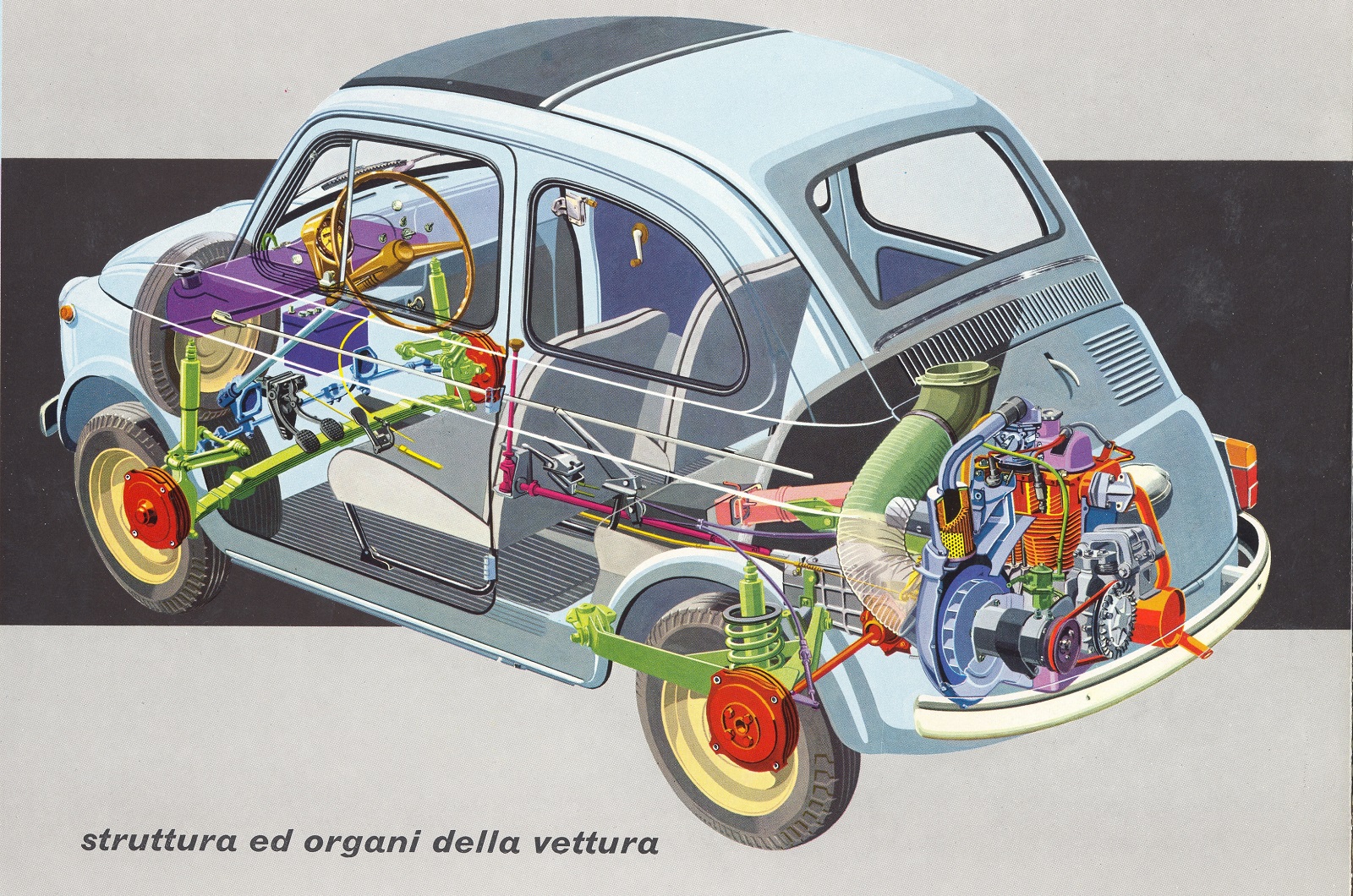
Dante Giacosa, the legendary Fiat engineer responsible for the 500 and 600, famously articulated the rationale behind this choice. While front-wheel drive offered superior handling and more cabin space, the cost of manufacturing constant-velocity joints and complex transaxles in the 1950s made it prohibitively expensive for "economy" models. By placing the engine and transmission over the driven rear wheels, manufacturers eliminated the heavy and costly propeller shaft and the intrusive transmission tunnel that bisected the passenger cabin in traditional front-engine, rear-drive cars. This "everything-in-the-back" approach allowed for a flat floor and simplified assembly, effectively democratizing car ownership for millions.

The Czechoslovakian Pioneers: Tatra and the Aerodynamic Vision
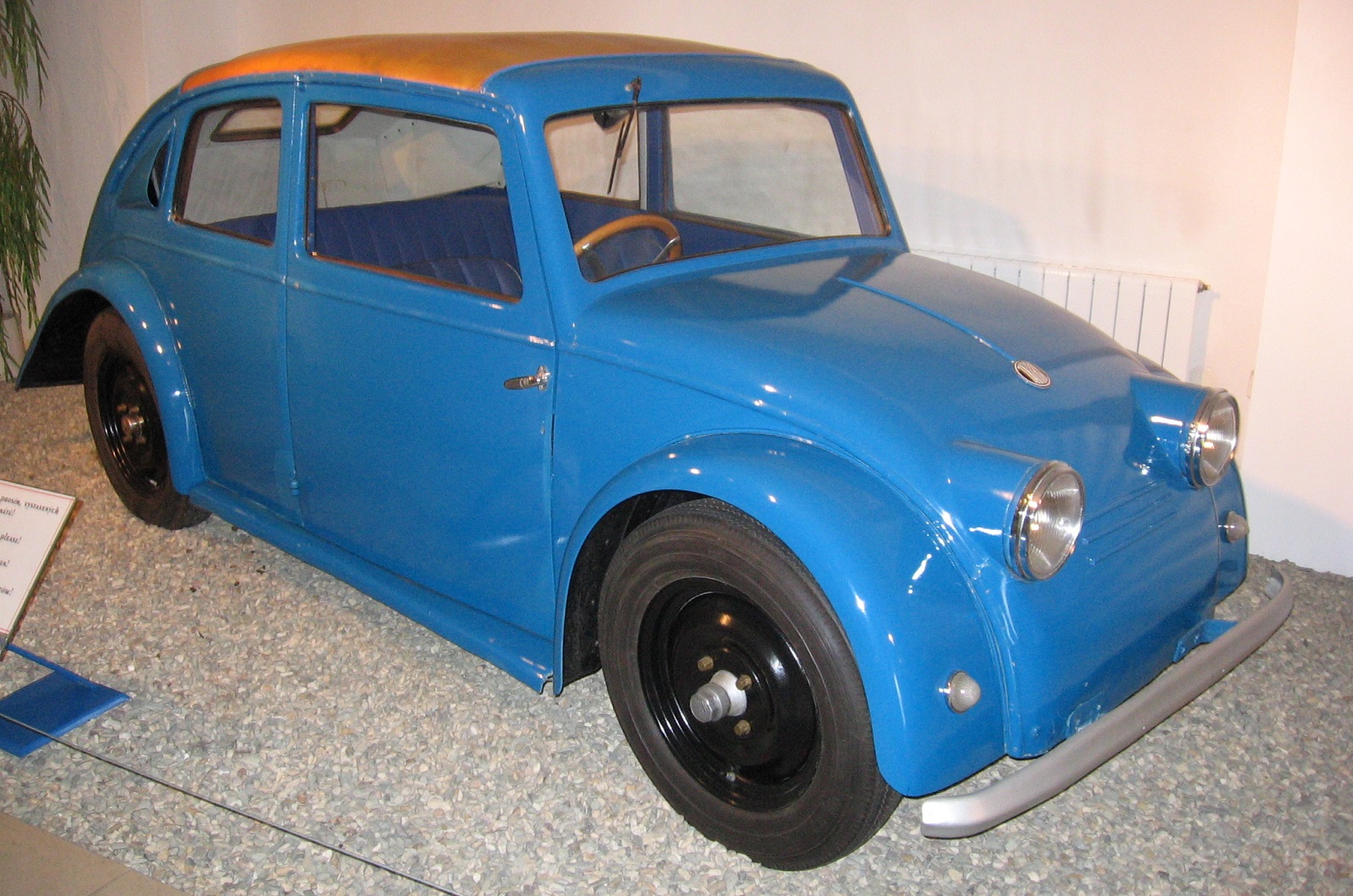
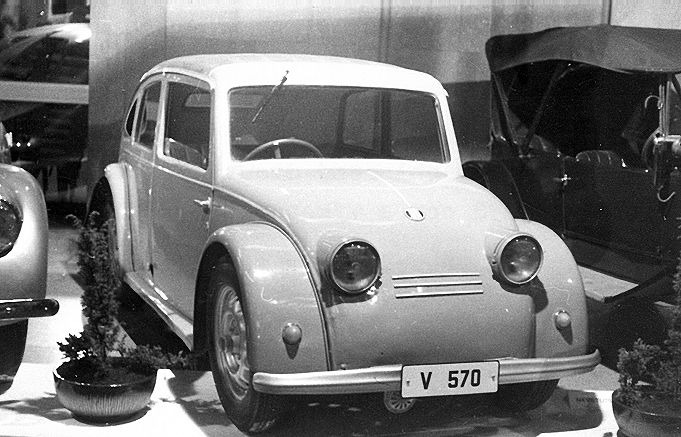
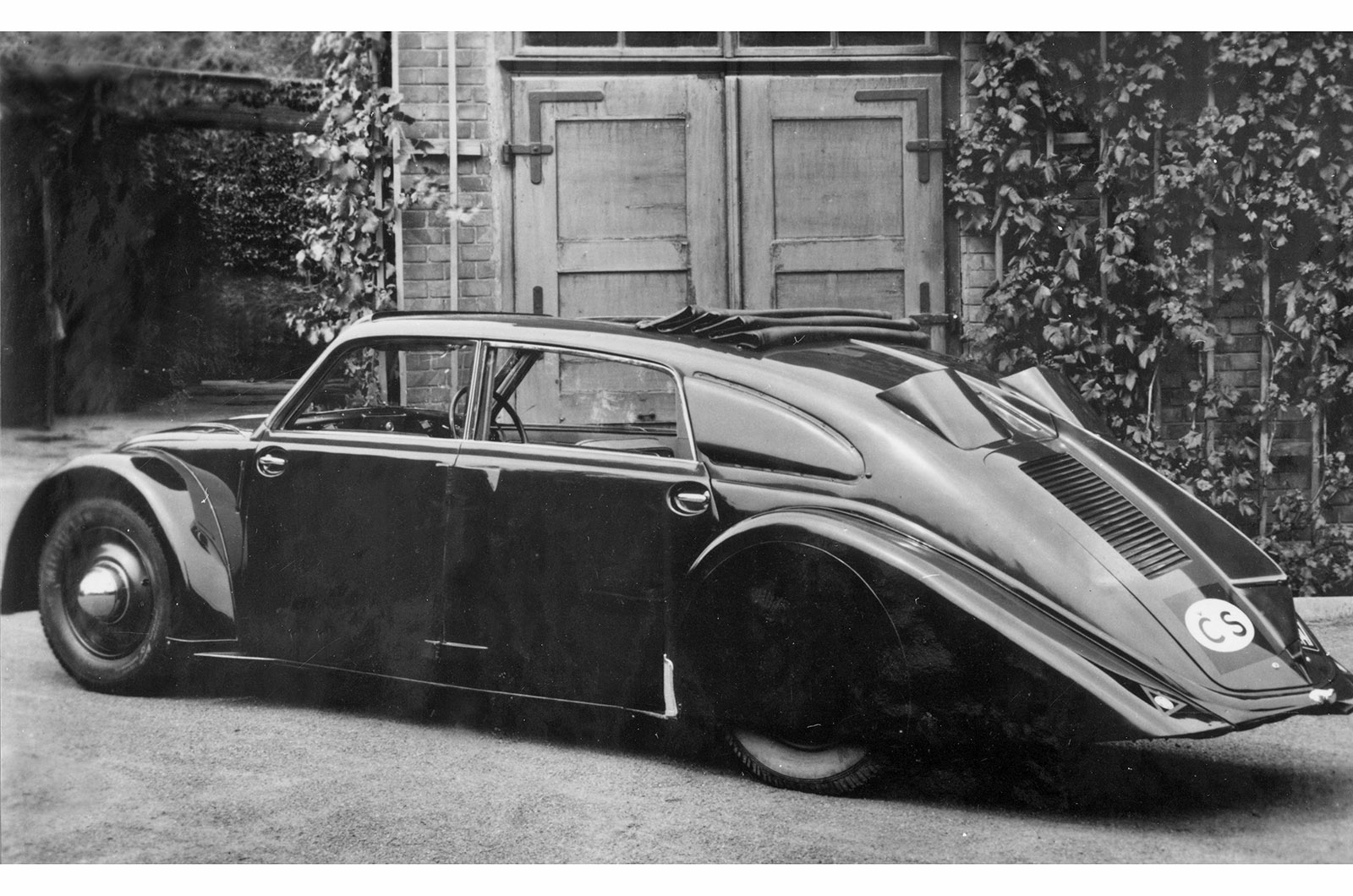
While the Volkswagen Beetle is often cited as the progenitor of the rear-engine movement, the technical lineage traces back significantly further to the works of Tatra in Czechoslovakia. As early as 1931, Tatra experimented with the V570 prototype. Led by Hans Ledwinka and influenced by the aerodynamic theories of Paul Jaray, Tatra argued that a rear-mounted engine was essential for achieving a streamlined, "teardrop" body shape.
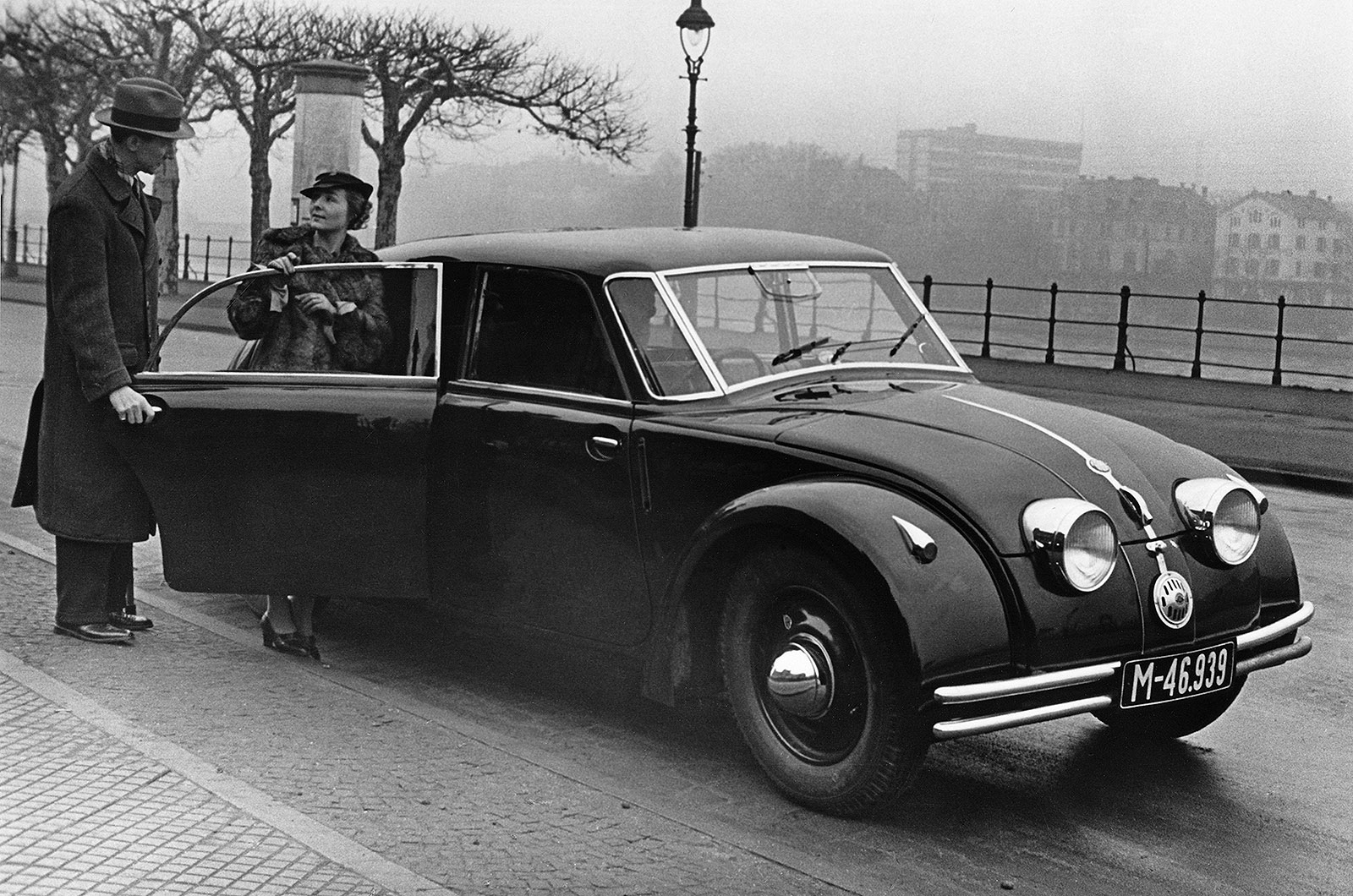
In 1934, Tatra launched the Type 77, the world’s first serial-produced aerodynamic car. Powered by an air-cooled V8 engine mounted behind the rear axle, the Type 77 and its successor, the 77a, could reach speeds of 90 mph with only 60 to 75 horsepower—a feat of efficiency at the time. Though only 250 units were built, Tatra’s engineering deeply influenced Ferdinand Porsche. The legal disputes that followed the war, in which Volkswagen eventually paid a settlement to Tatra, underscore the importance of these early Czechoslovakian designs in shaping the future of the automotive world.
The Volkswagen Beetle: A Global Cultural and Economic Icon
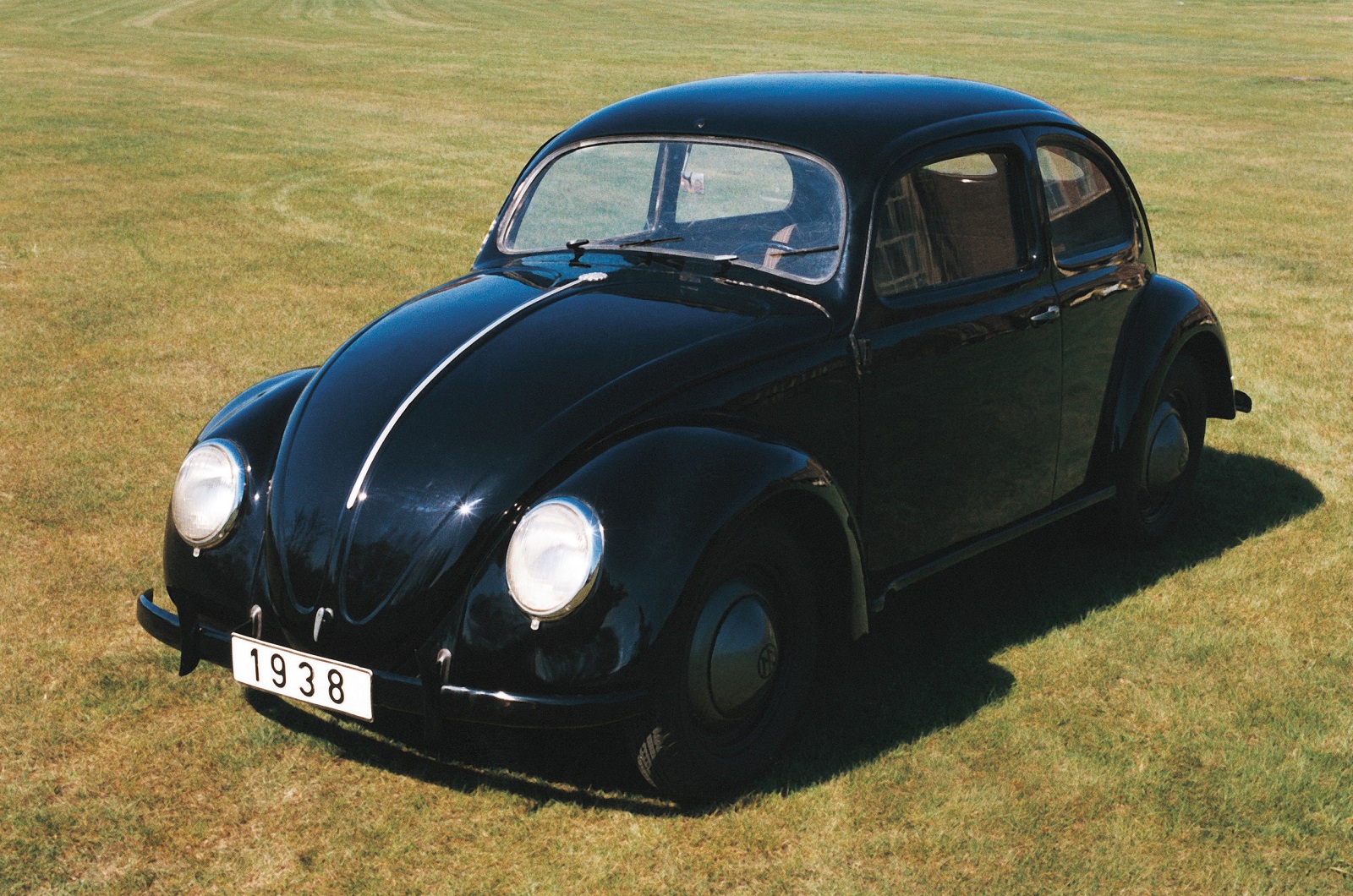
No car defines the rear-engine era more than the Volkswagen Beetle. Originally conceived as the "KdF-Wagen" under the German Third Reich, the Beetle’s true impact was realized in the post-war period. Under the guidance of British Major Ivan Hirst and later Heinz Nordhoff, the Beetle transitioned from a military curiosity into a global phenomenon.
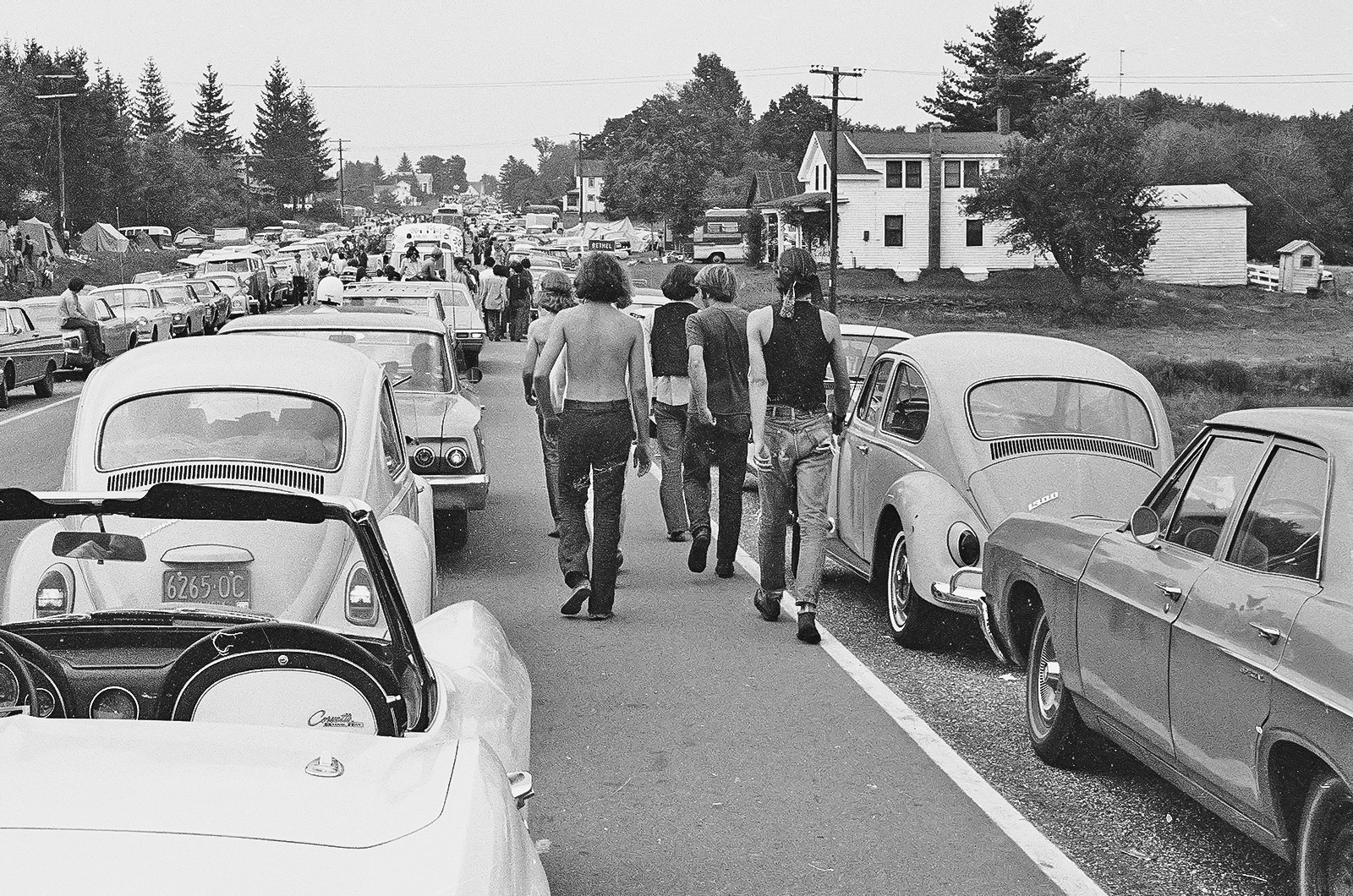
The technical simplicity of its air-cooled, flat-four engine made it exceptionally reliable in extreme climates, from the heat of Africa to the winters of Northern Europe. Production hit the one-million-unit mark in 1955, doubling to two million by 1957. The Beetle’s success in the United States during the 1960s was particularly significant; it served as a counter-cultural symbol against the perceived obsolescence and excess of Detroit’s "planned obsolescence" models. By the time production ended in Mexico in 2003, more than 21 million Beetles had been manufactured, making it the most successful rear-engined vehicle in history.
The Latin Influence: Fiat and Renault’s Mass Motorization
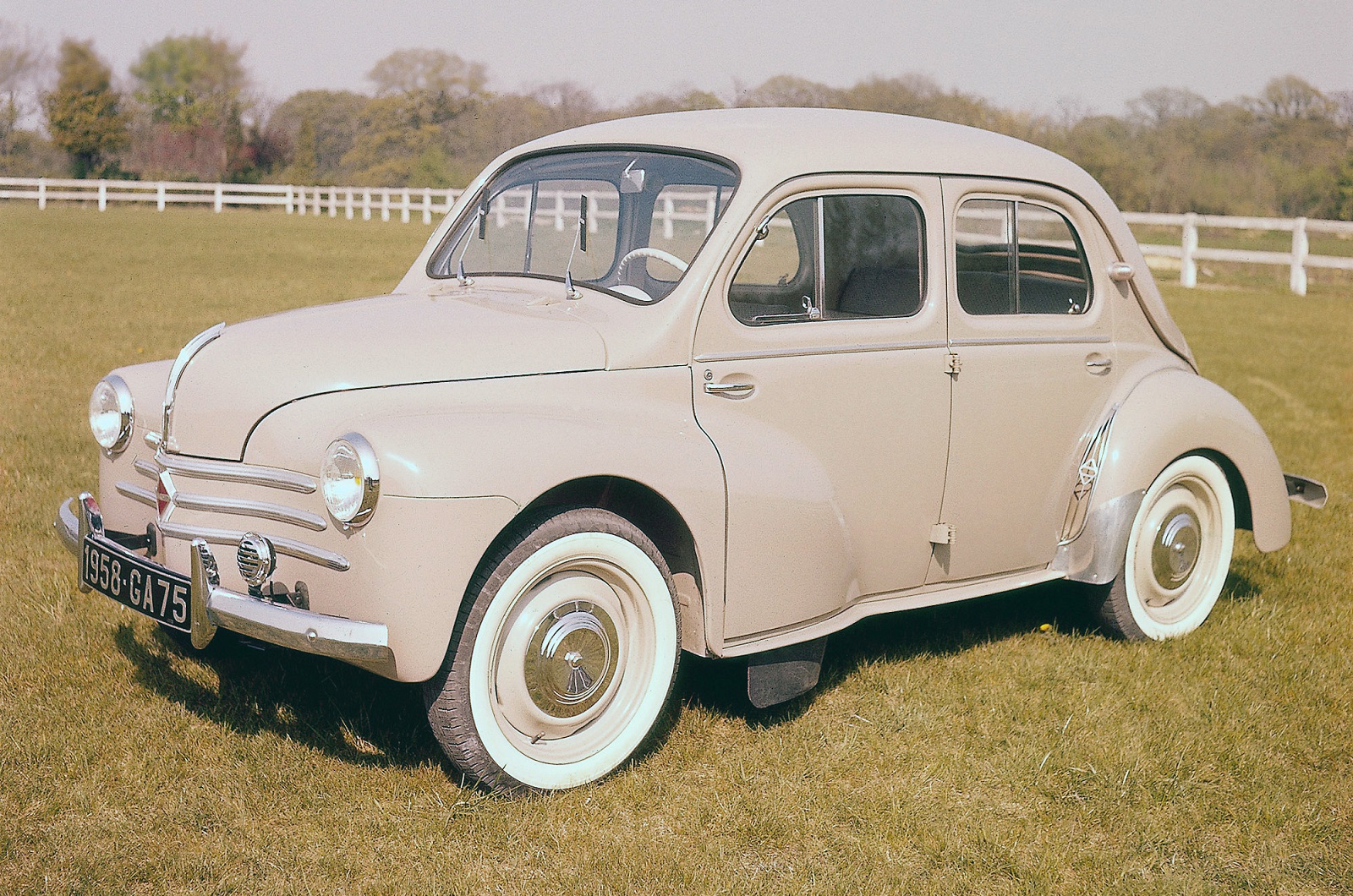
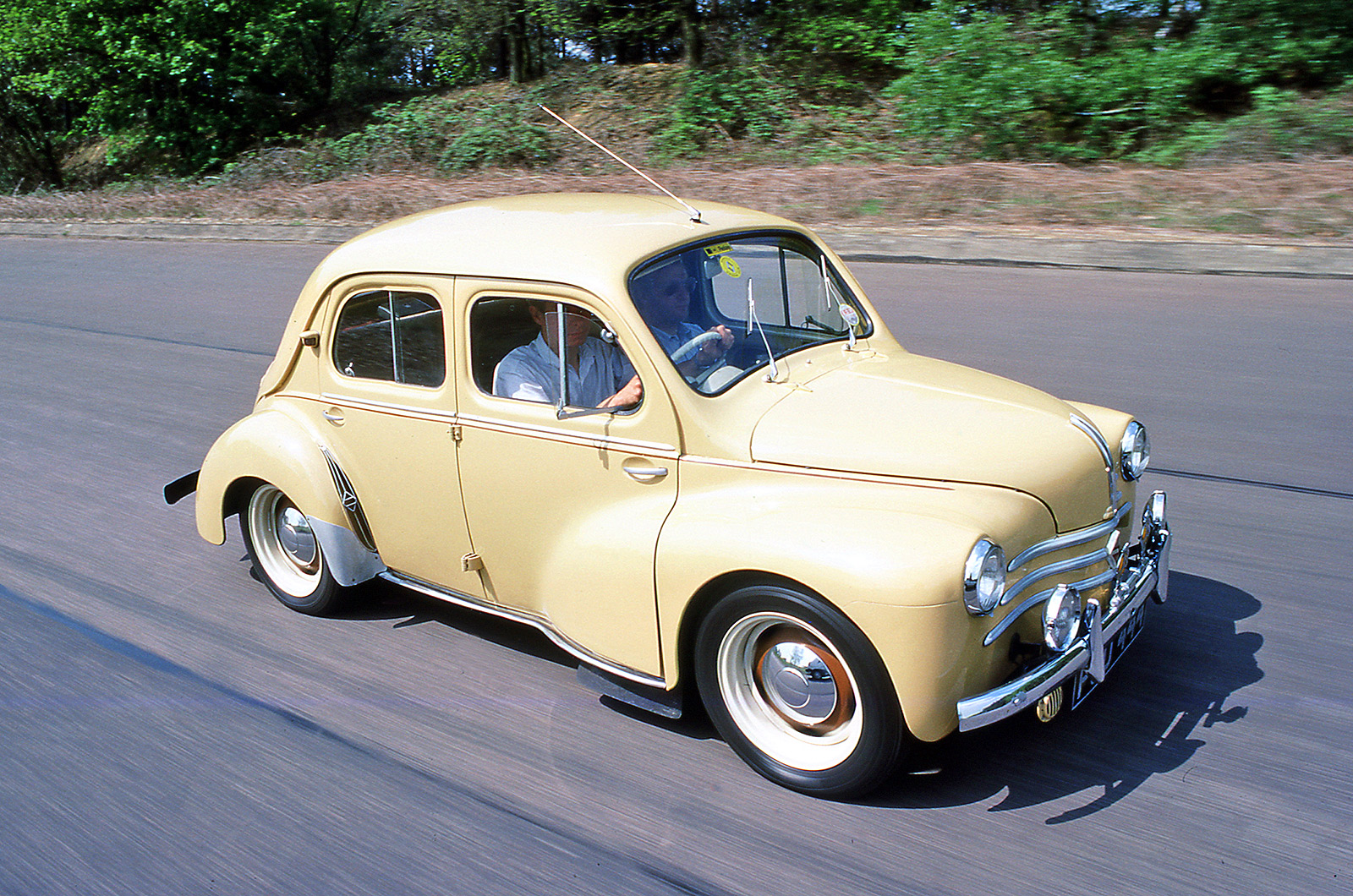
In Southern Europe, Fiat and Renault adopted the rear-engine layout to mobilize their respective nations. Renault’s 4CV, developed in secret during the German occupation of France, debuted in 1947. Despite Louis Renault’s initial distaste for small cars, the 4CV became the first French car to sell over a million units. Its success paved the way for the Dauphine in 1956, which sold over two million units and was even manufactured under license in Italy by Alfa Romeo—the only rear-engined car ever produced by the Milanese firm.
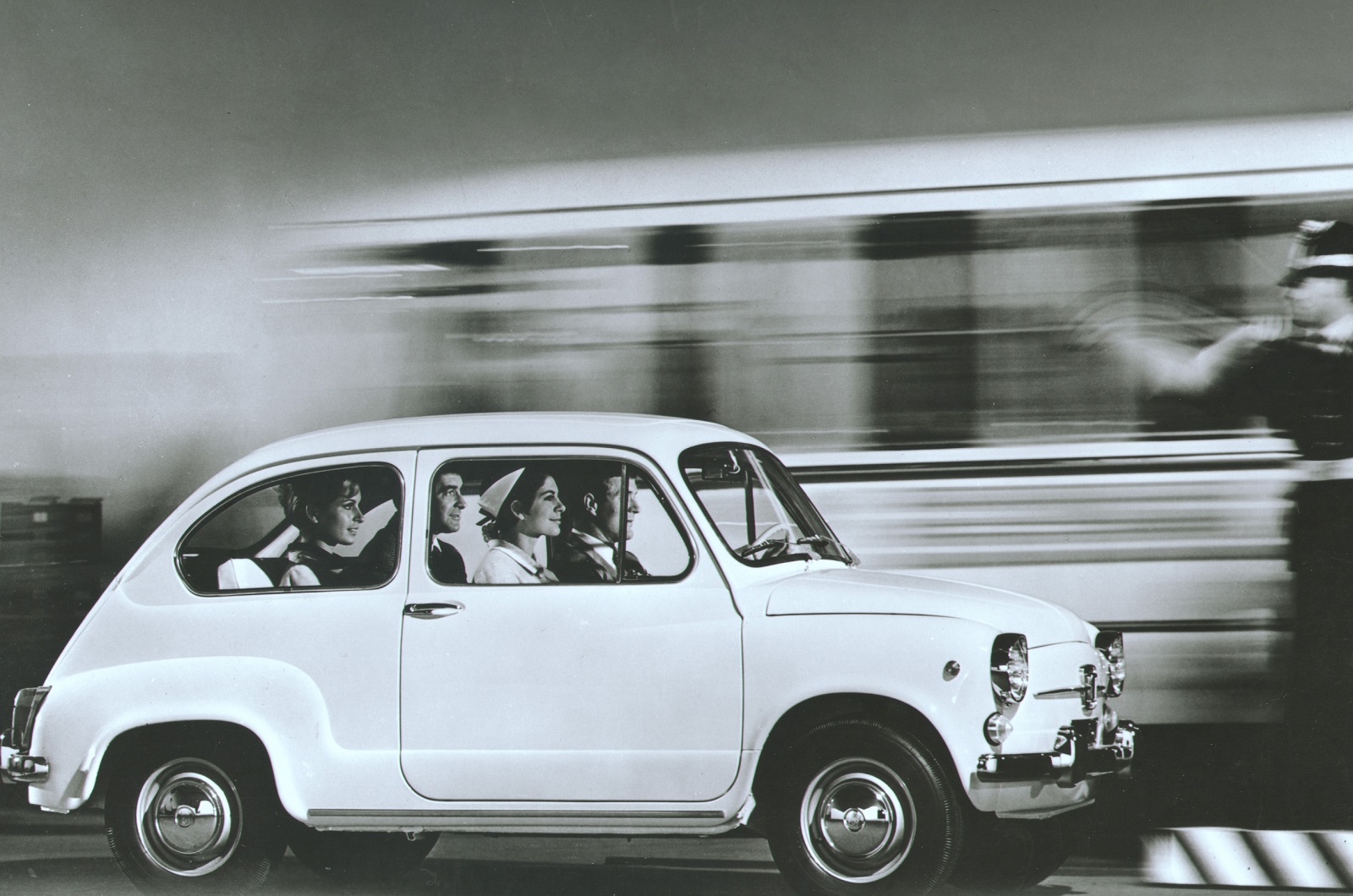
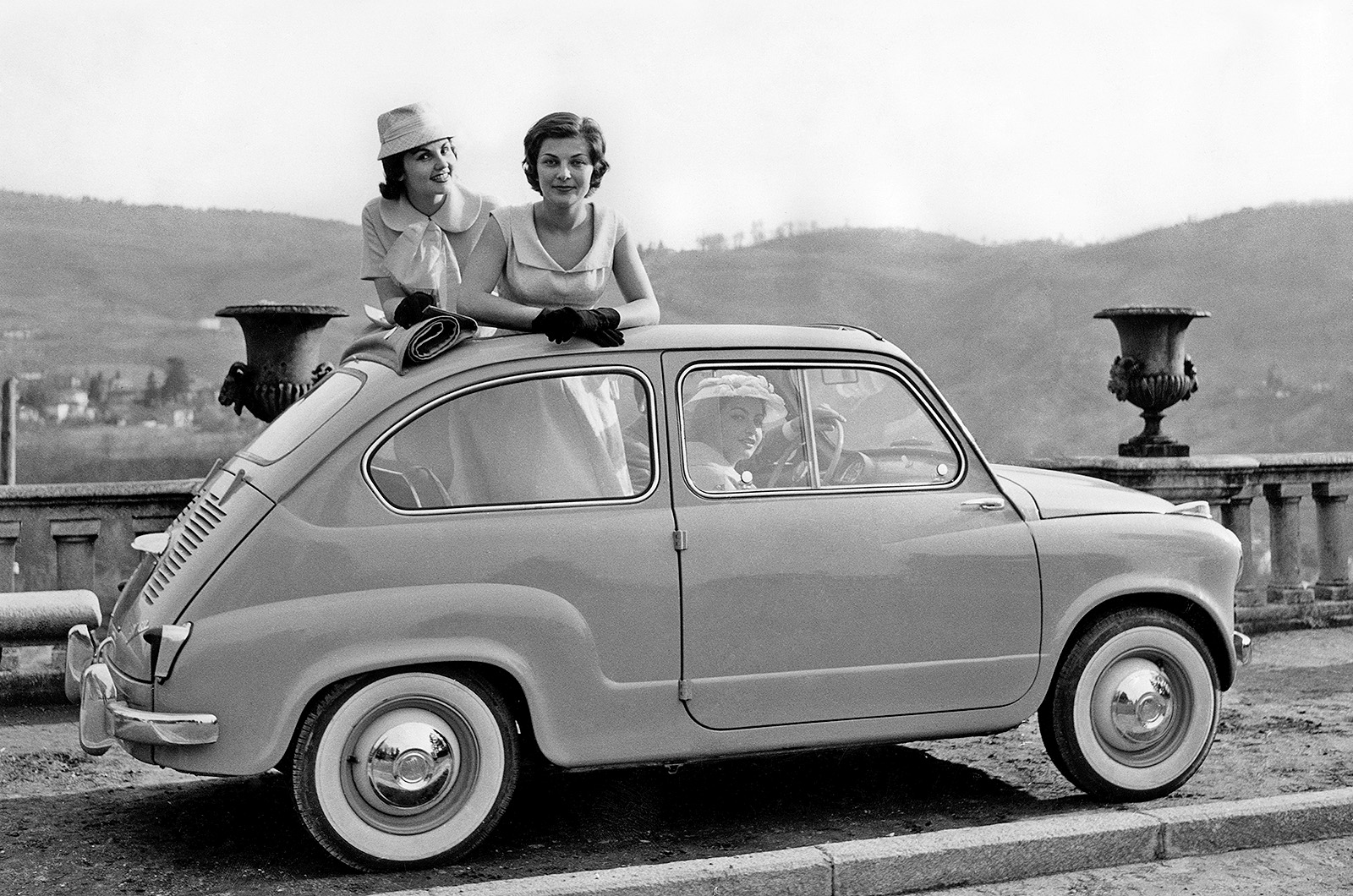
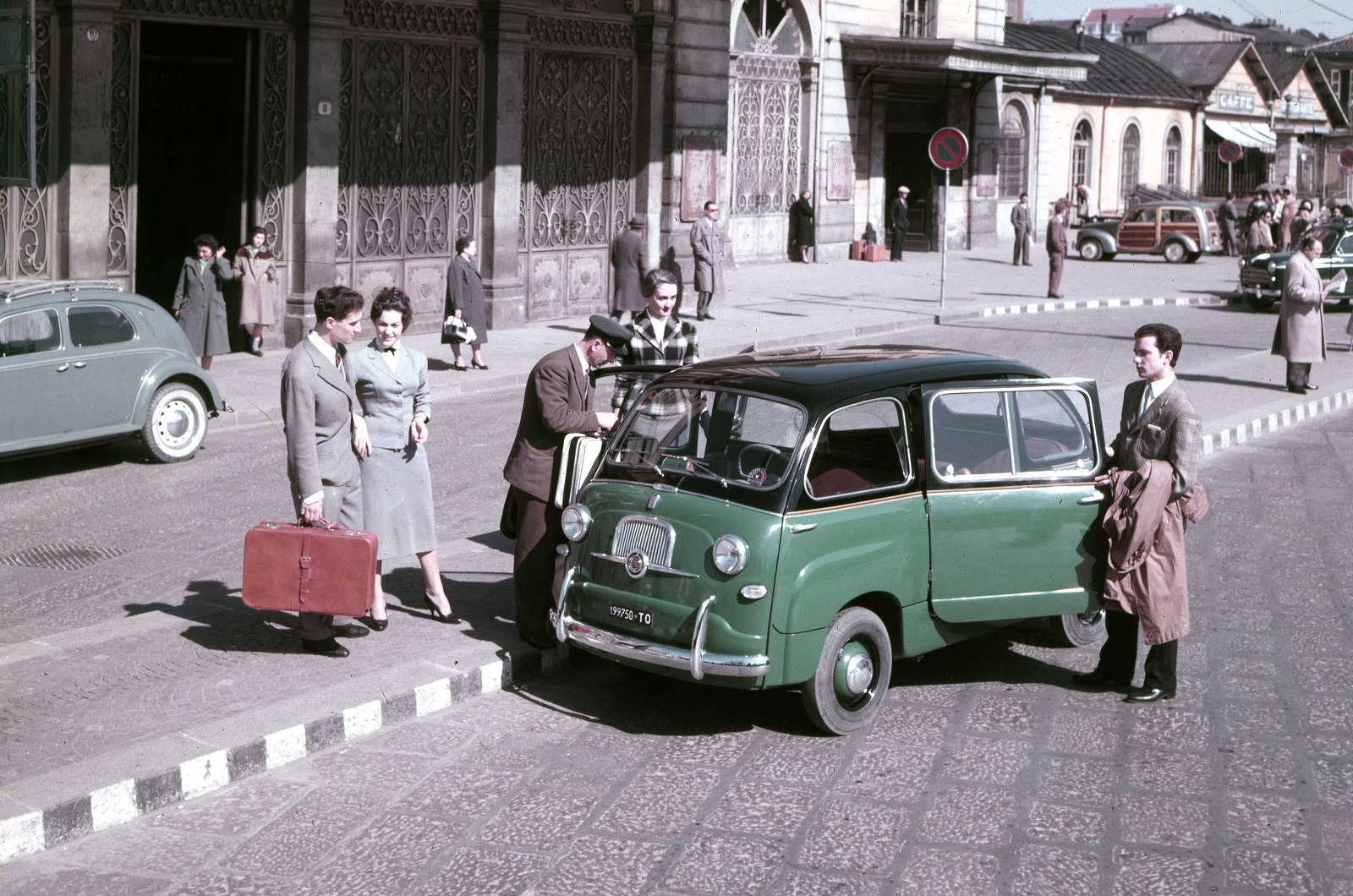
Italy’s motorization was led by the Fiat 600 (1955) and the iconic 500 (1957). The 600 was a masterpiece of packaging, spawning the 600 Multipla in 1956. By shifting the driver’s compartment over the front wheels, Fiat created a six-passenger vehicle on a footprint barely larger than a modern microcar. This layout proved so versatile that it was licensed to manufacturers globally, including SEAT in Spain and Zastava in Yugoslavia, where production continued until 1985.
Sporting Pedigree: Porsche and Alpine
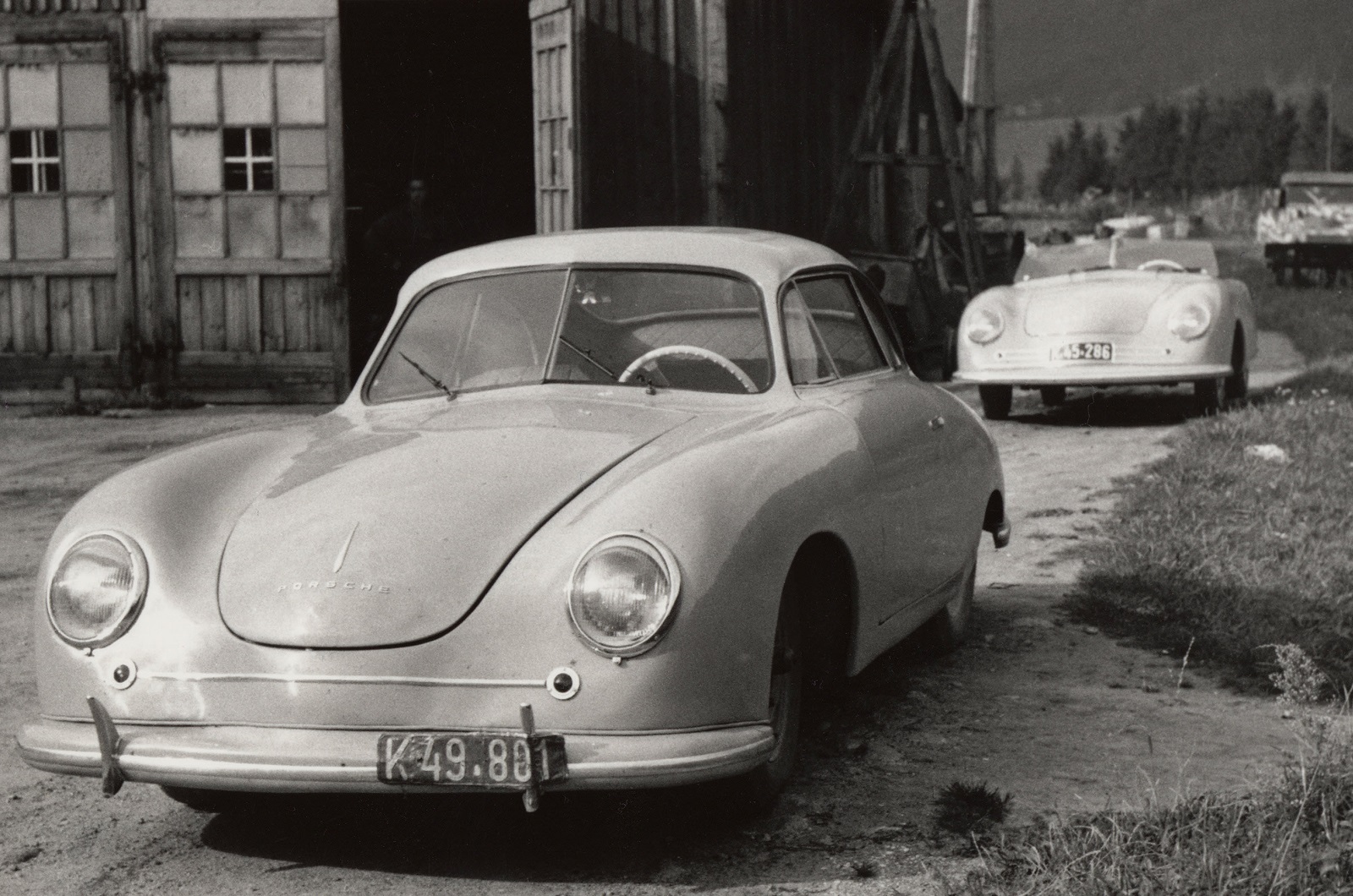
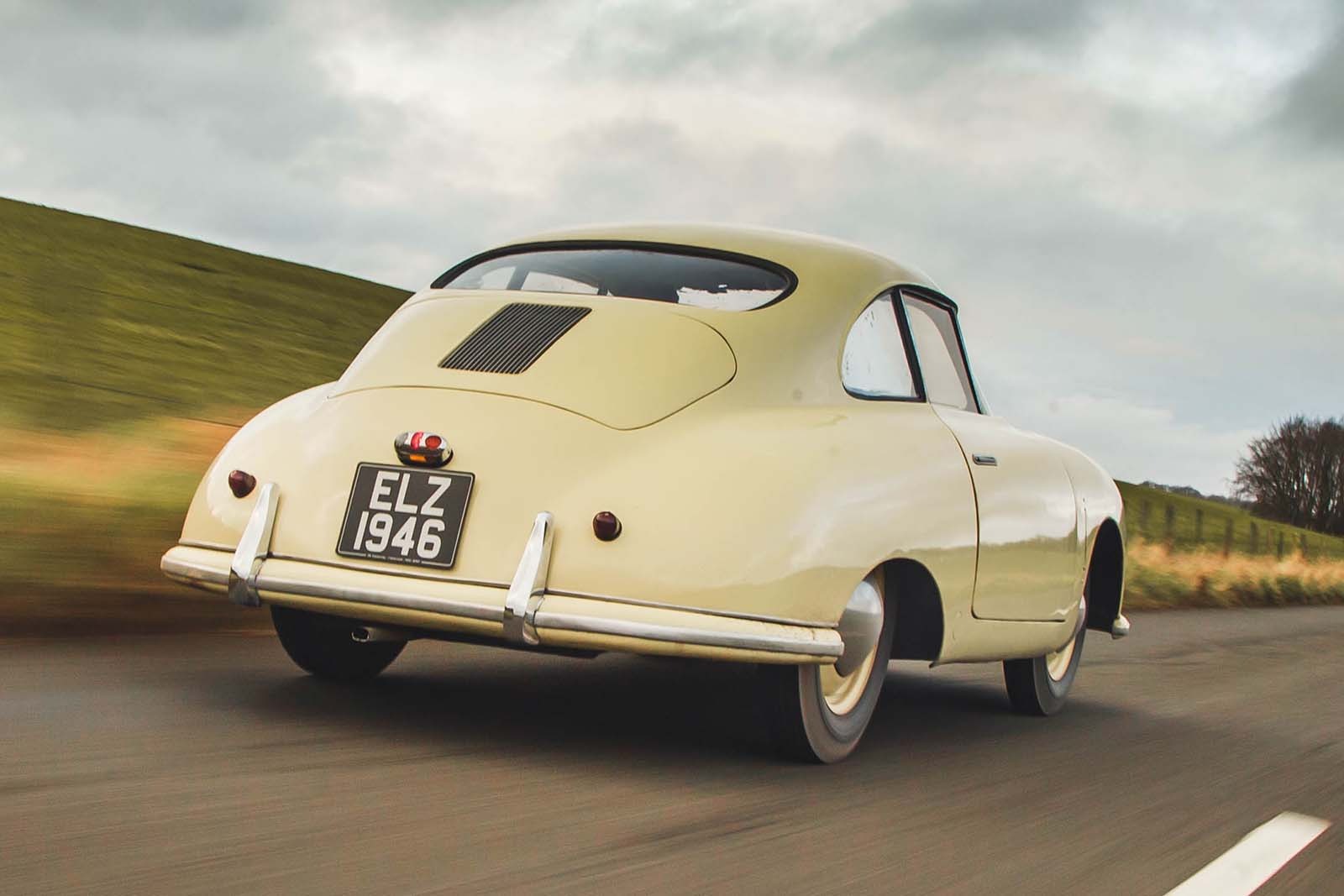
While the layout was chosen for economy by Fiat and VW, brands like Porsche and Alpine proved that rear-engine placement had significant performance advantages, particularly regarding traction. The Porsche 356, debuting in 1948, utilized Beetle-derived components but refined them into a legitimate sports car.
The transition to the 911 in 1963 solidified the rear-engine layout as a hallmark of the Porsche brand. Despite early criticisms of "pendulum" handling and lift-off oversteer, Porsche’s engineers refined the 911 through decades of competition. In France, Jean Rédélé’s Alpine used Renault components to create the A110, which dominated the rallying world in the early 1970s. These vehicles demonstrated that having the weight of the engine over the driving wheels provided a traction advantage that front-engined competitors struggled to match on loose surfaces.
The American Anomaly: The Chevrolet Corvair
In the late 1950s, General Motors attempted to bring the rear-engine philosophy to the American mainstream with the Chevrolet Corvair. Launched in 1959 to compete with the Beetle, the Corvair featured a sophisticated air-cooled flat-six engine and independent suspension. However, it became the subject of intense scrutiny following the publication of Ralph Nader’s Unsafe at Any Speed in 1965.
Nader’s critique focused on the handling characteristics of the early swing-axle suspension, which could lead to tuck-under and rollovers in extreme maneuvers. Although Chevrolet corrected these issues with a redesigned suspension in 1965, the damage to the car’s reputation was terminal. The Corvair’s failure effectively ended American experimentation with rear-mounted engines for mass-market passenger cars, though it remains a cult classic with 1.83 million units sold.
The Eastern Bloc and the Far East: ZAZ and Subaru
The rear-engine layout also found a home in the developing markets of the Soviet Union and Japan. The ZAZ-965 "Zaporozhets," introduced in 1960, was designed as a rugged, "people’s car" for the USSR. It utilized an air-cooled V4 engine and a suspension system inspired by the Beetle to handle the poor roads of the Soviet interior.
In Japan, the Subaru 360 (1958) utilized a rear-engine layout to maximize interior space within the strict confines of "Kei car" regulations. These regulations limited engine size and vehicle dimensions, making the packaging efficiency of the rear-engine layout the only viable way to transport four adults in a car less than three meters long.
The Shift to Front-Wheel Drive and the End of an Era
The decline of the rear-engine car was precipitated by the 1959 launch of the BMC Mini. Sir Alec Issigonis’s design utilized a transverse front-mounted engine and front-wheel drive, proving that a front-drive layout could be even more space-efficient than a rear-drive one. By the late 1960s, the advantages of front-wheel drive—better high-speed stability, more predictable handling, and superior luggage space—began to outweigh the cost benefits of the rear-engine setup.
Renault transitioned to front-wheel drive with the Renault 4 in 1961, and Fiat followed with the 128 in 1969. Even Volkswagen, the fiercest defender of the rear-engine layout, finally capitulated in the 1970s. The introduction of the Passat (1973) and the Golf (1974) signaled the end of the air-cooled, rear-engined era for the mass market.
Today, the rear-engine layout survives primarily in the Porsche 911, where it is preserved as a signature engineering trait, and in niche applications like the Smart Fortwo or the Renault Twingo. However, for a brief, transformative period in the mid-20th century, the sound of an air-cooled engine humming from behind the rear seats was the soundtrack of global mobility. The millions of rear-engined cars produced during this era did more than just move people; they built the modern automotive industry, providing the affordable foundations upon which the current era of transport was constructed.