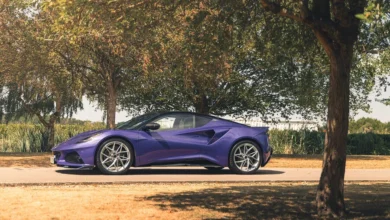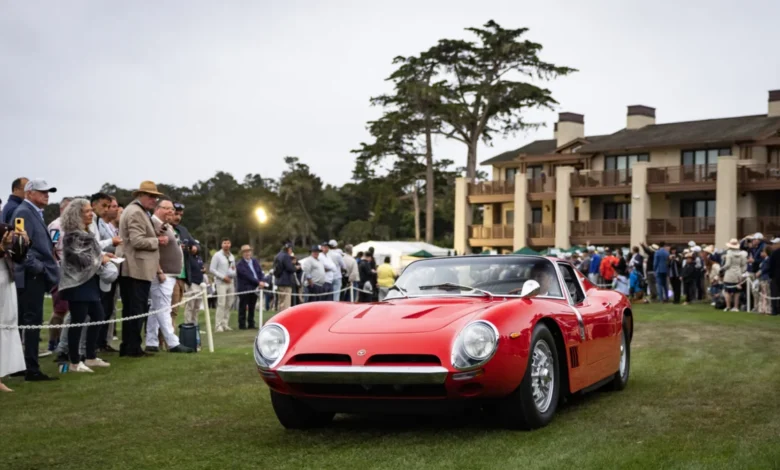
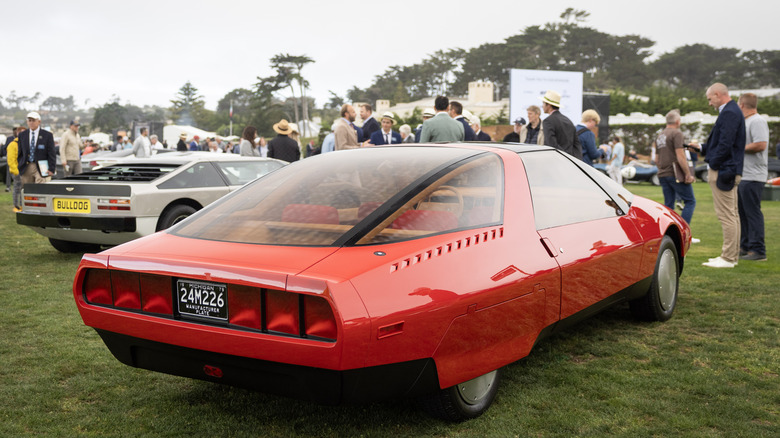
The translation of concours d’elegance—literally "competition of elegance"—barely captures the exhaustive preparation, historical stewardship, and rigorous scrutiny required to succeed at the highest echelons of automotive preservation. Far from a simple gathering of vintage vehicles, these prestigious events function as rolling museums where automotive historians, master restorers, and passionate collectors converge. Securing an invitation to premier gatherings such as the Pebble Beach Concours d’Elegance, the Amelia Island Concours, or the Villa d’Este is a monumental achievement in its own right, often requiring years of documented provenance and meticulous restoration work. Once accepted, however, owners face a notoriously unforgiving judging process where a single speck of dust or an incorrect hose clamp can cost a class victory. To navigate this demanding environment successfully, competitors must approach preparation through a disciplined framework encompassing historical research, obsessive detailing, rigorous mechanical checks, and strict adherence to judging etiquette.
Understanding the Specific Event Ecosystem and Judging Criteria
Before a single tool touches the vehicle or a drop of polish is applied, potential competitors must conduct exhaustive research into the specific event’s governance, judging criteria, and class structures. While all concours d’elegance share a fundamental commitment to historical accuracy and aesthetic beauty, the operational details vary significantly across organizations.
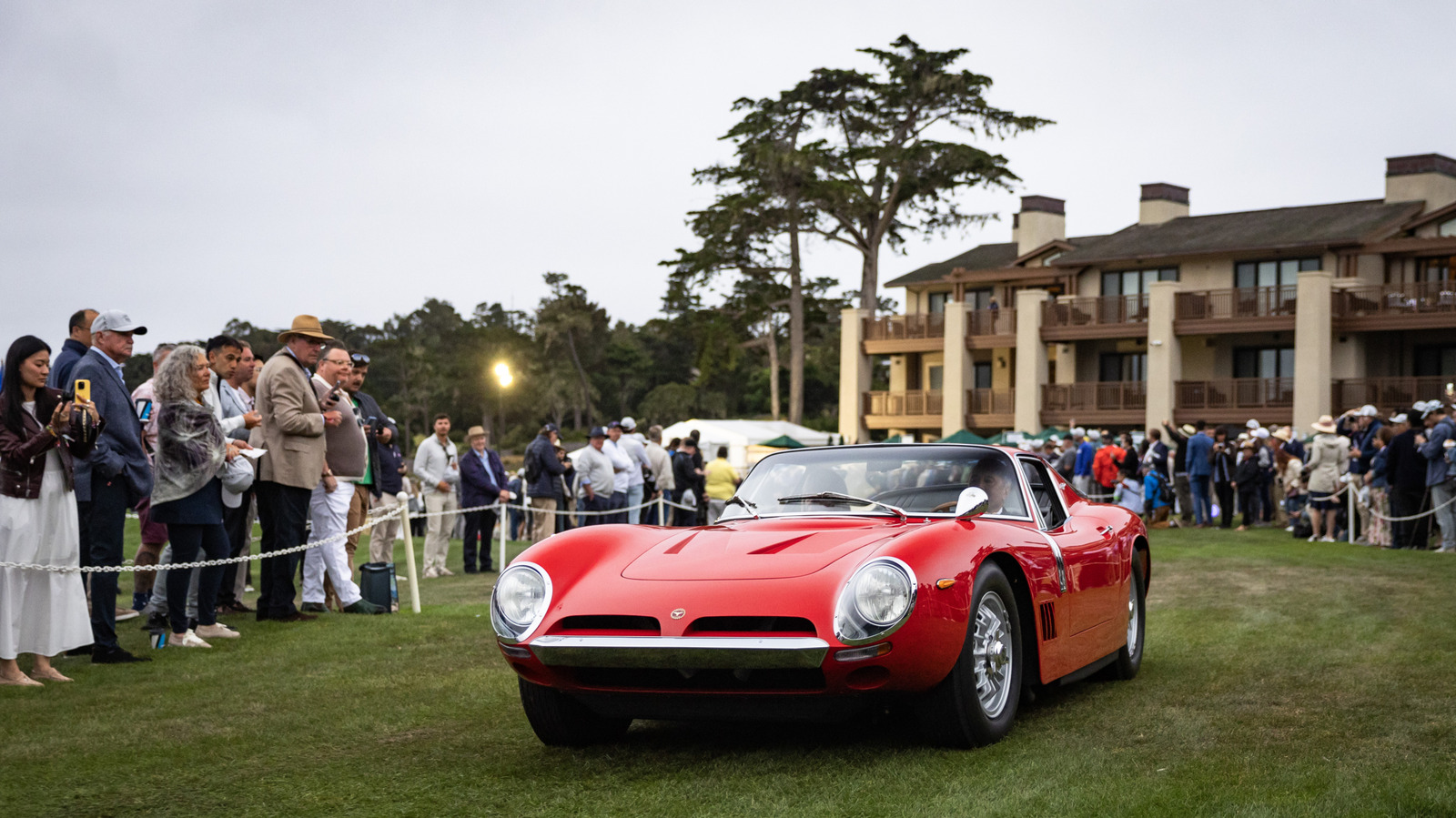
For instance, premier events divide entries into highly specialized classes determined by era, coachbuilder, country of origin, racing heritage, or specific marque milestones. Each class is typically evaluated by a panel of recognized authorities within that automotive niche. Competitors must familiarize themselves not only with the written rulebook of the organization—such as the rigorous scoring sheets utilized by the Antique Automobile Club of America (AACA) or independent international panels—but also with the historical tendencies of the judges assigned to their class.
Furthermore, event policies regarding post-competition eligibility require careful strategic planning. Renowned venues like the Pebble Beach Concours enforce strict cooling-off periods, barring vehicles from competing again for a decade following their initial appearance. Consequently, entrants must treat their participation as a rare, highly calculated opportunity. Reviewing technical service bulletins, consulting past class winners, and understanding whether the event mandates a dynamic driving evaluation—where vehicles must demonstrate mechanical operability under their own power—will dictate the entire restoration and preparation timeline.
Mastering Concours-Level Cleanliness and Restoration Precision
Cleanliness at a concours d’elegance transcends routine automotive detailing; it represents an uncompromising archaeological exercise in removing the visible passage of time. Judges utilize specialized inspection lights, dental mirrors, and white-gloved hands to scrutinize every square inch of the vehicle, extending far beyond the painted exterior surfaces to areas that remain completely concealed during normal operation.
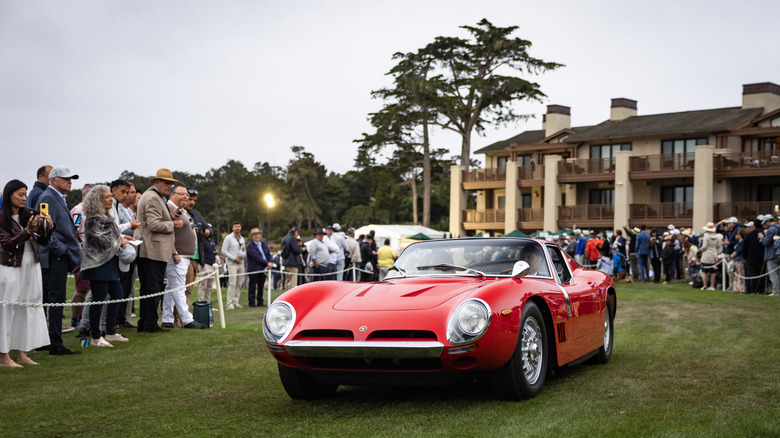
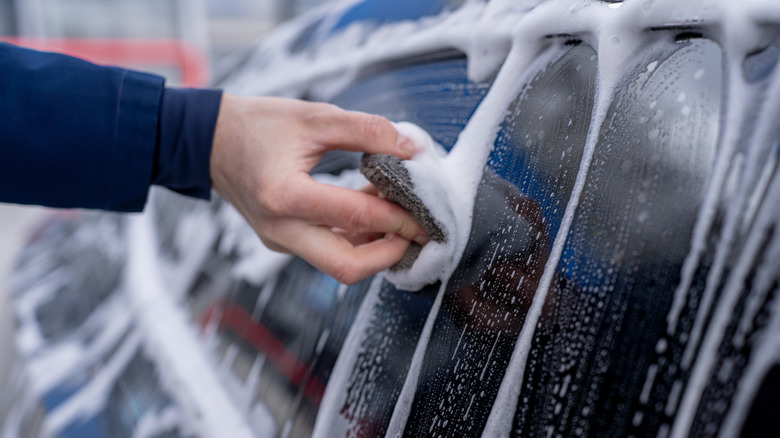
The detailing process requires a minimum of a week of systematic, unhurried labor. Wheel wells, suspension components, the underside of the floor pan, and the interior recesses of the engine bay must be cleaned to a surgical standard. Technicians must utilize specialized, non-abrasive cleaning agents and micro-fiber implements to avoid inflicting micro-scratches on delicate single-stage paints, hand-rubbed lacquers, or rare interior hide upholstery.
Particular attention must be paid to common deterioration points identified in factory technical bulletins. Every wiring harness, fastener, and fluid reservoir must reflect factory-delivered specifications, devoid of modern aftermarket residue or grime. Because even microscopic oversights—such as a fingerprint on polished chrome or residual buffing compound in a panel gap—can incur immediate point deductions, winning teams implement continuous, redundant inspections throughout the staging and transport phases.
Authentic Documentation and Historical Provenance
A concours entry is fundamentally incomplete without comprehensive, verifiable documentation establishing the vehicle’s provenance and historical narrative. Judges at elite competitions are global experts who frequently possess deep archival knowledge regarding specific chassis numbers, racing histories, and coachbuilding lineages. Therefore, superficial appraisals or generic manufacturer brochures are insufficient.
Owners must assemble a meticulous dossier akin to a legal brief, housing original factory build sheets, bill-of-sale documentation, dealership correspondence, period registration papers, and continuous ownership chains. Where gaps exist in the paper trail, verified photographic evidence and historical motor racing programs can serve as vital supplementary artifacts.
However, presentation is equally critical. Judges operate under strict time constraints during evaluation. Overly elaborate display boards or disorganized binders can frustrate evaluators and detract from the vehicle itself. Documentation should be neatly indexed, concise, and presented in a discrete portfolio available upon request, ensuring that the primary focus remains entirely on the physical execution of the automobile.
Ensuring Total Mechanical Operability and Operational Integrity
While visual aesthetics dictate initial impressions, mechanical functionality remains a definitive pillar of competitive scoring. Modern concours standards increasingly emphasize operational authenticity, with many premier events requiring entrants to drive their vehicles onto the show field or participate in a preliminary tour.
Preparation must begin with comprehensive preventative maintenance, including the complete flushing and replacement of aging fluids, coolants, and lubricants that may have degraded during static museum display. Critical mechanical systems—ranging from electrical switches, instrumentation lighting, and horn functionality to window regulators and door latch mechanisms—must operate with factory-grade precision.
Restorers must avoid the temptation to utilize readily available modern replacement parts when servicing mechanical components. Period-correct fasteners, hoses, and electrical relays must be sourced to maintain structural integrity. The ultimate objective is to eliminate any risk of operational failure, fluid leakage, or mechanical hesitation during the active judging phase, ensuring the vehicle performs as flawlessly as it did upon initial delivery.
Adhering to Preservation Standards and Field Etiquette
The overarching philosophy guiding any legitimate concours d’elegance is preservation rather than modernization. Vehicles must be presented precisely as they left the factory or their respective coachbuilder’s workshop, avoiding any unauthorized aftermarket modifications or cosmetic enhancements.

During staging, vehicles should be presented in their static configuration—with hoods, doors, and trunks closed—unless explicitly requested otherwise by the judging panel. This allows evaluators to appreciate the pure lines and proportions intended by the original designers without visual obstruction. Furthermore, owners must accompany their vehicles during the designated judging window, remaining available to answer technical inquiries with precision while avoiding intrusive commentary that might disrupt the evaluation process.
Broader Industry Implications and the Collector Market
The rigorous standards demanded by modern concours events exert a profound influence on the multi-billion-dollar classic car restoration and collector market. The painstaking pursuit of absolute historical accuracy has transformed automotive restoration from a localized trade into a highly scientific discipline involving metallurgists, historical archivists, and specialized fabricators capable of recreating obsolete manufacturing processes.
Consequently, provenance and concours pedigree directly dictate asset valuation within high-end automotive auctions. A Best in Show victory at a globally recognized concours d’elegance permanently elevates a vehicle’s historical significance and market capitalization, validating the immense financial and temporal investment required by its custodian. As the hobby continues to evolve into the digital and modern-classic eras—with younger generations of collectors championing preservation-class vehicles from the 1980s and 1990s—the fundamental principles of meticulous preparation, unwavering documentation, and deep respect for original craftsmanship remain the non-negotiable price of admission to the world’s most prestigious automotive stage.
Related posts: