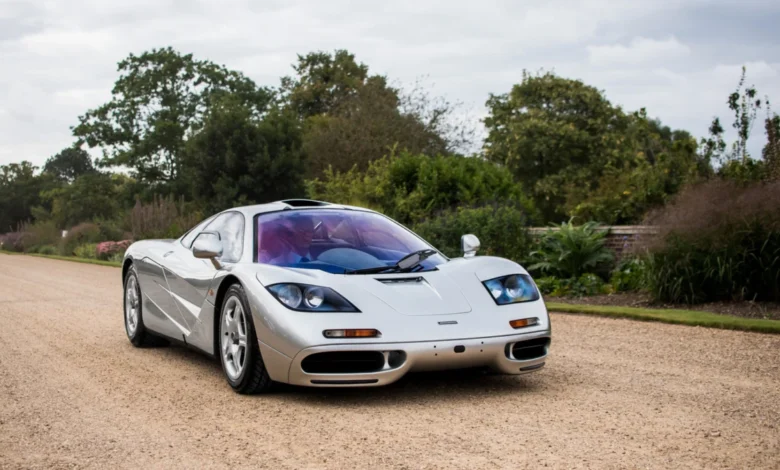
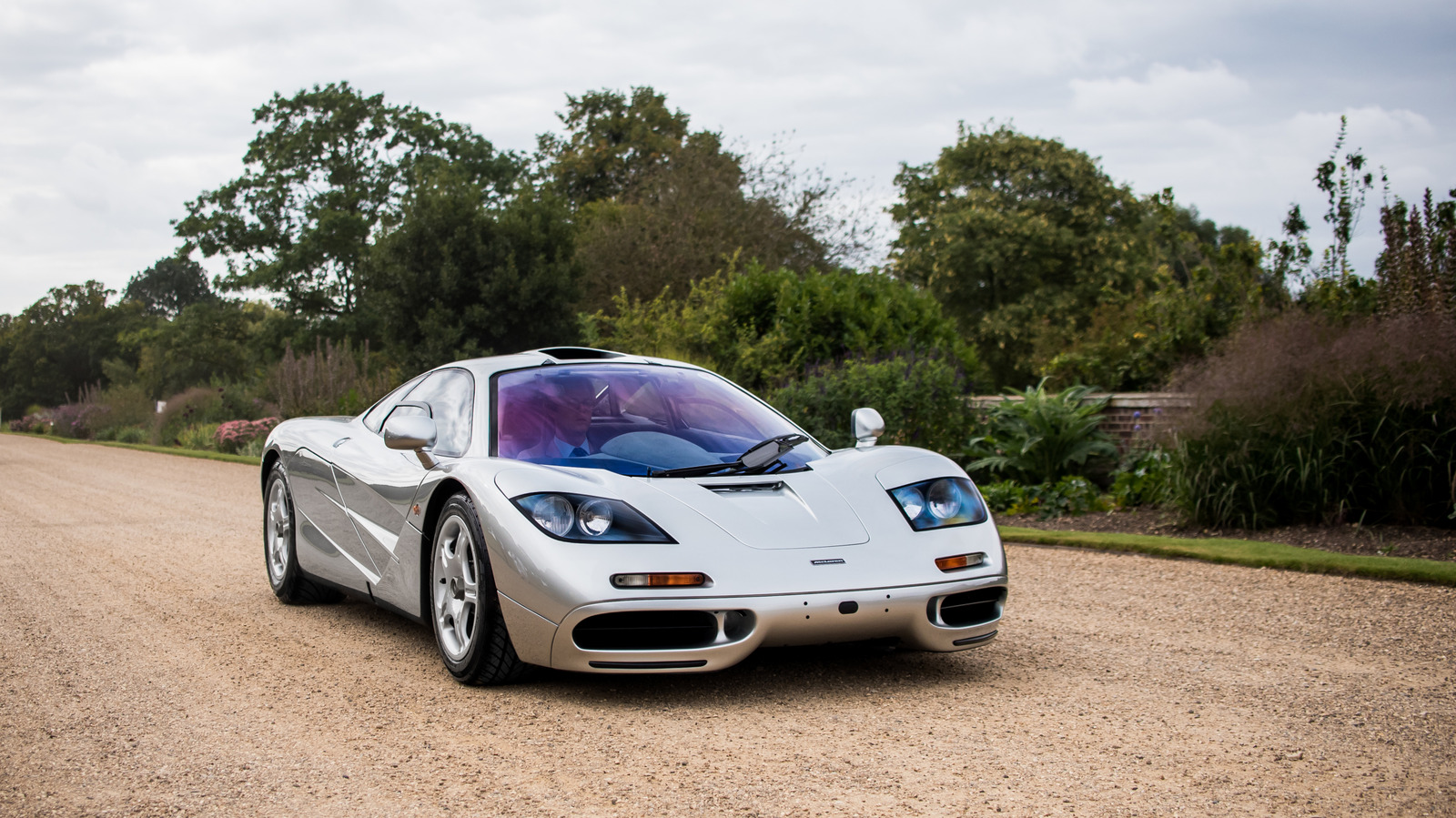
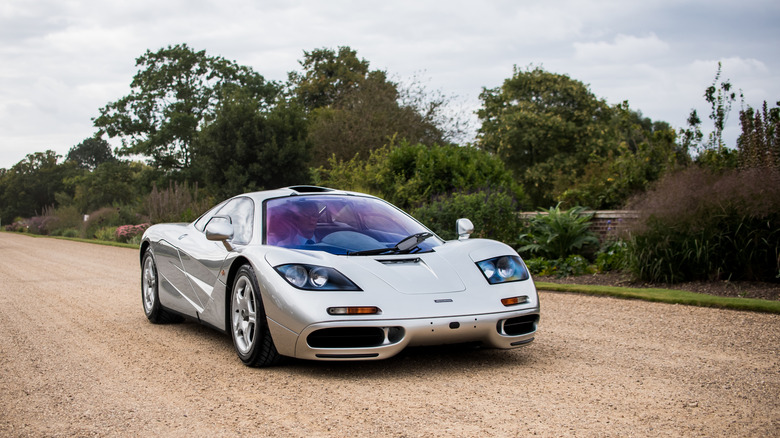
The evolution of automotive desire is a documented phenomenon that mirrors the psychological and financial trajectory of the human experience. In a comprehensive survey of automotive enthusiasts conducted by Jalopnik, a distinct pattern emerged regarding how "dream cars" transform as owners transition from the idealism of youth to the pragmatism of middle and late adulthood. While the teenage years are typically defined by a fascination with raw power, auditory excess, and "poster cars" like the McLaren F1 or Ferrari F40, the aging enthusiast often pivots toward nuanced metrics such as driving dynamics, long-term reliability, and ergonomic comfort. This shift is not merely a byproduct of declining adrenaline but is deeply rooted in changing economic realities, family obligations, and a refined understanding of mechanical engineering.
The Psychological Trajectory of Automotive Aspiration
For many, the initial spark of car enthusiasm begins with visual and auditory stimulation. In the adolescent phase, the "dream car" is often a superlative—the fastest, the loudest, or the most expensive. Data suggests that the cultural icons of an enthusiast’s youth, such as the 1960s muscle cars or the 1990s Japanese domestic market (JDM) legends, remain fixed in the subconscious as the gold standard of "cool." However, as drivers accumulate miles and years of maintenance receipts, the definition of a dream car undergoes a rigorous filtering process.
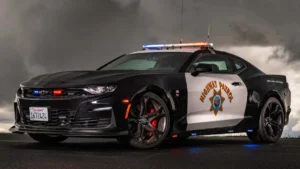
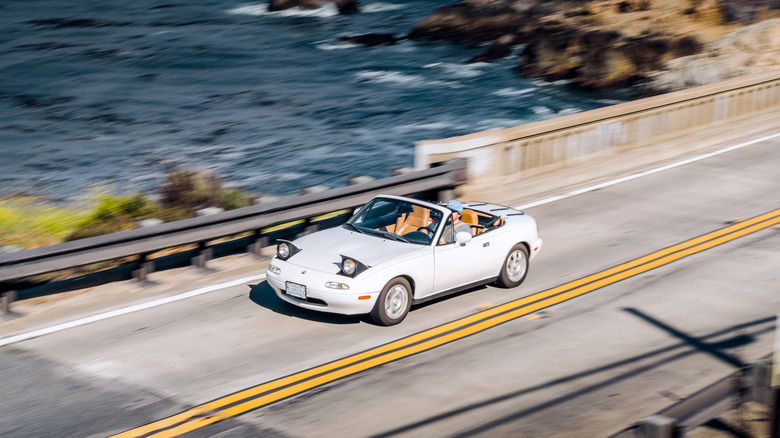
The survey responses indicate that the "attainable dream car" has gained significant traction. This category represents vehicles that offer a high "smiles-per-mile" ratio without the crippling overhead of exotic car ownership. The Mazda MX-5 Miata serves as the primary example of this shift. Enthusiasts who once coveted V8-powered Camaros often find themselves gravitating toward the lightweight, balanced handling of a roadster. This transition represents a move away from "brute force" performance toward "tactile" performance—where the joy of driving is found in the corners rather than the drag strip.
Economic Realities and the "Parts Cannon" Effect
A significant factor in the changing nature of automotive dreams is the widening gap between stagnant wages and the skyrocketing costs of vintage and exotic car ownership. Respondents noted that while a 1968 Hemi Dart or a Ferrari 308 might have once seemed like a goal within reach of a middle-class professional, inflation and the "collector car bubble" have pushed these icons into the realm of high-net-worth investments.
Beyond the initial purchase price, the "cost of ownership" becomes a primary deterrent for older enthusiasts. The term "shooting the parts cannon"—referring to the endless cycle of expensive repairs required to keep a classic car on the road—was cited as a reason for shifting dreams toward modern reliability. For the veteran enthusiast, the dream is no longer just owning a beautiful machine, but owning one that starts every morning without fail. This has led to a surge in interest for "restomods" (classic cars updated with modern engines and electronics) or high-quality Japanese luxury vehicles like the Lexus LS series, which offer a "10 out of 10" reliability rating.
The Pragmatic Pivot: From Supercars to "Sick Wagons"
The introduction of domestic responsibilities, such as raising a family, necessitates a reevaluation of automotive utility. A two-seat supercar like the Ford GT is functionally incompatible with the daily requirements of a parent. Consequently, the "dream" often evolves into high-performance utility vehicles. The "sick wagon" or "muscle wagon"—exemplified by the Audi RS6 Avant or the Cadillac CT5-V Blackwing—represents a compromise where performance is not sacrificed for practicality.
This pragmatic shift is also reflected in the "hot hatch" segment. Drivers who have owned high-horsepower vehicles, such as the BMW M-series or Mercedes-AMG models, reported a surprising return to smaller, more nimble cars like the Ford Fiesta ST. The consensus among these seasoned drivers is that "driving a slow car fast is more fun than driving a fast car slow." The ability to use 100% of a car’s potential on public roads without risking a felony speeding charge becomes a more attractive proposition than owning a 700-horsepower behemoth that is permanently restrained by traffic and speed limits.
The Disillusionment Phase: Meeting Your Heroes
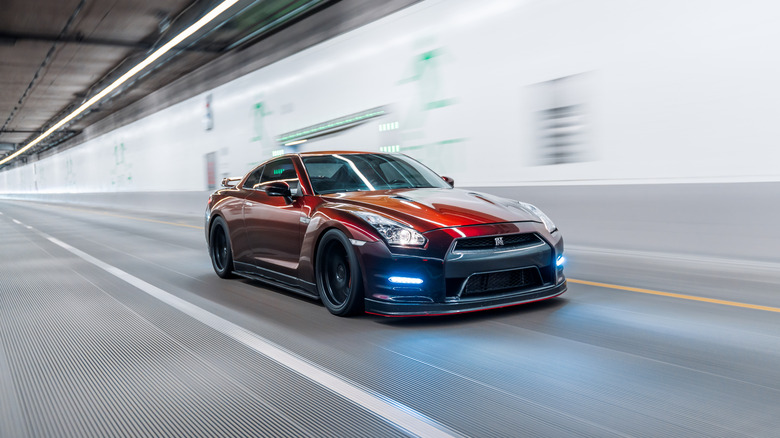
A recurring theme in the evolution of car tastes is the disillusionment that occurs when an enthusiast finally drives their childhood dream. The Nissan R35 GT-R, for instance, was a revolutionary vehicle upon its release, often described as a "PlayStation on wheels" for its advanced all-wheel-drive systems and digital interfaces. However, some respondents who eventually acquired or tested the GT-R reported a lack of "passion" or "soul," comparing the experience to using a high-end software application rather than operating a mechanical device.
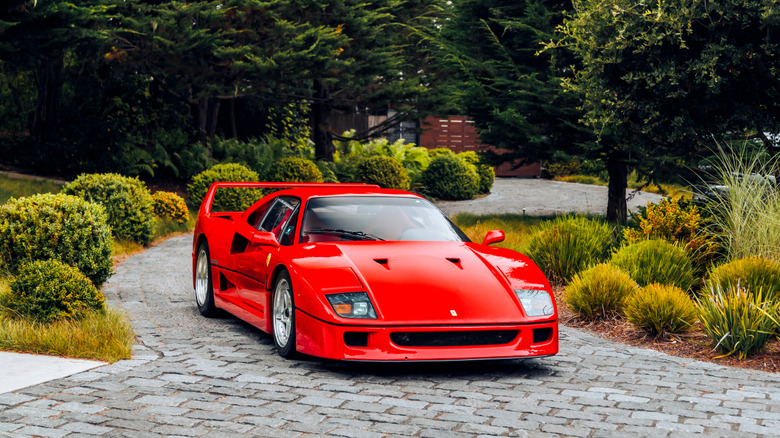
Similarly, the Ferrari F40, while remaining an aesthetic icon, is often described by those who have sat in one as cramped, ergonomically challenging, and physically demanding. For the older driver, the realization that a dream car is uncomfortable or "terrifying" to drive can lead to a total recalibration of their desires. This phenomenon has led to a "No Dream" category of enthusiasts—those who have realized that the fantasy of ownership is often superior to the reality, leading them to prefer rentals or short-term experiences over the burden of a permanent collection.
The Comfort and Reliability Renaissance
As drivers reach their 50s and 60s, the physical toll of driving becomes a factor. Low-slung sports cars with stiff suspensions and heavy clutches lose their appeal in favor of vehicles that prioritize NVH (noise, vibration, and harshness) reduction. The "Luxury/Comfort" dream car is a significant demographic trend. The Lexus LS400 and its successors are frequently cited as the pinnacle of this evolution. Originally a "billion-dollar project" by Toyota to out-engineer Mercedes-Benz, the LS series represents a dream defined by silence, smoothness, and the absence of mechanical anxiety.
In a surprising twist, the modern minivan has also entered the "dream car" conversation for some. The Toyota Sienna, particularly in its hybrid AWD configuration, represents the ultimate "utility dream" for those who value space, efficiency, and ease of use. This suggests that for a segment of the population, the "dream" eventually shifts from how the world sees the driver to how the driver experiences the world.
Broader Implications: Climate, Class, and Technology
The evolution of automotive dreams does not happen in a vacuum; it is influenced by broader societal shifts. Several respondents highlighted "class consciousness" and the "climate disaster" as factors that have tempered their enthusiasm for traditional internal combustion engines. The "app-ification" of the modern automobile—where vehicles are increasingly defined by their software and touchscreens rather than their mechanical linkages—has created a sense of nostalgia for "analog" cars.
This has resulted in a bifurcation of the hobby:
- The Analog Purists: Those who seek out pre-computer-era cars (like the 1963 Beetle) for their simplicity and tactile feedback.
- The Tech-Realists: Those who embrace modern EVs and hybrids for their efficiency and daily-driver capabilities but acknowledge a loss of emotional connection.
The "dream" is increasingly becoming about "driving feel" rather than "performance numbers." In an era where a base-model Tesla can out-accelerate most 1990s supercars, the metric of 0-60 mph has lost its luster. Enthusiasts are instead looking for engagement—the weight of the steering, the click of a manual shifter, and the feedback through the seat.
Conclusion: The Maturity of the Enthusiast
The data gathered from long-term car enthusiasts suggests that the aging process does not diminish the passion for automobiles; it merely refines it. The transition from wanting a car that "everyone else loves" to a car that "you personally enjoy" is the hallmark of the mature enthusiast. Whether it is a perfectly maintained Volvo 780 Bertone, a nimble Miata, or a whisper-quiet Lexus, the evolution of the dream car is a journey toward self-discovery.
Ultimately, the "dream car" is a moving target. It reflects the driver’s current station in life, their financial wisdom, and their hard-earned knowledge of what truly makes a vehicle rewarding to own. While the posters on the wall may change from red Ferraris to silver wagons or reliable Japanese sedans, the underlying desire for a machine that provides a sense of freedom and satisfaction remains the constant heartbeat of the automotive community. As one respondent aptly summarized: "Cut your price point in half, look again, and find the car that makes you want to take the long way home."