Have A Road Trip Rule About Not Picking Up Hitchhikers? Statistics Show They’re The Ones In Danger

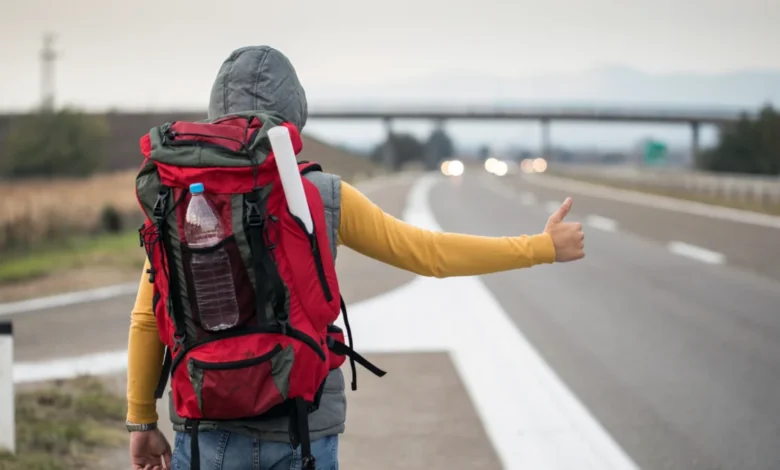
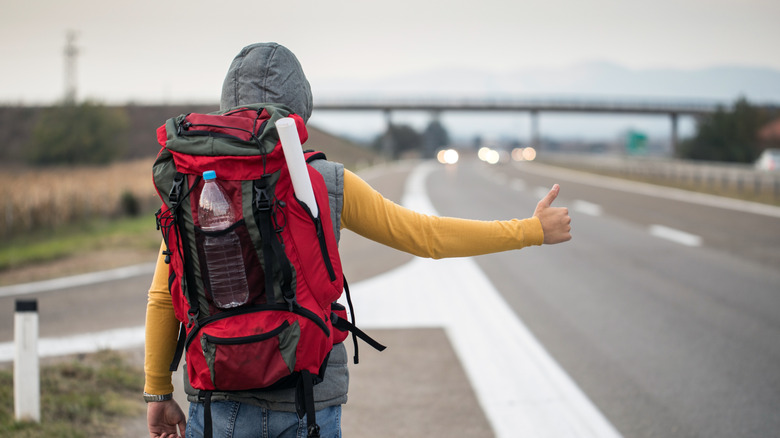
For decades, the image of the hitchhiker has been synonymous with the American gothic—a shadowy figure standing on a desolate shoulder, potentially concealing a weapon or a dark past. This cultural trope, fueled by Hollywood slashers and urban legends, has dictated road trip etiquette for generations, leading millions of drivers to instinctively lock their doors at the sight of a raised thumb. However, contemporary criminological data and recent academic inquiries suggest that this fear is largely misplaced. According to a landmark study released in 2025, the actual danger on the road is inverted: it is the hitchhiker, not the driver, who faces the greatest risk of violence, exploitation, and homicide.
The study, titled "Lost Highways: An Examination of the Question of Risk Involved in Sexual Homicides of Hitchhiking Victims," provides a sobering look at the reality of roadside solicitation. Utilizing data from the Sexual Homicide International Database (SHIelD), researchers analyzed decades of interactions between transient travelers and motorists. Their findings indicate that hitchhikers are disproportionately victims of violence, particularly sexual assault and opportunistic theft, precisely because of the inherent power imbalance that occurs the moment a passenger enters a stranger’s vehicle.
The Asymmetry of Power: Why Hitchhikers Are Targets
The fundamental vulnerability of the hitchhiker stems from a total loss of agency. Once an individual enters a vehicle, they are effectively in a confined space controlled entirely by the driver. The driver determines the speed, the route, and the points of egress. For a predator, a hitchhiker represents a "low-risk" target—someone who is often alone, potentially lacks a support network in the immediate area, and is seeking a service (transportation) that requires a high degree of immediate trust.
The 2025 study highlights that offenders often view hitchhikers as opportunities for "confinement without physical restraint." Because the vehicle itself acts as a mobile prison, perpetrators can isolate victims far from witnesses or help without needing to use initial force. The bivariate and multivariate statistical analysis used in the SHIelD study confirms that hitchhiking victims are frequently targeted for sexual acts and theft, with the driver utilizing the isolation of the highway to facilitate the crime.
This power dynamic is often ignored in popular discourse, which tends to focus on the "threat" the stranger poses to the "innocent" driver. In reality, the driver is shielded by a ton of steel and glass, maintains control of the ignition, and has the ability to vet the passenger before stopping. The hitchhiker, conversely, has no way of vetting the driver’s intentions until they are already inside the car and moving at highway speeds.
A Chronology of the Decline: From Necessity to Taboo
The history of hitchhiking in the 20th century tracks a shift from a common mode of transit to a symbol of danger. During the Great Depression, "thumbing a ride" was a necessity for displaced workers and migrant laborers. It was viewed as a communal act of survival. This continued through World War II, where hitchhiking was seen as a patriotic way to conserve fuel and rubber, often encouraged by the government for servicemen.
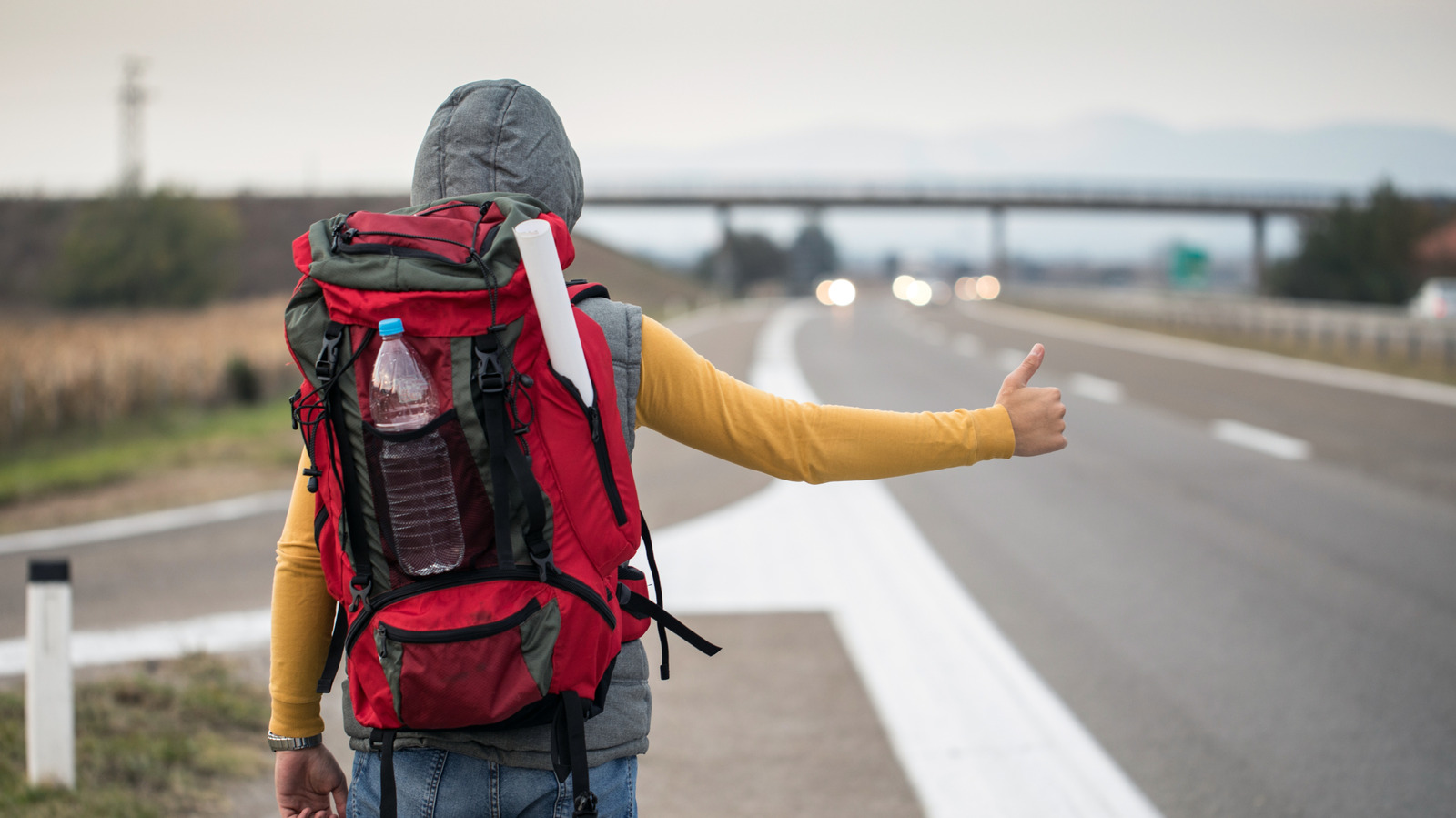
The 1960s and early 1970s marked the peak of hitchhiking culture, as the "Hippie Trail" saw thousands of young people traversing the country with little more than a backpack. However, this era also saw the rise of high-profile serial killers who exploited the practice. The "Co-ed Killer" Edmund Kemper in California and the "Highway of Tears" cases in British Columbia, Canada, began to shift the public consciousness.
By the late 1970s and early 1980s, the "stranger danger" phenomenon took hold. Law enforcement agencies began discouraged hitchhiking, not necessarily to protect the hitchhiker, but to prevent crime in general. This was the era that birthed films like The Hitcher (1986), which cemented the image of the psychopathic passenger in the American psyche. As cellular technology emerged in the 1990s and ridesharing apps like Uber and Lyft took over in the 2010s, traditional hitchhiking nearly vanished, leaving only the most desperate or the most adventurous on the roadside.
Analyzing the Data: Myth vs. Reality
While modern data is often sparse due to the decrease in hitchhiking frequency, the available statistics from the late 20th century and the 2025 SHIelD report tell a consistent story. A 1974 study by the California Highway Patrol (CHP) is often cited as one of the few comprehensive government looks at the issue. It found that hitchhikers were involved in a very small percentage of total crimes, and in the vast majority of cases involving hitchhikers, they were the victims.
The 2025 SHIelD data reinforces this, showing that in cases of sexual homicide involving hitchhikers, the perpetrator was almost exclusively the driver. The study notes that the "marauding hitchhiker" is a statistical anomaly. Most crimes committed by hitchhikers against drivers involve petty theft or non-violent disputes over directions or payment. In contrast, crimes committed by drivers against hitchhikers are significantly more likely to involve kidnapping, aggravated assault, and murder.
Furthermore, the demographic of the modern hitchhiker has shifted. While it once included students and travelers, it now frequently consists of individuals from marginalized backgrounds—those who cannot afford a car, do not have access to public transit, or are fleeing domestic situations. This demographic shift makes the hitchhiker even more vulnerable to exploitation, as they are less likely to be reported missing or to have their cases prioritized by law enforcement.
The Role of Pop Culture and the Availability Heuristic
The disconnect between the statistical reality and public perception can be attributed to the "availability heuristic"—a mental shortcut that relies on immediate examples that come to mind when evaluating a specific topic. Because horror movies and sensationalist news reports focus on the "killer hitchhiker," the human brain perceives this as a common threat, despite its rarity.
Psychologists note that the fear of the stranger in the car is a manifestation of a broader societal anxiety regarding the breakdown of community trust. In a world where we are increasingly isolated, the act of picking up a stranger feels like an unnecessary risk. However, the data suggests that our "road trip rules" are based on a fantasy of victimhood rather than the reality of it. By refusing to pick up hitchhikers, drivers are not necessarily protecting themselves from a threat; they are often simply ignoring a person in a state of extreme vulnerability.
Legal Implications and Modern Alternatives
The legal status of hitchhiking remains a patchwork of regulations. In many U.S. states, hitchhiking is not strictly illegal, but "soliciting a ride while standing in the roadway" is prohibited under the Uniform Vehicle Code. This allows law enforcement to move hitchhikers along under the guise of traffic safety, further marginalizing them and pushing them into more secluded, and thus more dangerous, areas to seek rides.
The rise of "digital hitchhiking"—platforms like BlaBlaCar in Europe or various Facebook groups in the U.S.—has attempted to mitigate the danger by adding a layer of verification. These services require profiles, reviews, and digital footprints, which theoretically protects both parties. However, for those without smartphones or bank accounts, traditional hitchhiking remains the only option, leaving the most vulnerable members of society at the mercy of whoever happens to pull over.
Implications for Public Safety and Community
The 2025 study concludes with a call for a reassessment of how we view roadside assistance. If the goal of public safety is to reduce the overall rate of violent crime, the focus should shift from fearing the hitchhiker to monitoring the predatory behaviors of those who frequent highways looking for victims.
For the average driver, the takeaway is a challenging one. While no one is obligated to pick up a stranger, the prevailing "rule" that hitchhikers are dangerous is not supported by facts. In fact, if a driver is a well-intentioned person, they are statistically the "safest" person a hitchhiker could encounter. By refusing to provide a ride, the well-intentioned driver leaves the hitchhiker on the shoulder, where the next person to stop might be one of the predators identified in the SHIelD database.
Ultimately, the decline of hitchhiking is a symptom of a larger loss of social cohesion. The fear that has replaced it is a powerful, yet statistically unfounded, barrier that protects the driver from a phantom threat while leaving the actual victim—the person with their thumb out—in the path of real danger. As the 2025 data suggests, the highway is indeed a dangerous place, but the threat is coming from the driver’s seat, not the shoulder.