The Return of the Dial Why Physical Controls Are Becoming the New Luxury in Automotive Design

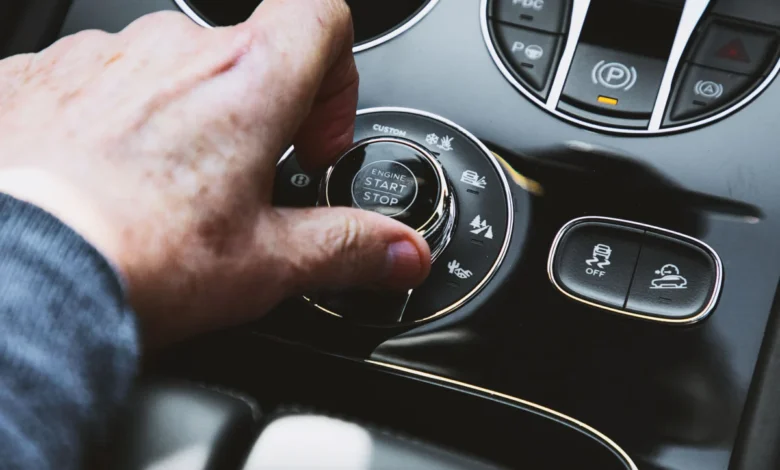
The automotive industry is currently navigating a significant philosophical pivot as manufacturers begin to reconsider the dominance of touchscreens in vehicle interiors. For over a decade, the trend toward expansive glass panels and minimalist, button-free dashboards was viewed as the pinnacle of modern luxury and technological sophistication. However, a growing chorus of designers, safety experts, and industry executives now suggests that the pendulum is swinging back toward physical, tactile switchgear. According to leading design firms and recent market shifts, high-quality physical controls are poised to become a primary way for premium car brands to differentiate themselves in an increasingly digital landscape.
Luke Miles, the founder of NewTerritory—a design firm that has transitioned from high-stakes aviation interiors to automotive consultancy—suggests that the industry is reaching a saturation point with screen-based interfaces. Speaking on the evolution of cabin design, Miles characterized the over-reliance on screens as a potentially "lazy intervention" if not executed with extreme care. As screens become a commodity found in everything from budget hatchbacks to flagship electric sedans, the true mark of luxury is shifting toward the "analogue bits"—the beautifully engineered, tactile points of interaction that a driver touches and feels.
The Design Philosophy of "Human Moments"
NewTerritory’s entry into the automotive sector, with a client list that includes industry titans like Ford and Mercedes-Benz, brings a unique perspective shaped by aviation. Miles, who previously led design for LG Europe and Virgin Atlantic, argues that the automotive world can learn from the cockpit and cabin environments of airlines like Delta. In aviation, every interaction is scrutinized for ergonomics, safety, and sensory feedback.
Miles posits that the future of automotive luxury lies in "positive friction." While the tech industry has spent years trying to remove friction from digital interfaces, Miles believes that in a car, friction is essential. It provides the "human moments" that foster a deeper connection between the driver and the machine. This connection is built through the mechanical click of a rotary dial, the resistance of a knurled metallic toggle, or the weighted movement of a physical vent controller. These elements signal to the user that the vehicle has been "beautifully assembled," offering a sense of permanence and craftsmanship that a flat pixels-on-glass interface cannot replicate.
The design firm envisions a "foreground and background" approach to technology. In this model, background technology—such as voice recognition, ambient illumination, and gesture control—handles the heavy lifting of complex tasks. This allows the foreground to be reserved for "beautifully crafted moments of interaction," where digital capabilities might be subtly embedded within physical objects, creating a hybrid "phygital" experience.
The Safety Mandate: Data Driving the Change
The shift back to physical buttons is not merely a matter of aesthetic preference; it is increasingly driven by safety data and impending regulatory pressure. For years, safety advocates have warned that touchscreens force drivers to take their eyes off the road for longer periods compared to physical buttons, which can be operated by muscle memory and tactile feel.
A landmark study conducted by the Swedish automotive magazine Vi Bilägare in 2022 highlighted this discrepancy. The study compared the time taken to perform four common tasks—adjusting the radio, setting the climate control, and resetting the trip computer—across eleven modern vehicles with touchscreens and one 17-year-old Volvo V70 equipped with physical buttons. The results were stark: the driver of the 2005 Volvo completed all tasks in just 10 seconds while traveling at 110 km/h. In contrast, some modern electric vehicles required nearly 45 seconds to complete the same tasks, during which the car traveled over a kilometer with the driver’s attention diverted.
In response to such data, the European New Car Assessment Programme (Euro NCAP) has announced significant changes to its safety rating protocols. Starting in 2026, Euro NCAP will begin penalizing manufacturers that do not provide physical controls for critical functions, such as turn signals, hazard lights, windshield wipers, and emergency calls. To achieve a coveted five-star safety rating, brands will be forced to move away from burying essential functions deep within touchscreen menus.
The Volkswagen Reversal: A Case Study in Brand Recovery
The most prominent example of an automaker publicly retreating from an all-digital strategy is Volkswagen. Under previous leadership, the German giant moved toward touch-capacitive sliders and haptic steering wheel buttons in its ID. series and the eighth-generation Golf. The move was widely criticized by customers and journalists for being unintuitive, difficult to use at night (due to unlit sliders), and prone to accidental activations.
Volkswagen Brand Chief Thomas Schäfer has since been vocal about the "damage" this design direction caused to the brand’s reputation for ergonomics. In a rare admission for a high-ranking executive, Schäfer noted that the shift frustrated loyal customers and felt like a step backward in usability.
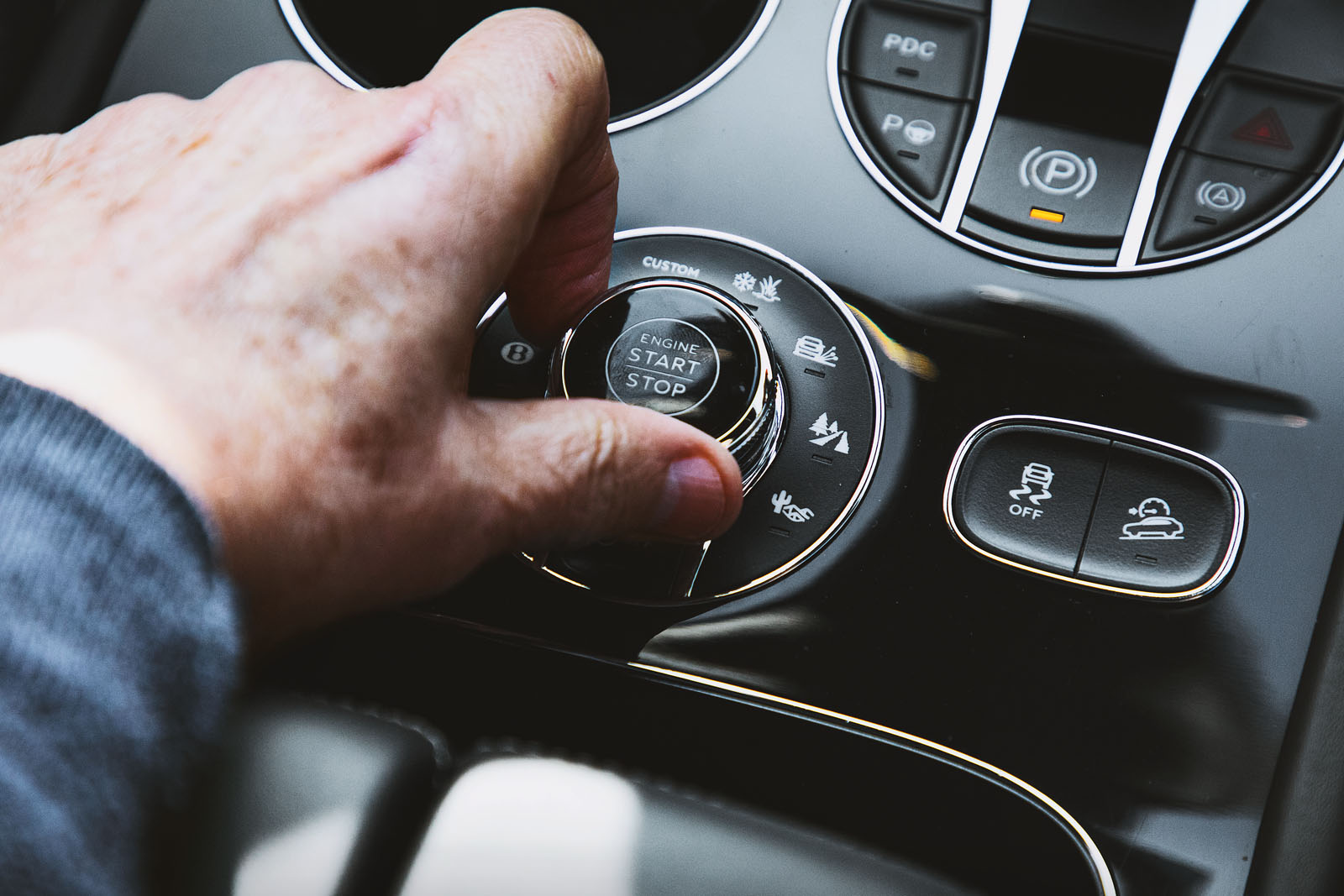
As part of a massive "premium haptic" overhaul, Volkswagen is reintroducing physical buttons and rotary controllers. This new philosophy is already visible in the updated ID.3 and the concept designs for the ID.2all and ID. Polo. The revised interiors feature backlit physical sliders and a returned focus on tactile switchgear on the steering wheel, signaling a broader industry acknowledgment that digital-only interfaces are not a universal solution for vehicle control.
The Economics of the Dashboard: Cost vs. Craftsmanship
One of the unspoken drivers of the screen revolution was cost. While high-resolution displays look expensive, they are often cheaper for manufacturers than a complex array of bespoke physical buttons, wiring looms, and mechanical switches. A single screen can control hundreds of functions, and its interface can be updated or localized for different markets via software, whereas physical tooling for buttons requires significant capital investment.
However, as Luke Miles points out, this cost-saving measure is now being perceived as a "lazy" design choice in the premium segment. As mass-market vehicles adopt large screens, luxury brands must find new ways to justify their price premiums. The return to high-quality materials—cold-to-the-touch aluminum, weighted dials, and precision-engineered haptics—is becoming the new benchmark for "high-value bits."
Technological Synergy: The Role of Voice and Gesture
The resurgence of physical controls does not mean the death of the screen, but rather a resizing and repositioning. Miles suggests that as voice-activated AI and gesture controls become more sophisticated and reliable, the need for a massive central command screen diminishes.
"You don’t necessarily need it [the screen] at all," Miles noted, suggesting that screens could shrink or even disappear into the dashboard when not in use. In this future, voice control acts as the primary interface for non-essential or complex tasks (such as searching for a specific restaurant or navigating to a new address), while physical buttons remain the gold standard for immediate, high-frequency tasks like volume adjustment, temperature control, and driving modes.
This synergy allows for a "cleaner" interior aesthetic that doesn’t rely on a "black slab" of glass to communicate modernity. Instead, the cabin becomes a living space where technology is hidden until needed, and the points of contact are designed to be a sensory delight.
Chronology of the Interior Interface Evolution
To understand where the industry is going, it is helpful to look at the timeline of how the dashboard evolved:
- The Analogue Era (Pre-2010): Vehicles are defined by a high density of physical buttons. Luxury is measured by the "weight" and "click" of the switchgear.
- The Tesla Disruption (2012): The launch of the Model S introduces a 17-inch vertical touchscreen, consolidating almost all vehicle functions into a digital interface. This sets off an "arms race" among global manufacturers to increase screen real estate.
- The Peak Screen Era (2018–2022): Brands like Mercedes-Benz introduce "Hyperscreens" that span the entire width of the dashboard. Touch-capacitive buttons replace physical toggles on steering wheels and center consoles across the industry.
- The Backlash (2023): Consumer frustration peaks. Major reviews and reliability surveys (such as J.D. Power) show a decline in "initial quality" scores linked directly to infotainment frustration.
- The Physical Renaissance (2024 and Beyond): Manufacturers like VW, Aston Martin, and Porsche begin reintroducing physical buttons. Euro NCAP announces the 2026 mandate for physical controls.
Broader Implications and Industry Impact
The shift back to tactility represents a broader trend in consumer technology often referred to as "digital detox" or "intentional tech." Just as high-end mechanical watches have maintained their value in the age of the smartwatch, and vinyl records have seen a resurgence in the age of streaming, the "analogue bits" of a car provide a sense of permanence and mechanical honesty in a world of ephemeral software.
For car brands, this shift is an opportunity to reclaim their unique identities. When every car interior is dominated by the same 15-inch rectangular screen running similar-looking software, brand distinction disappears. By investing in "positive friction" and bespoke physical interfaces, manufacturers can create a signature "feel" that is unique to their brand—much like the distinctive click of a Leica camera or the tactile response of a high-end hi-fi system.
In conclusion, the future of automotive design appears to be moving toward a more balanced, "human-centric" approach. While screens will remain a vital part of the modern vehicle for navigation and entertainment, the era of the "lazy intervention" is drawing to a close. The next generation of luxury vehicles will likely be defined not by how many pixels they contain, but by the beauty and precision of the buttons they have chosen to keep.