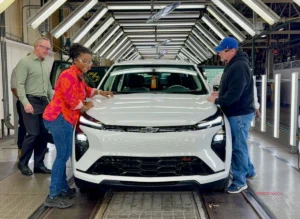
General Motors has signaled a definitive commitment to its manufacturing footprint in South Korea, choosing to absorb billions of dollars in tariff costs rather than repatriating the production of several high-volume crossover models to the United States. Despite a challenging trade environment characterized by a 15 percent import tariff on South Korean-made vehicles, the Detroit-based automaker is moving forward with an additional $600 million investment in its Korean assembly operations. This decision highlights a complex economic reality in the modern automotive industry: the costs of established supply chains and lower labor rates often outweigh the financial penalties of protectionist trade policies.
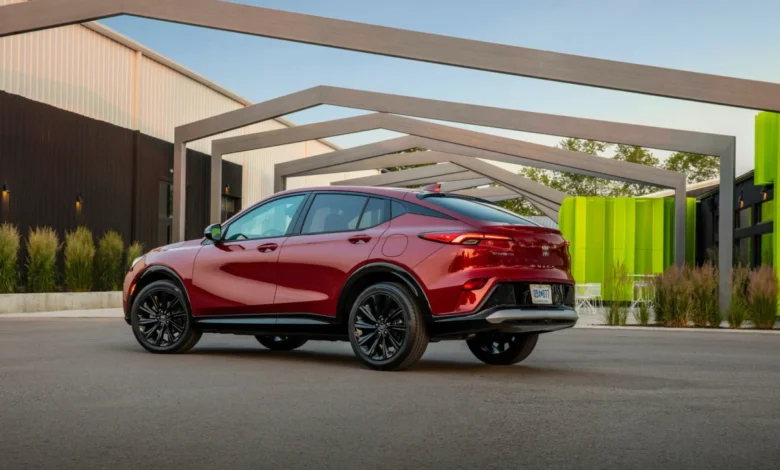
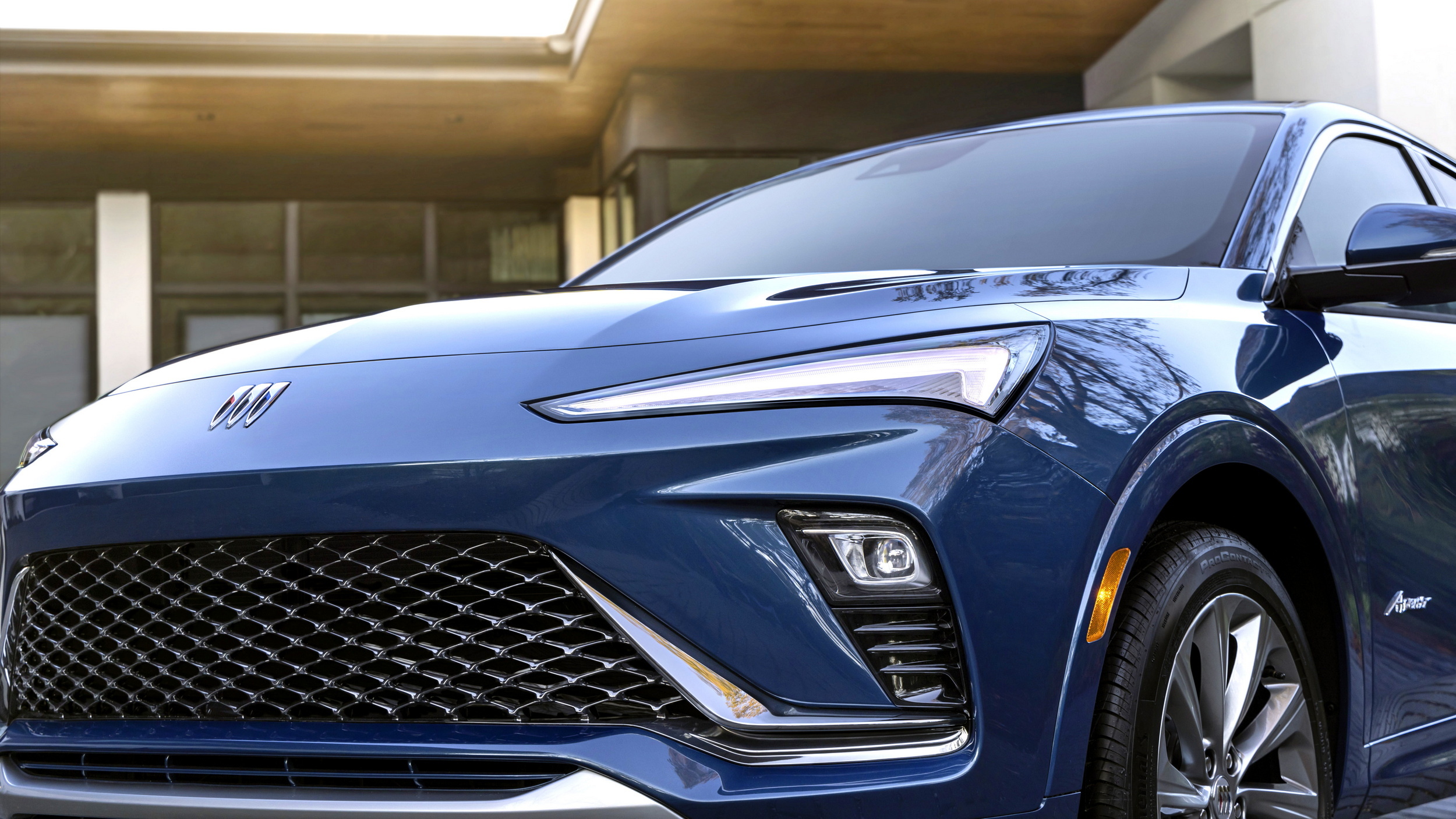
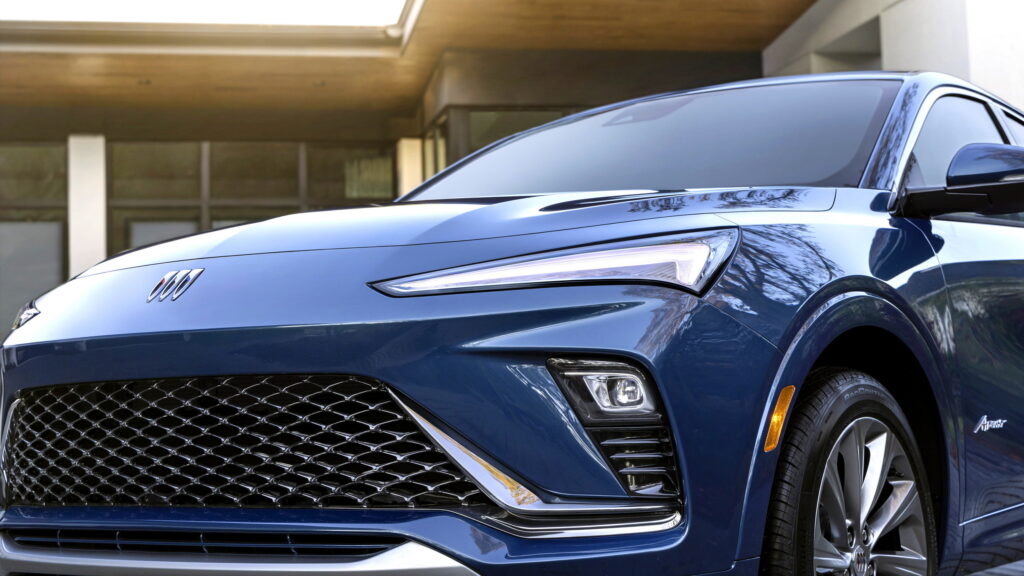
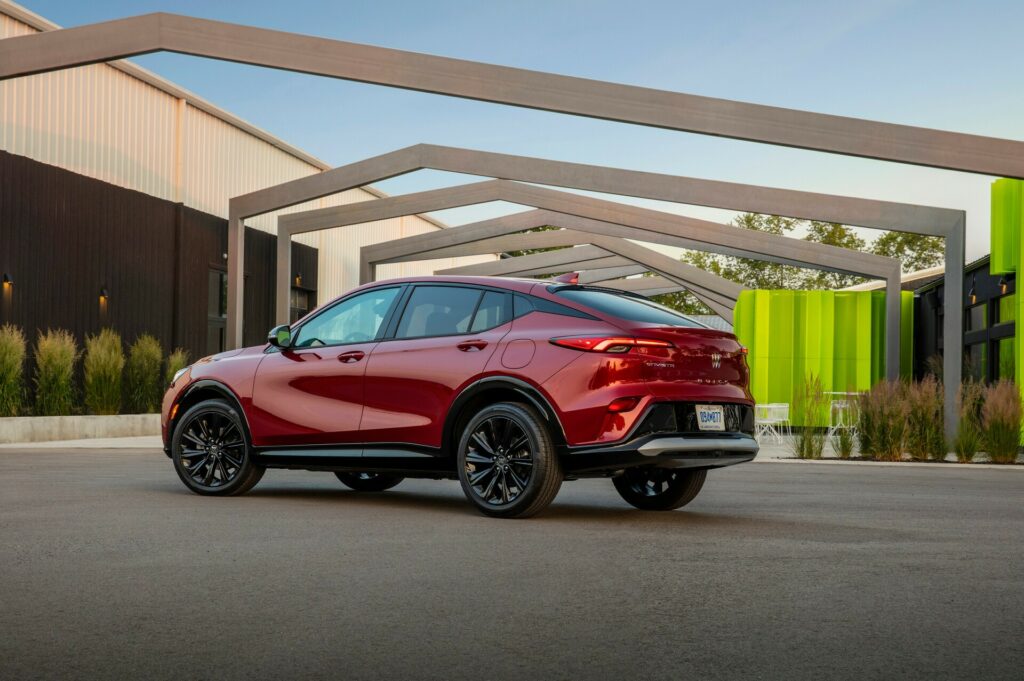
The investment is designed to maximize the efficiency and output of GM’s Korean facilities, which serve as the global production hub for some of the company’s most successful entry-level and near-luxury products. Currently, these plants produce the Chevrolet Trax and Trailblazer, alongside the Buick Envista and Encore GX. These models represent a critical segment of GM’s North American portfolio, catering to price-sensitive consumers and providing a gateway into the Buick and Chevrolet brands. By boosting production capacity to approximately 500,000 units annually, GM is doubling down on a strategy that prioritizes existing infrastructure over the logistical and financial upheaval of domestic relocation.
The Economic Calculus: Tariffs vs. Reshoring
The primary driver behind GM’s decision is a stark comparison of per-unit costs. Internal estimates and industry analyses suggest that the 15 percent tariff adds roughly $2,000 to the cost of every vehicle imported from South Korea. For a high-volume operation exporting approximately 460,000 vehicles a year to the U.S., this results in a staggering annual tax bill. GM has publicly stated it expects these tariffs to cost the company between $3 billion and $4 billion in the current fiscal year alone.
However, the alternative—building these vehicles in the United States—presents an even more daunting financial hurdle. According to data from S&P Global Mobility, moving production of these specific models to U.S. soil would likely add $3,000 to the manufacturing cost of each vehicle. This $1,000 premium over the tariff cost is driven by several factors, including higher domestic labor rates, the necessity of building new supply chains, and the massive capital expenditure required to commission new assembly lines or repurpose existing ones.
Furthermore, the "sunken cost" of the Korean operations cannot be ignored. GM has spent decades cultivating a localized supplier base in South Korea that provides high-quality components at a fraction of the cost of North American alternatives. Replicating this ecosystem in the U.S. would require billions of dollars in upfront investment and years of logistical coordination. For models like the Chevrolet Trax, which starts at an aggressive price point under $22,000, a $3,000 increase in production costs could effectively erase the vehicle’s profit margin or force a price hike that would alienate its core demographic.
Labor Dynamics and the Wage Gap
A significant portion of the cost disparity stems from the difference in labor expenses between the two regions. In the United States, the automotive labor landscape has shifted dramatically following the recent landmark contracts negotiated by the United Auto Workers (UAW). Most workers at U.S. assembly plants now earn between $30 and $40 an hour in base wages, with total compensation packages including benefits often reaching or exceeding $60 an hour.
In contrast, GM’s South Korean workforce, which totals approximately 12,000 employees across three factories, earns significantly less. Average hourly wages in the Korean automotive sector typically range between $20 and $30. While South Korean labor unions are historically active and have secured steady wage increases, the gap remains wide enough to provide GM with a substantial competitive advantage in manufacturing low-margin, high-volume "small" SUVs. By maintaining production in Korea, GM leverages a skilled workforce that is intimately familiar with the specific platforms used for the Trax and Envista, avoiding the "learning curve" costs associated with training a new domestic workforce.

The Political Gamble and Timeline of Uncertainty
Industry analysts, including Henner Lehne of S&P Global Mobility, point out that the timeline for automotive manufacturing is inherently at odds with the volatility of political cycles. Establishing a new assembly plant or significantly overhauling an existing one typically requires a lead time of two to four years. This creates a strategic dilemma for corporate planners: by the time a new U.S. facility is operational, the political landscape that necessitated its construction may have shifted.
The current 15 percent tariff is a product of specific trade policies that could be subject to change following the 2028 U.S. presidential election. If a future administration were to revert to previous trade agreements or negotiate new exemptions for South Korean imports—a key geopolitical ally—the multi-billion dollar investment in a U.S. plant would become a massive financial liability. GM appears to be betting that it is more prudent to pay the "rent" of tariffs in the short term than to buy into a permanent domestic manufacturing solution that may not be necessary in five years.
A History of GM in South Korea
GM’s relationship with South Korea is rooted in its 2002 acquisition of the bankrupt Daewoo Motor. Over the last two decades, GM Korea has evolved from a troubled subsidiary into a global engineering and manufacturing powerhouse for small vehicles. This transition was not without friction; in 2018, GM shuttered one of its four Korean plants (the Gunsan facility) as part of a global restructuring effort, leading to fears that the automaker might exit the country entirely.
However, the success of the current generation of crossovers has revitalized the subsidiary’s importance. The Buick Envista and Chevrolet Trax, in particular, have received critical acclaim for their design and value, leading to high demand in the North American market. The $600 million investment announced this year follows a previous multi-billion dollar commitment to retool the Bupyeong and Changwon plants, ensuring they remain state-of-the-art facilities capable of meeting global quality standards.
Financial Performance and Market Impact
While the decision to stay in Korea is the "cheaper" option, it is not without pain. The financial toll of the tariffs was clearly visible in GM Korea’s 2025 fiscal reports. The subsidiary reported a 60 percent decline in operating profit and a 12 percent drop in overall revenue, a direct consequence of the 15 percent "tax" on its primary export market.
Despite these headwinds, the volume of exports remains robust. Approximately 90 percent of the vehicles produced in GM’s Korean plants are destined for the United States. In 2025, the company produced 460,000 vehicles in the country, and the new investment aims to push that figure to a full capacity of 500,000 units. This volume is essential for GM to maintain its market share in the crossover segment, where it competes fiercely with Japanese and Korean rivals like Toyota, Honda, Hyundai, and Kia.
Broader Industry Implications
GM’s strategy serves as a case study in the limitations of trade tariffs as a tool for reshoring manufacturing. While the tariffs are intended to incentivize domestic production, the sheer scale of global supply chain integration often makes compliance more expensive than the penalty. For "value" vehicles where price is the primary selling point, the added costs of U.S. production—labor, parts, and logistics—simply do not align with the business model.
Other automakers are watching GM’s move closely. Hyundai and Kia, which also export significant volumes from South Korea to the U.S., have taken a different approach by accelerating the construction of EV-focused plants in Georgia. However, those investments are heavily subsidized by federal tax credits under the Inflation Reduction Act (IRA), a luxury not currently afforded to the internal combustion engine (ICE) models that GM produces in Korea.
Conclusion: The Path Forward
General Motors is navigating a narrow corridor between manufacturing efficiency and political pressure. By choosing to pay $3 billion to $4 billion in annual tariffs, the company is effectively buying flexibility. It maintains its highly efficient Korean production base while avoiding the long-term fixed costs and risks of building new domestic capacity for a segment of the market that may eventually transition to electric power.
As the $600 million investment flows into the Bupyeong and Changwon plants, the message from Detroit is clear: the global supply chain is too deeply entrenched to be moved by a 15 percent levy. For the foreseeable future, the "American" crossover sitting in a suburban driveway is likely to have begun its journey on an assembly line halfway around the world, proving that in the high-stakes world of automotive economics, the cheapest path is often the one already paved, regardless of the tolls along the way.