In the early months of the current year, Brent crude hovered near a manageable $60 per barrel. However, the escalation of hostilities in the Middle East, specifically involving Iran and the critical transit point of the Strait of Hormuz, sent shockwaves through the fossil fuel sector. Prices for diesel, jet fuel, and gasoline surged to record or near-record highs, forcing a rapid recalibration of global logistics and consumer behavior. While Brent has recently dipped back below the $100 threshold, economists warn that this correction is occurring for the wrong reasons. Instead of a "soft landing" facilitated by increased production, the market is entering a phase where the product—oil—has become so prohibitively expensive that consumers are simply forced to stop using it.
The Four Layers of Global Energy Defense
To understand why demand destruction is viewed as a "last resort" in economic terms, one must examine the mechanisms typically used to stabilize oil markets during a supply crunch. Energy analyst Javier Blas has identified four distinct layers of defense that nations and markets employ to mitigate price shocks.
The first layer involves the commercial inventories of private companies. When supply is interrupted, companies draw from their existing stockpiles to maintain operations. The second layer is logistical ingenuity; for example, Gulf states have increasingly sought to bypass the Strait of Hormuz by utilizing pipelines to transport oil to terminals on the Red Sea or the Gulf of Oman. The third layer is the intervention of national governments through the release of Strategic Petroleum Reserves (SPR). In recent months, several major economies, led by the United States, have released millions of barrels from these emergency caches to dampen price volatility.
However, these three layers are finite. Commercial stocks eventually deplete, pipeline capacity is limited, and strategic reserves are meant for short-term emergencies rather than prolonged warfare. When these defenses are exhausted, the market reaches its fourth and final layer: demand destruction. This is the point where the price becomes the primary tool for balancing the market, not by bringing more oil to the consumer, but by making the consumer disappear.
The Economic Mechanics of a Structural Shift
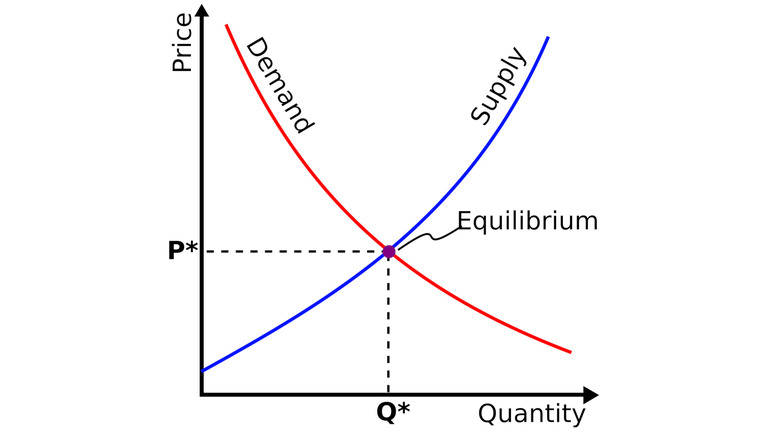
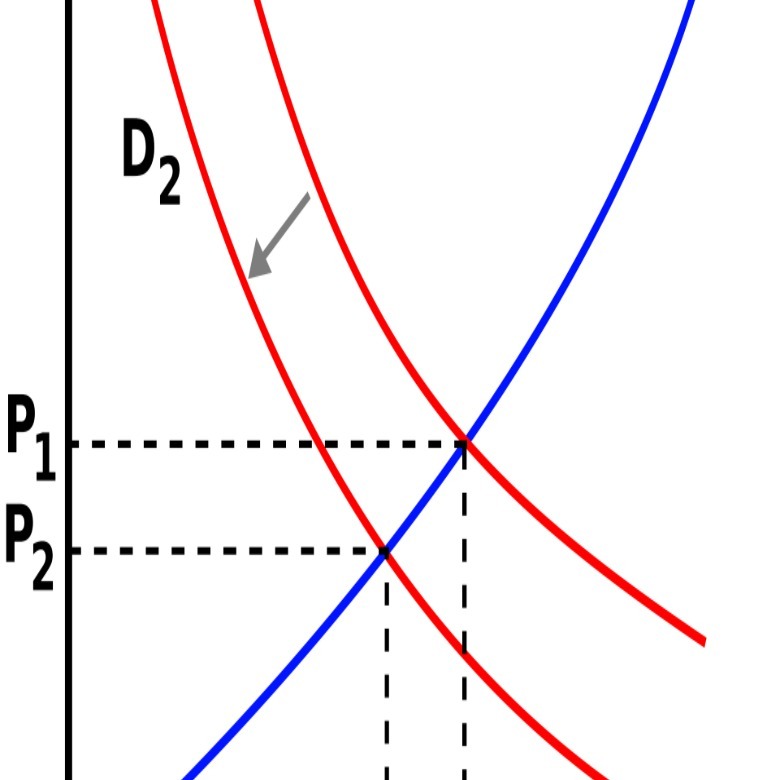
In standard economic theory, the relationship between supply and demand is often viewed as a fluid equilibrium. When supply is constrained, the supply curve shifts, leading to a higher price and a lower quantity demanded. This is a temporary adjustment; once supply returns, the market typically reverts to its previous state.
Demand destruction is fundamentally different. It represents a systemic, structural shift where the demand curve itself moves. This occurs when high prices persist for a duration long enough to force permanent changes in infrastructure, technology, and human behavior. For example, if a commuter finds that gasoline prices are consistently too high to justify a daily drive, they may sell their internal combustion engine (ICE) vehicle and switch to an electric vehicle (EV), or move closer to their place of employment. Even if gasoline prices eventually drop to $2.00 a gallon, that consumer has already made a capital investment in an alternative, and their demand for oil is gone forever.
This phenomenon is currently being observed on a global scale. The International Energy Agency (IEA) noted in its April 2026 report that the world is seeing a "forced" evolution. In the Global South, the impact is immediate and devastating. Countries such as Pakistan, the Philippines, Vietnam, and Thailand have already begun implementing resource-rationing policies. These include mandated reductions in the use of air conditioning and heating, and in some cases, scheduled power outages to preserve fuel for essential industrial use.
The Quantitative Toll of Market Contraction
The scale of demand destruction required to balance the current global deficit is staggering. Market analysts estimate that the global economy may need to "destroy" or eliminate approximately 8 million barrels of oil demand per day to compensate for the loss of Iranian and regional exports. To put this figure into perspective, 8 million barrels per day exceeds the combined daily oil consumption of Germany, France, the United Kingdom, Italy, and Spain.
Achieving such a reduction without a total economic collapse is a monumental challenge. It requires a level of behavioral change rarely seen outside of wartime mobilizations. In developed economies, this could manifest as government-mandated work-from-home orders to eliminate commuting, the lowering of national speed limits to maximize fuel efficiency, and the grounding of non-essential aviation.
Chronology of the Current Crisis
The path to the current state of demand destruction has been marked by several key escalatory milestones:
- Initial Conflict (January): The onset of the Third Gulf War led to an immediate 30% spike in crude prices as insurance premiums for tankers in the Persian Gulf skyrocketed.
- Strategic Releases (February): The U.S. and IEA member nations coordinated a historic release from strategic reserves, which temporarily stabilized Brent crude near $110.
- Refinery Closures (March): High input costs for crude began to outpace the prices consumers could pay for refined products, leading to the closure of several independent refineries in Southeast Asia.
- Policy Shifts (April): Developing nations began implementing "energy austerity" measures, marking the official start of the demand destruction phase.
Impact on Key Industrial Sectors
The ripple effects of demand destruction extend far beyond the gas station. The automotive industry, which has been the backbone of industrial economies for over a century, faces an existential threat. If consumers perceive that high energy costs are permanent, the demand for new vehicles—especially those with traditional engines—plummets. This affects not only manufacturers but also the vast network of parts suppliers and service providers.
The aviation and travel industries are equally vulnerable. Jet fuel is a significant portion of an airline’s operating costs. As prices rise, ticket costs follow, leading to a decline in discretionary travel. This, in turn, impacts the global hospitality and tourism sectors, which rely on the movement of people across borders. The danger is that these industries will not merely suffer a "bad season," but will see a permanent downsizing of their total addressable market.
The Geopolitical Paradox
There is a historical irony in the current crisis. The decision by the Trump administration to engage in military action against Iran was intended, in part, to secure regional interests and assert energy dominance. However, if the result is a permanent global shift away from fossil fuels, the administration may inadvertently become a catalyst for the green energy transition.
If demand destruction leads to an accelerated adoption of electric vehicles and renewable energy grids, it could represent a victory for climate goals. However, this transition is occurring under duress rather than through a planned, stable evolution. A transition born of demand destruction is often synonymous with a recession. When consumers reduce their consumption of oil because they can no longer afford it, they are also reducing their consumption of other goods and services. This contraction in spending is a classic precursor to a global economic downturn.
Conclusion and Outlook
As we move further into the year, the "low" oil prices currently seen on tickers should be viewed with skepticism. They are not a sign of a healthy market returning to normalcy, but rather a symptom of a global economy that is beginning to starve itself of its primary energy source.
The International Energy Agency and other monitoring bodies suggest that the window for a supply-side solution is closing. Unless there is a rapid diplomatic resolution to the Third Gulf War that restores the flow of oil through the Strait of Hormuz, the structural changes being forced upon the world today will become the permanent reality of tomorrow. Demand destruction is a blunt instrument for balancing a market; it solves the problem of high prices by destroying the economic activity that created the demand in the first place. For the global consumer, the "relief" of $90 oil may come at the cost of a much more expensive economic depression.