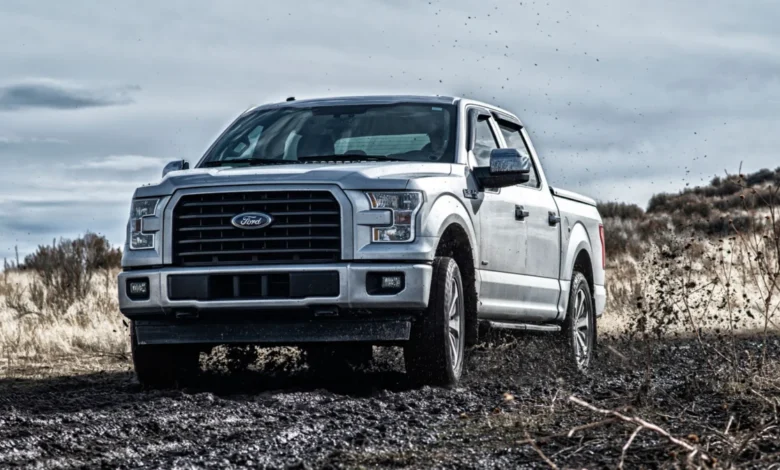
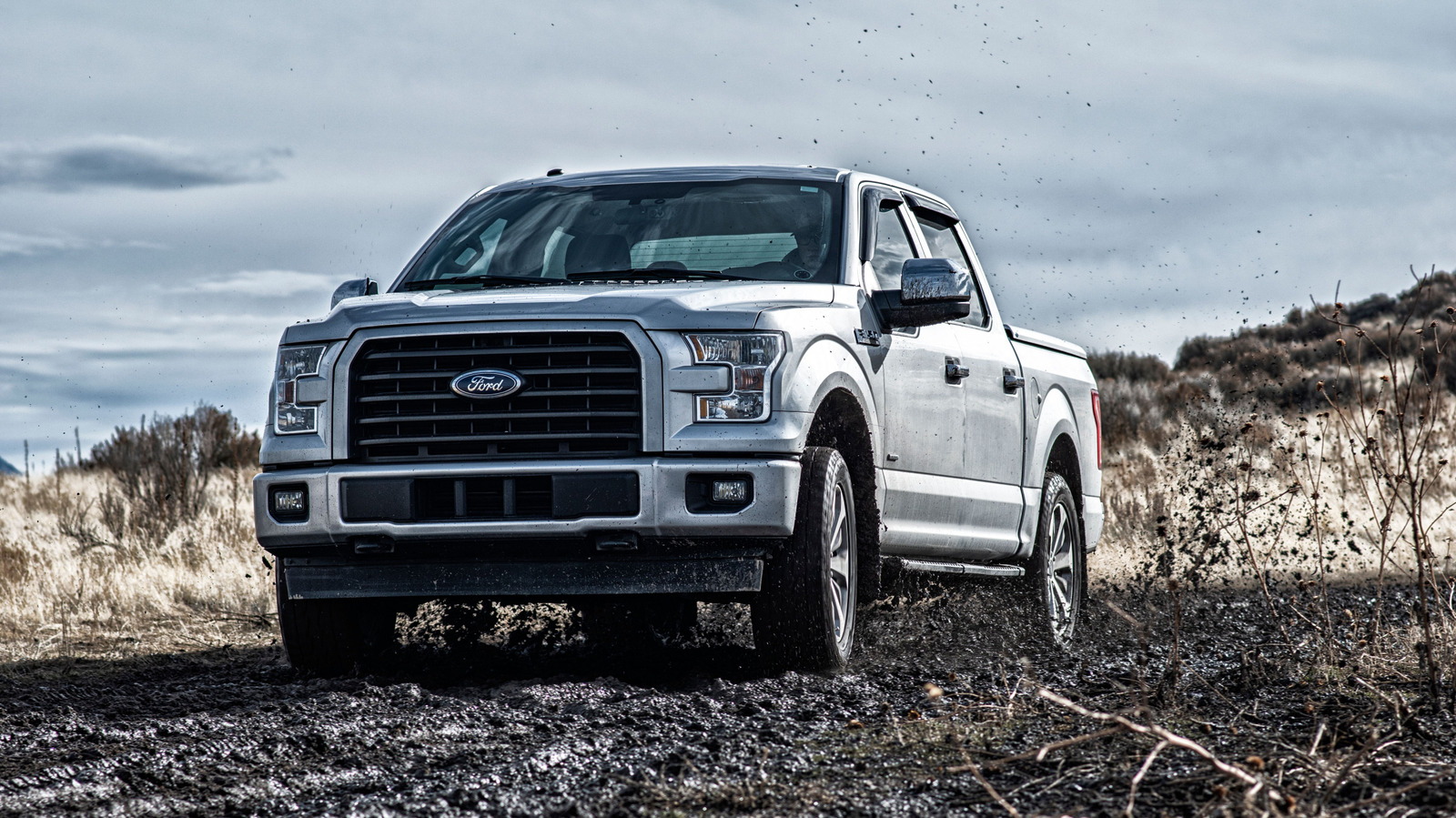
Ford Motor Company has issued a massive safety recall affecting approximately 1.4 million F-150 pickup trucks following an intensive investigation into reports of sudden, unintended downshifts. The recall focuses on specific models equipped with the 6R80 six-speed automatic transmission, which have demonstrated a mechanical and electronic propensity to shift abruptly into lower gears while traveling at high speeds. This unexpected behavior poses a significant safety risk, as a sudden shift from sixth gear to second gear can cause the rear wheels to lock up, leading to a loss of vehicle control and potential collisions.
The scope of the recall includes Ford F-150 models from the 2015 through 2017 model years. According to documentation filed with the National Highway Traffic Safety Administration (NHTSA), the root cause of the malfunction lies within the transmission’s internal electrical components, which can fail due to long-term exposure to heat and vibration. This move by Ford marks another significant chapter in the automaker’s ongoing struggles with quality control and transmission-related reliability issues, further complicating the brand’s efforts to streamline its manufacturing processes.
Technical Analysis of the Transmission Failure
The 6R80 six-speed automatic transmission, a staple of the Ford F-150 lineup for several years, relies on a complex array of sensors to communicate with the vehicle’s powertrain control module. Central to this system is the transmission lead frame. The lead frame is a plastic-housed component that contains the electrical circuitry connecting the various sensors and solenoids within the transmission to the external wiring harness.
Among these sensors is the Output Shaft Speed (OSS) sensor. The OSS sensor provides critical data regarding the speed at which the transmission’s output shaft is spinning, allowing the vehicle’s computer to determine the appropriate gear for the current driving conditions. Ford’s internal investigation revealed that the electrical connections within the lead frame are susceptible to degradation. Over years of "thermal cycling"—the process of the engine heating up during use and cooling down afterward—and constant road vibration, the solder joints and conductive paths within the lead frame can crack or lose integrity.
When these connections fail, the signal from the OSS sensor to the Transmission Range Sensor (TRS) becomes intermittent or is lost entirely. In the absence of an accurate speed signal, the transmission’s software defaults to a "fail-safe" mode. In many instances, the software interprets the loss of signal as a reason to downshift to the lowest possible gear for the current engine speed, which is often second gear. If this occurs while the truck is cruising at highway speeds, the mechanical shock to the drivetrain is immense. The sudden change in gear ratio forces the engine RPMs to spike and the rear wheels to slow down significantly faster than the vehicle’s forward momentum, effectively acting as a sudden application of the emergency brake on the rear axle only.
Safety Risks and Incident Reports
The primary danger associated with an unexpected downshift is the loss of traction. When the rear wheels lock or slow down abruptly on a highway, the vehicle can enter a skid. If the road surface is wet, icy, or covered in debris, the risk of a total loss of control increases exponentially. Furthermore, the sudden deceleration can surprise trailing drivers, significantly increasing the likelihood of rear-end collisions.
Ford’s internal data, shared with federal regulators, highlights the severity of the issue. Between April 24, 2015, and November 3, 2025, the company recorded a substantial volume of documentation regarding this specific failure. The breakdown includes:
- 444 verified warranty claims related to transmission downshifting.
- 121 field reports from technicians and regional representatives.
- 105 customer service reports involving direct complaints to Ford.
- 316 Vehicle Owner Questionnaires (VOQs) submitted to the NHTSA.
In total, 891 unique Vehicle Identification Numbers (VINs) have been linked to these reports. Most alarmingly, Ford is aware of at least one accident and two injuries that may have been caused by the transmission suddenly dropping into a lower gear. While these numbers represent a small fraction of the 1.4 million vehicles recalled, the potential for a catastrophic failure at high speeds necessitated a broad-scale response.
Chronology of the Recall and Investigation
The path to this recall began several years ago but gained significant momentum in early 2025. The NHTSA opened a formal investigation into the 2015-2017 F-150 models in March 2025 after receiving a spike in consumer complaints. These complaints mirrored previous issues Ford had faced with older versions of the same transmission in 2011-2013 models, which were also recalled for similar downshifting problems.
Following the opening of the NHTSA probe, Ford engineers conducted an in-depth analysis of returned parts and warranty data. By April 2025, the company had identified the specific failure points within the lead frame. On April 15, 2025, Ford began notifying its North American dealer network of the impending recall and the technical specifications for the repair.
The notification timeline for vehicle owners is structured in several phases:
- April 27, 2025: Ford will begin sending interim notifications to owners of affected vehicles. These letters serve to inform owners that their vehicle is part of the recall and to describe the symptoms of the failure, such as the illumination of a "wrench" warning light on the dashboard.
- May – June 2025: Ford will work to stabilize the supply chain for replacement lead frames and updated software.
- July 13-17, 2025: Final remedy notifications will be mailed to owners. These letters will instruct owners to schedule an appointment with their local Ford or Lincoln dealer to have the repair performed.
The Official Remedy and Dealer Procedures
The recall remedy is two-fold, involving both a software update and, in some cases, a physical hardware replacement. When an affected F-150 is brought into a dealership, technicians will first update the powertrain control module (PCM) software. This updated software is designed to prevent the transmission from downshifting into second gear if the OSS sensor signal is lost while the vehicle is at high speed. Instead, the software will be programmed to maintain the current gear or shift into a safer neutral state until the driver can pull over.
In addition to the software update, dealers will inspect the transmission lead frame. If the vehicle shows diagnostic trouble codes (DTCs) associated with the OSS sensor or if the lead frame shows physical signs of degradation, the component will be replaced with a new, redesigned version featuring more robust electrical connections. Ford has confirmed that all recall-related repairs—including parts, labor, and diagnostic time—will be provided to customers free of charge.
Historical Context and Broader Implications for Ford
This recall is particularly stinging for Ford, as the F-Series remains the company’s "crown jewel" and its most significant profit driver. The F-150 has been the best-selling vehicle in the United States for decades, and any threat to its reputation for "Built Ford Tough" reliability carries heavy financial and brand-equity consequences.
Furthermore, this is not the first time Ford has struggled with the 6R80 transmission. In 2016 and again in 2019, Ford issued recalls for earlier models (2011-2013) for nearly identical downshifting issues. The fact that the problem persisted into the 2015-2017 generation suggests that the initial fixes or design changes implemented during those years were insufficient to address the long-term durability of the lead frame components.
In recent years, Ford has topped the charts for the most recalls of any automaker in the U.S. market. CEO Jim Farley has publicly acknowledged the company’s quality issues, stating in several earnings calls that reducing warranty costs and improving "initial quality" are the company’s top priorities. The recall of 1.4 million trucks represents a significant logistical challenge and a substantial financial hit, likely costing the company hundreds of millions of dollars in dealer reimbursements and parts manufacturing.
Industry Impact and Regulatory Environment
The NHTSA’s aggressive stance on this investigation reflects a broader trend of increased regulatory scrutiny over electronic vehicle controls. As modern vehicles rely more heavily on sensors and software to manage critical mechanical functions—such as shifting, braking, and steering—the margin for error in electronic design has shrunk.
Automotive analysts suggest that this recall may prompt other manufacturers to re-evaluate their own older transmission designs that utilize similar lead frame architectures. The "thermal cycling" issue identified by Ford is a common stressor for electronics housed within the high-heat environment of a transmission casing.
For consumers, this event underscores the importance of monitoring vehicle health indicators. Ford noted that in many cases, a "wrench" light or a "check engine" light would appear on the dashboard shortly before or during a transmission malfunction. However, because the signal loss can be instantaneous, drivers are urged not to ignore any transmission-related warnings, however brief they may appear.
Guidance for Affected F-150 Owners
Owners of 2015-2017 Ford F-150 pickups are encouraged to visit the Ford owner website or the NHTSA recall portal. By entering their 17-digit VIN, owners can determine if their specific truck is included in the 1.4 million-unit count.
While waiting for the official remedy notification in July, Ford advises drivers to be attentive to the vehicle’s shifting behavior. If the truck hesitates to shift, displays a warning light, or feels as though it is losing power, it should be taken to a qualified technician immediately. Ford has also established a dedicated customer service line to handle inquiries regarding this recall, providing assistance for those who may have already paid for out-of-pocket repairs related to this issue prior to the official recall announcement. These owners may be eligible for reimbursement under Ford’s general recall plan.
As Ford moves to rectify this widespread issue, the automotive industry will be watching closely to see if this permanent fix finally puts an end to the 6R80 transmission’s troubled legacy. For now, the focus remains on ensuring the safety of over a million drivers who rely on the F-150 for their daily transit and professional needs.