Ford Patents Reveal Ambitious Plans to Transform the Bronco into an Ultimate Overlanding Platform

The overlanding market has transformed from a niche hobbyist pursuit into a multi-billion-dollar global industry, prompting major automakers to pivot their product strategies toward modularity and rugged utility. Ford Motor Company, seeking to solidify the Bronco’s position as a dominant force in the off-road segment, has recently filed a series of comprehensive patents with the U.S. Patent and Trademark Office (USPTO). These filings suggest that the Dearborn-based manufacturer is exploring innovative, factory-integrated solutions for vehicle-based camping, signaling a potential shift from aftermarket-reliant builds to cohesive, turn-key overland solutions.
The Evolution of the Overlanding Segment
Overlanding, distinct from traditional off-roading, prioritizes self-reliant travel to remote destinations where the journey is the primary goal. As the segment has grown, the automotive industry has observed a rising consumer demand for "ready-to-ramble" rigs. Historically, buyers have purchased standard SUVs or trucks and sourced upgrades—such as rooftop tents, auxiliary power systems, and storage solutions—from third-party aftermarket suppliers.
Ford’s latest patent applications indicate a desire to capture this value chain in-house. By integrating these features directly into the vehicle’s design phase, Ford aims to address common pain points for overlanders, including structural integrity, weight distribution, and aesthetic cohesion. The patents detail several specific configurations designed to optimize the Bronco’s interior and exterior for long-term trail living.
Technical Innovations in Patent Filings
The patent documents outline a multifaceted approach to modular camping, focusing on three primary areas: interior sleeping configurations, structural roof modifications, and external support systems.
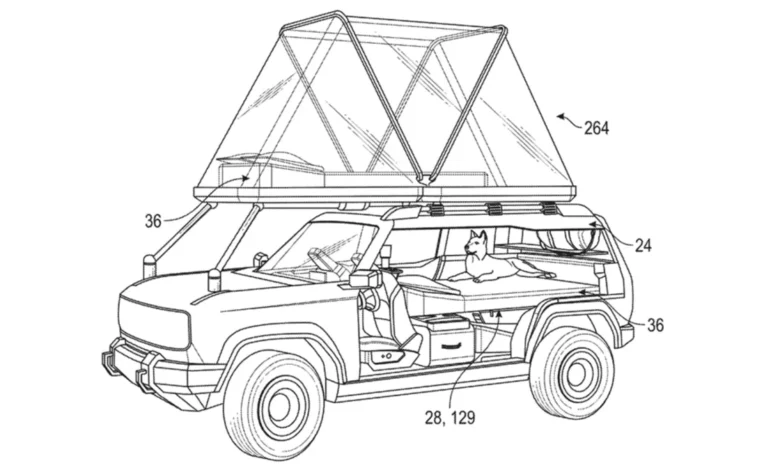
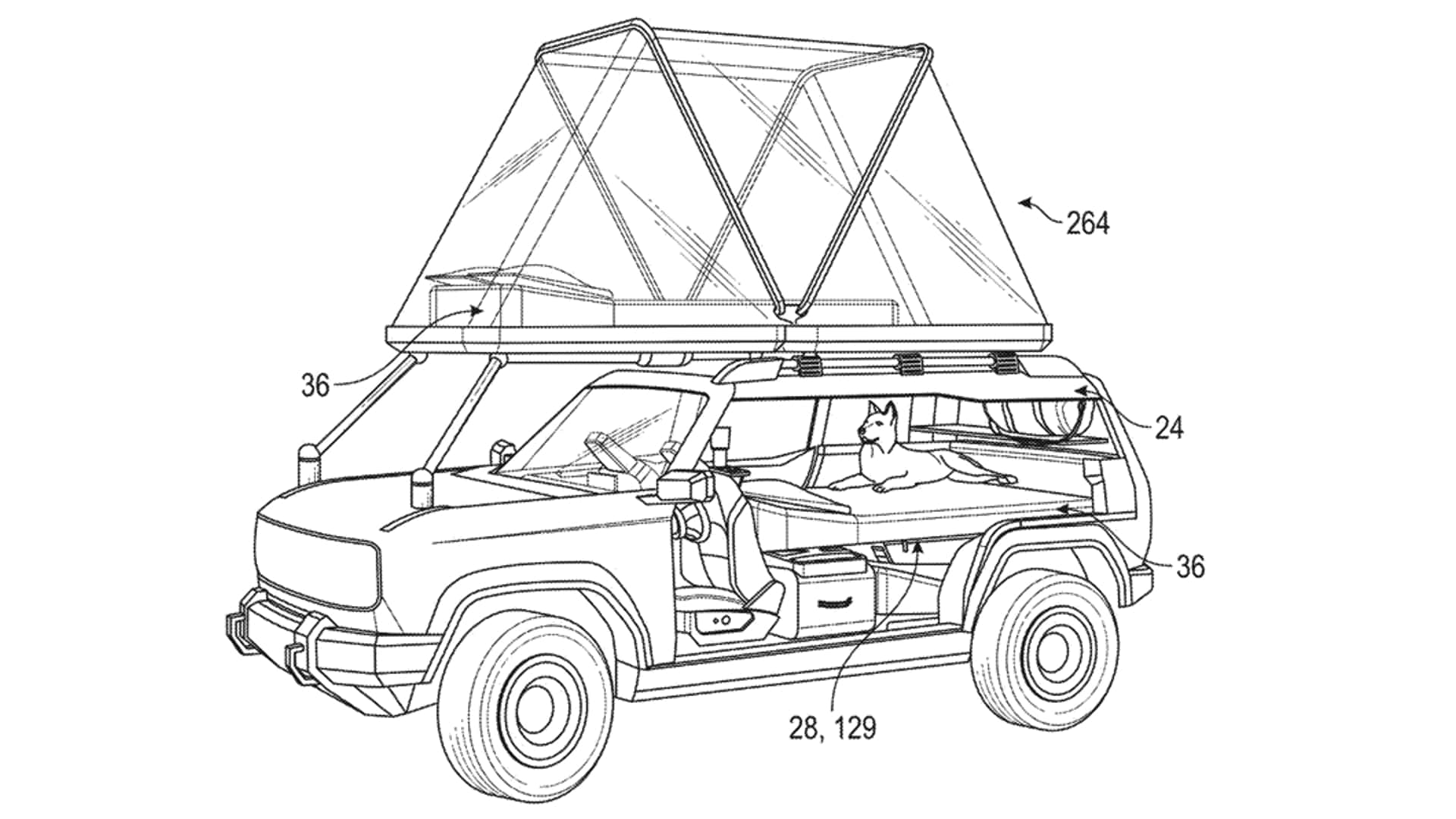
One of the most significant concepts presented is a folding interior platform that maximizes the utility of the cabin for sleeping. By reconfiguring the rear cargo area and the front-row seatbacks, the design creates a flat, stabilized surface for occupants. Notably, the patent suggests that the front seatbacks could be utilized as integrated "nightstands" or storage trays, a clever use of existing cabin architecture to maximize space efficiency.
Perhaps the most ambitious aspect of the filing involves the roof structure. Ford has conceptualized multiple rooftop tent designs, including a large-scale unit supported by stabilized legs that anchor directly into the vehicle’s fender gunwales. This approach aims to reduce the load on traditional roof racks, potentially allowing for heavier tent systems or increased structural stability in high-wind environments.
Furthermore, the drawings depict a full-length roof opening—an evolution of the existing modular roof system—designed to provide easy access to upper-level sleeping quarters. This opening is shown with a specialized mesh covering, allowing for ventilation and stargazing while maintaining protection against insects and debris.
Chronology of Bronco’s Off-Road Expansion
The current patents are part of a broader trajectory for the Bronco nameplate, which was revived in 2021 to compete directly with the Jeep Wrangler.
- 2021: The Ford Bronco officially returns to market, focusing on "Built Wild" capability and a highly modular design that allows for the easy removal of doors and roof panels.
- 2022-2023: Ford introduces several high-performance trims, including the Raptor and the Everglades, the latter of which features a factory-installed snorkel and winch, indicating a move toward specialized equipment.
- 2024: Aftermarket partnerships expand through Ford’s Performance Parts catalog, allowing customers to finance accessories directly through the dealer.
- 2025 (Projected): Patent filings for dedicated camping systems emerge, suggesting the next phase of the Bronco lifecycle may focus on lifestyle and utility integration.
Market Analysis and Industry Implications
The decision to patent these technologies suggests that Ford is evaluating the feasibility of a dedicated "Overland" trim level. This would mirror the strategies of competitors, most notably Toyota, which recently introduced the "Trailhunter" sub-brand. The Trailhunter series represents a collaborative effort between Toyota and various aftermarket manufacturers, providing a factory-warranted, off-road-ready vehicle.
By bringing these technologies in-house, Ford could offer several advantages that the current aftermarket cannot:
- Warranty and Reliability: Accessories integrated at the factory level typically come with a comprehensive vehicle warranty. Aftermarket parts, while often high-quality, can sometimes complicate warranty claims on the vehicle’s electrical or structural systems.
- Engineering Synergy: Factory-integrated components are designed with the vehicle’s center of gravity, aerodynamics, and weight-carrying capacity in mind, theoretically offering a safer and more stable experience.
- Consumer Experience: Providing a vehicle that is "ready to camp" straight from the showroom floor lowers the barrier to entry for novice overlanders who may find the process of researching and installing third-party gear intimidating.
Official Perspectives and Future Outlook
While Ford has not provided specific commentary on the production timeline for these patent-protected features, industry experts note that patent filings are a standard mechanism for protecting intellectual property before a commercial rollout.
"The goal is to increase the lifetime value of the vehicle," says one automotive analyst specializing in off-road markets. "When a manufacturer can sell a customer not just the truck, but the camping ecosystem that goes with it, they create a much stickier ownership experience."
However, there are challenges. The automotive industry is currently navigating complex supply chain environments and strict safety regulations regarding rooftop loads and sleeping accommodations within vehicles. Any transition from patent drawing to production model will require rigorous crash testing and safety certification, particularly regarding how these structures affect the vehicle’s rollover propensity.
The Broader Impact on the Automotive Landscape
The shift toward factory-integrated overlanding gear reflects a broader trend in the automotive sector: the transition from "commuter" vehicles to "lifestyle" vehicles. As urban consumers increasingly seek weekend escapes, the ability to transform a daily driver into a mobile living space has become a key competitive differentiator.
The Bronco’s modular DNA, which already includes removable doors and windows, provides an ideal foundation for these innovations. If Ford successfully implements these features, it will likely set a new benchmark for what consumers expect from a mid-size SUV.
As the competition heats up between Ford, Toyota, and other manufacturers in the off-road space, the focus is shifting away from purely mechanical specifications—such as horsepower or wading depth—toward the holistic experience of the vehicle as an adventure basecamp. Whether or not these specific patent drawings appear in the 2026 or 2027 model years, they serve as a clear indicator that the Blue Oval is committed to dominating the overlanding market.
For the prospective buyer, the future of the Ford Bronco is likely to involve more than just tires and suspension lifts; it will involve an increasingly sophisticated range of integrated features designed to make the wilderness more accessible, comfortable, and secure. As the industry continues to evolve, the distinction between "aftermarket modification" and "factory equipment" will continue to blur, ultimately benefiting the consumer with more robust and reliable options for their next expedition.