Alfa Romeo Looks to Reclaim Its Performance Legacy with Upcoming Paris Motor Show Concept Debut

The storied Italian marque Alfa Romeo finds itself at a critical crossroads as it prepares to unveil a high-profile concept vehicle at the upcoming Paris Motor Show. Scheduled for a mid-October reveal, the concept represents a strategic attempt to recalibrate the brand’s identity amidst a period of significant market contraction in North America. Under the umbrella of the Stellantis automotive conglomerate, Alfa Romeo has faced mounting pressure to justify its position within a portfolio that increasingly prioritizes volume-heavy manufacturers like Jeep, Ram, and Fiat.
A Period of Market Volatility
The urgency behind this new design study is underscored by sobering sales figures. Since 2022, Alfa Romeo has seen its footprint in the United States diminish significantly, with sales volumes dropping by more than 50 percent over the three-year period leading into 2025. The downward trend has persisted into the current calendar year, with data through the first half of 2026 indicating a further 45 percent decline compared to the same period in 2025.
These figures reflect a broader challenge for premium European brands operating under Stellantis leadership. As the automotive industry navigates a complex transition toward electrification and shifting consumer preferences toward large-scale SUVs and crossovers, boutique brands like Alfa Romeo have struggled to maintain relevance. The brand’s current lineup, anchored by the Stelvio SUV and the Giulia sedan, has faced an aging lifecycle, leaving the manufacturer in a precarious position as it awaits a new generation of vehicles.
The Paris Motor Show Strategy
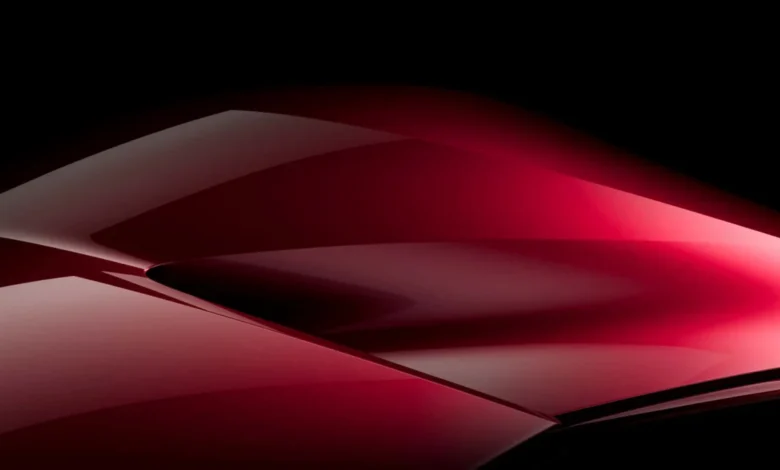
The forthcoming debut, slated for October 12, serves as more than just a public relations exercise; it is intended to signal a pivot back toward the brand’s core competencies: performance, heritage, and Italian design. Alfa Romeo has released a singular, abstract teaser image of the concept, which appears to feature the rear three-quarter profile of a low-slung, aerodynamic supercar.
In official communications, the brand has characterized the project as the car "every Alfista has been waiting for." The company emphasizes that the design language is synthesized from three fundamental pillars: "Italy," "Sportiness," and the iconic "Alfa Red." In a statement, the brand remarked, "From these three ingredients comes a masterpiece that is unmistakably Italian and unmistakably Alfa Romeo, looking to the future with ambition and boldness."
Industry observers anticipate that this vehicle will serve as a design manifesto, setting the tone for the aesthetic direction of the brand’s next generation of mass-production vehicles. By anchoring the concept in the language of a "masterpiece," Alfa Romeo is clearly aiming to re-engage the enthusiast demographic that has historically formed the backbone of its customer base.
The Stellantis Roadmap and Internal Restructuring
The context for this launch is inextricably linked to the broader strategic overhaul announced by Stellantis in May. During that announcement, the group clarified its future operational priorities, designating Jeep, Ram, Peugeot, and Fiat as its four core global pillars. Other brands within the conglomerate, including Alfa Romeo and Maserati, have been transitioned into a category of "regional or historic" status.
This reclassification has led to significant speculation regarding the future of the brand’s development cycles. While the corporate mandate for electrification remains, Alfa Romeo has had to navigate the technical challenges of redesigning its flagship models, the Giulia and the Stelvio, to accommodate both internal combustion engines and potential electric architectures. This engineering complexity has resulted in significant delays, with the next-generation models not expected to hit the market in the immediate term.
Despite these delays, the brand remains active in niche development. The successful launch of the 33 Stradale—a limited-production supercar—demonstrated that Alfa Romeo still possesses the capability to produce high-performance, design-forward vehicles that command significant attention. It is widely expected that the upcoming Paris concept will share design DNA with these ultra-luxury specialty projects, aiming to elevate the brand’s prestige as it prepares for its wider product rollout.
Operational Challenges and Future Outlook
The path forward for Alfa Romeo is fraught with both technical and economic hurdles. The brand is currently in the process of developing a new compact crossover, which is intended to bolster the lineup alongside the existing Tonale. However, the success of these utility vehicles depends heavily on whether the brand can successfully distinguish itself from the rest of the Stellantis fleet.
The reliance on a "regional" identity suggests that Alfa Romeo will likely focus its resources on markets where the brand maintains strong equity—primarily Europe and select segments of the North American and Middle Eastern markets. For the brand to reverse its current sales trajectory, it must achieve a delicate balance: it must offer the volume-driving SUVs required by modern market demands while simultaneously delivering the "authentic driving experiences" it has promised in its latest press materials.
The decision to unveil this concept in Paris—a traditional hub for automotive design—underscores the importance of European market sentiment. Analysts suggest that if the brand can successfully leverage its heritage to create a distinct, modern identity, it may stabilize its market share. However, the delay in the arrival of its core sedan and SUV replacements remains a primary concern for investors and dealers alike.
Implications of the New Design Language
The shift toward a new design language, as previewed by the upcoming October debut, suggests that the brand is attempting to move away from the somewhat conservative updates seen on the current Giulia and Stelvio. By moving toward a more radical, performance-oriented aesthetic, the brand is signaling that it intends to prioritize the "sporty" aspect of its identity over the purely utilitarian.
If the concept translates into a production vehicle, it could serve as a halo car, similar to the 33 Stradale, which helps pull the rest of the brand upward. Historically, Alfa Romeo has thrived when it has leaned into its racing pedigree. By focusing on "authentic experiences behind the wheel," the brand is attempting to differentiate itself from competitors that are increasingly focusing on autonomous technology and minimalist, appliance-like interiors.
Conclusion: A Critical Reset
The upcoming months will be a definitive period for Alfa Romeo. The debut of the new concept is not merely a product reveal; it is a declaration of intent. For a brand that has seen its presence wane in critical markets, the ability to generate excitement and demonstrate a clear, performance-focused future is essential.
As the industry watches for the reveal on October 12, the focus will be on whether the design lives up to the weight of the brand’s history. With the backing of Stellantis, the potential for a renaissance exists, provided the company can align its engineering capabilities with the emotional appeal that has historically defined the Alfa Romeo name. The brand’s ability to survive as a regional leader depends on its capacity to capture the imagination of the next generation of drivers while maintaining the loyalty of the traditional "Alfista." The Paris Motor Show will provide the first real evidence of whether the brand’s bold new direction can be successfully executed.