The automotive landscape is defined by aggressive competition, where compact crossovers must fight relentlessly for consumer attention through high-output powertrains, bleeding-edge interior technology, or exceptional value propositions. Within this crowded segment, the 2026 Buick Envista Sport Touring (ST) attempts to carve out a distinct niche. Blending traditional comfort-oriented engineering with a sleek, coupe-like crossover silhouette, the Envista represents Buick’s ongoing strategy to modernize its lineup while retaining the core tenets that have sustained its legacy for decades. However, a comprehensive evaluation of the Envista ST reveals a vehicle caught between its attractive entry-level pricing and the unforgiving reality of a $32,000 price point, where it faces formidable rivals that often outclass it in dynamics, interior quality, and overall value.
Main Facts and Design Philosophy
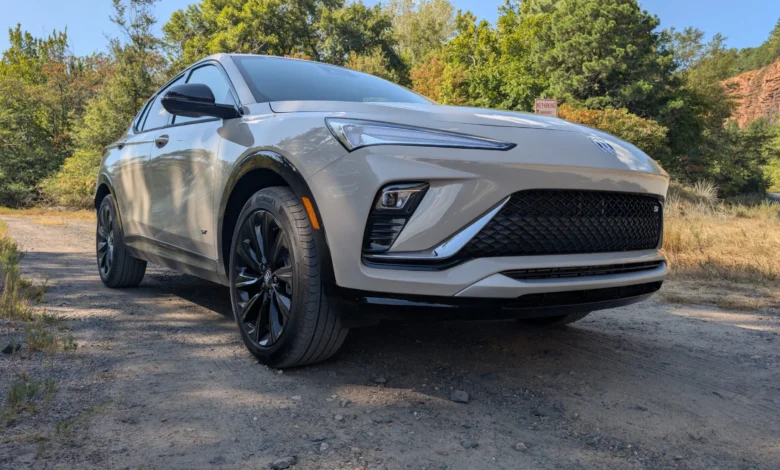
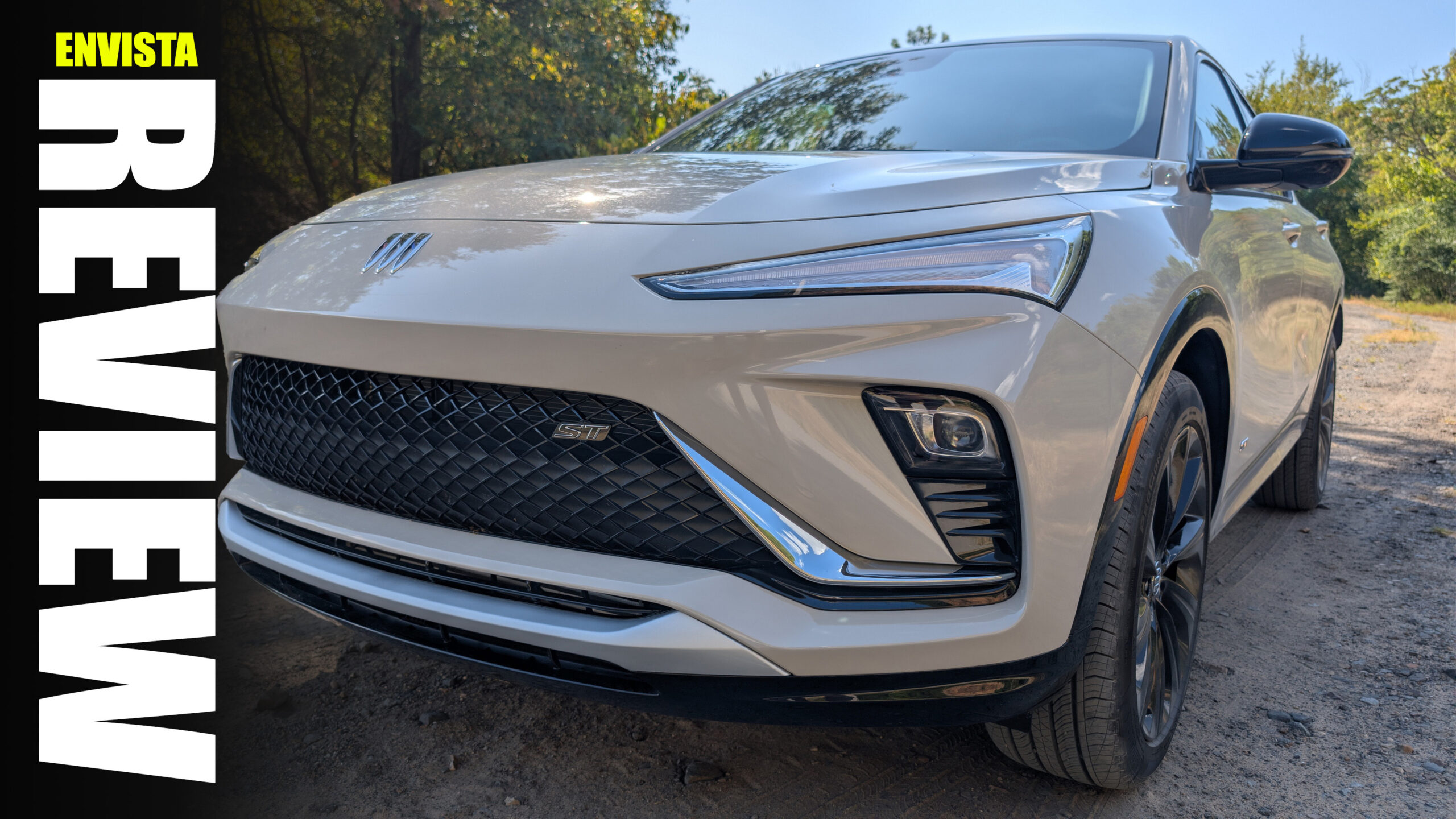
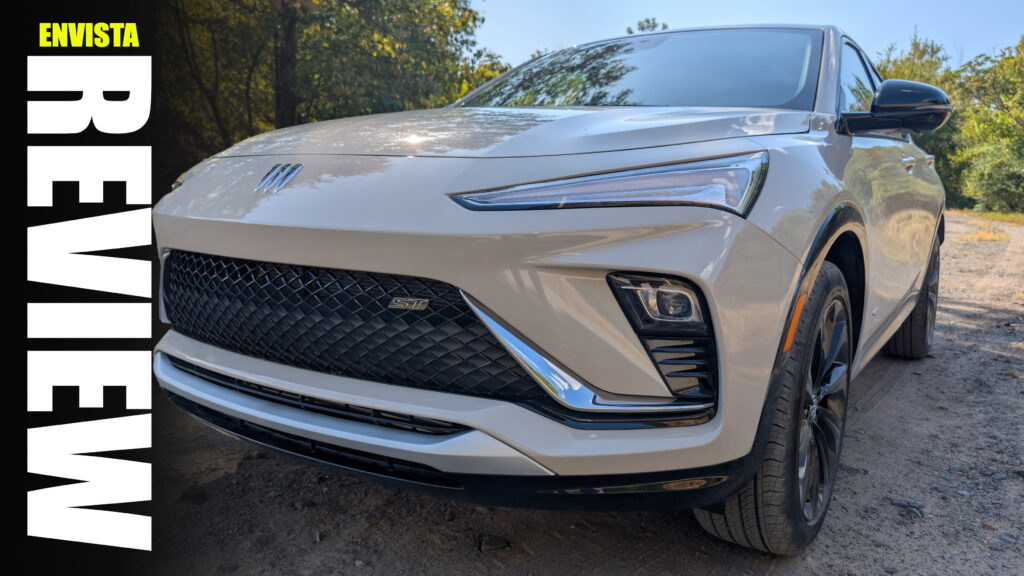
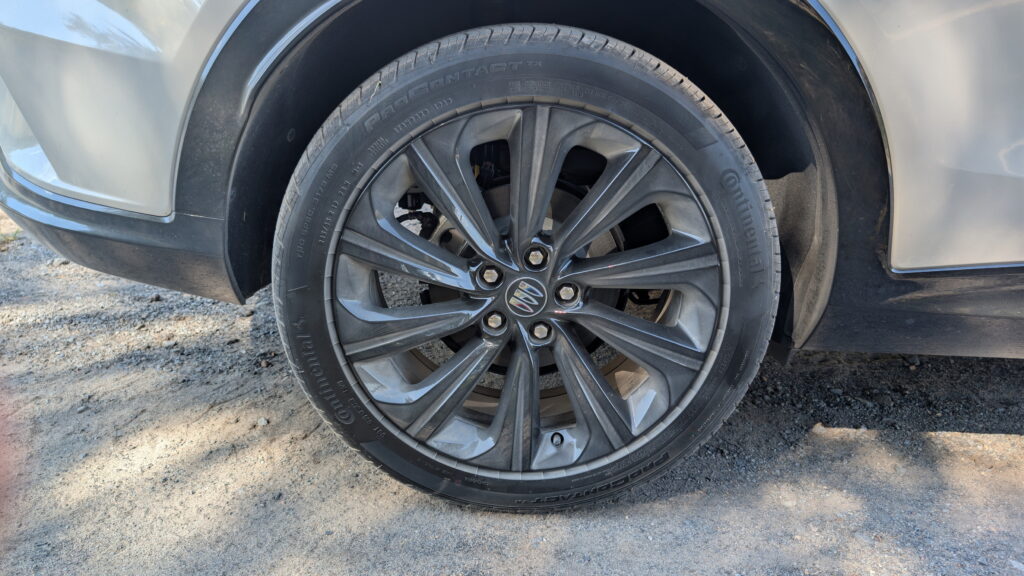
At first glance, the 2026 Buick Envista makes a profoundly positive impression. Eschewing the conventional, boxy dimensions of traditional utility vehicles, the Envista embraces a sloping roofline, a low-slung stance, and design cues borrowed from the brand’s broader design evolution. The front fascia features razor-thin daytime running lights positioned high above the primary headlight assembly, flanking a wide grille adorned with Buick’s contemporary tri-shield emblem. The Sport Touring (ST) trim elevates this aesthetic with a mesh-style grille, gloss-black exterior accents, and optional 19-inch black-painted wheels packaged within the Studio Series upgrade.
Measuring 182.6 inches in length and 71.5 inches in width, the Envista prioritizes maneuverability over sheer bulk. This compact footprint translates to exceptional urban practicality, allowing drivers to navigate narrow residential streets, tight multi-level parking garages, and congested commercial spaces with absolute ease. For consumers seeking the elevated command-and-control seating position of a crossover without the cumbersome footprint of a midsize SUV, the Envista’s proportions serve as a legitimate competitive advantage.
Cabin Architecture and Interior Ergonomics
Transitioning to the interior, the Envista mirrors its exterior styling philosophy: visually striking at a distance, yet revealing certain compromises upon tactile inspection. The cabin is anchored by a massive dark panel housing an 8-inch digital gauge cluster seamlessly integrated alongside an 11-inch touchscreen infotainment display. The ST trim further distinguishes itself with embroidered headrests and prominent contrast stitching across the seating surfaces, complemented by metallic-look trim and textured dashboard inserts that successfully disrupt an otherwise monochromatic color palette.
Nevertheless, tactile evaluation highlights an abundance of hard plastics and foam components throughout the lower cabin spaces, accompanied by liberal applications of fingerprint-prone piano black plastic along the center console. True luxury materials, such as supple leathers or genuine open-pore wood, are largely absent, reminding occupants of the vehicle’s mass-market underpinnings.

Buick deserves notable commendation, however, for resisting the industry-wide trend toward fully digitized, menu-dependent cabin controls. The climate control system relies entirely on physical buttons and tactile knobs, permitting temperature adjustments without requiring the driver to divert their gaze from the road. The responsive infotainment software supports wireless Apple CarPlay and Android Auto integration, ensuring seamless smartphone connectivity. Storage solutions are equally intuitive, featuring a dedicated wireless charging pad, conveniently located USB ports, generous door pockets, and a spacious center console. Cargo capacity is another practical highlight, offering 20.7 cubic feet of storage behind the second-row seats, expanding to 42 cubic feet with the rear split-bench folded nearly flat.
Powertrain Dynamics and Real-World Performance
Beneath its sculpted sheet metal, the 2026 Buick Envista houses a uniform mechanical architecture across all trim levels: a turbocharged 1.2-liter three-cylinder engine generating 137 horsepower and 162 lb-ft of torque. Power is channeled exclusively to the front wheels via a conventional six-speed automatic transmission; all-wheel drive is notably absent from the options list.

On paper, these output figures suggest sluggish performance, but the Envista’s urban driving dynamics tell a more nuanced story. From a complete standstill, initial throttle calibration ensures that the vehicle feels adequately responsive during standard city commutes. However, once velocities exceed 30 mph, the limitations of the 137-horsepower engine become apparent. Demanding rapid acceleration for highway passing maneuvers results in the six-speed automatic dutifully executing a downshift, causing the small three-cylinder powerplant to drone at high revolutions while the vehicle gradually accumulates speed.
The suspension tuning prioritizes ride comfort over athletic handling. The Envista delivers a supple, compliant ride quality that absorbs broken urban pavement and handles highway expansion joints with composure. Steering is exceptionally light and predictable, while the braking system offers linear, easily modulatable pedal feedback. While spirited driving induces noticeable understeer and unsettles the chassis due to a lack of dynamic engagement, the vehicle’s relaxed demeanor makes it exceptionally approachable for novice drivers and urban commuters alike.

Safety and Fuel Economy
Safety equipment is comprehensive on upper trims. The test vehicle featured adaptive cruise control, lane-change alert with blind-zone monitoring, rear cross-traffic alert, lane-keeping assistance, and automatic emergency braking. These advanced driver-assistance systems function unobtrusively, enhancing long-distance touring confidence without generating false alarms.
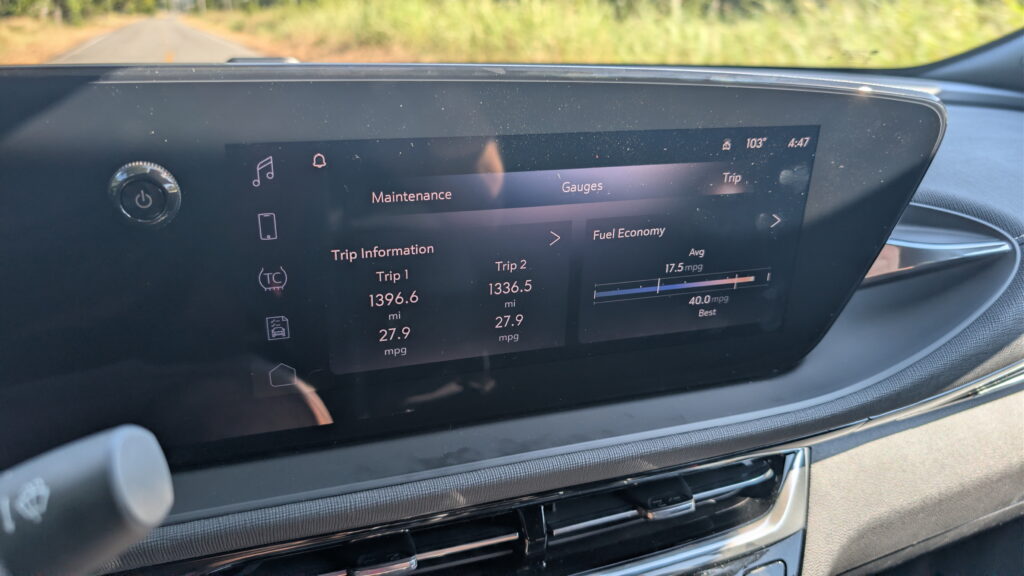
In terms of efficiency, the Environmental Protection Agency (EPA) rates the Envista at 28 mpg in the city, 32 mpg on the highway, and 30 mpg combined. Real-world testing across extended mileage accumulation closely mirrors these figures, averaging roughly 27.9 mpg under mixed driving conditions. However, aggressive throttle applications designed to extract performance from the modest powertrain can quickly degrade fuel economy into the high teens, illustrating that the ST badge is purely cosmetic rather than performance-oriented.
Market Positioning and Competitive Analysis
The core dilemma facing the 2026 Buick Envista ST is not a catastrophic mechanical flaw, but rather its pricing trajectory. While the base Envista starts at an appealing $26,200, a heavily optioned Sport Touring model equipped with heated seats, a heated steering wheel, a power liftgate, a moonroof, and advanced safety suites escalates the final window sticker to $32,355, including a $1,795 destination charge.
At the $32,000 threshold, the Envista finds itself competing against vastly more talented adversaries. Its corporate sibling, the Chevrolet Trax, utilizes the exact same foundational platform and powertrain recipe for thousands of dollars less, leaving consumers hard-pressed to justify the Buick price premium beyond a slightly softer suspension tune and a more prestigious badge. Furthermore, alternatives such as the Kia K4 Hatchback offer superior interior craftsmanship, more expansive cargo provisions, longer warranty coverage, and significantly sharper driving dynamics. Within the compact crossover segment proper, established benchmarks like the Mazda CX-30, Kia Seltos, and Honda HR-V present compelling counterarguments, many of which offer standard or optional all-wheel-drive configurations that the Envista lacks.
Broader Impact and Implications for Buick
The 2026 Buick Envista ST ultimately functions as a specialized offering tailored specifically for longtime brand loyalists who appreciate Buick’s design language, desire a smaller and more affordable alternative to the brand’s larger utility vehicles, or simply prefer a plusher ride than what is currently offered by Chevrolet. For this specific demographic, the Envista delivers a comfortable, practical, and visually distinctive ownership experience.
For the broader automotive consumer base, however, the Envista’s value proposition diminishes rapidly as options are added. While the entry-level variants represent a reasonable financial investment, the upper-tier configurations force buyers to weigh polite road manners and attractive styling against a distinct lack of dynamic punch and interior material quality relative to its peers. As Buick navigates an evolving global marketplace, the Envista proves that while building an inoffensive, highly accessible vehicle is entirely achievable, securing long-term market dominance requires a definitive competitive edge that goes beyond mere badge prestige.