Most modern drivers are acutely aware of the digital footprints generated by their vehicles. From insurance applications requiring the installation of telematics apps and OBD-II tracking dongles to connected infotainment systems that quietly log driving habits, monitoring motorists has become standard operating procedure for the automotive and insurance industries. However, a far more pervasive, entirely invisible tracking apparatus operates independently of consumer consent, operating entirely outside the realm of opt-in agreements: private automated license plate recognition (ALPR) networks.
Across the United States, privately owned cameras sweep public roads, capturing millions of vehicles daily. These systems log license plates, high-resolution photographs, precise GPS coordinates, and exact timestamps, consolidating this information into monumental, privately held databases. This intelligence is subsequently monetized and packaged for entities ranging from auto lenders and repossession agencies to insurance corporations and law enforcement bodies. While government-operated ALPR systems have increasingly drawn public scrutiny and legislative pushback, the private networks operating in parallel present a significantly more opaque challenge, characterized by minimal public visibility and a profound lack of accountability.
The Staggering Scale of Private Surveillance
The sheer magnitude of data amassed by private ALPR operators is staggering, far exceeding the scope of many government databases. A prominent titan in this space is Digital Recognition Network (DRN), a subsidiary of Motorola Solutions. DRN entered the corporate fold when Motorola acquired VaaS International Holdings—the parent company of both DRN and its law-enforcement-focused counterpart, Vigilant Solutions—for an estimated $445 million. At the time of the acquisition, Motorola explicitly framed the purchase as an expansion into vehicle-location data provision for both public-safety and commercial sectors.
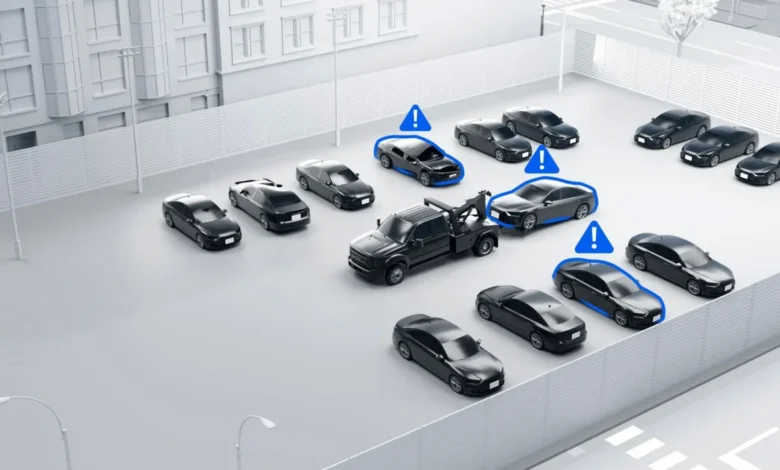
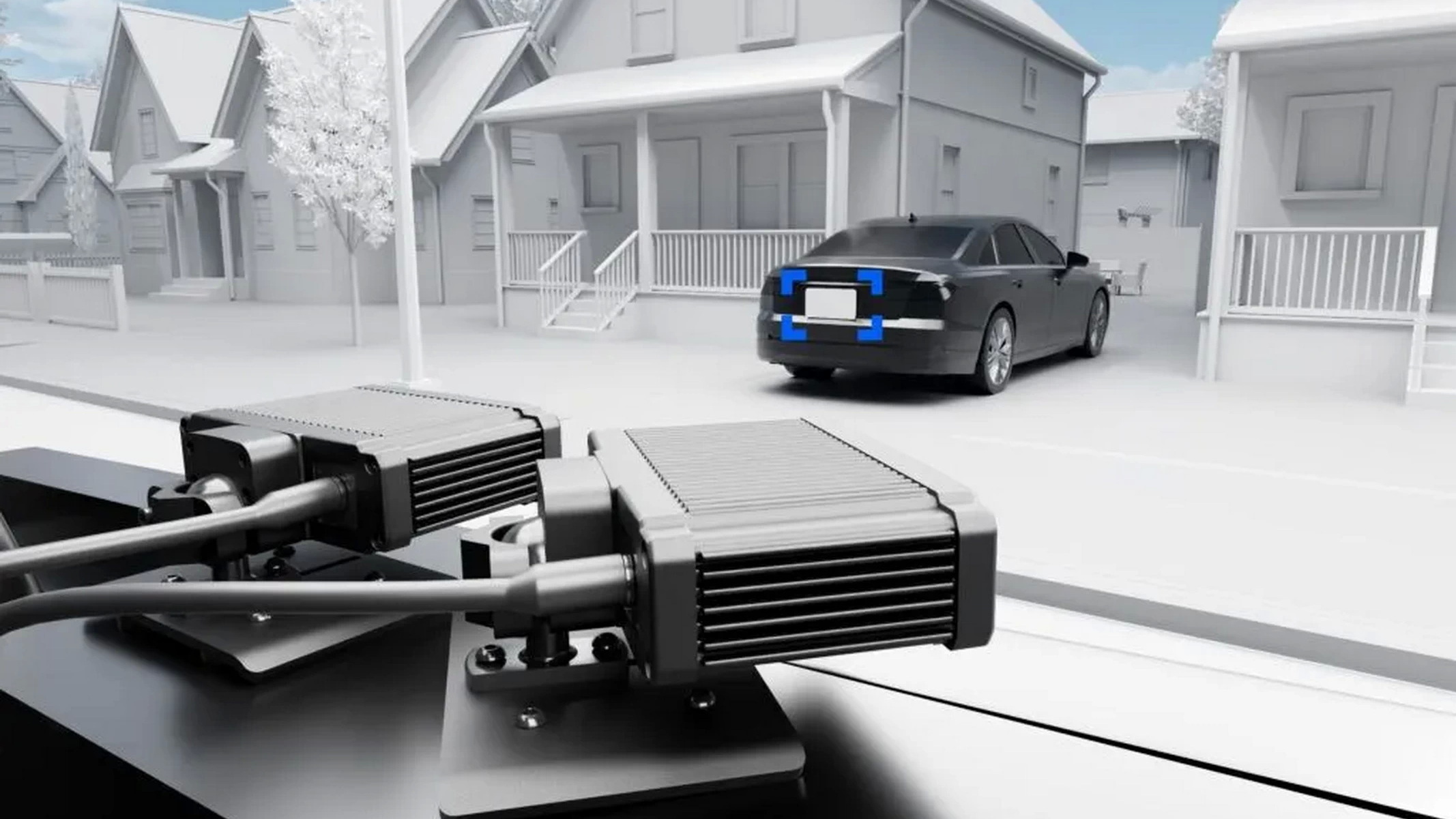
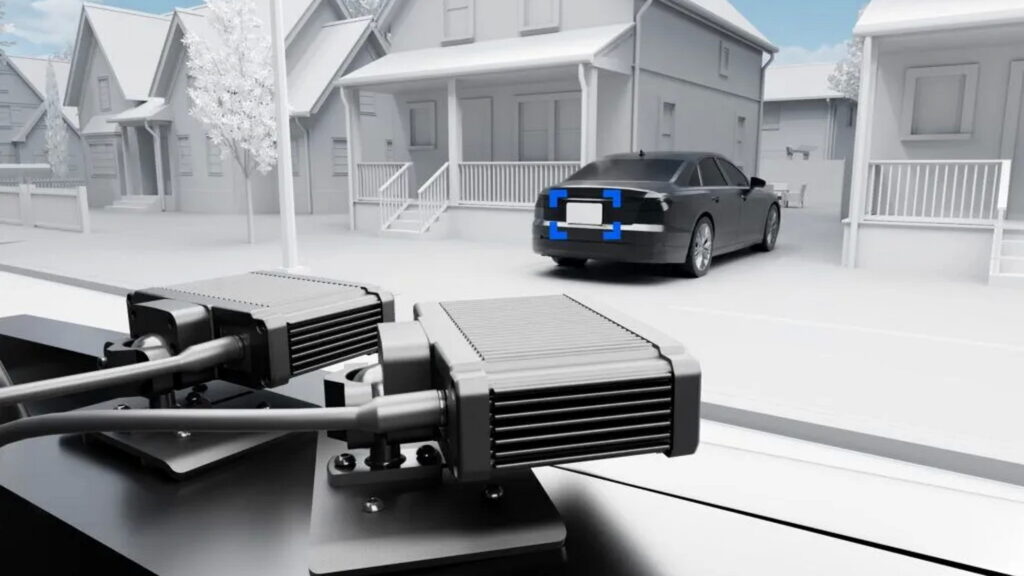
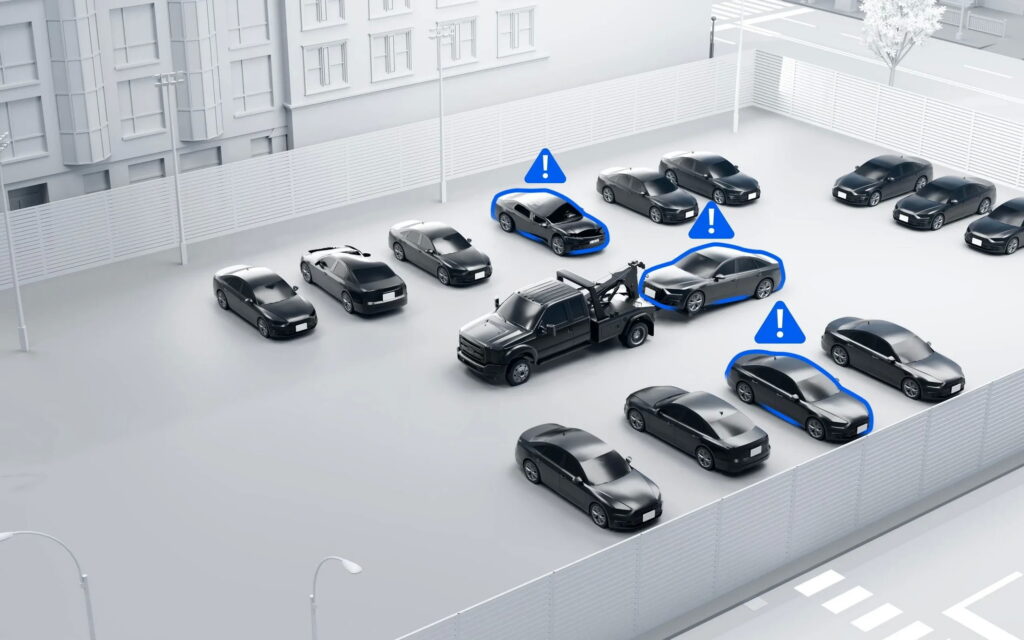
The scale of DRN’s operations is documented not merely through corporate self-reporting, but through judicial scrutiny. According to a California appeals court ruling from mid-2026, DRN’s historical database contained upwards of nine billion license plate images by May 2024. These entries are far more than isolated snapshots; they comprise complex historical records including the vehicle’s plate, visual context, date, time, and precise geographic coordinates. DRN achieves this through a dual approach, deploying fixed-position cameras alongside mobile systems typically mounted to commercial recovery and tow trucks. While a single image of a car offers limited insight, the aggregation of billions of historical sightings transforms everyday transit into a comprehensive longitudinal profile.
DRN is far from a lone actor in this lucrative data landscape. Competitor MVTRAC, which primarily caters to the auto lending and repossession sectors, boasts a nationwide network of over 600 recovery affiliates. This sprawling infrastructure reportedly harvests more than 500 million new LPR data points every month. Meanwhile, alternative models such as Flock Safety deploy specialized cameras across private residential neighborhoods, apartment complexes, commercial business parks, and educational campuses, with many of these entities electing to voluntarily share their locally gathered data feeds with municipal law enforcement agencies. Although these companies utilize distinct business models and target separate consumer markets, their overarching output is uniform: the relentless, automated ingestion of millions of vehicles’ physical whereabouts on a daily basis.

Monetizing Movement: Insurance and Financial Surveillance
The commercial applications of this data are extensive, serving as powerful tools for risk mitigation, asset recovery, and policy enforcement. Federal court rulings dating back over a decade have repeatedly affirmed the core business model of firms like DRN: aggregating roadside captures via mobile tow-truck units and selling the resulting intelligence to financial institutions and insurers.
Today, DRN openly advertises specialized insurance analytics products built upon its vast photographic archive. Among these is "Garage Aware," a compliance tool designed to verify whether a policyholder’s vehicle is physically garaged at the residential address declared on their insurance policy. Because insurance premiums fluctuate substantially depending on geographical risk profiles and ZIP codes, precise overnight verification carries significant financial weight. Developer documentation for DRN systems details the tracking of "sleep hour sightings," allowing algorithms to cross-reference overnight parking locations against declared addresses and local premium differences.
Similarly, DRN’s "Radius Response" product tracks commercial fleets to determine whether work vehicles are operating outside of their designated territorial bounds, while "Vehicle Sighting Search" offers insurers a robust mechanism to map vehicle movements during claims investigations. By analyzing historical imagery, claims adjusters can scan for commercial fixtures—such as roof racks, toolboxes, corporate signage, or attached trailers—that might indicate a vehicle insured for personal use is actually generating commercial revenue. Historical photos also assist investigators in verifying whether pre-existing vehicle damage predated a reported insurance claim.
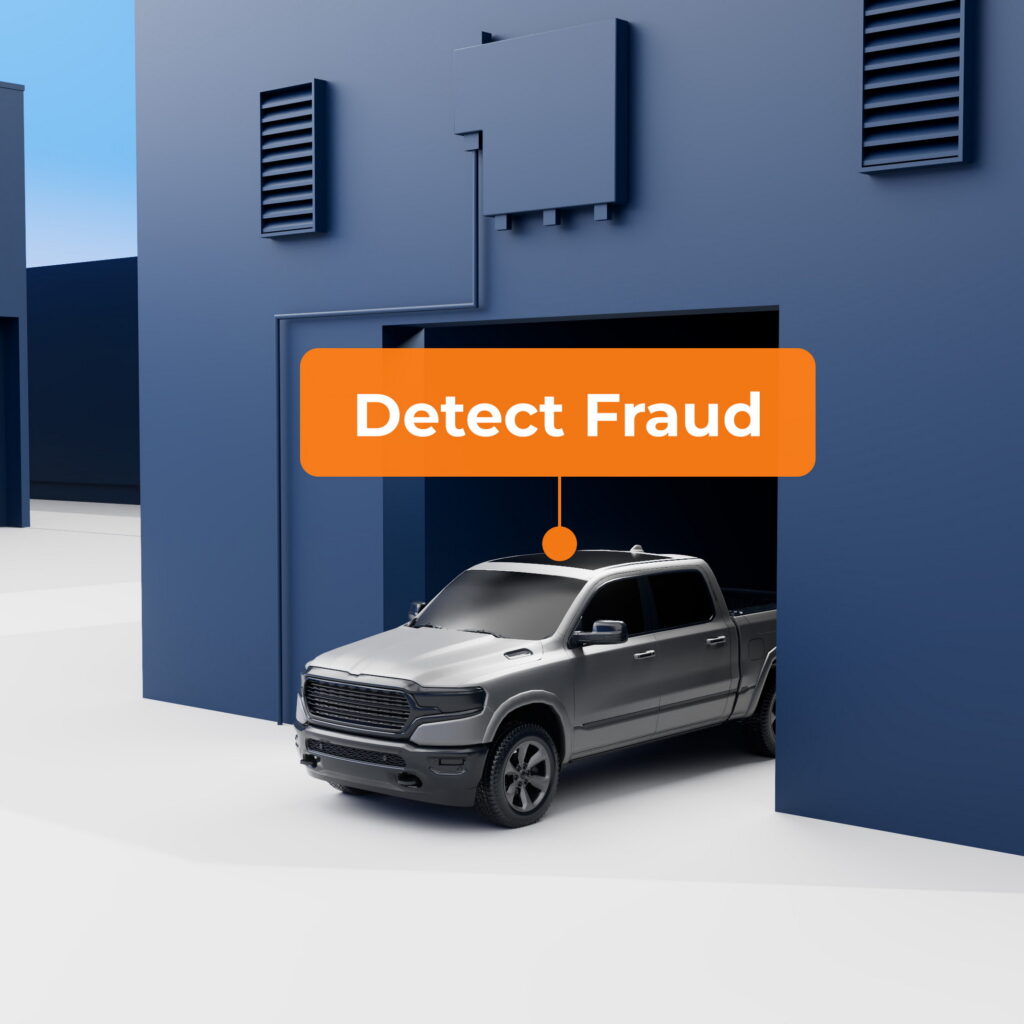
While these tools serve legitimate purposes in curbing insurance fraud and financial misrepresentation—such as an individual insuring a luxury vehicle in a rural county while it is parked nightly in a metropolitan center—the underlying technology inherently breaches personal privacy boundaries far beyond the scope of mere fraud detection.
The Granularity of Unseen Tracking
The societal implications of continuous license plate tracking mirror the core privacy concerns long associated with government-run surveillance. When disparate, mundane sightings are chronologically synthesized, a license plate ceases to be merely a state-issued registration tag and transforms into a persistent, unyielding personal identifier.
A series of repeated sightings establishes a definitive pattern of life. A vehicle photographed consistently at a specific residential address during overnight hours reveals the owner’s home location. Daily morning sightings at an office building or industrial park pinpoint employment. Intermediate stops at medical facilities, places of worship, or political gatherings gradually expose an individual’s personal routines, interpersonal relationships, and lifestyle habits.

Crucially, unlike smartphone location-sharing permissions that can be toggled off within operating system settings, or connected vehicle telemetry that consumers can occasionally decline, motorists cannot opt out of private ALPR collection. A driver does not need to download an application, consent to terms of service, or finance a vehicle through a subprime lender to be cataloged. Merely driving down a public thoroughfare past an unlabelled camera is sufficient to trigger ingestion into a corporate database.
The Accountability Deficit: Public Versus Private Oversight
A fundamental distinction separates municipal and state-run ALPR networks from their private-sector counterparts: transparency and regulatory oversight. While police departments frequently face legitimate criticism over the misuse, over-retention, or unvetted sharing of government-managed ALPR data, public agencies are ultimately bound by statutory frameworks of public accountability.
Depending on local and state jurisdictions, journalists, advocacy groups, and private citizens can file Freedom of Information Act (FOIA) requests or public records demands to audit how police departments utilize their camera networks. Citizens can pressure elected municipal leaders to enact strict data retention limits, police officers can face internal disciplinary action or termination for unauthorized database queries, and civil liberties organizations can challenge abusive practices in open court. Documented search logs within public agencies occasionally reveal who accessed a specific record and for what stated purpose.
In stark contrast, private corporations operate behind proprietary confidentiality shields. While firms like DRN maintain internal security protocols—such as contractual compliance requirements for third-party clients and periodic internal audits of system usage logs, as highlighted in recent California appellate documents—these mechanisms are entirely internal. A private citizen cannot submit a public records request to a commercial data broker demanding to see a complete search history of their vehicle’s license plate. The entire apparatus relies heavily on corporate self-regulation and voluntary compliance, leaving consumers with virtually no external recourse or visibility.
This opacity is particularly glaring when compared to recent high-profile incidents involving municipal police forces. In various jurisdictions across the United States, citizens and civil rights advocates discovered unauthorized police surveillance abuses precisely because state transparency laws granted them access to audit trails and deployment logs. Securing similar transparency from a private data broker capitalizing on vehicle telemetry is virtually impossible.
Cybersecurity and the Inherent Risk of Accumulation
Beyond the scope of authorized corporate usage and deliberate commercial surveillance, private ALPR databases present a systemic cybersecurity risk. While major data brokers maintain robust data protection standards and there is no public evidence of a catastrophic breach compromising DRN’s core archive, the fundamental existence of such a repository creates an attractive target for malicious actors.
A comprehensive historical record of billions of vehicle sightings is, by definition, a mass surveillance dossier. If unauthorized actors were to infiltrate a private ALPR network, they would not merely access a list of alphanumeric strings; they would acquire a partial, highly detailed movement history of millions of civilian vehicles. Even a modest collection of timestamped data points from predictable daily commutes is enough to compromise personal safety, rendering individuals vulnerable to stalking, corporate espionage, or targeted harassment.
A Ubiquitous Surveillance Network by Default
The proliferation of private license plate recognition networks underscores a profound regulatory lag in the digital age. While public debates surrounding vehicular privacy have spent years fixated on government overreach and municipal policing tools, the private sector has quietly constructed a parallel, vastly more expansive surveillance architecture.
Millions of motorists unknowingly contribute to this commercial ecosystem every day simply by navigating public roads. As these privately held databases continue to swell with billions of historical records—largely unchecked by public oversight, shielded by corporate confidentiality, and monetized without consumer consent—the fundamental question facing lawmakers is no longer whether the state is watching, but how to address an unregulated private surveillance economy operating entirely out of sight.