Navigating the Shifting Alpine Landscape: A Comprehensive Guide for American Ski Travelers in 2026

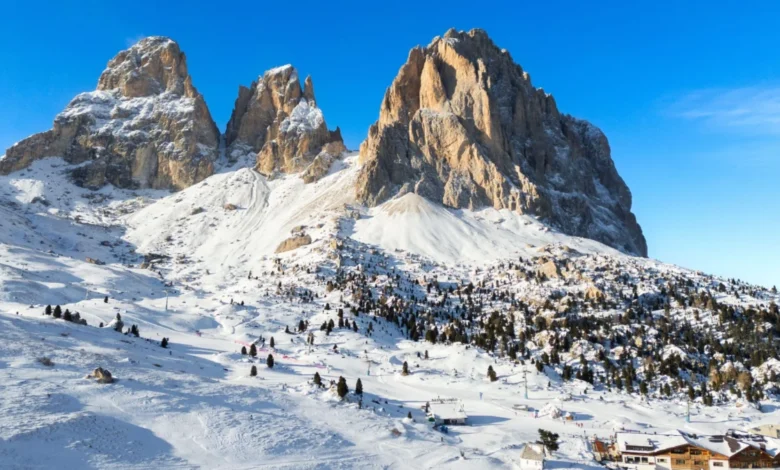
The influx of American travelers to the European Alps has reached record levels, driven by the increasing accessibility of international megapasses and a desire for experiences beyond the domestic market. As of October 2026, the intersection of shifting climate patterns, currency fluctuations, and evolving travel logistics has fundamentally altered the landscape for prospective visitors. With major international climate forecasts, including a forecasted super El Niño event for the upcoming winter, the necessity for strategic planning has never been greater for those looking to secure high-quality skiing conditions.
Historical Context and Changing Climate Patterns
Historically, the Alps served as a reliable bastion for winter sports enthusiasts, with consistent snow coverage observed at elevations as low as 1,650 feet on the northern slopes. However, the last decade has seen a measurable shift in these trends. Seasonal meteorological models for the 2026-2027 season indicate a warm and wet winter across the European continent. While moisture is beneficial, the rising mean temperatures have shifted the rain-snow line upward.
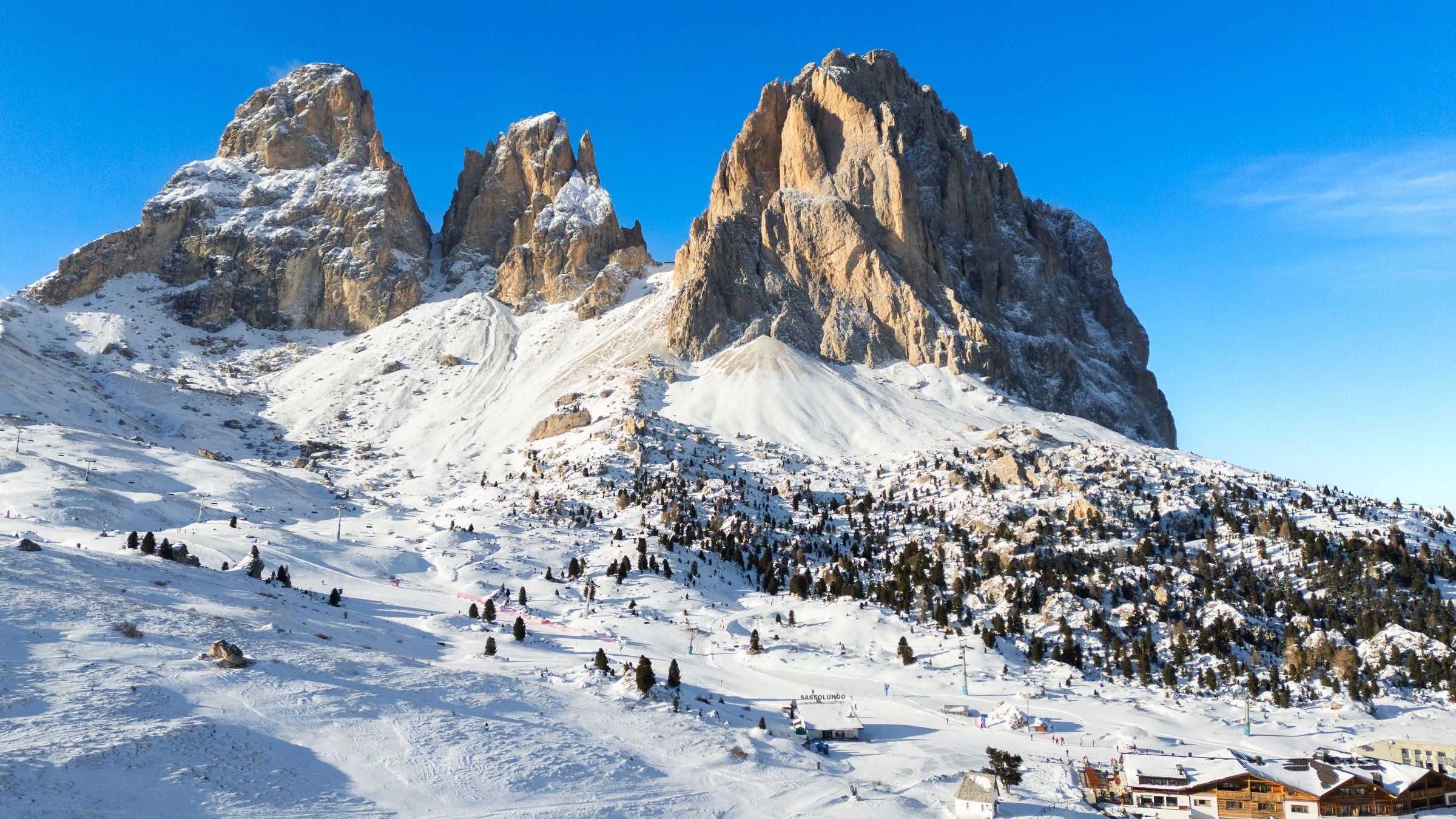
Resorts that previously relied on lower-altitude snow bases are increasingly facing the challenge of rain-on-snow events, which compromises piste quality and shortens the operational window. For the American traveler—who often books flights and high-end accommodation months in advance—this unpredictability necessitates a shift in strategy. Experts now advise prioritizing destinations with base elevations well above 3,300 feet and peak elevations exceeding 10,000 feet in France, Italy, and Switzerland, or 8,200 feet in Austria, to mitigate the risk of adverse weather conditions.
Regional Analysis: France and the Quest for Elevation
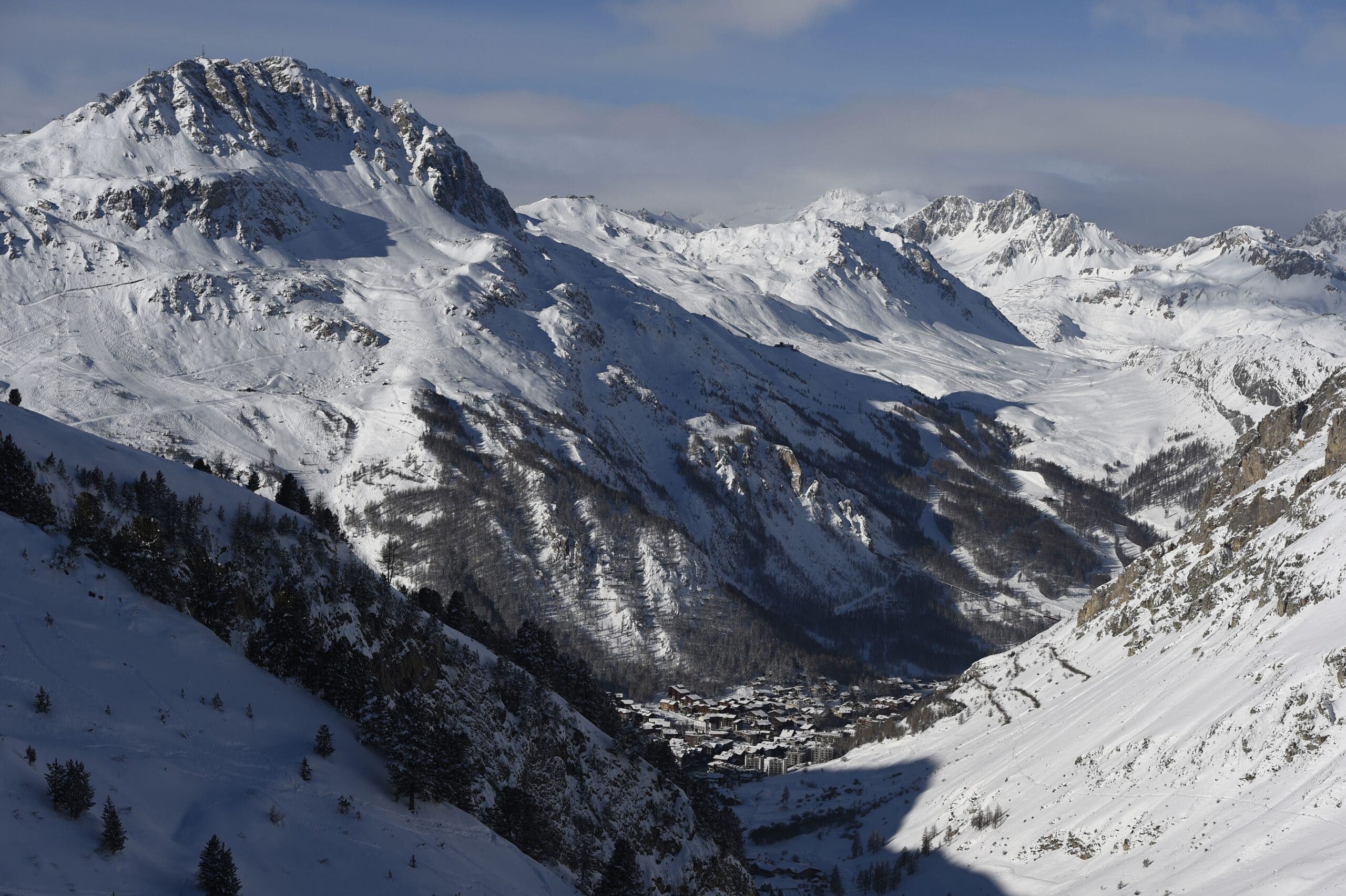
France remains a primary destination for those seeking massive, interconnected domains. However, the disparity between the "megaresorts" and the more traditional, high-altitude villages is widening. Val d’Isère and Tignes stand out as the gold standard for many, boasting a summit lift on the Grande Motte glacier that reaches 11,339 feet. This altitude provides a critical buffer against the warming climate, ensuring reliable skiing throughout the season.
Conversely, the Three Valleys (Trois Vallées) continues to dominate the Epic Pass circuit. Its vast terrain offers a level of scale rarely matched in North America. Yet, for those seeking a more authentic, less commercialized experience, regions like the Queyras or Serre Chevalier offer a different perspective. Serre Chevalier, in particular, has become a hidden success story for those willing to look beyond the Savoie region, providing excellent off-piste terrain and a traditional village atmosphere that contrasts sharply with the purpose-built infrastructure found elsewhere.
The Italian Perspective: Culture and Infrastructure
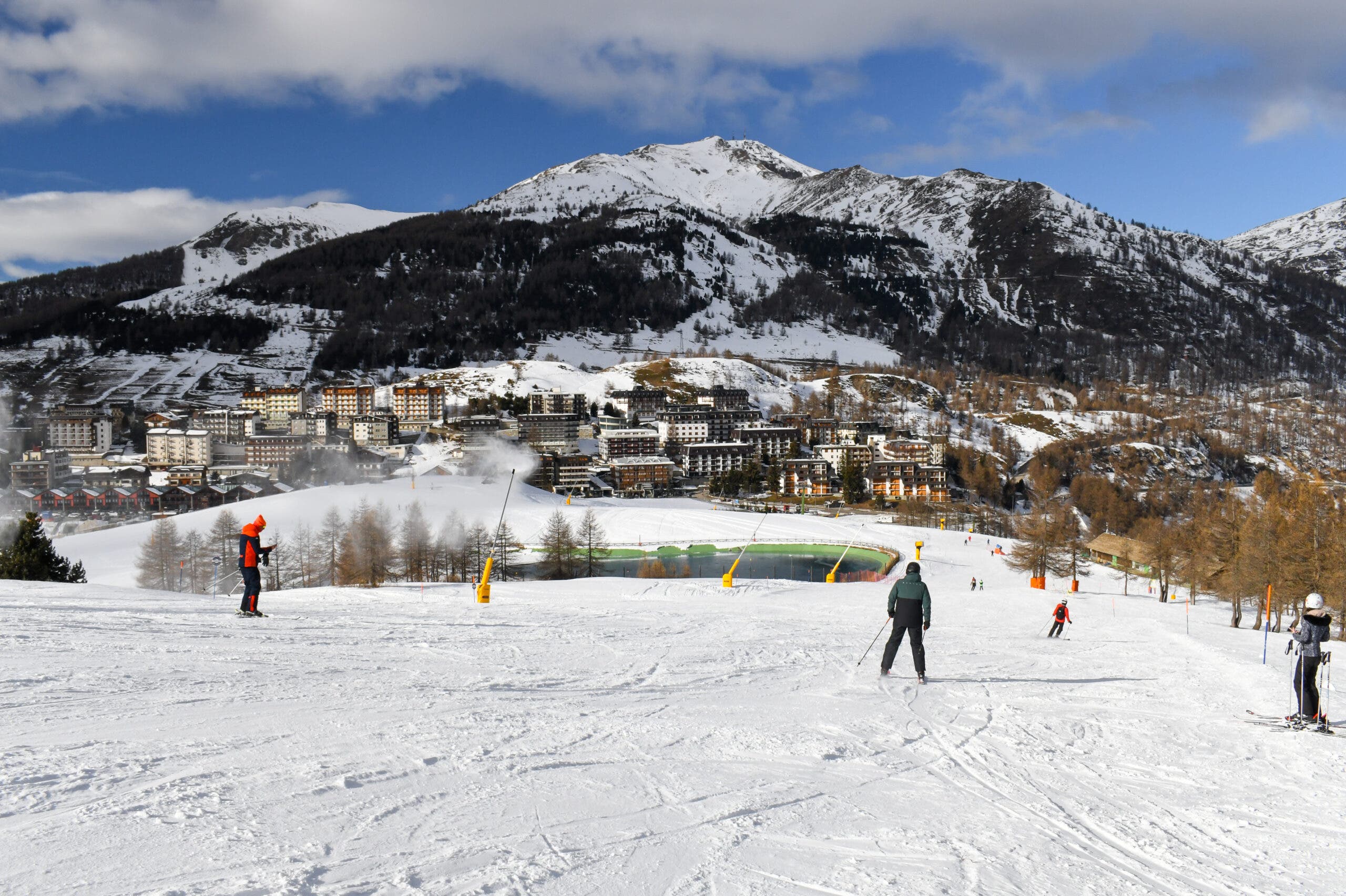
Italy’s appeal has historically been rooted in its culinary excellence and lower price points, but recent developments—including the integration of the Aosta Valley into major international passes—have increased its profile among American tourists. The Italian approach to mountain management often prioritizes local heritage, with resorts like Monte Rosa offering an unparalleled blend of ski touring and off-piste opportunities.
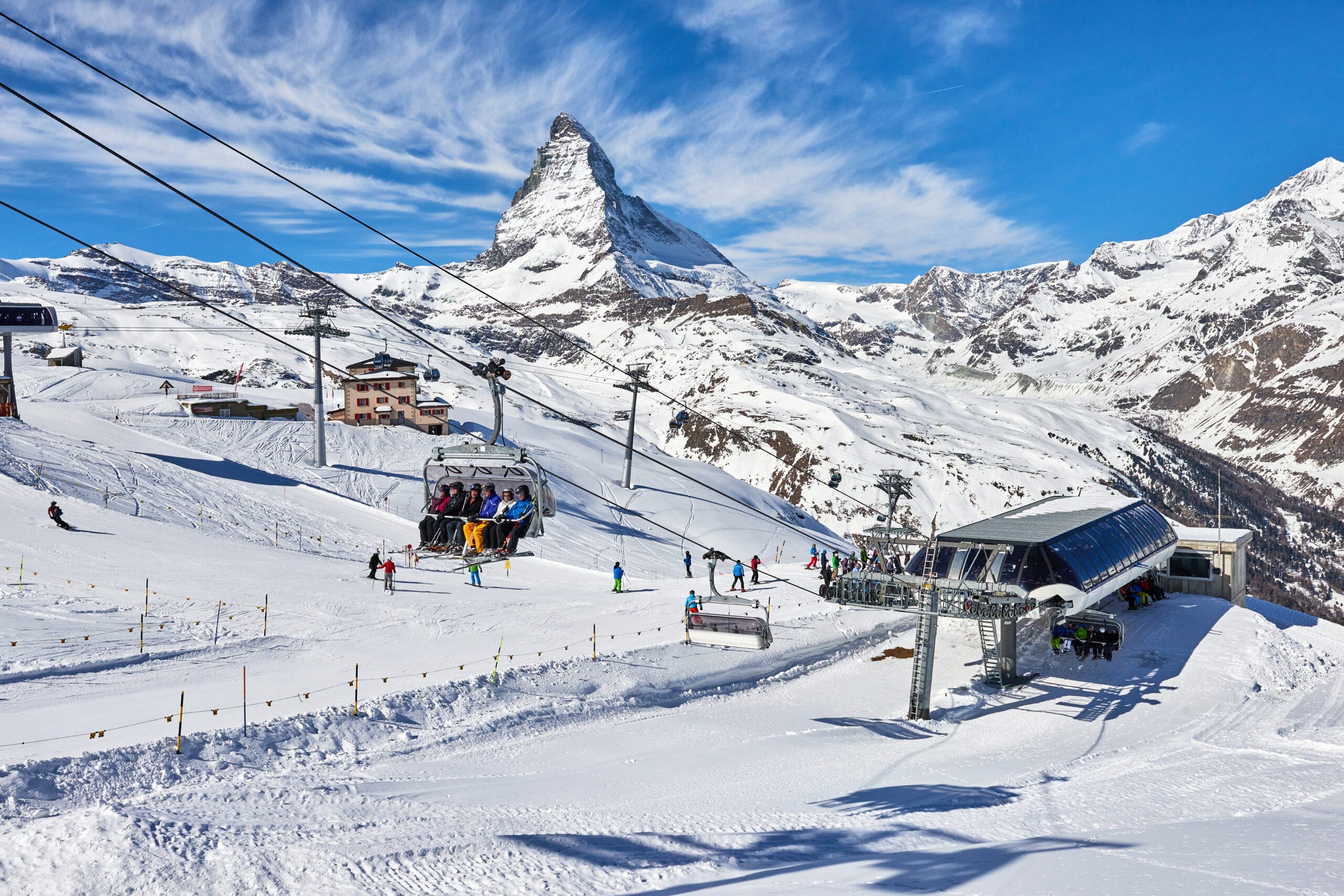
A significant point of interest for the coming years is the development of the "Cervino The One" 3S cable car, slated for completion by 2030. This infrastructure project is expected to create a seamless connection between the Italian and Swiss sides of the Matterhorn, significantly improving transit times. Currently, the bottleneck at the Plateau Rosa remains a challenge, but once completed, the improved access, combined with Italy’s generally lower costs and higher food quality standards compared to its neighbors, is expected to make the Cervino region a primary competitor to Zermatt.
The Austrian Model: Efficiency and Infrastructure
Austria maintains a unique position in the Alpine market, with a national identity intrinsically tied to the winter sports industry. The country’s ski infrastructure is widely regarded as the most efficient in Europe, characterized by high-capacity 3S cable cars and a robust rail network. For the traveler, the Innsbruck-based "Ski Plus City" pass exemplifies this efficiency, allowing access to over a dozen resorts via public transit.
However, the challenge in Austria is the reliance on mid-altitude terrain. Resorts like Kitzbühel and the Saalbach Skicircus are legendary, but they are increasingly susceptible to climate-driven variability. To combat this, the country has invested heavily in snowmaking technology, though this cannot entirely replace the natural snowfall that skiers seek. The recommendation for 2026 remains clear: focus on the eastern regions like Zauchensee or Obertauern, which often see different precipitation patterns and remain less crowded than the more internationally famous circuits.
Switzerland: The Premium Experience
Switzerland offers a distinct proposition for the American market: the allure of car-free villages such as Zermatt, Wengen, and Saas-Fee. These locations provide a sense of historical continuity that is increasingly rare in the global tourism industry. While Switzerland is undeniably the most expensive of the Alpine destinations—often costing double that of France or Italy—the investment is reflected in the quality of the infrastructure and the consistency of the snowpack at high elevations.
The primary friction point for international visitors is the intense competition for off-piste lines in high-profile resorts like Verbier. The prevalence of experienced European freeriders means that fresh tracks are often claimed shortly after a storm. For visitors, the recommendation is to seek out slightly less publicized, yet equally high-altitude resorts like Saas-Fee or the upper reaches of the Davos-Klosters region.
Economic Implications and Strategic Planning
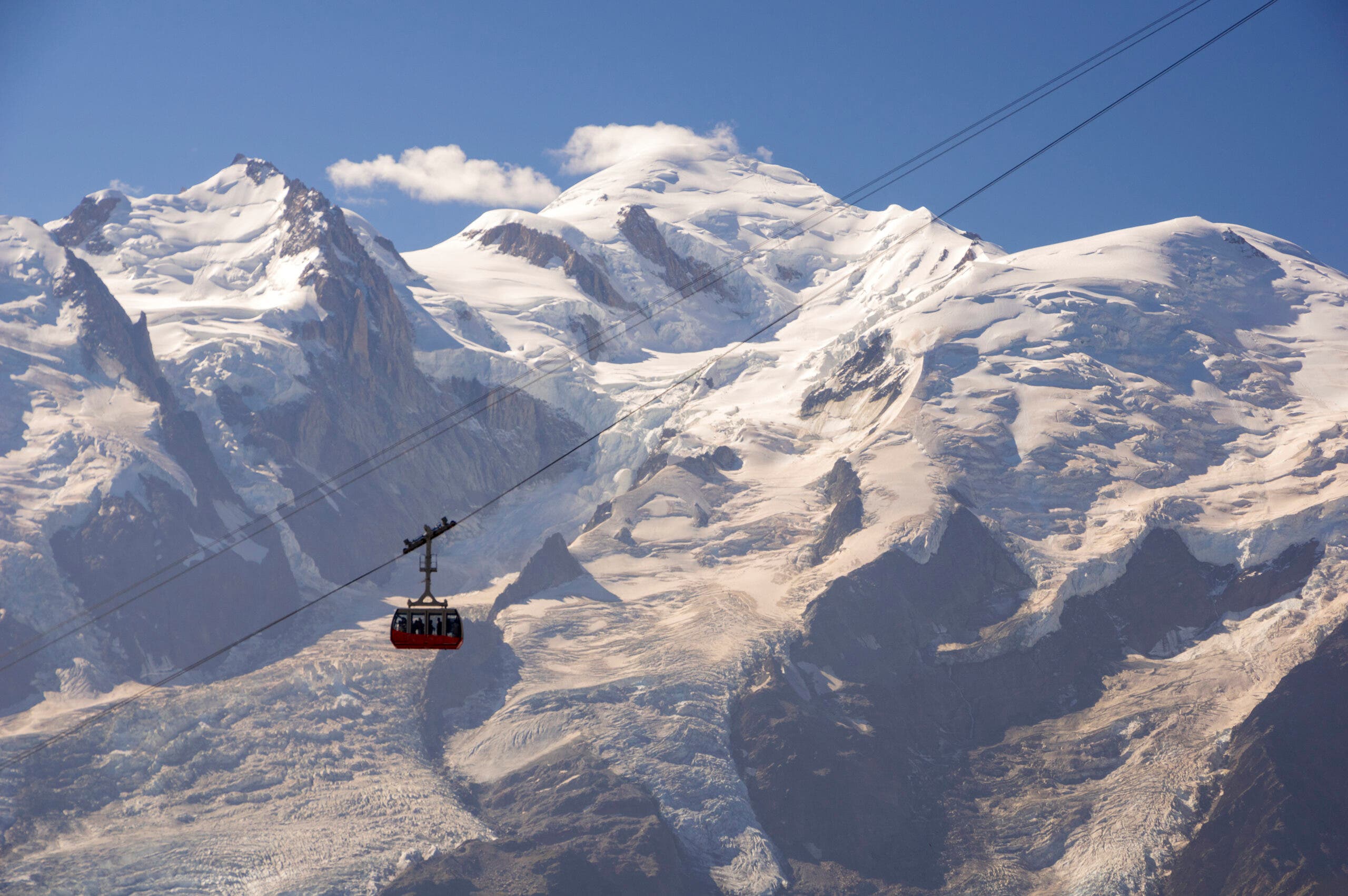
The 2026 travel season is marked by the complexity of "megapass" usage. While the Epic and Ikon passes have revolutionized access to the Alps, they also introduce limitations. For instance, the fine print on Chamonix’s access via the Ikon pass—which excludes the Mont-Blanc Unlimited benefits—can be a source of frustration for those expecting full access to the Aiguille du Midi.
Furthermore, the fluctuation of the U.S. dollar against the Euro and the Swiss Franc remains a critical factor in budgeting. As of late 2026, the relative strength of the dollar has provided some relief, but the increased demand for limited lodging in popular villages has driven prices upward, effectively neutralizing some of the currency advantages.
Logistical Considerations for the Modern Traveler
For those planning their first or tenth trip to the Alps, the following strategic pillars are essential for 2026:
- Prioritize Elevation: With weather patterns becoming more volatile, booking at resorts that guarantee high-altitude skiing (above 8,000 feet) is no longer a luxury; it is a necessity for risk mitigation.
- Monitor Transport Networks: Countries like Austria and Switzerland offer superior train and bus connectivity. Utilizing these networks reduces the stress of rental car navigation and contributes to a more sustainable travel footprint.
- Manage Expectations on Passes: Carefully review the specific exclusions of the Epic and Ikon passes for each European destination. Often, a supplementary local pass is required to access the entirety of a mountain’s terrain.
- Embrace Flexibility: The most successful trips to the Alps in the current climate are those that allow for last-minute adjustments. If a ridge of high pressure settles over the western Alps, being able to pivot to the eastern regions of Austria or the southern reaches of Italy can save a vacation.
Conclusion: A Changing Alpine Future
The Alpine region remains the world’s most significant winter sports destination, but the nature of the experience is shifting. The transition from the "guaranteed snow" era of the late 20th century to the more complex, climate-variable environment of 2026 requires a more informed and adaptable approach from American visitors.
By prioritizing high-altitude domains, leveraging the efficiency of the Austrian and Swiss transport systems, and maintaining a realistic understanding of the limitations of international ski passes, travelers can still secure a world-class experience. As the industry looks toward the next five years, the focus will likely shift even further toward technological adaptation and the preservation of the unique cultural heritage that defines the Alpine experience, ensuring that these mountains remain a cornerstone of global tourism for years to come.
Related posts: