General Motors Reconsiders Apple CarPlay and Android Auto Strategy for Future Vehicle Lineups

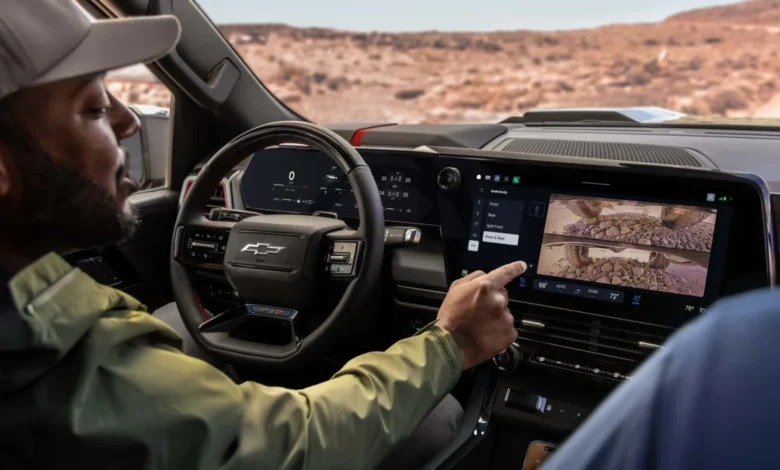
The automotive industry is currently witnessing a significant strategic pivot from General Motors regarding its long-standing contentious relationship with smartphone projection software. After years of signaling a total departure from Apple CarPlay and Android Auto, the Detroit-based automaker is implementing a sophisticated, integrated user interface for its 2027 Chevrolet Silverado and GMC Sierra models. This development marks a noteworthy departure from the company’s previous, rigid stance and suggests a pragmatic shift toward consumer preference, even as the company continues to champion its own proprietary infotainment ecosystem.
The Evolution of a Digital Controversy
The friction between General Motors and smartphone mirroring technology began in earnest in 2023. At that time, the company announced an aggressive roadmap to phase out Apple CarPlay and Android Auto across its entire vehicle lineup, starting with its growing fleet of electric vehicles (EVs). GM executives argued that the native, Google-powered infotainment systems—developed in collaboration with Alphabet—would offer a more seamless, data-rich experience that could better integrate with vehicle-specific diagnostics, battery management systems, and range calculations.
Public reception to the announcement was immediate and overwhelmingly negative. Industry analysts, consumer advocacy groups, and long-time GM loyalists criticized the decision, citing the ubiquity of smartphone integration as a fundamental expectation for modern vehicle buyers. For many, the ability to maintain a consistent digital environment—with familiar maps, messaging, and music streaming apps—transcended the technical advantages of a manufacturer-specific OS.
Less than a year ago, General Motors appeared to be doubling down on this path, suggesting that the removal of third-party phone projection was a permanent feature of their future architecture. However, the announcement regarding the 2027 Silverado and Sierra indicates that the automaker is now prioritizing flexibility over absolute control, potentially responding to market feedback that proved louder and more persistent than the company’s internal data might have initially predicted.
A New Technical Architecture: The Hybrid Approach
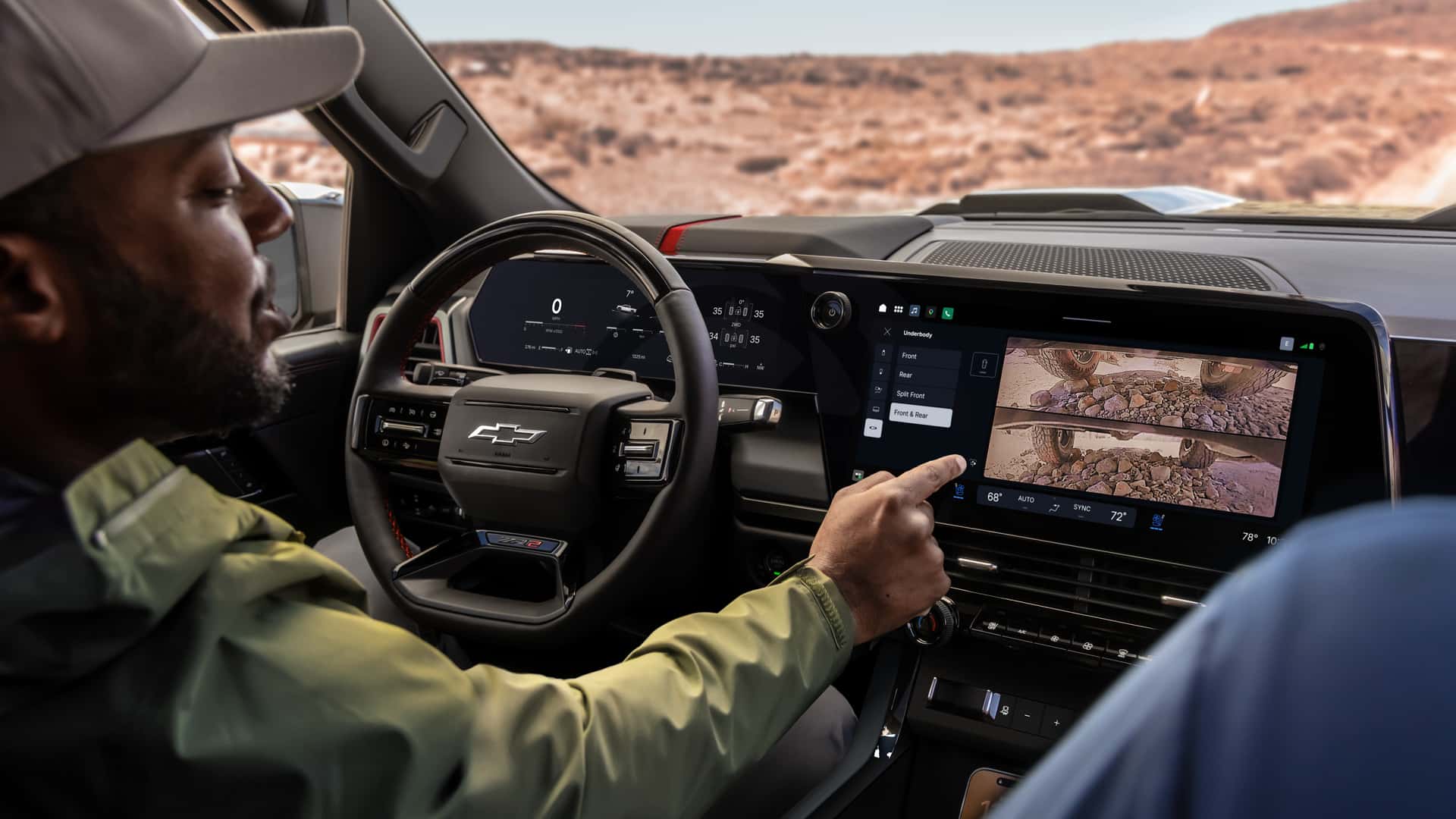
The technical resolution being introduced in the 2027 truck lineup involves a sophisticated, dual-pane user interface. Unlike the binary choice that existed in previous vehicles—where a user either chose the native GM OS or switched over to a full-screen projection of their phone—the new system allows for a side-by-side coexistence.
In this updated configuration, the vehicle’s native infotainment system functions simultaneously with the projection software. A large, high-resolution window dedicated to Apple CarPlay or Android Auto occupies the primary space on the central display, while the vehicle’s native navigation, climate controls, and drive-mode settings remain accessible in adjacent segments of the screen. This design addresses the primary complaint regarding previous systems: the "friction of navigation," which required drivers to toggle between two completely different user environments, often forcing them to exit a phone-based map application to adjust a vehicle setting.
By casting the smartphone interface into a defined, scalable window, GM is effectively creating a hybrid ecosystem. This ensures that the vehicle’s critical information remains persistent, while the driver retains access to their preferred mobile applications, thus satisfying both the automaker’s desire for data control and the consumer’s demand for smartphone convenience.
Clarifying the Scope: Official Statements
While the presence of Apple CarPlay and Android Auto in the upcoming 2027 pickups is confirmed, there remains a degree of ambiguity regarding the broader implementation of this interface across the rest of the GM portfolio. The term "scalable foundation," used in press materials, initially sparked speculation that this dual-interface design would be rolled out universally across all gas, diesel, and electric models.
In an effort to provide clarity, a spokesperson for General Motors issued a formal statement to the media, noting that the flexibility of the architecture does not necessarily dictate a uniform deployment. "A ‘scalable foundation’ is intended to convey flexibility of the framework, not signify future implementations," the spokesperson clarified. The statement emphasized that the 2027 light-duty pickups represent some of the highest-volume, most critical assets in the company’s portfolio, making them the primary focus for this new UI.
Crucially, the statement also highlighted that because these specific trucks are powered by internal combustion engines, they were always slated to support these connectivity features. The evolution here is not the inclusion of the software, but the integration of it. This distinction is vital for investors and analysts who are watching to see if GM will eventually backtrack on its plan to remove smartphone projection from its future battery-electric vehicle (BEV) lineup, which remains the most contentious part of their earlier strategy.
Enhanced Visualization and Human-Machine Interface
Beyond the inclusion of smartphone mirroring, the updated infotainment system represents a broader redesign of the GM user experience. The 2027 models will feature high-contrast hardware designed to enhance legibility under varying lighting conditions, a standard that has become increasingly important as screens grow in size and complexity.
One of the most significant upgrades is the introduction of "mode-aware" gauge clusters. These digital displays are engineered to change their visual priority based on the vehicle’s current state. For example, if the vehicle is in an off-road mode, the display shifts to show pitch, roll, and traction control data. When Super Cruise—GM’s hands-free driver assistance system—is active, the cluster provides sophisticated 3D visualizations that display the vehicle’s perception of the world, including real-time lane markers, surrounding traffic, and object detection.
This focus on 3D visualization serves two purposes: it provides the driver with a sense of security and transparency regarding the autonomous system’s capabilities, and it demonstrates the power of the native OS, which the company still maintains is superior to the simplified displays offered by standard smartphone projection.
Industry Implications and the Road Ahead
The decision by General Motors to retain Apple CarPlay and Android Auto in its flagship trucks, albeit in a modified form, highlights a broader tension currently playing out across the automotive sector. As vehicles transition into "software-defined" entities, manufacturers are engaged in a tug-of-war for the driver’s attention and data.
Companies like Tesla have long opted for a closed ecosystem, successfully maintaining control over the entire user experience. Other manufacturers, such as Ford, have taken a more collaborative stance, arguing that smartphone integration is a "must-have" feature that directly influences purchasing decisions. For GM, the current path represents a compromise. By creating a system that blends native functionality with third-party apps, the company is attempting to maintain the integrity of its own platform while acknowledging that, for the average consumer, the smartphone is the primary hub of digital life.
The financial implications of this strategy are significant. Integrating smartphone projection requires ongoing development and coordination with Apple and Google, whereas a proprietary system offers the potential for future revenue streams through software-as-a-service subscriptions and data monetization. Whether this hybrid approach will be enough to satisfy both the company’s long-term business goals and the immediate preferences of its customer base remains to be seen.
The Future of Connectivity
As the automotive industry continues to evaluate the role of the dashboard, the 2027 Silverado and Sierra serve as a test case for a new era of infotainment. If the user feedback is positive, it is highly probable that this "scalable foundation" will find its way into a wider array of the company’s products. Conversely, if the system proves to be too complex or if consumers demand a return to the standard full-screen smartphone projection, GM may be forced to refine its strategy once more.
For now, the inclusion of these features in such a high-volume, profitable segment suggests that General Motors is listening to its market. The era of the "all-or-nothing" approach to automotive software appears to be giving way to a more nuanced, integrated reality. As technology continues to evolve, the ability to seamlessly bridge the gap between the car’s native capabilities and the consumer’s mobile life will likely be the defining characteristic of successful automotive design in the coming decade.
Related posts: