Ariel Nomad Conquers the Brutal 2026 Morocco Desert Challenge Without a Single Mechanical Failure

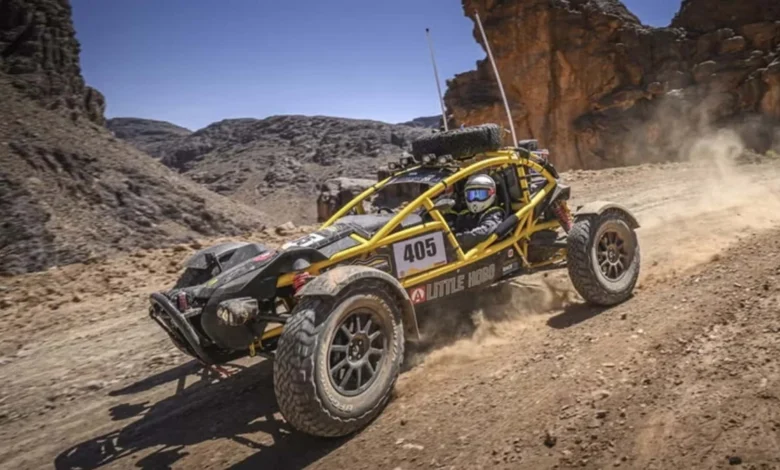
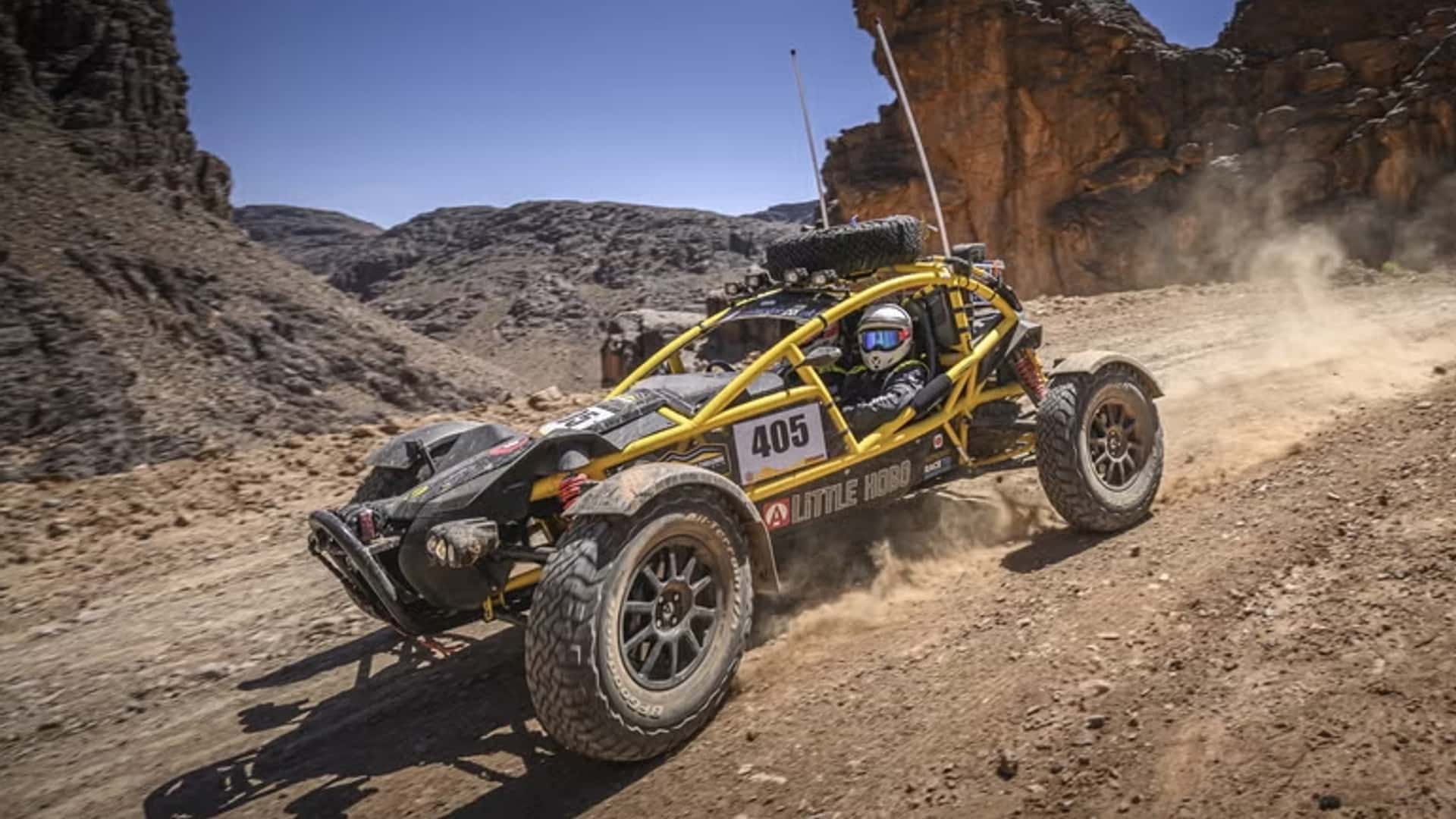
The Ariel Nomad has long been recognized as the off-road sibling to the track-focused Ariel Atom, but its recent performance in the 2026 Morocco Desert Challenge has elevated its reputation from a specialized hobbyist vehicle to a formidable rally-raid contender. Over the course of eight grueling days, the lightweight buggy traversed more than 1,700 miles of unforgiving North African terrain, navigating shifting dunes, jagged rock beds, and extreme temperature fluctuations. The vehicle, prepared by the Ariel Motor Company in collaboration with its owner, successfully completed every stage of the event, maintaining structural and mechanical integrity without a single major breakdown.
The Morocco Desert Challenge: An Overview of the Arena
The Morocco Desert Challenge is widely regarded as one of the most demanding rally-raid events in the world, often serving as a crucible for manufacturers and privateers alike. Unlike shorter circuit races, the event spans over a week, requiring both high-speed endurance and technical precision. Competitors are tasked with navigating complex off-road stages that test the limits of drivetrain cooling, suspension dampening, and chassis durability.
For a vehicle like the Ariel Nomad, which is primarily designed for high-performance off-road leisure, the 2026 challenge represented a significant departure from its intended use case. The event is characterized by its "marathon" nature, where teams must balance aggressive driving with long-term mechanical preservation. By finishing the event, the Nomad has validated the underlying engineering of the Ariel platform—a minimalist, steel-tube chassis design that prioritizes a high power-to-weight ratio and agility over heavy-duty armored mass.
Technical Evolution: Preparing the Nomad for the Dunes
To survive the 1,700-mile odyssey, the Nomad underwent a series of strategic modifications. While the core DNA of the vehicle remained intact, Ariel engineers worked closely with the owner to optimize the car for the specific hazards of the Moroccan landscape.
The most significant upgrades focused on the suspension geometry and damping systems. The vehicle was equipped with bespoke Öhlins dampers, which were essential for managing the high-frequency impacts associated with desert terrain. These units allowed for a wider track and a higher ride height, providing the ground clearance necessary to clear boulders and deep ruts that would otherwise disable a standard road-legal vehicle.
Furthermore, the drivetrain received targeted reinforcement. The driveshafts were beefed up to handle the increased stress of high-torque delivery in loose sand and the shock loads experienced upon landing from dunes. These modifications were, by design, modular and theoretically accessible to private owners, demonstrating that the standard Nomad architecture possesses the inherent scalability to handle extreme rally-raid conditions without requiring a complete re-engineering of the chassis.
A Chronology of Endurance
The eight-day event served as a rolling laboratory for the Nomad’s performance. During the opening stages, the vehicle proved its agility on the faster, hard-packed trails, where its lightweight construction allowed it to maintain higher cornering speeds than many of its heavier, production-based 4×4 rivals.

As the rally progressed into the deeper, more technical sand sections of the Sahara, the Nomad faced its greatest challenge: thermal management and sand ingress. Ariel reported that the maintenance schedule throughout the event was remarkably light. Outside of routine servicing—which included the replacement of air filters to combat the fine desert dust, regular oil changes, and fresh brake pads—the vehicle remained in its factory-spec condition. The suspension dampers, having endured thousands of high-velocity cycles, were serviced according to the manufacturer’s intervals, ensuring consistent handling throughout the final stages of the race.
The conclusion of the final stage marked a significant milestone for the British manufacturer. Completing the rally without a single mechanical failure is a feat rarely achieved by production-based light vehicles in competitive rally-raid, where "DNF" (Did Not Finish) results due to transmission, electrical, or chassis failure are commonplace.
Analyzing the Engineering Implication
The success of the Nomad in Morocco carries implications for the broader off-road automotive sector. In an industry increasingly focused on heavy, electrified SUVs, the Ariel Nomad serves as a reminder of the efficiency of minimalism. By keeping the vehicle weight low, the stresses on the engine, transmission, and braking systems are inherently reduced.
The fact that the Nomad relied on routine maintenance rather than emergency field repairs suggests that the vehicle’s "exoskeleton" design is exceptionally robust. The tubular steel frame provides a high level of torsional rigidity, which, when paired with high-quality components like the Öhlins suspension, creates a platform that is more resilient than it appears. This performance validates the company’s philosophy that complexity is often the enemy of reliability in off-road environments.
Industry and Manufacturer Perspective
While Ariel Motor Company has not announced plans to move into professional factory-backed rally-raid racing, the success of this project has generated significant interest. The "Nomad Morocco" project, as it has been dubbed, highlights the potential for the brand to offer specialized "Rally Packages" or "Adventure Editions" for customers looking to take their vehicles beyond the local trail.
Industry analysts suggest that this performance provides Ariel with a powerful marketing tool. In the luxury and performance automotive segments, "race-proven" status remains the gold standard for consumer confidence. By proving that a modified, yet fundamentally stock-based, Nomad can handle the Moroccan desert, Ariel has effectively expanded the perceived utility of its entire lineup.
The Future of the Nomad Lineup
Looking ahead, Ariel continues to push the boundaries of its platform. The recent introduction of the E-Nomad concept—an electric variant of the off-roader—indicates that the company is exploring how its lightweight philosophy translates to battery-electric propulsion. The challenge for the E-Nomad will be replicating the reliability of the internal combustion model in remote, off-grid environments where power replenishment is difficult.
However, the success of the internal combustion Nomad in the 2026 Morocco Desert Challenge sets a high bar for future iterations. It demonstrates that regardless of the powertrain, the fundamental requirements for off-road success—durability, suspension efficiency, and weight management—remain the primary drivers of performance.
Broader Impact on Off-Road Enthusiasts
The event has resonated with the global community of off-road enthusiasts who value mechanical simplicity and driver engagement. As the market sees an influx of increasingly complex, software-heavy off-roaders, the Ariel Nomad stands in stark contrast. Its performance in Morocco serves as a tangible demonstration that a well-engineered, lightweight chassis can outperform more sophisticated, computerized rivals through sheer mechanical efficiency.
For the Ariel Motor Company, the focus now shifts to how they might leverage these findings to improve the production Nomad. Insights gained from the Moroccan desert regarding dust sealing, heat dissipation, and component longevity under extreme stress will likely find their way into future road-going models.
Ultimately, the Nomad has cemented its status as one of the most capable and versatile machines currently in production. By surviving the most grueling test of endurance, it has proven that it is not merely a "toy" for the track or the dirt path, but a serious piece of engineering capable of competing at the highest levels of desert rallying. Whether or not Ariel decides to pursue a dedicated rally-raid program, the company has successfully demonstrated the true, rugged capability of its most adventurous creation.