Electric Vehicle Market Dynamics Reveal Shift Toward Affordability and Used Inventory Amidst Economic Uncertainty

As global fuel prices maintain a persistent upward trajectory, the automotive landscape is undergoing a structural realignment, with consumers increasingly pivoting toward high-efficiency alternatives. While the allure of the internal combustion engine remains anchored in familiarity and lower initial capital expenditure, the surge in hybrid vehicle popularity signals a transitional phase for the average motorist. Parallel to this, the fully electric vehicle (EV) sector continues to navigate a complex recovery period, characterized by fluctuating sales figures, evolving pricing strategies, and a burgeoning secondary market that is rapidly becoming the primary driver of adoption for the cost-conscious consumer.
The State of the New Electric Vehicle Market
According to the latest comprehensive data from Cox Automotive, the new EV sector experienced a modest recovery in August, with sales rising 2.5 percent compared to the preceding month. However, this granular monthly improvement must be contextualized against a broader year-over-year contraction. Battery-electric vehicle (BEV) sales remain down by 46.9 percent compared to the same period in the previous year. This significant year-over-year deficit is largely attributed to a market anomaly in 2023, when consumers accelerated their purchasing timelines to capitalize on federal tax credits that were set to expire or change under updated regulatory guidelines.
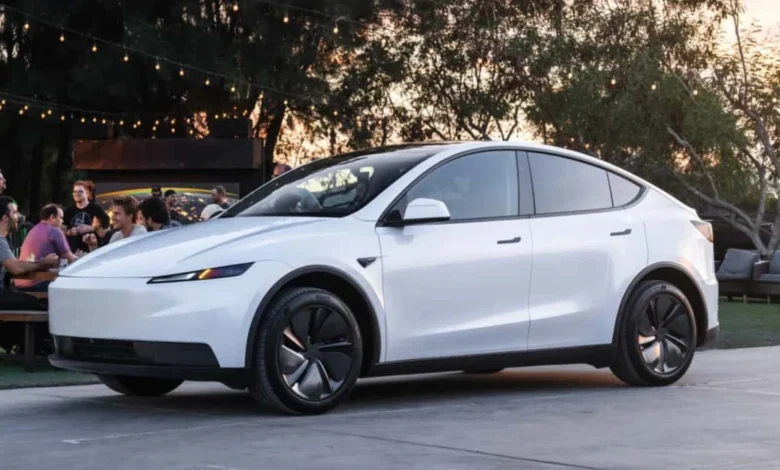
The market remains highly concentrated. Of the nearly 79,000 new EVs sold during the month of August, Tesla maintained its dominant market position, moving just under 41,000 units. Despite this volume, the brand recorded a 3.8 percent decline in sales compared to July, suggesting that even the market leader is not immune to the cooling demand that has characterized the wider automotive sector. Meanwhile, Toyota has demonstrated a noteworthy surge in performance, with sales increasing by 34.9 percent to 4,964 units, highlighting the success of the manufacturer’s diversified electrification strategy.
Price Parity and the Evolving Cost Structure
For years, the price premium associated with electric propulsion has served as a primary barrier to entry for mainstream consumers. Recent data indicates that this hurdle is beginning to lower. The average transaction price for a new EV dipped 1.3 percent in August and is down 2.8 percent on a year-over-year basis.
While the average price of a new EV—currently sitting at $54,754—remains elevated compared to the $49,907 average for internal combustion vehicles, the gap is narrowing. Economists observe that as manufacturing efficiencies improve and competition intensifies, the industry is gradually approaching a point of price parity. This trend is vital for long-term adoption, as the total cost of ownership—which includes fuel savings and reduced maintenance requirements—becomes more visible to buyers who previously found the entry price prohibitive.
The Rise of the Used Electric Vehicle Market
While the new vehicle segment shows signs of stabilization, the used EV market is experiencing a significant boom. Cox Automotive reports that used EV sales surged 25.9 percent in August alone, with a 14.7 percent increase recorded over the previous 12-month period, totaling 44,350 units sold.
The primary catalyst for this secondary market growth is the return of vehicles from three-year leasing cycles. As these off-lease models reach dealership lots, they offer a highly attractive entry point for consumers who are wary of the higher sticker prices associated with new inventory. The average listing price for a used EV in August was $37,441, a 1 percent decline from July. Although this figure represents an 8.2 percent increase compared to the same time last year, it remains substantially more accessible than the average new vehicle price.
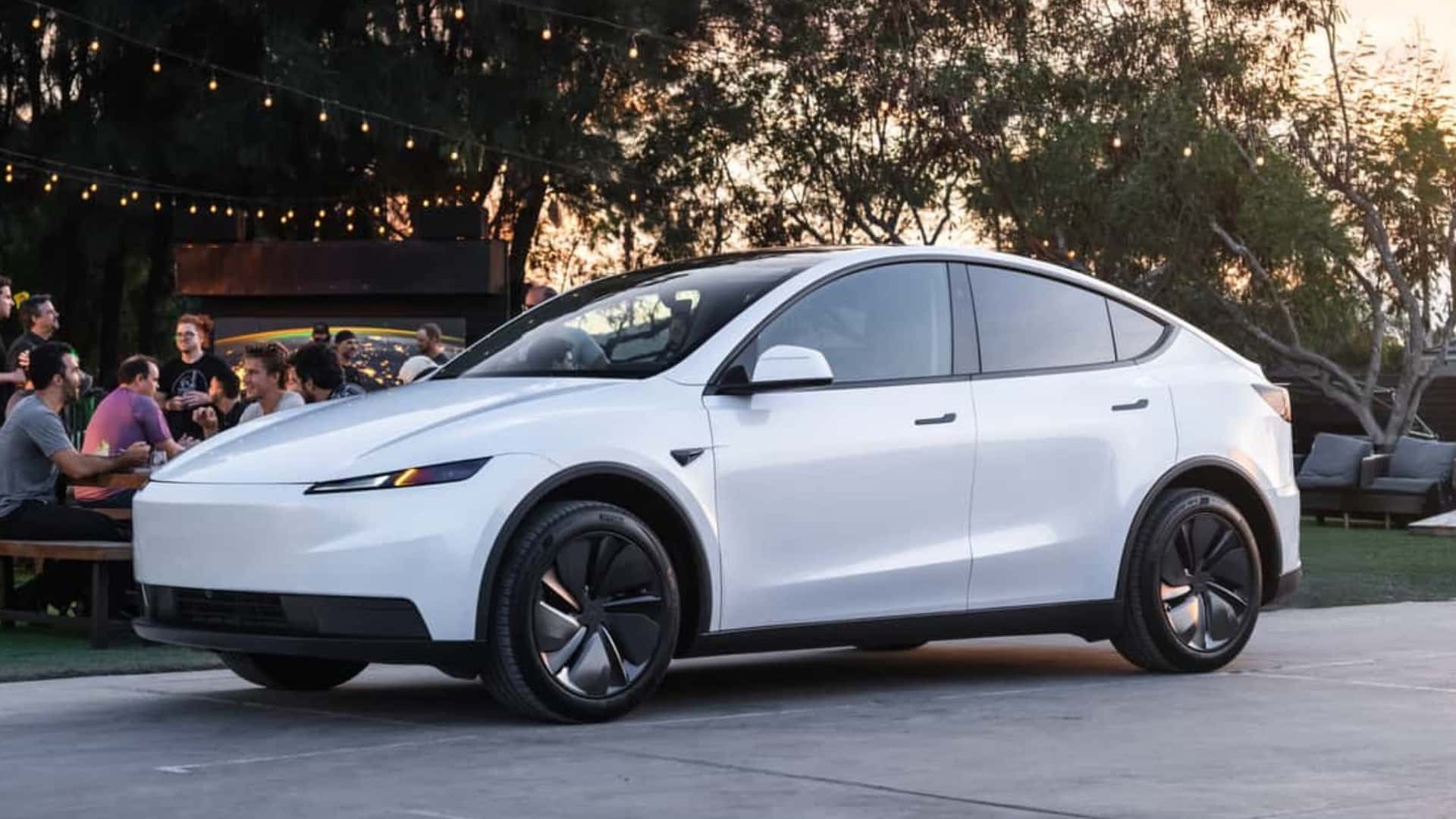
Market share in the used sector reflects the broader dominance of the leading manufacturers, with Tesla accounting for nearly 30 percent of all used EV transactions. However, traditional automakers are making substantial inroads; Nissan and Kia reported significant gains in used sales, with growth rates of 45.1 percent and 32.1 percent, respectively. This data underscores a diversifying secondary market where consumers are increasingly looking beyond the premium-tier brands for reliable, depreciated electric options.
Consumer Preferences and Model Performance
The current consumer appetite for electric vehicles remains tethered to proven platforms. According to industry analysis, the Tesla Model 3 and Model Y continue to lead in terms of volume and month-over-month growth. Additionally, the Ford Mustang Mach-E has cemented its position as a high-demand vehicle in the secondary market. These models represent the "benchmark" vehicles for most consumers—offering a balance of range, charging infrastructure support, and software integration that, for many, defines the modern electric driving experience.
Economic Implications and Future Outlook
The shift toward the used EV market carries significant implications for the automotive industry’s electrification goals. By providing a secondary pipeline of affordable vehicles, the market is effectively "democratizing" the EV experience. For the average household, the decision to switch to an electric vehicle is often driven by the intersection of volatile gas prices and the availability of affordable, reliable used units.
As the industry moves into the final quarter of the year, several factors will influence the trajectory of EV sales:
- Interest Rates: Persistent high-interest rates continue to dampen auto financing, affecting both new and used sales.
- Infrastructure Expansion: The ongoing development of the national charging network remains a critical variable in consumer confidence.
- Regulatory Environment: Changes to federal and state-level incentives continue to play a pivotal role in consumer purchasing behavior.
Industry experts anticipate that as the volume of used EVs continues to expand, the market will see a shift in the typical "buyer persona." No longer restricted to early adopters or high-income households, the electric vehicle market is increasingly catering to the pragmatic, middle-class consumer who views the vehicle primarily as a tool for economic efficiency.
Conclusion: A Market in Transition
The data from August 2024 paints a clear picture of a market in flux. While the new EV market is struggling to overcome the high-water mark set by tax credit-fueled sales in 2023, the underlying demand remains robust, particularly in the used sector.
For the automotive industry, the challenge remains to maintain profitability while simultaneously driving down costs to meet the expectations of a broader consumer base. As the supply of off-lease vehicles increases and manufacturers refine their production strategies, the transition toward electric propulsion is likely to gain momentum. The current surge in used sales provides a necessary buffer, ensuring that the electric transition remains a viable path for the average American driver looking to escape the volatility of the gas pump.
As always, the success of these initiatives will depend on the alignment of technological capabilities with consumer economic realities. With the industry continuing to track closely toward these metrics, the coming months will be telling as to whether the current momentum in the used market can successfully pull the new vehicle segment out of its stagnation and into a period of sustainable, long-term growth.
Related posts: