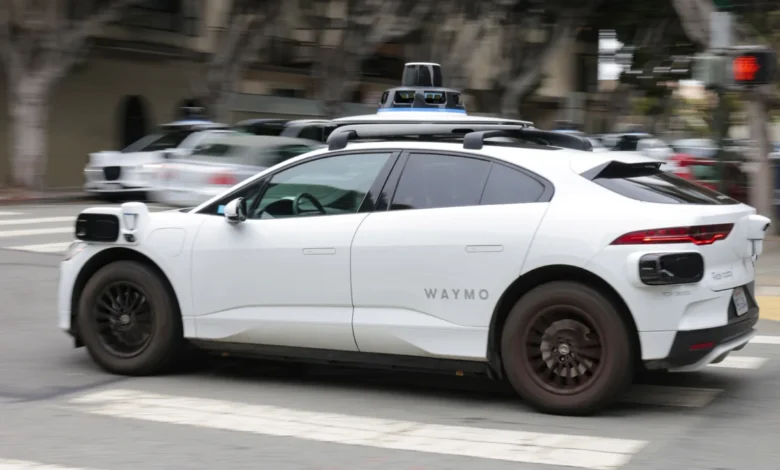
The landscape of urban transportation is undergoing a profound and contentious transformation as autonomous vehicle companies race to scale their operations across major American metropolitan areas. While some cities have eagerly welcomed the emergence of commercial robotaxis, others have pushed back against the rapid influx of driverless technology. Minneapolis has introduced a regulatory framework that could fundamentally alter how autonomous ride-hailing services operate within city limits. Under a proposed ordinance titled "Workers Drive Minneapolis," the city is considering a mandate that would require a licensed human driver to be seated behind the controls of any commercial autonomous vehicle at all times, effectively challenging the foundational business model of companies like Alphabet’s Waymo.
The initiative emerges amidst a deeply polarized national debate regarding the deployment of driverless vehicles on public streets. Reception to Waymo’s expanding robotaxi fleet has varied dramatically across the United States. In cities like Los Angeles, autonomous vehicles have gradually established a foothold following an initial wave of community resistance and protests. Conversely, other municipalities, such as Boston, have outright rejected proposed autonomous operations, citing severe concerns over safety, infrastructure readiness, and accountability. Minneapolis is attempting a regulatory middle ground: allowing companies to test and potentially operate, but conditioning commercial deployment on the preservation of human labor and localized accountability.
Understanding the "Workers Drive Minneapolis" Proposal
The proposed legislation, spearheaded by city officials including City Council Member Robin Wonsley, aims to establish stringent municipal oversight over the autonomous vehicle sector. According to local reports, the ordinance would mandate that any autonomous rideshare enterprise secure a formal operating license from the city prior to launching services. While licensing requirements are standard procedure for transportation network companies, the Minneapolis proposal introduces a unique and controversial caveat: a qualified, licensed human driver must remain within immediate reach of the vehicle’s manual controls at all times during operation. Furthermore, the mandate stipulates that these human operators must be compensated at or above the city’s applicable minimum wage standards.
Proponents of the measure argue that the regulation is essential for safeguarding local labor markets and protecting vulnerable workers from economic displacement. Council Member Wonsley emphasized that the ordinance addresses critical public safety and socioeconomic concerns. Without such protective measures, city leaders contend that local drivers—many of whom are immigrants or working-class individuals relying on ridesharing for their primary livelihood—face immediate economic vulnerability as automation scales up, leaving municipal residents exposed to the externalities of robotaxis without adequate accountability mechanisms.
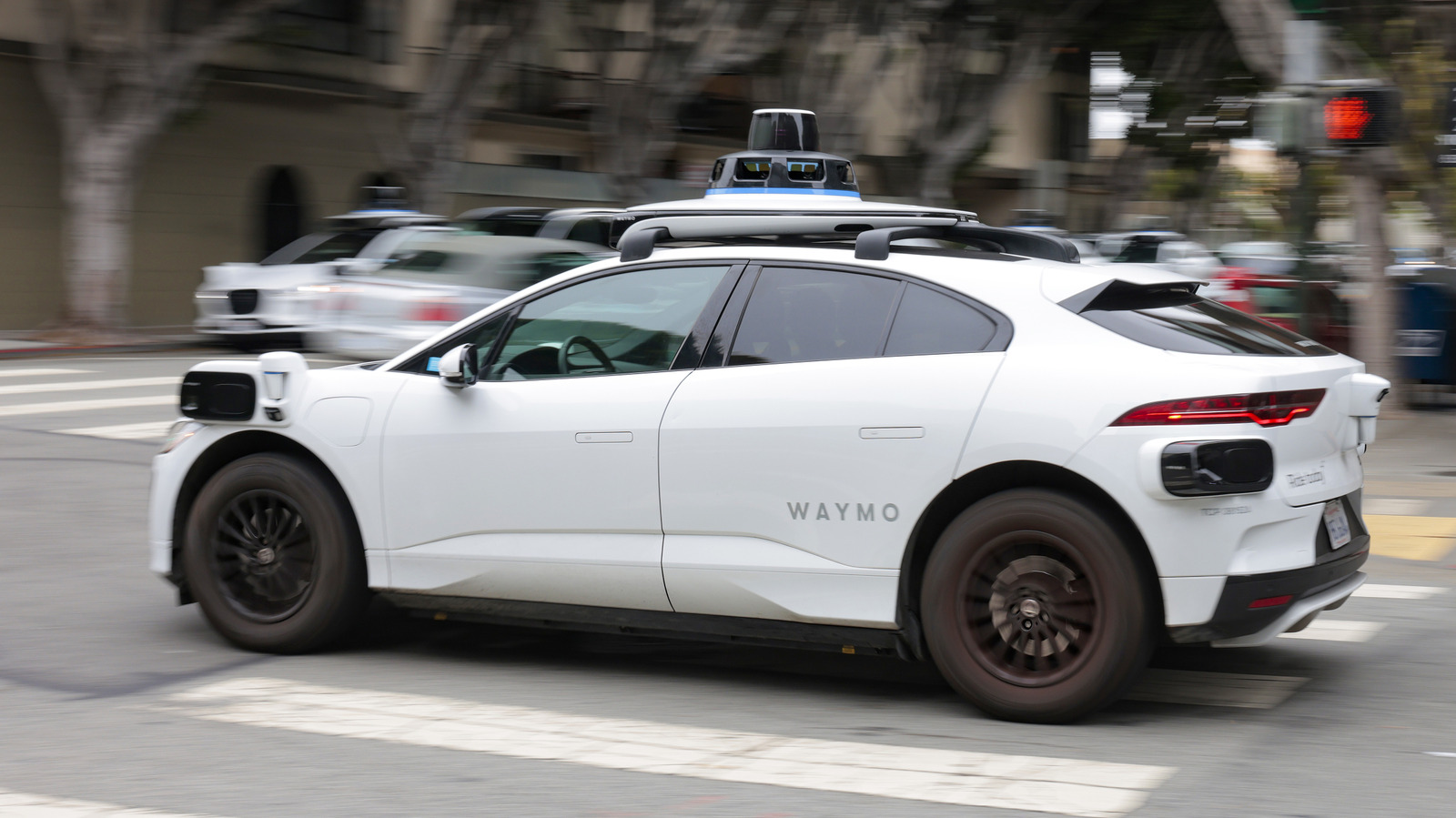
Supporters also point to the intangible benefits that human drivers provide to passengers, which automated systems cannot replicate. Community advocates, including members of local rideshare driver organizing committees, note that human operators frequently assist elderly passengers with groceries, help intoxicated or vulnerable individuals navigate safely to their destinations, and offer social support during transit. Proponents argue that the presence of a human in the driver’s seat enhances community welfare and interpersonal safety in ways that lidar sensors and algorithms simply cannot achieve.
The Autonomous Industry Response and the Threat of Market Exit
The response from the autonomous vehicle industry to the Minneapolis proposal has been swift and uncompromising. Waymo, which is currently conducting early-stage testing within the city, characterized the municipal ordinance as a de facto ban on true autonomous vehicles. Industry analysts and corporate representatives argue that mandating a human monitor behind the wheel negates the core economic and technological premise of autonomous transportation.
The primary business objective driving companies like Waymo, Cruise, and Zoox is the eventual elimination of labor costs—traditionally the highest operational expense for ridesharing services. By requiring a salaried or wage-earning human worker to occupy the driver’s seat permanently, the ordinance strips away the scalability and financial viability of the robotaxi model. For a company heavily invested in unsupervised autonomous driving, deploying fleets that require constant human supervision in Minneapolis may ultimately render the market economically unviable, prompting the firm to bypass the city entirely.
This tension highlights a growing regulatory friction between municipal governments seeking to protect local labor forces and technology firms eager to commercialize artificial intelligence in transportation. While state and federal regulations often dictate the technical safety standards for autonomous vehicles, cities are increasingly attempting to leverage local licensing powers to address broader socio-economic fallout.
Safety Records, Incidents, and Public Concerns
Underpinning the political debate in Minneapolis is a complex and frequently contradictory body of safety data surrounding autonomous vehicles. Currently, Waymo’s testing phase in Minneapolis mirrors standard industry protocols: vehicles operate without paying passengers while a human safety driver sits behind the wheel, either actively driving to map and collect environmental data or monitoring the vehicle’s automated systems. However, the city’s proactive legislative stance is heavily influenced by the well-documented track record of fully autonomous vehicles operating in other major urban centers, such as San Francisco, Phoenix, and Austin.
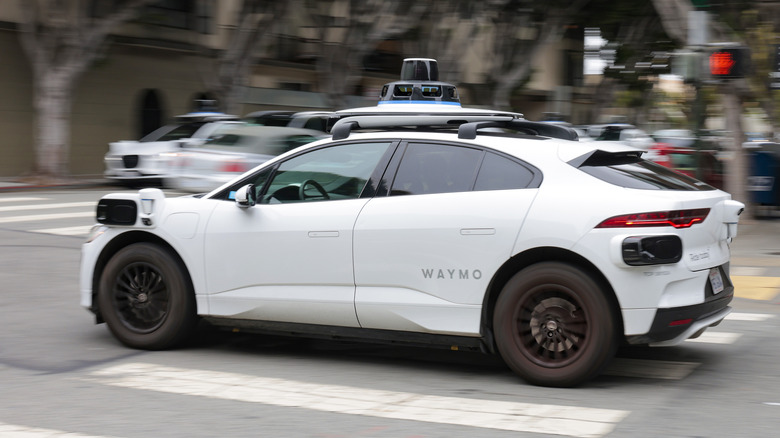
While autonomous advocates frequently cite research—including studies by the Insurance Institute for Highway Safety (IIHS)—suggesting that robotaxis can eventually achieve safety records superior to human drivers, municipal authorities and emergency responders have pointed to numerous operational failures. In various deployment cities, autonomous vehicles have been involved in high-profile incidents, including:
- Jamming urban thoroughfares and causing unexpected traffic gridlock.
- Obstructing emergency response vehicles during active calls.
- Failing to yield properly to stopped school buses, despite software updates intended to resolve the issue.
- Executing erratic maneuvers, such as inadvertently driving through active police felony stops.
These incidents have fueled skepticism among urban planners and community members who question whether autonomous technology is truly ready for dense, unpredictable city environments. Proponents of the Minneapolis ordinance argue that having a human operator present acts as an indispensable safety net capable of intervening during edge-case scenarios where current artificial intelligence fails.
Chronology of Autonomous Regulation in Minneapolis
The regulatory battle in Minneapolis represents a distinct chapter in the broader national timeline of autonomous vehicle integration:
- Early Deployment Phase: Waymo initiates mapping and manual-supervised testing phases within Minneapolis, utilizing vehicles staffed with human operators to gather topographical and traffic data without transporting members of the public.
- Introduction of Legislation: City council members, responding to advocacy groups and labor organizations concerned about job security, draft the "Workers Drive Minneapolis" ordinance to establish mandatory municipal licensing and human-driver requirements.
- Public Discourse and Hearings: Local media outlets and policy groups highlight the economic and social implications of the proposal, drawing stark contrasts between labor protection and technological progress. A pivotal public hearing is scheduled for late September to debate the adoption of the licensing framework.
- Industry Pushback: Autonomous vehicle representatives issue strong rebukes, warning that the mandatory human-driver clause effectively outlaws autonomous operations and threatens to stifle technological innovation within the city.
Broader Economic and Policy Implications
The outcome of the Minneapolis proposal could establish a significant precedent for other mid-sized and major metropolitan areas grappling with the advent of autonomous transportation. As rideshare automation expands, municipal governments across the country are forced to weigh the promises of technological efficiency and potential safety improvements against the immediate reality of workforce displacement.
If Minneapolis successfully enacts and defends the "Workers Drive Minneapolis" ordinance, it could empower other cities to demand stricter labor protections and local accountability mechanisms from technology firms. Conversely, if the ordinance results in Waymo abandoning the market, it may serve as a cautionary tale for municipalities wishing to assert control over rapid technological disruption, illustrating the fine line cities must walk between protecting local labor and embracing the future of automated mobility. As the municipal debate moves toward its critical public hearings, the decision confronting Minneapolis officials transcends local transit policy, touching on the fundamental question of how modern cities will manage the intersection of human labor and artificial intelligence.
Related posts: