Cheetah Chrome, Feral Guitarist and Architect of the Dead Boys Punk Rock Legacy, Dies at 71

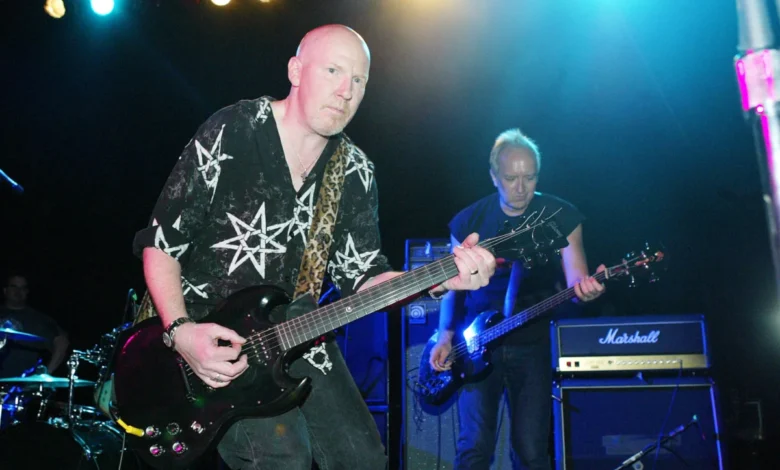
Eugene Richard O’Connor, globally celebrated by his stage name Cheetah Chrome as the incendiary lead guitarist of the pioneering punk rock outfit the Dead Boys, passed away on Sunday at the age of 71. His surviving bandmates confirmed the heartbreaking news through a joint statement shared on Instagram, plunging the international punk rock community into mourning for one of its founding architects.
Chrome was widely recognized not only for his blistering, high-octane guitar work that helped define the ferocious sound of late-1970s punk, but also for his foundational role in the underground music scenes of Cleveland and New York City. Operating with an unapologetic, visceral approach to rock and roll, Chrome helped draft the blueprint for the aggressive subgenre that would eventually influence generations of alternative, grunge, and hardcore bands worldwide. He is survived by his wife, Anna O’Connor, and their 14-year-old son, Rogan, in their longtime home of Nashville, Tennessee.
A Collective Mourning: Tributes and Official Statements
The official announcement shared on the band’s Instagram account detailed the immense sorrow felt by those who shared both the stage and personal lives with the legendary musician. Signed by bandmates Tony, Chris, Mark, and the broader Dead Boys family, the statement captured the duality of Chrome’s persona: a ferocious, unapologetic force of nature on stage, and a deeply compassionate, music-obsessed individual in private.
"We are incredibly sad to announce the news of the passing of our beloved friend and bandmate Cheetah Chrome," the band wrote in the post. "Cheetah was a true original, an architect of the punk rock movement. A one-man hurricane tearing up the musical landscape with his feral guitar riffs and manic energy. Beyond all that, Cheetah was also just a really sweet guy that loved rock and roll."
The statement concluded with a sentiment honoring his enduring influence: "We extend our deepest condolences to Cheetah’s family, friends, and fans around the world. His music lives on and will continue to inspire others for generations to come. We ask for privacy during this difficult time. Godspeed, Cheetah."
Tributes quickly poured in across social media platforms from fellow musicians, independent record labels, and cultural critics who recognized Chrome as a pillar of American punk history. Many highlighted his uncompromising artistic integrity, noting that unlike contemporaries who chased commercial radio success, Chrome remained fiercely dedicated to the raw, unpolished ethos of garage rock until his final days.
From Cleveland to the Bowery: A Chronology of a Punk Pioneer
To understand the cultural impact of Cheetah Chrome, one must look back at the crucible of the mid-1970s Midwest music scene. Born in Cleveland, Ohio, a city experiencing profound industrial decline and socio-economic shifting during that era, O’Connor found solace and expression in the burgeoning underground rock scene.
In 1974, Chrome joined forces with other local malcontents to form Rocket from the Tombs, a critically revered proto-punk band that, despite releasing very little recorded material during its initial lifespan, served as a crucial incubator for the American punk movement. Alongside figures like David Thomas and Peter Laughner, Chrome honed a style that blended the high-energy drive of the Stooges with the cerebral, avant-garde abrasiveness of the Velvet Underground.
Following the dissolution of Rocket from the Tombs, Chrome and fellow bandmate Frank Secich, along with charismatic frontman Stiv Bators and powerhouse drummer Johnny Blitz, formed Frankenstein. That project rapidly evolved into the Dead Boys, a name that signaled a permanent break from conventional rock-and-roll pleasantries.
Seeking a larger and more receptive audience, the band relocated to New York City in 1976. There, they quickly became fixtures at CBGB, the legendary Bowery club helmed by Hilly Kristal that served as the epicenter of the North American punk explosion. Sharing bills with acts like the Ramones, Television, and Blondie, the Dead Boys quickly earned a reputation as one of the most dangerous, unpredictable, and violently energetic live acts on the circuit. Bators’ self-destructive stage antics, combined with Chrome’s razor-sharp guitar leads, transformed every performance into an adrenaline-fueled spectacle.
The Discography: Young, Loud, and Snotty
The pinnacle of the Dead Boys’ recorded output arrived in 1977 with the release of their seminal debut studio album, Young, Loud and Snotty, issued via Sire Records. Produced by Genya Ravan, the record captured the volatile spirit of their live shows and featured anthems that would become enduring touchstones of the genre, most notably "Sonic Reducer." Widely regarded by music critics as one of the greatest punk rock songs ever recorded, "Sonic Reducer" showcased Chrome’s signature guitar riff—a muscular, hook-laden attack that has been covered by hundreds of bands, ranging from Pearl Jam to Guns N’ Roses.
Despite critical acclaim and a fiercely loyal cult following, commercial success proved elusive. The band’s aggressive image and confrontational lyrics created friction with mainstream radio and corporate record executives. In 1978, the Dead Boys released their sophomore studio album, We Have Come for Your Children, which featured a slicker production style courtesy of Felix Pappalardi but failed to capture the chaotic lightning-in-a-bottle magic of their debut.
Internal tensions, substance abuse struggles, and mounting frustration over a lack of commercial breakthrough led to the band’s official breakup in 1979. Over the subsequent decades, the original members would periodically reunite for sporadic live performances, capitalizing on their legendary status and introducing their catalog to younger generations of fans. However, they never returned to the studio to record a third full-length album. Prior to Chrome’s passing, the surviving members had been actively discussing plans for an extensive tour in 2027 to commemorate the 50th anniversary of Young, Loud and Snotty.
Life After the Dead Boys: Nashville Years and Solo Endeavors
Following the initial collapse of the Dead Boys, Chrome’s life was marked by both personal trials and creative reinvention. He struggled with severe drug and alcohol addiction throughout the 1980s and 1990s, a period that saw him moving between various cities and playing in transient musical projects, including collaborations with Stiv Bators and members of the Dead Boys under various monikers.
Eventually, Chrome achieved long-term sobriety and relocated to Nashville, Tennessee, which he embraced as his creative and domestic home base. In Nashville, he immersed himself deeply in the city’s vibrant roots-rock, punk, and Americana communities. He released solo material under his own name, including albums such as Cheetah Chrome and Solo Studio Boom, and authored a candid 2010 memoir titled Cheetah Chrome: StIV: The Story of the Dead Boys, which offered a firsthand account of the highs and lows of the 1970s punk explosion.
Broader Impact and Cultural Legacy
The passing of Cheetah Chrome marks the fading of a generation of musicians who built a genre out of noise, rebellion, and artistic desperation. As historians and musicologists reflect on his legacy, Chrome’s contributions extend far beyond a single decade or a handful of recorded tracks.
The aesthetic and sonic blueprint established by Chrome and the Dead Boys laid the groundwork for entire subgenres of popular music. The heavy distortion, blistering tempos, and anti-establishment posturing that Chrome championed on the stages of CBGB directly inspired the hardcore punk movement of the early 1980s, the grunge explosion of the 1990s in Seattle, and the countless independent garage-rock revivals of the 21st century.
Furthermore, Chrome’s later years—marked by his survival of the excesses of the 1970s music industry, his successful battle with addiction, and his eventual transition into a revered elder statesman of rock—provided a narrative of resilience. He remained approachable to fans, generous with his time, and fiercely protective of the historical integrity of the movement he helped create.
As the music world processes the loss of Eugene "Cheetah" O’Connor, his guitar work remains a permanent fixture of rock history. From the underground clubs of 1970s Cleveland to the global stages of the modern era, his legacy is etched into every feedback-drenched chord and every fast-paced tempo that continues to defy convention. The music will indeed live on, ensuring that the roar of the Dead Boys will echo for generations to come.
Related posts: