As the automotive landscape undergoes its most radical transformation in a century, Chinese manufacturing giant BYD is aggressively expanding its global footprint. Having already secured its position as the preeminent domestic automotive manufacturer in China, the company is now setting its sights firmly on Europe. In a strategic maneuver designed to bypass stringent regulatory hurdles, dodge potential trade tariffs, and localize supply chains, BYD leadership has confirmed that the brand will ultimately require a massive industrial footprint consisting of three vehicle assembly plants and one dedicated battery production facility within the European market.
This ambitious industrial expansion strategy was articulated earlier this week by Alfredo Altavilla, a veteran automotive executive and former Fiat Chrysler executive who currently serves as an advisor for BYD’s European operations. Altavilla’s revelations underscore a decisive turning point for the Chinese automaker, illustrating that its ambitions in the Old Continent extend far beyond mere export sales. By establishing a robust physical presence on European soil, BYD aims to challenge legacy automakers directly on their home turf, sending tremors of concern through traditional boardrooms in Stuttgart, Wolfsburg, Turin, and Paris.
The Impetus Behind the European Expansion
The push toward localized European production is driven by a complex matrix of geopolitical, regulatory, and economic factors. In recent years, the European Union has cast a wary eye on the rapid influx of affordable, technologically advanced Chinese electric vehicles (EVs). Brussels has initiated rigorous anti-subsidy investigations and subsequently implemented punitive tariffs on battery-electric vehicles imported from China, creating a formidable financial barrier for foreign manufacturers attempting to scale their operations via imports alone.
By manufacturing vehicles within the borders of the European Union—or within closely aligned European nations—BYD can effectively neutralize these tariff pressures. Furthermore, local manufacturing allows the company to slash logistic overhead, significantly reduce carbon footprints associated with intercontinental shipping, and tailor its vehicle lineups more precisely to the nuanced preferences of European consumers.
Navigating Industrial Partnerships and Underutilized Assets
Executing a manufacturing footprint of this magnitude requires careful logistical planning, substantial capital allocation, and delicate diplomatic maneuvering. Rather than breaking ground on entirely greenfield sites for all of its planned locations, BYD is exploring a pragmatic hybrid approach. According to Altavilla, the company has already initiated exploratory discussions with government officials and legacy automotive manufacturers in key European automotive hubs, including Spain, France, and Italy.

The core objective of these discussions is to identify and potentially acquire underutilized or abandoned manufacturing facilities. By breathing new life into dormant industrial sites, BYD can accelerate its time-to-market while simultaneously ingratiating itself with local governments eager to preserve manufacturing jobs and revitalize regional economies. However, this strategy is not without its complications. The geopolitical sensitivities surrounding Chinese investment in critical European industrial sectors remain high, meaning that every prospective site selection will likely face intense regulatory and political scrutiny.
Current Infrastructure and Strategic Realignments
BYD’s European infrastructure blueprint is already taking tangible shape, though not without notable turbulence. The crown jewel of its current European strategy is the newly constructed manufacturing facility located in Szeged, Hungary. This state-of-the-art plant is designed to boast an annual production capacity of up to 200,000 vehicles. Marking a significant milestone in the company’s timeline, BYD has officially completed construction on the Szeged site and has already commenced preliminary trial production runs. Large-scale commercial manufacturing at the Hungarian facility is slated to kick off earnestly between November and December.
Conversely, the road to widespread European manufacturing has encountered speed bumps elsewhere. In 2024, BYD announced grand plans to construct a massive production facility in Manisa, Turkey, boasting a targeted annual capacity of 150,000 vehicles. Initial projections anticipated that the Turkish plant would come online by late 2026. However, recent economic shifts and strategic realignments have forced the automaker to put work at the Manisa site on indefinite hold, shifting a heavier burden of the company’s near-term European volume targets onto the Hungarian operation and prospective future acquisitions.
Shifting Tides: Surging International Sales Offset Domestic Dips
The urgency behind BYD’s international expansion is further amplified by shifting dynamics within the company’s home market. While BYD remains a dominant force in China, the fiercely competitive domestic EV market—characterized by relentless price wars and narrowing profit margins—has begun to take a toll.
Throughout the current fiscal year, BYD’s sales within China experienced a notable contraction, slipping 32.7 percent year-over-year to 1.505 million vehicles. This domestic slowdown underscores the absolute necessity of foreign expansion to sustain the automaker’s hyper-growth trajectory.
Fortunately for the company, plummeting domestic figures have been more than offset by an unprecedented surge in international demand. Overseas deliveries of BYD vehicles have skyrocketed across Latin America, Southeast Asia, Australia, and Europe. Reflecting this robust global appetite, corporate forecasts indicate that BYD expects to close out the year with total international sales hovering between 1.9 million and 2.0 million units. This remarkable export performance highlights the brand’s growing global consumer appeal, validating management’s decision to pivot aggressively toward international markets.

A Timeline for Future Development
Looking ahead, BYD’s roadmap for Europe is structured around deliberate, methodical milestones. Altavilla indicated that the company aims to finalize a decision regarding the location of its second European manufacturing site by the conclusion of the calendar year. Once that choice is secured, leadership will pivot toward determining whether to prioritize the establishment of the third vehicle assembly plant or to fast-track the dedicated European battery manufacturing facility.
Building a localized battery plant is viewed by industry analysts as a critical strategic imperative. Batteries represent the single most expensive component of an electric vehicle, and transporting them across vast distances introduces supply chain vulnerabilities and regulatory complexities. By producing batteries locally, BYD can ensure compliance with stringent European regulations regarding local content requirements and carbon lifecycle accounting.
Broader Industry Implications and Competitor Reactions
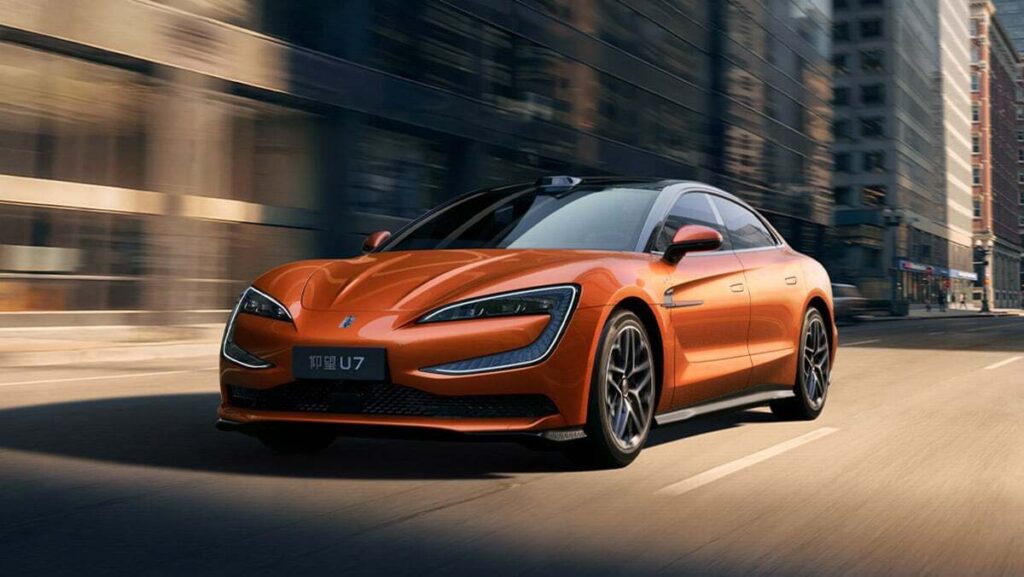
The implications of BYD’s sustained push into Europe extend far beyond corporate balance sheets; they signal an existential challenge to the traditional European automotive establishment. For decades, legacy European automakers enjoyed undisputed dominance over their home markets, leveraging brand heritage, dealer networks, and engineering prowess to maintain market share.
However, the rapid acceleration of the EV transition caught many legacy brands flat-footed. Companies like Volkswagen, Stellantis, and Renault are now scrambling to lower production costs, improve software architectures, and develop affordable battery-electric models that can compete with the cost-efficiency of Chinese imports.
The prospect of a deeply localized BYD operating multiple assembly plants and a gigafactory within European borders threatens to erode the traditional pricing advantage that legacy brands are desperately trying to build. BYD’s vertically integrated business model—spanning everything from raw material extraction and semiconductor manufacturing to battery production and final vehicle assembly—grants the company an enviable cost structure that legacy automakers currently struggle to replicate.
Conclusion
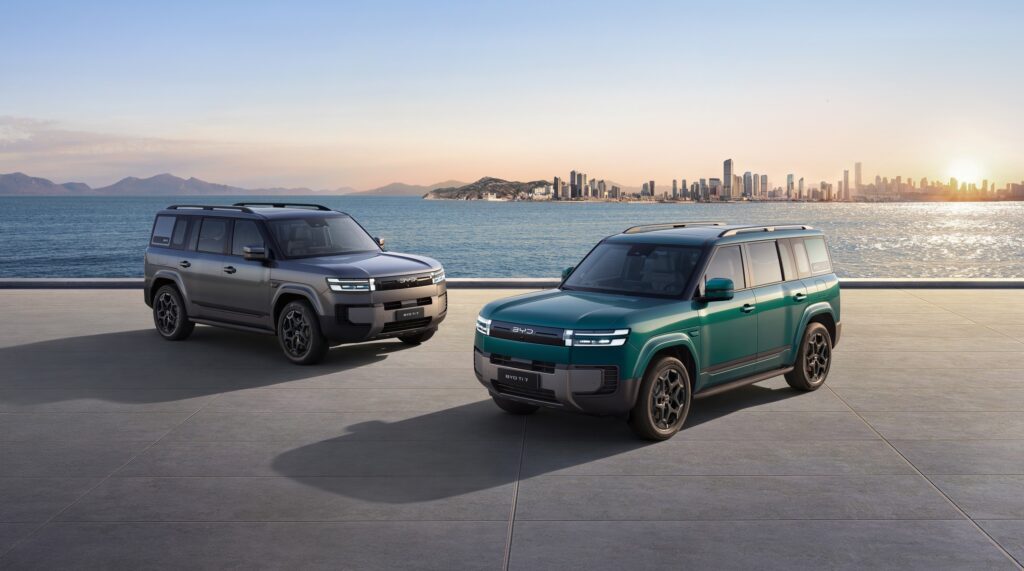
BYD’s calculated march into the European market represents one of the most significant industrial migrations in modern automotive history. While hurdles remain—ranging from political friction and regulatory hurdles to the successful integration of dormant manufacturing sites—the automaker’s trajectory is clear. With trial production underway in Hungary, strategic site evaluations ongoing across Southern Europe, and international sales figures shattering previous records, BYD is steadily transforming from a regional Chinese powerhouse into a truly ubiquitous global automotive titan. As the company works toward its ultimate goal of three assembly plants and a dedicated battery facility in Europe, legacy competitors are left with a narrowing window to adapt to a fundamentally altered global playing field.
Related posts: