Aaron Rodgers to be released by Pittsburgh Steelers after accusing head coach Mike McCarthy of ‘sleeping in meetings’

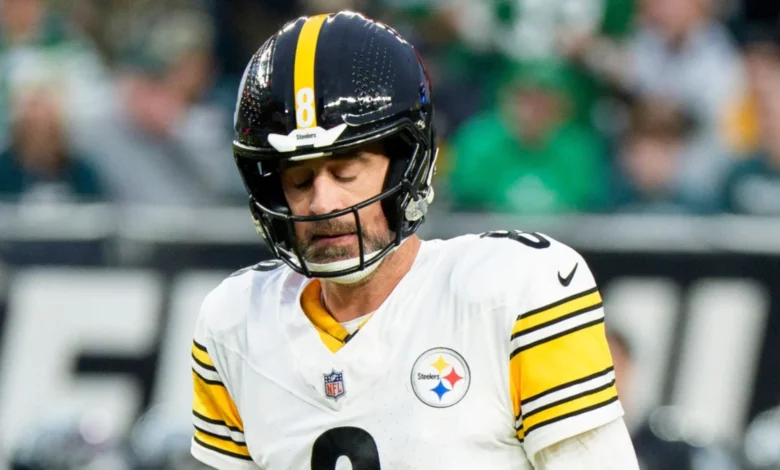
The fracture between the veteran signal-caller and the franchise became public on the Pat McAfee Show, where Rodgers provided a detailed account of what he described as a systemic collapse of leadership within the Steelers’ organization. According to Rodgers, the decision to bench him for the upcoming clash against the Denver Broncos—effectively handing the starting job to Mason Rudolph—was the catalyst for his decision to speak out. While the team officially designated Rodgers as inactive, the fallout from his revelations has reportedly accelerated his imminent release from the roster.
A History of Success Turned Sour
The relationship between Rodgers and McCarthy is one of the most storied in modern NFL history. The pair famously spearheaded the Green Bay Packers’ run to a Super Bowl XLV victory in 2010. Their professional reunion in Pittsburgh, which occurred when Rodgers played a pivotal role in advocating for McCarthy to succeed Mike Tomlin, was initially viewed as a homecoming of sorts—a veteran quarterback reuniting with a trusted mentor to chase one final championship.
However, the 2026 season has been characterized by on-field struggle and off-field friction. With Rodgers in his 22nd and final NFL season, the expectation was that the duo would provide stability. Instead, the team has languished, and the rapport between the coach and his star player has disintegrated into accusations of negligence.
The Chronology of an Organizational Collapse
According to Rodgers, the signs of dysfunction were not isolated incidents but rather a pattern of behavior that spanned the entirety of the work week leading up to the team’s recent defeat.
- Wednesday: During a standard quarterback meeting, Rodgers alleges that McCarthy arrived late, sat down, and repeatedly fell asleep, with colleagues noting the sound of snoring during film study.
- Thursday: The head coach reportedly missed a crucial offensive meeting and failed to attend the team’s protection walkthrough.
- Friday: McCarthy was absent from the final team walkthrough, leaving players to prepare for the weekend without direct supervision.
- Saturday: The pattern continued with a missed morning meeting, leaving the team without a unified game plan or locker room direction ahead of their matchup in Philadelphia.
- Sunday: The game itself resulted in a poor performance that heightened tensions between the offensive and defensive units.
The most bizarre detail shared by the quarterback occurred during halftime of the Sunday game. Rodgers recounted that while addressing the team, McCarthy—without context or explanation—shouted, "One, two, three, Packers!" The incident reportedly left the locker room stunned, with players questioning the head coach’s focus and commitment to the current Pittsburgh organization.
Professional Conduct and Health Concerns
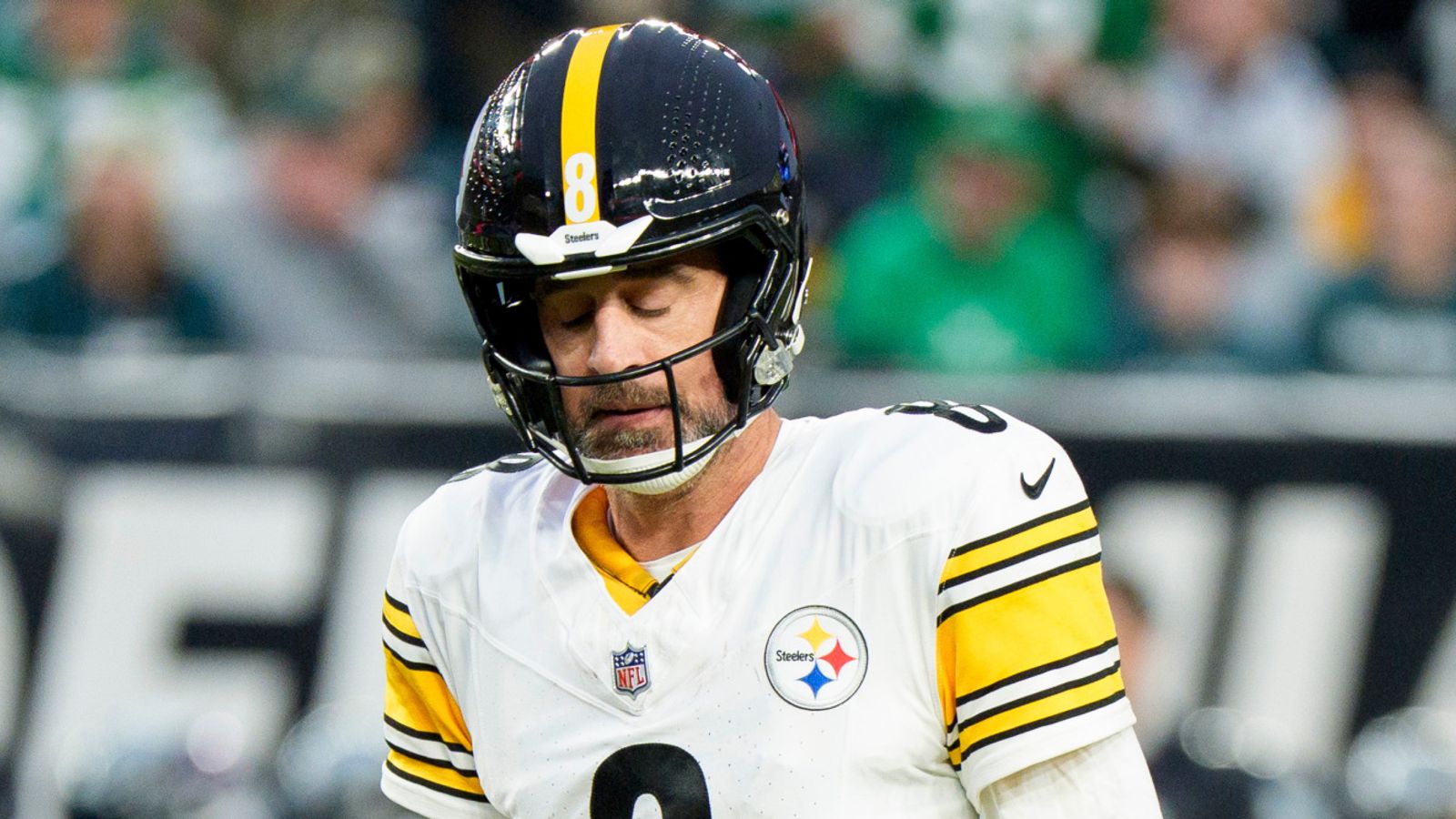
Rodgers framed his critique not merely as a personal grievance, but as a concern for the "health" of the organization. "We’ve had these conversations for months now, and it began as a concerned friend about somebody who’s unhealthy," Rodgers stated during his appearance on ESPN. He argued that the failure to attend meetings or engage with the defensive side of the ball—despite Rodgers’ advice to build those relationships—signaled a leader who had lost his way.
When confronted by his quarterback about the need to connect with defensive players, McCarthy reportedly dismissed the suggestion, stating, "Well, I don’t think I need to." This friction, according to Rodgers, was the final straw that led him to inform the coaching staff that a change was necessary for the "betterment of the team."
Organizational Response and Roster Implications
The Pittsburgh Steelers have remained tight-lipped regarding the specifics of the internal conflict. However, the club confirmed in a formal statement that Rodgers would be "inactive" for the Denver Broncos game, contradicting comments made by McCarthy just 48 hours prior, when the coach insisted that the 43-year-old remained the starter.
The elevation of Mason Rudolph to the starting position is a significant pivot for the franchise. Rudolph, who has started only 19 games across seven seasons between the Steelers and the Tennessee Titans, is now tasked with leading a fractured team through the remainder of the schedule. The move to a backup quarterback suggests that the team has decided to prioritize a post-Rodgers era immediately, regardless of the veteran’s historical significance to the game.
Sky Sports has contacted the Pittsburgh Steelers for further comment, though the organization has yet to address the specific allegations of absenteeism or the "Packers" incident.
Broader Impact on the NFL Landscape
The departure of a player of Rodgers’ caliber under such circumstances carries profound implications for the league. At 43, Rodgers is the oldest active quarterback in the NFL, and his final season was intended to be a victory lap. Instead, the situation serves as a stark reminder of the volatility inherent in NFL locker rooms when the chain of command experiences a breakdown.
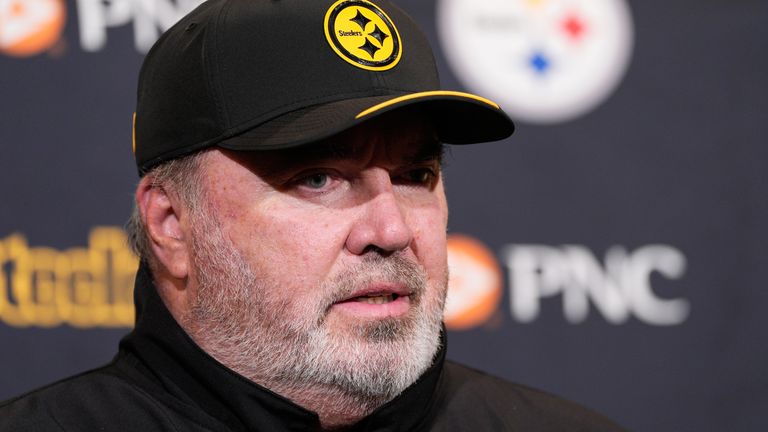
Analysts suggest that this incident will likely trigger a deeper review of the Steelers’ coaching staff by ownership. When a franchise icon, particularly one who has been an MVP four times, speaks publicly about a coach’s failure to attend meetings, the pressure on the front office to make structural changes becomes immense.
Furthermore, the "health" concerns raised by Rodgers regarding the coaching staff may prompt league-wide discussions about the demands placed on head coaches and the importance of mental and physical wellness in high-pressure roles. While Rodgers has been the center of controversy throughout his career, his detailed, day-by-day account of the week’s events provides a level of specificity that is rare in professional sports, making it difficult for the organization to simply brush the claims aside.
Future Outlook for the Steelers
As the Steelers prepare for the Denver Broncos, the focus has shifted entirely to the transition under center. For the players, the task is to navigate the remainder of the 2026 season amidst a media firestorm. The team’s ability to rally behind Rudolph will be tested immediately, as the optics of the situation have placed the coaching staff under a microscope.
For the NFL, this event represents one of the most high-profile coach-player splits in recent memory. As the league heads toward the playoffs and the eventual conclusion of Super Bowl LXI on February 14, 2027, the internal instability in Pittsburgh will undoubtedly be a primary point of discussion for analysts and fans alike. Whether this serves as a wake-up call for the organization or the beginning of a total rebuild remains to be seen, but one thing is certain: the tenure of Aaron Rodgers in Pittsburgh has come to an abrupt and historic end.