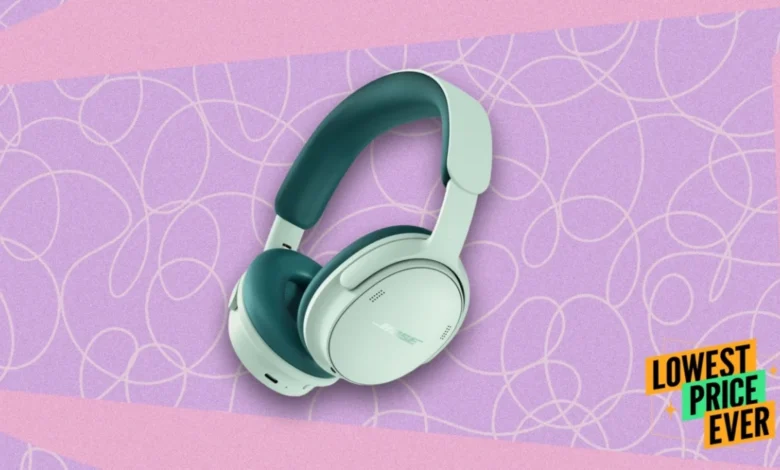
In one of the most significant audio discounts of the holiday shopping season, Bose’s second-generation QuietComfort Headphones have plummeted to an all-time low price of $199. Representing a steep 45% discount from their standard retail price, this Black Friday promotion saves consumers $160, making the premium active noise-canceling (ANC) over-ear headphones more accessible than ever before. Available in an array of sophisticated colorways—including Dewdrop Mint, Eucalyptus Green, and Hazelnut Taupe—the deal has quickly emerged as a standout offer for audiophiles and casual listeners alike looking to upgrade their personal audio gear without paying full freight.
Main Facts and Deal Structure
The promotional pricing brings the second-generation Bose QuietComfort Headphones down to a price point historically reserved for mid-tier, budget-oriented audio equipment. Despite the aggressive discount, the hardware retains its full suite of premium features, accessories, and warranty coverage. Weighing in at a remarkably light 8.1 ounces, the headphones are designed to bridge the gap between heavy-duty studio monitoring gear and lightweight commuter cans.
The physical architecture of the device centers on comfort and longevity. Bose has engineered the headphones with generously padded earcups and a plush, evenly distributed cushioned headband that minimizes localized pressure points. This design choice prevents the common fatigue associated with extended listening sessions, a critical factor for frequent flyers, remote workers, and open-office employees. Furthermore, portability remains a core strength: the earcups effortlessly fold and swivel to fit snugly inside the included hard-shell carrying case. In a nod to sustainability and user maintenance, the earpads are fully removable and replaceable, ensuring that wear and tear over years of use does not necessitate discarding the entire unit.
Chronology and Market Evolution of Bose QuietComfort
The trajectory of the Bose QuietComfort line is rooted in decades of audio engineering history. Bose revolutionized consumer aviation and personal audio in the late 20th century by commercializing active noise-cancellation technology, initially designed for pilots. Over the ensuing decades, the QuietComfort brand became synonymous with industry-leading noise isolation, setting the benchmark for the over-ear headphone category.
The introduction of the second-generation QuietComfort model represents an iterative yet crucial evolution in Bose’s product roadmap. Released to capture the mid-to-high-end consumer market, these headphones were built to succeed the legendary QC45 and run parallel to the ultra-premium Bose QuietComfort Ultra line. By refining the acoustic architecture, upgrading the wireless connectivity standards, and introducing vibrant lifestyle color options, Bose positioned the second-generation model to appeal to a broader demographic that values both aesthetic customization and uncompromising audio performance. The current Black Friday price cut marks the most aggressive promotional reduction the hardware has seen since its market introduction, reflecting the intense seasonal competition among major consumer electronics manufacturers.
Comprehensive Hardware and Performance Analysis
Beyond comfort, the technical specifications of the second-generation QuietComfort Headphones offer a nuanced balance of high-end capabilities and minor compromises. Independent reviews, including rigorous evaluations by publications like PCMag, highlight the device’s exceptional prowess in suppressing low-frequency ambient rumbles—such as airplane engines, train tracks, and air conditioning hums—as well as dampening general office chatter. However, testers note that certain high-pitched vocal frequencies can occasionally pierce the acoustic barrier, a common characteristic of consumer-grade ANC systems.

Acoustically, the headphones lean toward a warm, bass-forward sound profile that caters well to contemporary genres like hip-hop, electronic dance music, and pop. Users can leverage the companion Bose Music app to access Bose Immersive Audio, which introduces a spatial sound experience, and configure personalized listening profiles. Nevertheless, audio purists may find the onboard three-band equalizer somewhat basic, offering limited scope for hyper-specific frequency fine-tuning compared to competitor software from brands like Sony or Sennheiser.
Connectivity and hardware integration have received substantial upgrades in this iteration. The integration of Bluetooth 5.4 enables rock-solid wireless stability, while multipoint pairing allows users to maintain simultaneous connections to two distinct devices—such as a laptop and a smartphone—seamlessly switching audio output as needed. Additional modern conveniences include Google Fast Pair support and lossless audio transmission over a wired USB-C connection.
Versatility is further enhanced by the dual-purpose USB-C port, which permits simultaneous charging and audio playback. For wired environments, an included USB-C-to-3.5mm cable ensures compatibility with legacy audio hardware, including traditional headphone jacks and in-flight entertainment systems.
Despite these advanced features, certain trade-offs are apparent. Battery life is rated at a modest 24 hours with active noise cancellation enabled. While competitive, this figure trails behind some market rivals that push past the 30- or 40-hour mark. Fortunately, rapid-charging capabilities mitigate this limitation, delivering roughly 2.5 hours of continuous playback from a mere 15-minute charge. On the wireless codec front, support is restricted to standard AAC and SBC codecs; high-resolution streaming codecs such as aptX Adaptive are reserved exclusively for Bose’s higher-tier QuietComfort Ultra lineup.
Broader Industry Impact and Consumer Implications
The timing and depth of this $199 promotional price point carry significant implications for the broader consumer electronics landscape. Black Friday 2026 has witnessed unprecedented discounting across the personal audio sector as manufacturers contend with cautious consumer spending and fierce competition from emerging brands offering budget-friendly ANC alternatives.
By dropping a flagship-adjacent product below the psychological $200 threshold, Bose is effectively capturing market share from mid-range competitors, compelling shoppers who might otherwise settle for lesser-known brands to invest in established, premium hardware. Retail analysts note that promotional events of this magnitude act as a primary catalyst for fourth-quarter hardware adoption, clearing out existing inventory while introducing new demographics into the manufacturer’s software ecosystem—specifically the Bose Music app.
For consumers, the deal represents an optimal window for technology acquisition, though industry experts emphasize that such steep discounts are typically subject to strict inventory limits and may expire rapidly as holiday demand surges. As the line between luxury tech and accessible consumer electronics continues to blur, offers like the Bose QuietComfort second-generation markdown underscore the increasing value proposition available to savvy shoppers navigating the modern retail marketplace.