As the calendar turns toward the final months of the year, the architectural and interior design community is witnessing a significant shift in how homeowners approach festive styling. Moving away from the rigid, cookie-cutter aesthetics of the past, contemporary holiday decor has embraced a movement toward "elevated nostalgia." This approach prioritizes personal history and high-quality materials, allowing residents to maintain their home’s year-round design integrity while celebrating the season. Home design experts note that the modern holiday home is no longer a battleground between style and necessity, but rather a space where curated design meets festive cheer.

The Shift Toward Elevated Nostalgia
In years past, holiday decorating often forced a binary choice: either sacrifice personal style for the sake of traditional, often cluttered ornaments, or abandon the festive spirit entirely to maintain a minimalist home. Today, designers like Julian Thomas suggest that this compromise is no longer necessary. The current trend focuses on tactile, high-end materials—such as silk tree skirts, marble-based stocking holders, and artisanal textiles—that blend seamlessly into modern interiors.

Design pros indicate that the 2025 holiday season is defined by a resurgence of retro influences. This is not merely a return to mid-century kitsch, but a sophisticated nod to the past, blending classic color palettes with contemporary textures. Whether through the use of velvet ribbons or hand-crafted wooden elements, the emphasis is on creating a "collected" look that feels intentional rather than disposable.

Redefining the Holiday Palette: Beyond Red and Green
One of the most prominent trends in current interior design is the departure from the traditional red-and-green color scheme. While these hues remain staples of the holiday season, designers are increasingly experimenting with jewel tones to create more dramatic, sophisticated environments.

Annie Sloan, an expert in paint and color, advocates for the use of deep, regal tones such as purple. "Purple was historically reserved for kings and emperors," Sloan notes. Her "Tyrian Plum" wall paint, which features deep maroon and red undertones, serves as a bridge between traditional Christmas colors and a modern, high-fashion aesthetic. When paired with metallic accents, fairy lights, and the soft flicker of candlelight, these rich hues create an atmosphere that feels both festive and opulent.

Spatial Integration: The Tree as a Focal Point
The placement of the Christmas tree has moved from a secondary corner to a primary design feature. Designers emphasize that the tree should be treated as a piece of architecture within the home. Lauren Ashley of the Houston-based firm Lauren Ashley Experiences suggests that if the floor plan permits, the tree should be placed front and center, ideally visible from the home’s entryway.

"The tree is only up for a few weeks," Ashley says. "Why not showcase it right at your entrance?" This placement not only creates an immediate festive impact for guests but also allows the residents to enjoy the holiday centerpiece during their daily routines. By integrating the tree into the main flow of the house, it ceases to be an isolated decoration and becomes a central element of the home’s seasonal identity.

Extending Holiday Cheer to Every Room
A significant evolution in holiday decor is the "whole-house" approach. Rather than restricting festive elements to the living room or dining area, many homeowners are now extending themes into the kitchen, bedrooms, nurseries, and even bathrooms. Lifestyle content creator Miyaeva Renae exemplifies this trend, utilizing small, non-obtrusive touches to maintain a cohesive festive flow.

In the kitchen, this might involve wrapping cabinet hardware in ribbon or placing mini-wreaths on the backs of chairs. Small touches, such as a bowl of pinecones or a wreath hung on a range hood, can create a sense of continuity. In the bedroom, the goal is to create a "winter wonderland" feel without disrupting the tranquility of the space. Hanging a wreath above the headboard or wrapping bedposts in garland and soft string lights can provide a cozy, festive ambiance that makes the bedroom feel like a retreat from the colder temperatures outside.

Making Gift Wrap a Design Element
Gift wrapping has transitioned from a practical task to a decorative strategy. By choosing paper, ribbon, and bows that complement the home’s existing color palette, gifts under the tree become part of the room’s permanent decor for the month of December.

DIY gift wrapping is a cost-effective way to achieve this. Using brown packing paper as a base and applying custom patterns—such as stripes or spots—allows for complete control over the aesthetic. When coordinated with high-quality ribbon in rich textures like velvet or satin, the gifts under the tree function as a cohesive design element rather than a pile of mismatched boxes.

The Role of Technology and Modern Accents
Modern holiday decor also incorporates technology to enhance the guest experience. Wendy Lau, an interior design consultant, highlights the use of smart home technology in holiday hosting. By utilizing smart locks with programmable custom codes, homeowners can provide guests with a seamless arrival experience, allowing the focus to remain on the festive visual elements, such as twinkle-lit garlands and traditional wreaths.

Furthermore, the "three-point thinking" rule—grouping decorative items in sets of three or five to create triangles—is being applied to modern holiday trinkets. Items like matte white ceramic presents or acrylic nutcrackers, when arranged on a console table or windowsill, provide depth and intrigue without the visual clutter often associated with traditional decorations.

The Return to Natural Textures
Designers are increasingly looking to nature as the primary muse for the holiday season. Anita Yokota, who curated the decor for the 2023 White House holiday display, emphasizes "emotional warmth" and "natural elegance." This involves the use of real greenery, organic textures, and soft metallics.

Using elements such as olive branches, rosemary, and cedar—rather than just standard pine—provides a softer, more sculptural look. When these natural elements are paired with earthy tones and subtle metallic accents, they create a timeless, layered aesthetic. This trend is expected to grow, as homeowners look for decor that feels "alive" and connected to the natural world.

Frequently Asked Questions
What are the emerging trends for 2026?
Designers suggest that the trajectory for the coming years will lean even further into the "collected" look. There is a strong movement toward vintage and antique pieces, particularly aged mercury glass and heirloom-style ornaments. The focus is shifting away from purely seasonal items toward pieces that feel timeless and personal.

When is the appropriate time to start decorating?
While the traditional post-Thanksgiving start date is still common, there is no longer a strict social rule. Many designers encourage an "easing-in" approach, where neutral, cozy elements—like scented candles and warm lighting—are introduced in early November, followed by traditional holiday items later in the month.

How can I make budget-friendly decor look high-end?
The key to an expensive-looking holiday display is restraint and the use of quality materials. Investing in a few high-quality velvet ribbons or a realistic, long-lasting garland is often more effective than purchasing a high volume of plastic, mass-produced items. Focusing on texture—mixing velvet, wool, and metallic finishes—adds a level of sophistication that is often missing from purely budget-focused displays.

What is the best way to hang garlands and stockings?
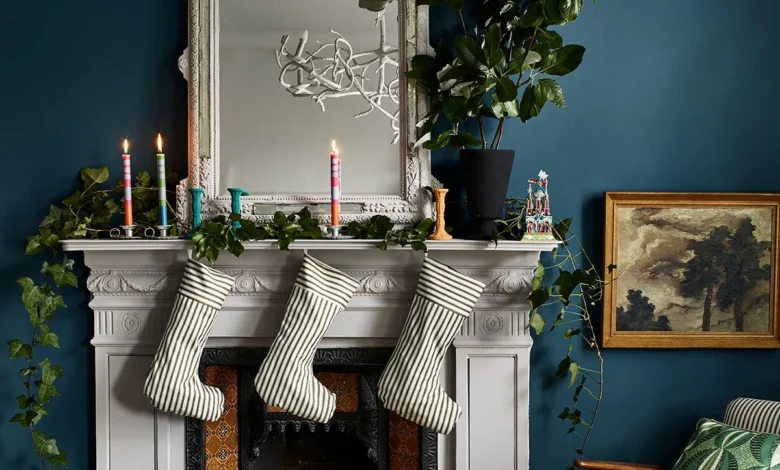
For those worried about damage, temporary adhesive hooks remain the industry standard. For mantelpieces, sturdy, weighted stocking hangers that suit the room’s aesthetic are recommended over temporary plastic alternatives. For doorframes, a tension rod can serve as an effective, invisible way to hang a garland, especially when painted to match the surrounding trim.

Conclusion: A Cohesive Holiday Home
The current state of holiday decor reflects a broader desire for comfort and personalization. By treating the holiday season as an extension of the home’s daily design rather than an interruption, homeowners can create spaces that are both festive and functional. Whether through the introduction of subtle, natural textures or the bold use of jewel-toned paint, the modern approach to the holidays proves that sophistication and celebration are not mutually exclusive. As these trends continue to evolve, the emphasis will undoubtedly remain on creating a home that feels warm, inviting, and truly reflective of the people who live there.
Related posts: