The Renaissance of Hong Kong: Navigating the Intersection of Heritage and High-Design in a Global Metropolis

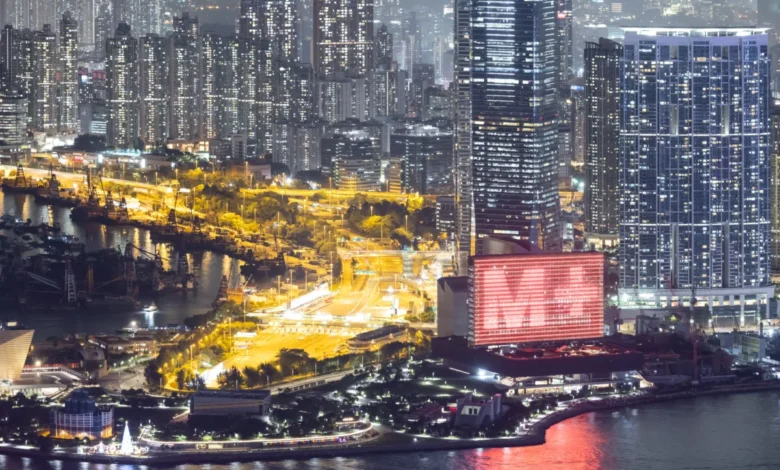
Hong Kong’s cultural landscape is currently undergoing a profound transformation, moving beyond its traditional identity as a hyper-efficient financial hub to re-establish itself as a global nexus for art, design, and avant-garde architecture. This evolution has been significantly accelerated by a wave of ambitious infrastructure projects and the stabilization of its status as a critical node in the international art market. While the city has long been synonymous with high-density vertical living, the current era is defined by a sophisticated layering of Colonial-era history, rapid modernization, and the integration of public spaces that challenge the city’s purely utilitarian reputation.

The Architectural and Cultural Catalyst
The inauguration of the M+ museum in late 2021, designed by the Pritzker Prize-winning firm Herzog & de Meuron, served as a landmark moment in this cultural shift. As part of the West Kowloon Cultural District, M+ has provided the city with a world-class platform for visual culture, housing expansive collections of contemporary art, design, and architecture that rival those of London, New York, or Paris.

The impact of such institutions cannot be overstated. Since the inception of Art Basel Hong Kong in 2013, the city has cemented its position as the premier gateway for the Asian art market. The growth of this event, which now anchors a robust ecosystem of satellite fairs such as Art Central and the Edible Art Fair, has created a sustained economic ripple effect. This momentum is set to continue with the upcoming unveiling of the WestK Performing Arts Centre, a design by UNStudio that further emphasizes the city’s commitment to world-class cultural infrastructure.

The Duality of the Urban Fabric
Despite the rapid rise of glass-and-steel monoliths—the most recent being the Zaha Hadid-designed "The Henderson"—design insiders argue that the true essence of Hong Kong lies in its inherent contradictions. Vincent Lim, an interior designer and Hong Kong native, characterizes the city as a "textured" environment. While the financial district projects an image of hyper-efficiency, the reality for those living and working in the city is a constant navigation between the ultra-modern and the deeply traditional.

This layering is evident in the presence of vintage cha chaan tengs (Colonial-era cafés serving milk tea and toast) nestled directly beneath or adjacent to state-of-the-art office towers. Experts note that this coexistence of the "humble" and the "high-flying" is precisely what draws the global design community to the region. The city’s architectural preservationists and urban planners are now tasked with the delicate balance of maintaining these "atmospheric alleyways" and vintage neon-lit storefronts while accommodating the demands of a top-tier global commercial center.

Curated Insights: A Guide to the City’s Design Infrastructure
To understand the current state of Hong Kong, one must look at the specific institutions, hospitality hubs, and neighborhoods recommended by the city’s leading creative voices.

Premier Hospitality and Design
The hospitality sector in Hong Kong has transitioned from simple accommodation to becoming integral components of the city’s architectural identity.

- The Rosewood Hong Kong: Recognized for its meticulous attention to detail and seamless service, it stands as a testament to modern luxury.
- The Upper House: Designed by André Fu, this hotel is frequently cited by industry insiders for its restrained color palette and focus on residential-style tranquility, demonstrating how architecture can mitigate the sensory overload of a dense urban environment.
- The Peninsula Hong Kong: As a "grande dame" of the city, it serves as a bridge between British Colonial heritage and contemporary Asian hospitality.
- The Kimpton Tsim Sha Tsui: A recent arrival, this property highlights the city’s commitment to local artistic curation, featuring works by regional photographers and ceramicists, and serving as a focal point for the waterfront redevelopment of the Kowloon side.
Culinary and Social Geography
The dining scene serves as a barometer for the city’s health. Institutions like Yung Kee provide a link to the city’s long-standing gastronomic traditions, while modern outposts like Yardbird in Sheung Wan exemplify the izakaya-style innovation that has become a staple of Hong Kong’s social nightlife. The inclusion of Roganic highlights the city’s growing focus on seasonality and sustainable dining, mirroring global trends in high-end gastronomy.

Navigating the Neighborhoods
The city’s design evolution is best observed on foot, through districts that have managed to resist total redevelopment:

- Sheung Wan: Often the first stop for visitors, this district acts as a microcosm of the city’s history, housing the Man Mo Temple alongside contemporary art galleries and high-end roasteries.
- Sham Shui Po: Once known primarily for its industrial roots in textiles and hardware, the area is experiencing a creative resurgence. It is now a magnet for independent studios and design shops that utilize the area’s historic "tong lau" (tenement) buildings.
- Tsim Sha Tsui East: This district offers a glimpse into the nostalgic 1990s aesthetic of Hong Kong, retaining a unique energy found in its older, grander hotels and cultural museums.
- Ap Lei Chau & Wong Chuk Hang: These areas serve as the "Southside art district." They demonstrate the successful adaptive reuse of industrial buildings, which now house major galleries including Axel Vervoordt and Ben Brown Fine Arts.
The Economic and Cultural Outlook
The shift toward a culture-led economy in Hong Kong is supported by data suggesting that the MICE (Meetings, Incentives, Conferences, and Exhibitions) sector, bolstered by the art and design world, is a primary driver of the city’s post-pandemic recovery. The integration of "adaptive reuse" projects, such as the Asia Society Hong Kong Center—which transformed a former explosives magazine into a serene cultural hub—indicates a growing trend in urban planning that values historical continuity over wholesale destruction.

Furthermore, the "upstairs economy" of Hong Kong—the hidden shops, galleries, and speakeasies accessible only by freight elevator—remains a defining characteristic of the city’s commercial spirit. Experts like Pak Man Lee emphasize that visitors who restrict themselves to street-level commerce miss the true depth of the city.

Implications for Future Development
The broader implications of these developments are clear: Hong Kong is successfully pivoting to maintain its relevance as a global destination. By investing in cultural landmarks like the WestK Performing Arts Centre and prioritizing the preservation of districts like Sheung Wan, the city is creating a more sustainable, human-centric urban model.

While the city remains a financial titan, its future is increasingly tied to its ability to function as an "experience economy." The success of these initiatives will depend on the city’s ability to remain open to global creative talent while protecting the unique, layered heritage that sets it apart from other Asian metropolises. For now, the consensus among design insiders is that Hong Kong is not merely a place of transit, but a destination that demands, and rewards, deep exploration.

Chronology of Key Cultural Openings
- 2013: Launch of Art Basel Hong Kong, establishing the city as an international art hub.
- 2018: The opening of Tai Kwun (Centre for Heritage and Arts) in a restored police compound.
- 2021: Official opening of M+ museum in the West Kowloon Cultural District.
- 2024: Completion of The Henderson, signaling a new era of iconic commercial architecture.
- 2025/2026 (Projected): Ongoing expansion of the West Kowloon Cultural District, including the unveiling of the WestK Performing Arts Centre.
Through this lens, the "hyper-efficient" image of Hong Kong is being replaced by a more nuanced narrative—one of a city that values its past as much as it designs for the future. Whether through the lens of a local designer or a visiting art collector, the consensus remains consistent: Hong Kong is a city in flux, and its most exciting chapters are currently being written within the interplay of its historic streets and its monumental new skyline.
Related posts: