The Ultimate Guide to Finding the Best Travel Pants That Balance Comfort and Style for Global Explorers

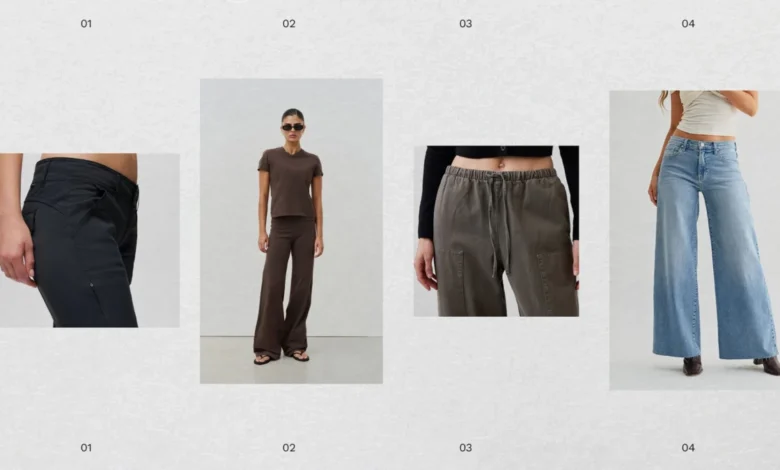
The modern aviation and travel landscape has undergone a dramatic aesthetic shift over the past decade, moving away from the rigidly formal dress codes of mid-century commercial flight toward a culture heavily dominated by casual athleisure. While boarding a long-haul aircraft in soft sweatpants or standard athletic leggings remains a common temptation for frequent flyers seeking immediate physical relief, a growing contingent of style-conscious commuters and globetrotters argues that true travel utility requires a far more sophisticated sartorial compromise. The ideal travel pant must successfully bridge multiple conflicting demands: it needs to offer the tactile softness of loungewear for a six-hour red-eye flight, the technical elasticity required for a spontaneous sprint across a sprawling airport terminal to catch a tight connection, the breathability necessary for navigating warm urban climates during afternoon sightseeing, and a sufficiently polished, structured silhouette to transition seamlessly into an upscale evening dinner without requiring a wardrobe change in a hotel lobby.
This elusive fashion sweet spot has become a central focus of extensive product testing and debate among style editors and lifestyle journalists worldwide. Rather than surrendering to the unstructured casualness of standard joggers, travelers increasingly look to elevated alternatives that maintain shape retention, resist the inevitable creasing caused by prolonged sitting, and provide functional pocket architecture. Industry analysts tracking the travel apparel market note a rising consumer preference for hybrid garments—pieces engineered with advanced technical textiles, natural fiber blends, and ergonomic tailoring. To assist consumers in navigating the overwhelming array of choices currently available on the retail market, lifestyle experts have conducted rigorous, real-world testing across diverse global environments, evaluating everything from high-end tailored trousers to flexible denim and versatile utility wear.
The Evolution of Travel Apparel: Moving Beyond the Athleisure Baseline
The historical trajectory of travel attire reflects broader sociological shifts in how society values comfort versus professional presentation in public spaces. In the early decades of commercial aviation, passengers routinely wore suits, tailored dresses, and stiff leather shoes, treating travel as a special occasion. As air travel democratized and flight durations increased, practicality gradually dismantled these rigid sartorial norms. By the early 2000s, athletic wear had emerged as the default uniform for long-distance transit. However, fitness apparel frequently lacks the structured integrity required for business meetings upon arrival, and standard sweatpants can quickly appear unkempt or overly casual when navigating high-end hospitality venues.
In response to this gap in the market, apparel brands have increasingly invested in textile innovation, developing fabrics that combine the physical elasticity of elastane and spandex with the crisp aesthetic of traditional woven trousers. According to recent retail analytics data, the global travel and outdoor apparel market has experienced steady expansion, driven largely by post-pandemic surges in international tourism and business travel. Consumers are prioritizing versatile capsule wardrobes that minimize baggage weight and reduce the need to check excess luggage—a crucial consideration given escalating airline baggage fees and frequent transit delays.

To provide a comprehensive assessment of the market, editors from major travel publications have evaluated dozens of options across distinct categories, focusing on durability, fabric technology, fit inclusivity, and stylistic versatility.
Structured Dress Pants for Business Travel and Urban Exploration
For travelers who must transition directly from an international flight to a corporate boardroom or a formal dinner reservation, traditional athletic wear is entirely inadequate. Conversely, classic tailored trousers made from rigid wool or non-stretch cotton frequently fail the comfort test during prolonged periods of seated travel, often cutting uncomfortably into the waist and developing severe creases across the lap and knees.
Spanx Ponte Wide-Leg Pant
A notable standout in the structured dress pant category is the Spanx Ponte Wide-Leg Pant, retailing at approximately $158. Designed with a high-rise waistband that incorporates subtle, built-in compression technology, this garment provides a sleek, flattering silhouette without sacrificing abdominal comfort. Commerce directors specializing in business travel note that the wide-leg design successfully balances architectural structure with essential physical roominess. Available across a broad spectrum of petite, regular, and tall inseams to accommodate diverse heights, the fabric utilizes a dense, stretchy yet firm ponte knit that exhibits exceptional wrinkle resistance. This makes it an ideal choice for elevated airport outfits that require zero post-flight steaming.
Abercrombie & Fitch Curve Love Sloane Low-Rise Wide-Leg Pant
Another leading contender is the Abercrombie & Fitch Curve Love Sloane Low-Rise Wide-Leg Pant, priced around $90 (frequently discounted). Transportation and travel editors praise this garment for utilizing a soft, menswear-inspired fabric paired with a partially elasticized waistband, creating a wear experience that rivals traditional sweatpants. The tailored low-rise cut and subtle pleating details are specifically engineered to flatter curvier body types, while the airy wide-leg construction ensures superior ventilation in warmer climates. Furthermore, the garment’s robust structural integrity prevents sagging at the knees—a common flaw in inferior synthetic blends—making it equally suitable for brisk walking tours and extended sitting.
Versatile Utility Pants for Multi-Climate Adventures
Travelers embarking on itineraries that blend urban exploration with light outdoor activities—such as hiking national park trails, navigating uneven cobblestone streets, or managing unpredictable weather patterns—require garments built for rugged durability without sacrificing aesthetic appeal.

Prana Halle Low-Rise Bootcut Pant
The Prana Halle Low-Rise Bootcut Pant, retailing near $98, represents a benchmark in the utility travel pant category. Favored by outdoor and adventure travel writers, these pants are constructed from a technical stretch fabric that is both abrasion-resistant and water-repellent, offering vital protection against unexpected rain showers. A particularly innovative feature for active travelers is the integrated roll-up snap system, which allows the wearer to pin the cuffs securely at the calf when temperatures rise during strenuous hikes. Despite their technical performance pedigree, the low-rise bootcut design maintains a sleek profile that easily passes muster on commuter trains and commercial flights, while packing significantly lighter than traditional cargo pants.
Relaxed Pull-On Pants for Maximum In-Flight Comfort
When absolute ease of movement is paramount, pull-on trousers offer a compelling middle ground between the total informality of sleepwear and the structured appearance of button-and-zipper trousers.
Apiece Apart Rene Pull-On Pant
At the luxury end of the spectrum, the Apiece Apart Rene Pull-On Pant commands a $495 price point, justified by senior fashion editors through its exceptional durability and premium material composition. Crafted from a dense blend of viscose and recycled nylon, the fabric offers a unique combination of structural drape and flexible stretch, complemented by a flattering kick flare and an elasticized waist. Long-term testers frequently describe the fabric as nearly indestructible, maintaining its rich color, softness, and shape through years of heavy global travel and repeated laundering.
Gap Easy Double-Knee Barrel Pants
For a more accessible price point, the Gap Easy Double-Knee Barrel Pants ($90) have garnered a devoted following among frequent flyers and maternity travelers alike. Featuring soft cotton construction, an adjustable drawstring elastic waistband, and a contemporary architectural silhouette, these pants have logged extensive mileage across global transit networks. Their relaxed volume provides ample space for natural physical fluctuations during long-haul flights, while the structured double-knee detailing imparts a trendy, utilitarian aesthetic.
The Frankie Shop Aubray Balloon Pants
Volume and architectural form are also central to The Frankie Shop Aubray Balloon Pants ($145). Global digital directors frequently recommend these statement pants for their ability to deliver high-fashion styling while providing generous room for movement in cramped aircraft cabins. When paired with an oversized poplin button-down shirt or a fitted ribbed tank, the balloon silhouette strikes an optimal balance between relaxed comfort and editorial polish.

American Eagle Linen-Blend Pull-On Pant
For warm-weather destinations, the American Eagle Linen-Blend Pull-On Pant ($70, often marked down to $49) offers a breezy, non-constrictive alternative. Ideal for summer getaways or winter escapes to tropical climates, these lightweight trousers provide an elevated resort look that far surpasses traditional joggers in terms of style, though they require careful folding to minimize natural linen wrinkling during transit.
Redefining Denim: Comfortable Jeans for the Road
Denim has long occupied a contentious space in travel wardrobes. While classic rigid denim offers durability and timeless style, traditional heavy-weight jeans are notoriously unforgiving during extended periods of sitting, often restricting circulation and causing discomfort as the body naturally swells at high altitudes. However, recent textile advancements have yielded a new generation of travel-friendly denim that prioritizes stretch, softness, and shape retention.
Silver Jeans Co. Suki Mid-Rise Wide-Leg Jean
The Silver Jeans Co. Suki Mid-Rise Wide-Leg Jean ($98, frequently discounted) has emerged as a top-tier choice for denim enthusiasts on the move. Engineered with advanced stretch-recovery fibers, these jeans successfully resist the dreaded knee-sagging and waist-stretching that typically plagues low-quality stretch denim after a single day of wear. Testers note that the interior possesses a remarkably soft, zero-friction feel comparable to traditional loungewear, while the exterior maintains the crisp, structured appearance of premium dark-wash denim.
Gap Low Rise UltraSoft Easy ’90s Loose Crop Jeans
For travelers preferring non-stretch or low-stretch vintage aesthetics, the Gap Low Rise UltraSoft Easy ’90s Loose Crop Jeans ($90) offer a compelling solution. Utilizing an ultra-soft weave, these jeans have successfully passed rigorous red-eye flight tests, doubling effectively as comfortable sleepwear during long transatlantic journeys while remaining sufficiently stylish for immediate hotel check-ins upon arrival. The low-rise construction also accommodates natural abdominal expansion during long-distance travel.
Just Black Denim The Super Wide-Leg Stretch
Similarly, Just Black Denim’s The Super Wide-Leg Stretch ($118) provides an affordable, highly compressible option that folds down exceptionally thin inside a carry-on suitcase. When paired with platform boots or block heels, the exaggerated wide-leg cut creates a powerful leg-elongating effect favored by frequent urban travelers.

Halara Flex Jeans and Levi’s Baggy Dad Jeans
Rounding out the denim category, Halara’s Flex Jeans ($80, often on sale for $50) blend knit-like comfort with a dark-wash cuffed aesthetic, while Levi’s iconic Baggy Dad Jeans ($108) offer a reliable, durable mid-rise option that guarantees unrestricted movement through bustling airport terminals.
Yoga-Inspired Pants That Pass as Professional Trousers
Athletic apparel brands have increasingly recognized that consumers want the performance benefits of yoga wear packaged in silhouettes appropriate for the workplace and urban environments.
Sisterly Tribe Soft Cotton Foldover Pants
The Sisterly Tribe Soft Cotton Foldover Pants ($118), crafted from a sustainable organic cotton blend, offer a sophisticated take on the traditional yoga pant. Featuring an adjustable foldover waistband that provides gentle abdominal support and a leg-elongating Scandinavian cut, these pants transition effortlessly from a morning Pilates session to a formal office environment or an international flight.
Set Active Lux Straight High-Rise Leggings
For those who prefer a more traditional legging feel with elevated tailoring, Set Active’s Lux Straight High-Rise Leggings ($90) deliver buttery-soft compression in a modern straight-leg silhouette. Testers report that these pants provide exceptional smoothing support without digging into the skin during extended periods of sitting, proving that comfort and architectural polish do not have to be mutually exclusive.
Practical Considerations for Selecting Travel Pants
When building an effective travel wardrobe, experts advise consumers to evaluate several core factors before making a purchase:

- Fabric Recovery: Look for blended textiles containing modal, elastane, or high-recovery nylon that snap back into shape after hours of compression in a suitcase or aircraft seat.
- Waistband Construction: Opt for partial elastic, adjustable drawstrings, or soft ponte knit waistbands that accommodate natural physical bloating during air travel.
- Pocket Functionality: Ensure pockets are deep enough to securely hold passports, mobile devices, and boarding passes without bulging awkwardly or disrupting the garment’s silhouette.
- Care Requirements: Prioritize wrinkle-resistant or machine-washable fabrics that do not require specialized dry cleaning while on the road.
Ultimately, investing in high-quality, versatile travel pants eliminates the false dichotomy between looking presentable and feeling physically comfortable. By selecting garments that bridge the gap between technical performance and sophisticated tailoring, global explorers can streamline their packing lists, reduce the burden of checked luggage, and navigate every leg of their journey with confidence and ease.
Related posts: