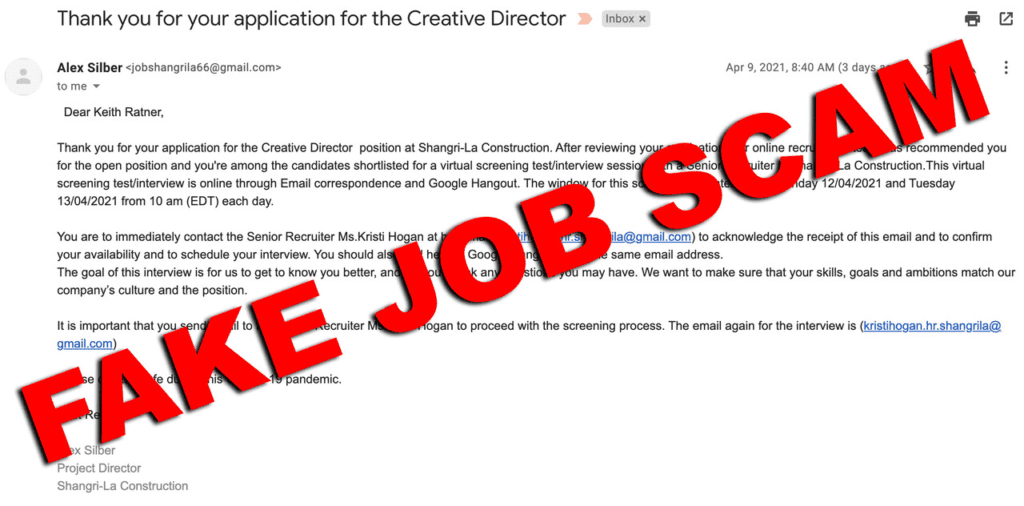
Consumer Tip Watch Out for Job Offer Scams
Consumer tip watch out for these job offer scams. These scams are becoming increasingly sophisticated, preying on job seekers’ hopes and dreams. They often involve fake job postings, misleading websites, and fraudulent requests for money or personal information. Understanding the common red flags and how to verify a job offer’s legitimacy is crucial to avoiding financial and personal harm.
This guide will dissect various types of job offer scams, from phishing tactics to financial traps. We’ll explore the red flags to watch out for, practical verification methods, and strategies for protecting yourself online. Plus, we’ll discuss how to report suspicious offers and strengthen your online security posture.
Identifying Common Job Offer Scams

Job scams targeting potential employees are unfortunately quite common. These scams often prey on people’s eagerness to find work and can lead to significant financial and personal losses. Understanding the tactics used in these scams is crucial for protecting yourself and ensuring you don’t fall victim to fraudulent job offers.Learning to recognize the red flags associated with fraudulent job offers is vital to making informed decisions about job opportunities.
By developing a critical eye and applying verification methods, you can significantly reduce your risk of becoming a victim of these scams.
Common Types of Job Offer Scams
Job scams come in various forms, often targeting individuals actively searching for employment. It’s essential to be aware of these common tactics to avoid becoming a victim.
Be wary of those tempting job offers, folks! Scammers are out there, and unfortunately, a recent incident highlights the importance of verifying any job opportunity. Just like the driver arrested for DUI in Saratoga after hitting a parked car ( driver arrested for dui in saratoga after hitting parked car ), sometimes things aren’t what they seem.
Always double-check the legitimacy of any potential employer to avoid falling victim to these scams. Be smart and safe out there!
- Fake Job Postings: These scams involve fraudulent job postings on job boards, social media, or other platforms. The postings may appear legitimate, but they are designed to deceive job seekers. The job descriptions might be enticing with unrealistic promises, and the contact information could lead to fraudulent individuals.
- Fake Company Websites: Sophisticated scammers create convincing fake company websites to support their fraudulent job offers. These websites mimic legitimate companies, using similar logos, colors, and even company names. They often lack crucial details and provide no information about the company’s real-world existence.
- Fraudulent Job Applications: Scammers may require applicants to submit personal information or make payments during the application process. These requests often seem necessary for the next step in the recruitment process but are used for identity theft or financial gain.
Red Flags to Watch Out For
Recognizing red flags is key to avoiding job scams. Pay close attention to details that don’t seem right, as these are often indicators of potential fraud.
- Unrealistic Promises: Offers that seem too good to be true often are. Promises of high salaries, quick promotions, or unrealistic work-from-home opportunities should raise suspicion. Be cautious of offers that deviate significantly from industry standards or what you’ve observed in other legitimate job listings.
- Unusual Requests for Money or Personal Information: Legitimate employers rarely request money upfront or sensitive personal information during the initial stages of the hiring process. Be wary of any requests for payment for background checks, training, or other related costs. Be cautious of any unusual requests for bank details or social security numbers.
- Lack of Company Information: A legitimate company will provide comprehensive information about itself, its mission, and its history. If the potential employer provides little or no information about their company, it could indicate a scam.
Verifying Job Offer Legitimacy
Confirming the legitimacy of a job offer is essential to avoid scams. Employ these methods to ensure you’re not falling victim to a fraudulent scheme.
- Checking the Company’s Website: Research the company online. Look for details that confirm its existence and reputation. Check for contact information and reviews on independent platforms. Be suspicious of websites with poor design or a lack of details.
- Contacting the Company Directly: Contact the company listed on the job offer directly using a known contact number or email address. Do not rely solely on the information provided in the offer. This will allow you to confirm the validity of the job and company.
- Researching the Company’s Reputation: Look for reviews and testimonials from other employees or customers. Use reputable online resources to understand the company’s history and background. Checking for previous complaints or negative reviews can help avoid scams.
Comparing and Contrasting Scam Types, Consumer tip watch out for these job offer scams
Understanding the differences between various job offer scams allows for a more nuanced approach to identifying potential fraud.
| Scam Type | Red Flags | Verification Methods |
|---|---|---|
| Fake Job Postings | Unrealistic salary promises, vague job descriptions, suspicious contact information | Verify company existence, check contact information against legitimate sources, research company reputation |
| Fake Company Websites | Poor website design, lack of company information, inconsistent details | Visit the company’s official website, contact the company using a verified contact method, check for official social media accounts |
| Fraudulent Job Applications | Requests for upfront payments, excessive personal information demands, pressure to act quickly | Contact the company directly, confirm job requirements with a trusted source, avoid sharing sensitive data without proper verification |
Recognizing Phishing Tactics in Job Offers
Job hunting can be exciting, but it’s also a time when you’re vulnerable to scams. Many job seekers receive fraudulent job offers designed to steal personal information or money. These scams often employ sophisticated phishing tactics, making it crucial to be aware of the common methods used by fraudsters. Understanding these tactics will help you protect yourself and avoid becoming a victim.Phishing scams in the job market are not a new phenomenon.
Be wary of those tempting job offers, folks! Scammers are getting increasingly sophisticated, often targeting vulnerable workers. This is especially pertinent given the current uncertainty surrounding the H-1B visa program, as highlighted in the recent news about h 1b workers grappling with uncertainty over visa program. So, remember to double-check the legitimacy of any job offer, particularly if it seems too good to be true.
Verify contact information and the company’s existence before handing over any personal details. Stay safe out there!
Cybercriminals adapt their strategies to mimic legitimate job offers, making them increasingly difficult to spot. This often includes creating fake job listings, spoofing legitimate companies, and using convincing language to pressure potential employees into acting quickly. The goal is to trick you into providing sensitive data, such as your bank account details, social security number, or login credentials.
Common Phishing Tactics
Job offer scams frequently use various deceptive techniques to trick job seekers. Recognizing these methods is essential to avoid falling prey to these schemes.
- Spoofed Emails: Fraudsters often create emails that appear to come from legitimate companies or recruiters. These emails use the company’s logo, colors, and branding to make them look authentic. They may even include specific details about the job position to make the email more convincing. This can include subtle but crucial differences from the official email, such as slightly different formatting or the use of a non-standard email address.
The goal is to trick the recipient into believing the email is genuine, prompting them to click on malicious links or provide personal information.
- Fake Social Media Profiles: Criminals may create fake social media profiles that mimic recruiters or hiring managers. These profiles are designed to build trust and credibility, allowing them to contact job seekers directly. They may share seemingly genuine information about the company and the job opening, creating a sense of authenticity. They might also share fake reviews or testimonials, further strengthening their fraudulent profile.
- Malicious Links: Job offer scams often include links in emails or messages that lead to fraudulent websites. These websites may look like legitimate company portals or login pages but are designed to steal your information. They often mimic the design of legitimate sites, making them difficult to differentiate from genuine pages.
Verifying Information
Always verify the authenticity of job offers before sharing personal information.
- Verify Email Addresses and Websites: Before clicking any links or providing personal details, carefully examine the email address and website URL. Look for subtle misspellings or unusual domain names that might indicate a scam. Compare the email address with the company’s official website or known recruiters.
Legitimacy Tactics
Fraudsters use various tactics to make their job offers seem legitimate.
- Convincing Language: Fraudulent job offers often use persuasive language and high-pressure tactics to encourage quick decisions. They may use urgent language or create a sense of urgency to pressure you into acting without proper verification. These methods aim to create a sense of urgency, preventing the recipient from thoroughly examining the offer.
- High-Pressure Tactics: These tactics include short deadlines, limited-time offers, and promises of immediate employment. These pressures aim to make the job seeker feel pressured to act without thinking critically about the offer. The aim is to get you to act quickly, without having time to scrutinize the offer’s legitimacy.
- Urgency: Scammers may create a sense of urgency by stating that the position is in high demand or that the offer is only valid for a limited time. These techniques are used to encourage the job seeker to act quickly without having time to fully verify the offer.
Phishing Tactics in Job Offers
A table showcasing various phishing tactics used in job offer scams:
| Phishing Method | Description | Example |
|---|---|---|
| Spoofed Emails | Emails mimicking legitimate recruiters or companies. | An email from “Google Hiring” with a link to a fake job application portal. |
| Fake Social Media Profiles | Profiles impersonating recruiters or hiring managers. | A LinkedIn profile claiming to be a recruiter for a large tech company. |
| Malicious Links | Links redirecting to fraudulent websites for data theft. | A link in an email that redirects to a website asking for login credentials. |
Protecting Yourself from Financial Scams in Job Offers
Job hunting can be stressful, and unfortunately, it’s a prime time for scammers to prey on job seekers. These scams often involve financial requests, making it crucial to understand the common tactics and how to avoid them. Knowing the red flags can help you stay safe and secure your dream job without becoming a victim.Financial scams associated with job offers can take many forms, from requiring upfront payments for applications to demanding fees for employment or training.
These scams are designed to trick you into parting with your money before you even start the job. Understanding the different types of financial scams and how to spot them is key to avoiding becoming a victim.
Avoiding Upfront Payment Demands
Job applications should never involve upfront payments. Legitimate employers will never ask for money before you start working. This includes application fees, employment fees, or training costs. A genuine employer will cover these expenses once you are officially hired. Remember, if something sounds too good to be true, it probably is.
Examples of Financial Scams
A common tactic is requesting payment for a “background check” or “processing fee.” These are fabricated fees to get you to send money. Another example is a job offer that requires payment for “training materials” or “access to the company system.” Always verify the legitimacy of these requests with the potential employer through multiple channels, such as checking the company website and contacting the employer directly through known channels.
Never rely solely on the information provided in the initial communication.
Importance of Not Sending Money or Providing Sensitive Information
Never send money or provide sensitive financial information (bank account details, social security numbers) before starting a job. A legitimate employer will handle these details after you are hired and have been thoroughly vetted. Sharing this information with a suspected scammer can lead to significant financial loss.
Financial Red Flags in Job Offers
| Financial Red Flag | Description | Prevention Tips |
|---|---|---|
| Request for upfront payment | The job offer requires payment for application fees, employment fees, training, background checks, or any other expenses before you start the job. | Verify the legitimacy of the employer and the job offer through multiple channels. Contact the employer directly through known channels. Never send money without confirmation from the official company channels. |
| Unrealistic promises | The job offer promises exceptionally high salaries or rapid career advancement with minimal experience. | Be skeptical of extravagant promises. Research the industry standards and typical salary ranges for the position. |
| Lack of company information | The job offer lacks information about the company, such as its website, physical address, or verifiable contact information. | Research the company online. If the company doesn’t have a clear presence online, proceed with caution. |
| Unsolicited job offers | You receive a job offer from a company you haven’t contacted. | Be cautious of job offers you haven’t applied for. Contact the employer through known channels. |
| Suspicious email or website | The email or website used to communicate the job offer has a suspicious format, grammar, or domain name. | Check the email address and website carefully for inconsistencies or red flags. Use your gut feeling to decide whether the email is genuine. |
Reporting Suspicious Job Offers
Protecting yourself from job scams goes beyond recognizing the red flags. A crucial step is reporting these scams to the appropriate authorities. This allows for the identification and prevention of future fraudulent activities. By documenting the scam thoroughly and reporting it, you contribute to a safer online job market for everyone.Reporting suspicious job offers isn’t just about getting your money back; it’s about stopping the scam from harming others.
By reporting these scams, you are helping to hold perpetrators accountable and deter them from future fraudulent activities. This proactive approach is essential for building a more trustworthy online job market.
Reporting Procedures to Relevant Authorities
Reporting suspicious job offers is vital for curbing fraudulent activities and protecting others from similar scams. A systematic approach to reporting is necessary, ensuring that the information reaches the right channels. Thorough documentation of the scam, including all communication details, is essential for effective investigation.
Be wary of those tempting job offers! Scammers are constantly evolving their tactics, often mimicking legitimate job postings. For example, the intense media coverage surrounding the Trump inauguration, trump inauguration media coverage , highlights how easily attention-grabbing events can be exploited for fraudulent purposes. So, double-check everything, and if something seems too good to be true, it probably is – a common consumer tip to remember!
- The Better Business Bureau (BBB): The BBB is a valuable resource for reporting various business-related scams, including those posing as legitimate job opportunities. Their website offers a platform for filing complaints and providing detailed information about the scam. This allows them to track patterns and take action against fraudulent companies.
- The Federal Trade Commission (FTC): The FTC is a federal agency that enforces consumer protection laws. Their website provides a dedicated reporting mechanism for scams, including those related to job offers. Reporting to the FTC helps them gather data and potentially take legal action against the perpetrators.
- Local Police Department: If the job offer involves financial fraud, identity theft, or any other criminal activity, it is crucial to contact your local police department. They can investigate the matter and potentially take legal action. They have the resources to handle potential criminal activity.
Importance of Documentation
Thorough documentation of suspicious job offers is crucial for effective reporting and investigation. This includes preserving all communication, such as emails, messages, and website links, to provide a comprehensive record of the scam.
- Emails and Messages: Save all emails, texts, or other messages exchanged with the potential employer. This includes both your messages and theirs. This detailed record will assist investigators in understanding the nature and extent of the scam.
- Websites and Links: Copy and save any URLs related to the job offer or the company. This documentation can be crucial in identifying the source of the scam and potentially blocking the website.
- Interactions with Potential Employers: Record all interactions, including dates, times, and details of conversations. This detailed account of the interaction provides context and helps investigators understand the scam’s progression.
Resources for Reporting Job Offer Scams
Numerous resources are available to aid individuals in reporting job offer scams. These resources offer guidance, support, and the means to file complaints effectively.
- Government Websites: Government agencies, like the FTC and the BBB, often have dedicated websites and online reporting tools to assist individuals in filing complaints. These platforms streamline the reporting process, ensuring that the information reaches the appropriate authorities.
- Consumer Protection Agencies: State and local consumer protection agencies provide support and guidance for individuals experiencing job offer scams. They are often a valuable resource for reporting and navigating the complaint process.
- Online Forums and Communities: Online forums and communities dedicated to consumer protection can provide valuable information and advice regarding reporting job offer scams. These platforms often host discussions about various scams, including job offers, and provide valuable insights.
Reporting Procedures Summary
The following table summarizes reporting procedures and contact information for relevant authorities.
| Authority | Contact Information | Reporting Steps |
|---|---|---|
| Better Business Bureau (BBB) | [Insert BBB Contact Information Here] | File a complaint online or via phone. Provide detailed information about the scam. |
| Federal Trade Commission (FTC) | [Insert FTC Contact Information Here] | Use the FTC’s online complaint form or report through their website. Include all relevant details and documentation. |
| Local Police Department | [Insert Local Police Contact Information Here] | Contact the relevant department for criminal investigations. Report the scam, providing details of the interaction, financial loss, and documentation. |
Strengthening Your Online Security: Consumer Tip Watch Out For These Job Offer Scams
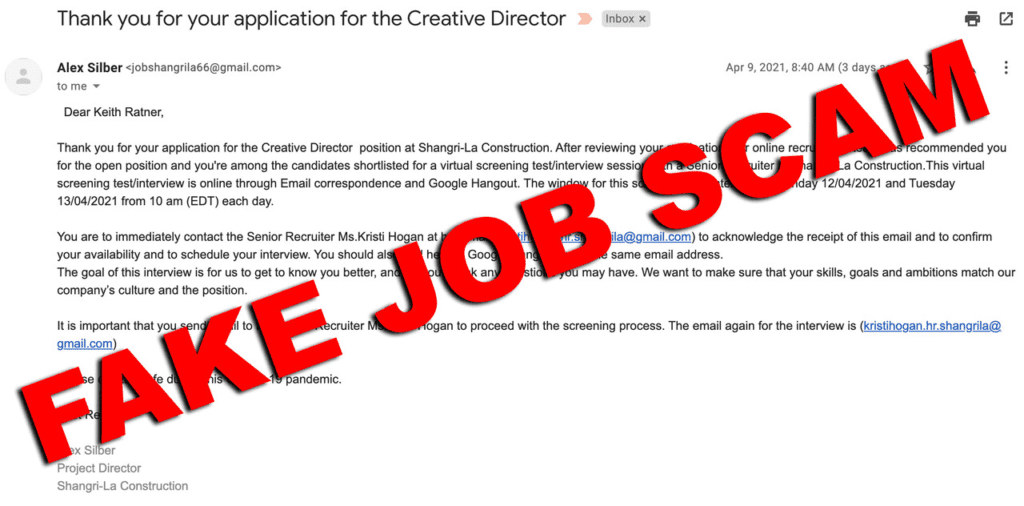
Protecting yourself online is crucial in today’s digital landscape. Just as you take precautions to safeguard your physical belongings, you need to prioritize your digital security. A strong online presence requires more than just a password; it demands a proactive approach to safeguarding your personal information and preventing unwanted intrusions.Robust online security practices are essential to mitigate risks and maintain a secure digital life.
By adopting a multi-layered approach, you can significantly reduce the likelihood of falling victim to scams, data breaches, or other online threats.
Strong Passwords
Creating strong passwords is the first line of defense against unauthorized access. Weak passwords are easily guessed or cracked, exposing your accounts and personal information. A robust password should be unique, complex, and difficult to decipher. Avoid using easily guessable information like birthdays, names, or common phrases. Instead, incorporate a mix of uppercase and lowercase letters, numbers, and symbols.
A password manager can significantly assist in generating and storing strong, unique passwords for all your accounts.
Multi-Factor Authentication (MFA)
Multi-factor authentication adds an extra layer of security beyond a simple password. By requiring more than one verification method (like a code sent to your phone or a security key), MFA makes it much harder for unauthorized individuals to access your accounts, even if they manage to guess your password. Enable MFA whenever possible for all your online accounts, including banking, email, and social media.
This proactive step significantly enhances your security posture.
Regular Software Updates
Regular software updates are critical for patching security vulnerabilities. Cybercriminals constantly develop new ways to exploit weaknesses in software. Keeping your operating system, applications, and antivirus software updated minimizes the potential attack surface and protects your devices from known threats. Configure your devices to automatically download and install updates whenever possible. This simple step can prevent potential security breaches and maintain a strong defense.
Protecting Your Personal Information
Be cautious about sharing personal information online. Avoid clicking on suspicious links or providing sensitive data to untrusted websites or individuals. Be wary of unsolicited requests for personal information, and verify the legitimacy of any request before responding. Never share your passwords, social security number, or bank account details with anyone you don’t know or trust.
Avoiding Suspicious Links and Attachments
Be extremely vigilant about emails containing suspicious links or attachments. Phishing scams often use deceptive emails to trick you into revealing your personal information or downloading malware. Hover over links before clicking to check the destination URL and look for red flags like poor grammar, misspellings, or urgent requests for information. Never open attachments from unknown senders or those that look suspicious.
If you’re unsure about an email, contact the sender directly through a known, verified method to confirm the authenticity of the message.
Tips to Strengthen Online Security
- Use a unique and strong password for each online account.
- Enable multi-factor authentication (MFA) wherever possible.
- Keep all software, including operating systems, applications, and antivirus programs, updated regularly.
- Be cautious about sharing personal information online and verify the legitimacy of any requests.
- Never click on suspicious links or open attachments from unknown senders.
- Use a reputable password manager to generate and store strong, unique passwords.
- Install and maintain reliable antivirus software.
- Be wary of unsolicited requests for personal information, especially those coming from unknown sources.
- Report suspicious emails or websites to the appropriate authorities.
Staying Informed About Current Scams
Staying ahead of evolving job scams requires constant vigilance. The digital landscape is constantly shifting, and new scams emerge regularly. Understanding how these scams operate and adapting your approach to online job searching is crucial to protecting yourself from financial and personal harm. Knowing what to look for and where to find trustworthy information can significantly reduce your risk.The online world is a breeding ground for new scams.
Keeping up with the latest trends in online job scams requires proactive engagement with cybersecurity resources. These resources can offer valuable insights into the methods scammers use and the red flags to look out for.
Recent Scam Trends
Recent trends in job offer scams often exploit current events, popular job markets, or emerging technologies. For example, there’s a growing use of AI-generated resumes and cover letters, which can be easily fabricated by scammers. Additionally, the rise of remote work has made individuals more vulnerable to phishing attacks disguised as legitimate job applications. Scammers are becoming more sophisticated, mimicking legitimate company websites and email addresses.
Monitoring Cybersecurity Updates
Staying informed about the latest cybersecurity threats requires consistent monitoring of reputable sources. This proactive approach allows you to recognize and respond effectively to emerging scams. Following cybersecurity experts and industry news outlets can provide timely updates on new trends, tactics, and techniques used by fraudsters.
Recommended Sources for Staying Informed
Staying informed about scams requires a multi-faceted approach, leveraging various resources to get a comprehensive view of the landscape. Reliable sources provide critical information on how scammers operate, their methods, and the latest trends in job offer scams.
- Cybersecurity News Outlets: Major news outlets often cover cybersecurity breaches and emerging threats. Staying updated on these reports can provide insights into the latest tactics and strategies employed by scammers. Examples include reputable news sites like the Associated Press, Reuters, and The New York Times.
- Government Agencies: Government agencies, such as the Federal Trade Commission (FTC) and the Cybersecurity and Infrastructure Security Agency (CISA), offer resources and information about scams. They publish warnings, alerts, and educational materials to help the public stay informed and protected.
- Industry Blogs and Publications: Industry blogs and publications dedicated to cybersecurity, such as Threatpost and Krebs on Security, often provide detailed analysis and expert opinions on emerging threats. These resources can be extremely valuable in understanding the intricacies of modern scams.
- Social Media Accounts of Cybersecurity Experts: Following cybersecurity experts on social media platforms can provide real-time updates and insights into emerging threats and scams. Their expertise and experience can help you recognize red flags and stay informed about evolving trends.
Final Review
In conclusion, navigating the job market requires vigilance and awareness of potential scams. By understanding the different types of job offer scams, recognizing phishing tactics, and protecting yourself from financial traps, you can significantly reduce your risk of falling victim. Remember to verify everything, be cautious about requests for personal information or money, and always report suspicious offers to the appropriate authorities.
Staying informed and proactive in your online security is key to securing a safe and legitimate job opportunity.