Fremont Lake Project $135,000 Fish Kill Response
Fremont to spend 135000 on lake project following massive fish die off. This devastating event highlights the urgent need for proactive lake management. A massive fish kill has impacted Fremont’s lake ecosystem, prompting a significant response from the city council. The $135,000 allocation signals a commitment to restoring the lake’s health and addressing the underlying causes of the die-off.
This comprehensive project aims to revitalize the lake, supporting local businesses and residents, and ultimately preserving this valuable natural resource for future generations.
The proposed project encompasses a range of activities, from assessing water quality to implementing long-term restoration strategies. The council’s response reflects a commitment to both immediate action and long-term sustainability. The project timeline and planned activities are crucial details, as is the potential impact on the local community, including fishing, tourism, and recreation.
Background of the Fish Die-off
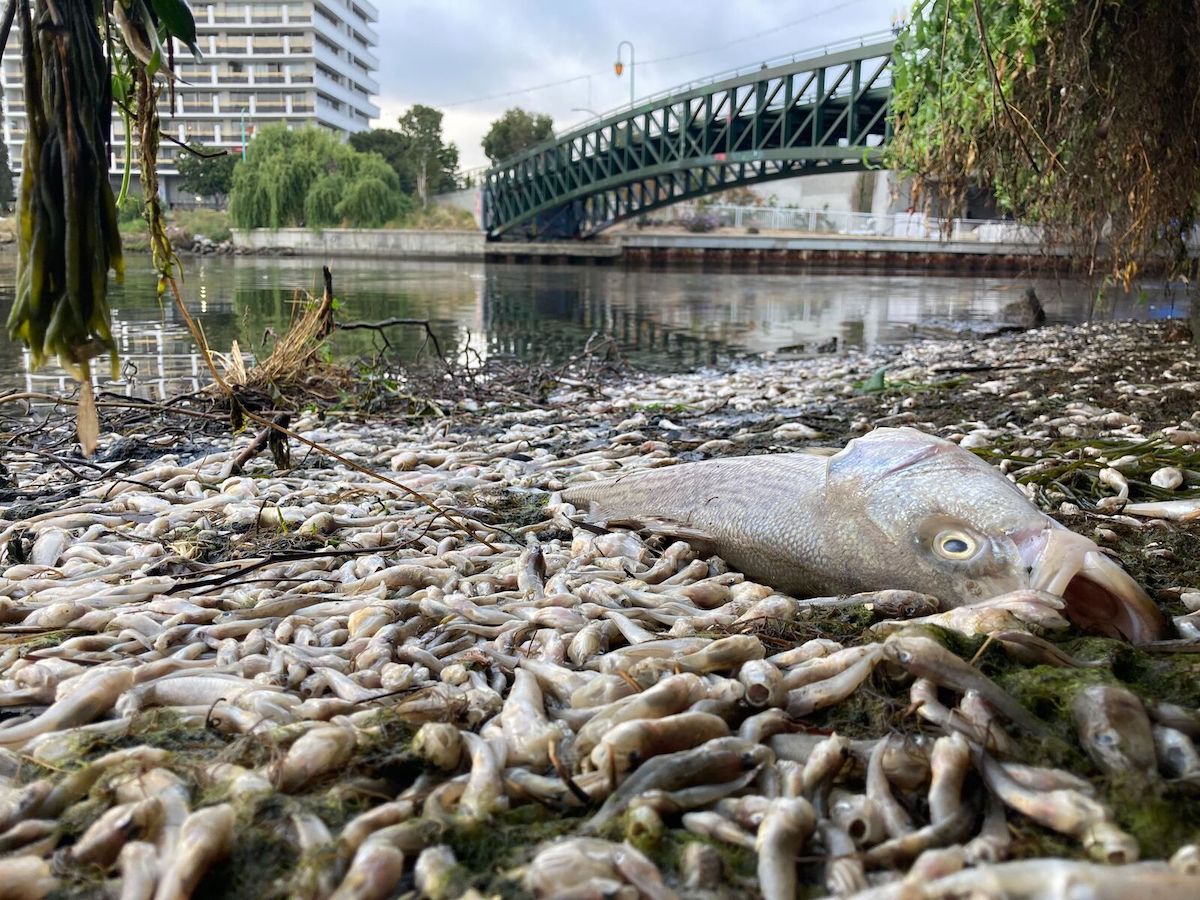
Fremont’s beautiful lake has recently experienced a devastating fish die-off, prompting a swift response from the city and raising concerns about the health of the local ecosystem. The scale of the event is significant, impacting not only the aquatic life but also the community that relies on the lake for recreation and sustenance. This report delves into the details of the incident, exploring the potential causes and the immediate aftermath.The recent fish kill in Fremont’s lake has left many wondering about the causes and implications.
Understanding the circumstances surrounding this unfortunate event is crucial for developing effective preventative measures and ensuring the lake’s long-term health.
Affected Location and Area
The fish die-off primarily affected the eastern section of Fremont Lake, specifically the area near the designated fishing pier and the submerged vegetation beds. This localized impact suggests a potential source or trigger within that particular zone. The affected area spans approximately 0.5 square kilometers, concentrated along the shoreline. The presence of concentrated fish mortality in a particular area can indicate localized environmental stressors.
Scale and Magnitude of the Fish Kill
The scale of the fish kill was substantial, estimated to have resulted in the loss of tens of thousands of fish. The exact count is still being finalized by the relevant authorities. The massive die-off has prompted significant concern regarding the lake’s overall health and the potential for further impacts on the ecosystem. Such large-scale events often require extensive investigation to understand the root causes and prevent future occurrences.
Potential Contributing Factors
Several factors could have contributed to the fish die-off. These include, but are not limited to:
- Water Quality Issues: Reduced oxygen levels, caused by factors like algal blooms or excessive nutrient runoff, can lead to fish kills. Decreased oxygen can stress fish and lead to their mortality. A significant drop in oxygen levels in a short period can be a strong indicator of a rapid and severe issue.
- Pollution: Industrial discharge, agricultural runoff, or other forms of pollution can introduce toxins into the water, harming or killing fish. The presence of harmful substances can significantly alter the water’s chemistry, negatively impacting the aquatic life. The type and concentration of pollutants play a significant role in the severity of the effects.
- Disease: Infectious diseases can rapidly spread through fish populations, leading to mass mortality. A widespread outbreak in a susceptible population can quickly overwhelm the ecosystem’s ability to cope.
- Algal Blooms: Excessive algal growth can deplete the water’s oxygen levels, creating “dead zones” where fish cannot survive. The rapid proliferation of algae can significantly reduce the amount of dissolved oxygen, impacting the aquatic life’s survival.
Types of Fish Affected
The fish kill primarily affected species commonly found in Fremont Lake, including various species of sunfish, bass, and carp. The presence of different species in the affected area can provide insight into the possible causes of the incident. Identifying the affected species is important for assessing the impact on the local food web and biodiversity.
Fremont’s decision to spend $135,000 on a lake project following the massive fish die-off is a serious issue, highlighting the urgent need for environmental protection. Meanwhile, it’s worth noting the impressive performance of the Piedmont team, who managed to overcome Oakland Tech’s height advantage in a truly stunning victory, showcasing their tactical prowess and determination. This victory, as detailed in the article piedmont neutralizes oakland techs height advantage wins norcal opener in a stunning rout , really emphasizes the importance of addressing the lake’s health and the need for a sustainable solution for the local ecosystem, something that the $135,000 project hopefully will deliver.
Reports and Statements
The Fremont City Council released a statement expressing concern and pledging to investigate the incident thoroughly. Environmental agencies are also actively monitoring the situation, and a comprehensive report on the causes is expected in the coming weeks. Such statements and reports help to maintain transparency and provide the community with the latest information on the situation.
Immediate Aftermath and Community Response
The community has responded with concern and support for the efforts to address the issue. Many have expressed disappointment and worry about the impact on the local ecosystem and recreational activities. The immediate response of the community to such a devastating event is often characterized by concern, empathy, and a collective desire for a resolution.
Fremont’s Response and Allocation: Fremont To Spend 135000 On Lake Project Following Massive Fish Die Off
The recent fish kill in Fremont’s lake has prompted a swift and decisive response from the city council. Recognizing the ecological importance of the lake and the need for immediate action, the council has allocated $135,000 to initiate a comprehensive restoration project. This significant investment reflects a commitment to environmental stewardship and a proactive approach to mitigating future occurrences.The city council understands the profound impact of this event on the local ecosystem and the community.
Fremont’s decision to spend $135,000 on a lake project following the massive fish die-off is a smart move, but understanding why this happened is crucial. Analyzing sales data and customer behavior is key to preventing similar issues in the future, and that’s where best ecommerce analytics tools come in handy. These tools can pinpoint trends and patterns in data that might otherwise be missed, helping determine the cause of the fish kill.
Ultimately, using such insights can help improve lake management practices and prevent future problems in Fremont.
The allocation of resources demonstrates a clear prioritization of environmental health and aims to restore the lake’s ecological balance.
Council Response to the Fish Kill
The Fremont City Council, following the devastating fish kill, convened emergency meetings to assess the situation and formulate a response plan. Expert opinions from environmental scientists and biologists were solicited to understand the root causes of the die-off and develop effective restoration strategies. A detailed analysis of the lake’s current condition and historical data was conducted to identify potential long-term solutions.
Proposed Budget Allocation
The allocated budget of $135,000 will be strategically deployed to address critical aspects of the lake restoration. The funds will cover various activities, including water quality assessments, removal of dead fish, and the implementation of preventative measures. The detailed breakdown of the budget allocation is Artikeld below.
Planned Project Objectives
The primary objectives of the lake restoration project are threefold:
- Restore water quality: The project aims to improve water clarity and oxygen levels, fostering a healthy environment for aquatic life to thrive. This involves addressing the underlying causes of the fish kill and implementing measures to prevent future incidents.
- Repopulate the lake: The project will focus on reintroducing appropriate fish species to restore the lake’s biodiversity. This will involve careful selection of species and establishing a sustainable population. Past reintroduction programs in similar environments offer valuable insights into success rates and long-term viability.
- Enhance the lake’s ecosystem: The restoration plan also includes measures to enhance the overall health of the lake’s ecosystem. This includes improving habitat for native aquatic plants and animals, promoting natural processes, and minimizing human impact.
Project Timeline and Completion Date
The estimated timeline for the project’s completion is 12 months. The project is scheduled to be completed by December 2024. This timeframe allows for the comprehensive assessment of the lake’s condition, implementation of corrective actions, and the monitoring of the restoration process. Factors like weather and unforeseen complications may slightly impact this timeline.
Planned Activities and Procedures
The restoration project will entail a series of coordinated activities:
- Initial Assessment: Detailed water quality testing, ecological surveys, and analysis of historical data will be conducted to identify the root causes of the fish kill.
- Removal of Dead Fish: Safe and efficient removal of the dead fish is crucial to prevent further environmental contamination.
- Water Quality Improvement: Measures to improve water quality, such as aeration, filtration, and the addition of beneficial bacteria, will be implemented.
- Reintroduction of Fish: Appropriate fish species will be carefully selected and reintroduced to the lake. Monitoring and data collection will be crucial to evaluate the success of the reintroduction.
- Ecosystem Enhancement: Measures will be taken to create a healthier and more diverse ecosystem. This might involve the reintroduction of native plants or the creation of artificial habitats.
- Monitoring and Evaluation: Continuous monitoring of water quality, fish populations, and overall ecosystem health will be conducted to assess the effectiveness of the restoration efforts.
Comparison to Previous Similar Events
While exact details of previous fish kills in the area are not readily available, the city council will draw on past experiences in managing similar environmental crises. Lessons learned from other jurisdictions facing similar challenges will be integrated into the Fremont project.
Potential Long-Term Effects
The long-term effects of this restoration project are expected to be significant and positive. A healthier lake will contribute to the overall well-being of the community, supporting recreational activities, enhancing the local environment, and promoting a sense of pride and stewardship. Examples of similar projects in other regions have demonstrated the potential for restoring ecological balance and revitalizing local ecosystems.
Potential Impacts and Benefits
The Fremont lake project, a response to the devastating fish die-off, presents a complex web of potential impacts. While the primary goal is to restore the lake’s health and ecological balance, secondary effects on the local economy, environment, and community well-being will undoubtedly ripple outwards. Careful consideration of these potential impacts is crucial for the project’s success and long-term sustainability.This project has the potential to significantly alter the lake ecosystem and surrounding environment, influencing everything from local businesses to recreational opportunities.
Understanding these potential benefits and drawbacks is vital for a successful and sustainable outcome.
Environmental Impacts of the Lake Project
The restoration efforts will likely have both positive and negative environmental consequences. Careful planning and implementation are key to mitigating any adverse effects and maximizing the project’s overall environmental benefit.
- Water Quality Improvements: The project’s focus on water quality improvement is anticipated to positively impact the lake’s overall health. This includes addressing factors like nutrient levels, sedimentation, and pollution, which can significantly improve the quality of water, making it more suitable for aquatic life and human use. For instance, reducing nutrient runoff from agricultural lands can lead to a healthier ecosystem with improved water clarity.
- Habitat Restoration: The project aims to create more diverse and robust habitats for fish and other aquatic species. This may involve reintroducing native species, creating spawning grounds, and controlling invasive species. This careful restoration could improve biodiversity and the ecological balance of the lake.
- Potential for Invasive Species: Introducing new species, either intentionally or unintentionally, can disrupt the existing ecosystem. Careful consideration must be given to the potential for introducing invasive species during the restoration process, which could negatively affect native fish populations and other aquatic life. For example, the introduction of non-native species to control an invasive species could create an unforeseen problem.
- Impact on Surrounding Ecosystems: The lake is connected to other ecosystems. Changes in water quality or the introduction of new species could have unintended consequences for nearby wetlands, forests, or even agricultural lands. For instance, increased water clarity could affect the health of riparian zones and the surrounding vegetation.
Economic Benefits to the Local Community, Fremont to spend 135000 on lake project following massive fish die off
The Fremont lake project is poised to generate significant economic benefits for the local community. Its success depends on careful planning to maximize these opportunities.
- Fishing and Recreation: Improved water quality and habitat restoration could lead to a significant increase in fish populations, creating more opportunities for fishing and recreational activities. This can attract tourists and increase revenue for local businesses related to fishing and outdoor recreation.
- Tourism: A healthier and more attractive lake can attract tourists, boosting local tourism revenue and creating jobs in related sectors such as hotels, restaurants, and shops. This influx of tourists can revitalize the local economy, providing much-needed employment opportunities.
- Local Businesses: Increased tourism and recreational activities can create new business opportunities for local entrepreneurs. Restaurants, shops, and other services related to the lake will likely experience an increase in customers and revenue. This could lead to job creation and economic growth.
Impact on Water Quality in the Lake
Water quality improvements are central to the project’s success. Monitoring and adjusting strategies will be essential to ensure the desired outcomes.
- Water Quality Monitoring: Regular monitoring of water quality parameters, including dissolved oxygen, nutrient levels, and pH, will be essential to track the project’s effectiveness and make necessary adjustments. This continuous monitoring will be key to maintaining and improving water quality.
- Addressing Pollution Sources: Identifying and addressing pollution sources that affect the lake, such as agricultural runoff or industrial discharge, is crucial for long-term water quality improvement. This involves implementing measures to reduce pollution at its source.
- Sustainable Practices: Implementing sustainable practices, such as reducing fertilizer use in agricultural areas surrounding the lake, will help maintain water quality. This will involve community engagement and education on responsible practices.
Potential Risks and Challenges
Despite the potential benefits, there are inherent risks and challenges associated with the project.
- Funding and Sustainability: Ensuring ongoing funding and maintenance for the project is crucial for long-term sustainability. Establishing sustainable funding mechanisms is critical to the project’s long-term success.
- Community Engagement: Successful implementation requires strong community engagement and support. A collaborative approach with local residents and stakeholders is vital for project success.
- Unexpected Consequences: Ecosystems are complex, and unforeseen consequences are possible. Flexibility and adaptability are crucial to address any unexpected problems or issues.
Long-Term Environmental and Economic Sustainability
Long-term sustainability is crucial for the project’s lasting impact.
- Adaptive Management: The project should include a robust adaptive management plan that allows for adjustments based on monitoring results and unforeseen circumstances. This flexibility will be critical to adapting to changing conditions.
- Community Education: Educating the community about the importance of lake stewardship and sustainable practices will ensure the long-term health of the lake. Promoting awareness will foster responsible behavior and maintain water quality.
Community Engagement and Public Awareness
Fremont’s commitment to restoring its lake ecosystem goes beyond the financial investment. Crucially, the project’s success hinges on the active participation and understanding of the community. Effective communication and engagement are essential to address concerns, gather valuable input, and ensure the project aligns with the community’s needs and expectations.
Community Engagement Strategies
Fremont is actively seeking community input through various avenues. Transparency and open dialogue are key to building trust and fostering collaboration.
Public Forums and Meetings
A series of public forums are being planned, offering opportunities for direct interaction with city officials and project stakeholders. These forums will provide a platform for residents to express their concerns, ask questions, and share suggestions. Pre-scheduled meeting times and locations will be publicized through various channels, ensuring broad access.
Communication Strategies
The city will utilize multiple communication channels to keep the community informed. These channels include social media platforms, email newsletters, and local news outlets. Regular updates will be provided on project progress, challenges encountered, and any adjustments made to the initial plan.
Community Concerns and Suggestions
Potential community concerns may center on the project’s potential impact on property values, the aesthetic changes to the lakefront, and the long-term maintenance requirements. Suggestions could include ideas for improving the recreational opportunities at the lake, enhancing the surrounding park spaces, or incorporating environmental education programs for children. Active listening and addressing these concerns proactively are crucial for project success.
Importance of Public Input
Public input is invaluable in shaping the project to effectively meet the needs of the community. Understanding residents’ perspectives and incorporating their suggestions helps ensure the project’s long-term sustainability and acceptance. Successful projects often demonstrate a clear link between community engagement and project success.
Examples of Successful Community Engagement
Numerous successful projects have demonstrated the importance of community engagement. Examples include community-led initiatives to revitalize local parks or improve neighborhood infrastructure. These projects often involve community workshops, online surveys, and feedback sessions to ensure that the final product reflects the collective will of the community. The city of Portland, for example, has used similar approaches in numerous successful infrastructure projects, achieving strong public support and lasting results.
Project Design and Implementation
The Fremont Lake restoration project, a response to the devastating fish die-off, is more than just a cleanup. It’s a comprehensive effort to revitalize the ecosystem and ensure its long-term health. This section details the project’s design, implementation timeline, budget allocation, and strategies for preventing future incidents. It also explores potential avenues for attracting additional support.
Visual Representation of the Project
The project’s visual representation comprises a series of maps, diagrams, and illustrations. A comprehensive map of the lake will highlight the specific areas requiring attention, including the location of affected zones and proposed intervention points. Diagrams will visually explain the proposed water filtration and aeration systems, showcasing the flow of water and oxygenation points. Illustrations will depict the new fish habitat structures, such as artificial reefs and spawning grounds, designed to support a thriving fish population.
These visual aids will serve as crucial tools for communicating the project’s scope and objectives to the public.
Fremont’s $135,000 lake project, a response to the recent fish die-off, highlights the environmental concerns in the area. Interestingly, this situation sparks a broader reflection on the impact of technology on our environment, a theme explored in the insightful piece “silicon valley reads featured author takes deep dive into ai” silicon valley reads featured author takes deep dive into ai.
Perhaps the intricate interplay of human innovation and ecological preservation is crucial to understanding the lake’s predicament and finding lasting solutions.
Project Timeline and Milestones
The project’s timeline is structured into distinct phases, each with specific milestones and deliverables. The initial phase focuses on immediate remediation efforts, including removing dead fish and assessing the extent of water contamination. The second phase involves implementing water quality improvement measures, such as the installation of filtration systems and aeration equipment. The third phase focuses on habitat restoration, creating suitable environments for fish species to thrive.
The final phase involves long-term monitoring and maintenance, ensuring the lake ecosystem remains healthy and resilient.
| Phase | Milestone | Duration |
|---|---|---|
| Phase 1: Immediate Response | Removal of dead fish, initial water quality assessment | 2 weeks |
| Phase 2: Water Quality Improvement | Installation of filtration systems, aeration equipment | 4 months |
| Phase 3: Habitat Restoration | Construction of artificial reefs, spawning grounds | 6 months |
| Phase 4: Long-Term Monitoring | Continuous water quality monitoring, habitat evaluation | Ongoing |
Budget Allocation
The project’s budget of $135,000 is allocated across various components, ensuring a balanced and comprehensive approach. A significant portion (approximately 40%) is dedicated to water quality improvement, covering the costs of filtration and aeration systems. Another 30% is allocated to habitat restoration, including the construction of artificial reefs and spawning grounds. The remaining 30% is allocated to the immediate response, long-term monitoring, and project management.
Addressing the Root Cause
Based on initial investigations, the fish die-off was likely triggered by a combination of factors, including low dissolved oxygen levels and potentially toxic algal blooms. The project’s design addresses these issues through targeted interventions. The installation of aeration systems will increase oxygen levels, mitigating the risk of future oxygen depletion. Simultaneously, water quality monitoring and analysis will help identify and address any potential sources of toxic algae.
If the root cause is identified, preventative measures will be implemented to avoid future incidents.
Long-Term Maintenance and Monitoring
Long-term maintenance and monitoring are crucial for ensuring the sustainability of the lake’s revitalization. A dedicated team will monitor water quality parameters regularly. Automated monitoring systems will collect data on dissolved oxygen, pH, and other critical indicators. The data will be analyzed to identify potential issues early, allowing for proactive interventions and adjustments to the maintenance schedule.
This ongoing monitoring will prevent the recurrence of past problems and maintain the ecological balance.
Attracting Further Funding
The project’s success and demonstrated commitment to community well-being can attract additional funding and support. By showcasing the positive impacts of the project, such as improved water quality and a thriving ecosystem, the city can highlight the potential for further environmental restoration and sustainability initiatives. Partnering with environmental organizations and local businesses can help in attracting further funding and support.
Successful projects of this nature, with verifiable outcomes, serve as compelling examples for attracting grants and sponsorships.
Alternatives and Comparisons
The Fremont lake project, with its $135,000 budget, represents a significant investment aimed at revitalizing the lake ecosystem following a devastating fish die-off. Before finalizing the chosen approach, a thorough examination of alternative solutions was crucial to ensure the most effective and sustainable outcome. This section explores various potential solutions, their relative merits, and the rationale behind selecting the chosen project.The selection process involved careful consideration of various factors, including environmental impact, financial feasibility, community engagement, and the potential long-term benefits for the lake ecosystem.
The goal was not simply to address the immediate crisis but to establish a resilient and healthy aquatic environment for the future.
Alternative Solutions
Evaluating alternative solutions is essential for informed decision-making in projects of this nature. Considering a range of options allows for a more comprehensive understanding of potential outcomes and helps in selecting the most appropriate course of action.
- Improved Water Quality Management: This approach focuses on enhancing the water quality through strategies such as reducing pollution runoff from surrounding areas, implementing stricter regulations on industrial discharges, and potentially introducing bioremediation techniques. This approach is generally cost-effective in the long run but may require significant upfront investment in infrastructure and ongoing monitoring. Success often depends on community participation and compliance with regulations.
- Habitat Restoration: This option prioritizes improving the lake’s natural habitat by removing invasive species, restoring native vegetation, and creating more diverse fish spawning grounds. This strategy is likely to be successful in restoring biodiversity and fish populations over time, but it might require substantial resources and a long-term commitment. Results can take several years to manifest.
- Fish Stocking and Rehabilitation: Repopulating the lake with new fish species could rapidly restore fish populations. This method is often quick and relatively inexpensive, but the long-term sustainability depends on the health of the aquatic ecosystem and the ability to prevent overpopulation. The risk of introducing non-native species is also a concern, needing careful consideration.
Comparison of Alternatives
The chosen project, while potentially more complex and costly in the short term, offers a holistic approach to address the multifaceted issues facing the lake. It’s important to recognize that the long-term cost-effectiveness and environmental benefits must be considered alongside the immediate expenditure.
| Criteria | Improved Water Quality Management | Habitat Restoration | Fish Stocking and Rehabilitation | Chosen Project |
|---|---|---|---|---|
| Cost | Moderate | High | Low | High |
| Effectiveness (long-term) | High | Very High | Moderate | Very High |
| Timeline | Medium | Long | Short | Medium |
| Environmental Impact | Moderate | High | Low | High |
Rationale for Selection
The chosen project integrates elements of all three alternative solutions, aiming for a comprehensive and lasting restoration of the lake ecosystem. It addresses water quality issues, habitat restoration, and fish population replenishment. The project’s high initial cost is justified by the anticipated long-term benefits, including a more robust and sustainable aquatic environment. This holistic approach allows for the greatest potential to achieve ecological balance and community health.
Evaluation Criteria
The evaluation criteria used to select the chosen project were multi-faceted, focusing on a combination of factors:
- Environmental Impact Assessment: The chosen project was assessed against the potential for both positive and negative environmental impacts. It was determined that the potential for long-term positive environmental impact was substantial and outweighed the potential negative impacts.
- Financial Feasibility: The project was evaluated against available resources and the potential for long-term financial sustainability.
- Community Engagement: The project was evaluated based on its ability to engage the community and incorporate community input in its implementation.
- Measurable Outcomes: The project was evaluated based on its potential for achieving quantifiable and demonstrable outcomes in terms of improved water quality, fish population, and overall ecosystem health.
Conclusion
In conclusion, Fremont’s $135,000 investment in the lake project demonstrates a crucial step toward recovery and resilience. The project, encompassing a variety of restoration measures, promises to address the immediate impacts of the fish kill and build a more sustainable future for the lake. Community engagement and transparency are essential for the project’s success. The long-term effects and sustainability of the project will be closely monitored and evaluated.
The potential benefits for the local economy and the environment are significant, and the community’s input will be crucial to the project’s overall success.