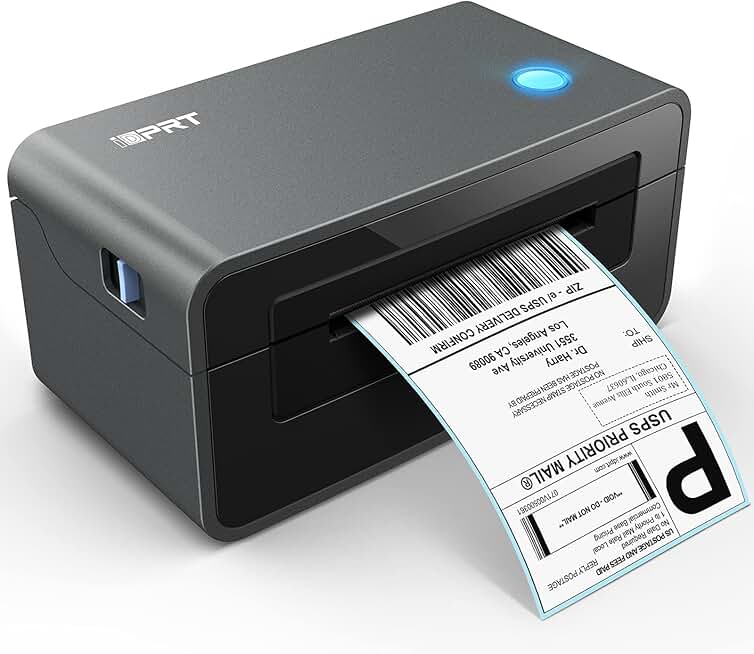
Shipping Label Printers E-commerce Efficiency
Shipping label printers e commerce are essential for streamlining e-commerce fulfillment. Different printer types, like thermal and inkjet, offer varying advantages and disadvantages, impacting speed, quality, and cost. Choosing the right printer depends on factors such as print speed, compatibility with label sizes, and integration with e-commerce platforms. This guide explores the entire process, from label generation to integration with order management systems, to help businesses optimize their operations.
From understanding the various types of shipping label printers to exploring their integration with popular e-commerce platforms, this comprehensive guide covers the key aspects of efficient e-commerce order fulfillment. We’ll examine how these printers boost efficiency, reduce costs, and improve the customer experience through customized label design options. We’ll also look at the importance of security, compliance, and future trends in this rapidly evolving sector.
Introduction to Shipping Label Printers in E-commerce
Shipping label printers are essential tools for e-commerce businesses, streamlining the fulfillment process and ensuring accurate and efficient shipping. They automate the creation of shipping labels, eliminating manual tasks and reducing errors. From small online shops to large-scale retailers, these printers play a vital role in order processing and delivery.These printers take the tedious work of creating shipping labels off your hands, allowing your staff to focus on other crucial aspects of the business.
This automation translates to increased efficiency, reduced order processing time, and ultimately, happier customers receiving their packages on time and without issues.
Types of Shipping Label Printers, Shipping label printers e commerce
Different types of shipping label printers cater to various needs and budgets. Understanding their characteristics helps businesses select the right printer for their operations.Thermal printers use heat to transfer images onto heat-sensitive labels. Inkjet printers, on the other hand, use ink cartridges to print labels. Direct thermal printers are often favored for their cost-effectiveness and simplicity, while inkjet printers provide higher quality printouts.
Factors Influencing Printer Choice
Several factors influence the selection of a shipping label printer for e-commerce businesses. Print speed, print quality, cost, and compatibility with various label sizes all play crucial roles in determining the optimal printer.Print speed is essential for handling high order volumes, while print quality ensures the labels are easily readable and scannable. The cost of the printer and associated consumables, such as labels, also needs consideration.
Finally, the printer must be compatible with the desired label sizes used in the shipping process.
Comparison of Printer Types
The table below compares thermal and inkjet printers based on key characteristics. This helps in making an informed decision about the best printer type.
| Feature | Thermal Printer | Inkjet Printer |
|---|---|---|
| Print Speed | Generally faster for simple labels | Slower print speed compared to thermal |
| Print Quality | Good for basic labels, less detail | Higher print quality, better for logos and graphics |
| Cost | Typically lower upfront cost, but higher ongoing label costs | Higher upfront cost, lower ongoing label costs |
| Compatibility | Works with various label sizes, commonly available | Works with a wider range of label sizes but requires special labels for certain types |
| Maintenance | Minimal maintenance needed | May require ink cartridge replacement |
E-commerce Shipping Label Printing Workflow: Shipping Label Printers E Commerce
Shipping labels are crucial for efficient e-commerce operations. From order placement to delivery, accurate and timely shipping labels are vital for customer satisfaction and smooth logistics. This process, from initial order entry to final dispatch, requires a well-defined workflow, often integrated with e-commerce platforms. This section explores the typical workflow, highlighting the integration and the steps involved.The automated process of generating and printing shipping labels in an e-commerce environment is streamlined and optimized for efficiency.
By integrating shipping label printers with e-commerce platforms, businesses can automate the entire process, from order processing to dispatch. This reduces manual errors, speeds up order fulfillment, and enhances the overall customer experience.
Typical Workflow for Generating and Printing Shipping Labels
The process of generating and printing shipping labels typically involves several key steps. These steps are interconnected and form a crucial part of the order fulfillment process. Order processing triggers the entire workflow, which culminates in a correctly printed shipping label.
- Order Placement and Processing: Customers place orders through the e-commerce platform. The platform then processes these orders, confirming details like shipping address, payment, and item availability. This stage initiates the label printing process.
- Order Confirmation and Shipping Information Gathering: Once the order is processed, the platform generates a confirmation for the customer. At this point, the shipping information, including the destination address, is extracted and validated. This ensures the accuracy of the shipping label information.
- Label Generation and Customization: Based on the validated shipping information, the e-commerce platform generates a shipping label. This label is customized with details like the order number, shipping carrier information, and recipient address. Additional information such as tracking numbers or special handling instructions can be included as well.
- Label Printing and Handling: The generated shipping label is sent to the connected shipping label printer. The printer then physically prints the label. Proper handling of the printed label is essential, ensuring it is easily attached to the package.
- Package Preparation and Dispatch: The shipping label is attached to the package containing the ordered items. The package is then prepared for dispatch, which might include additional processes like scanning or weighing. The order is now ready for shipping.
Integration with E-commerce Platforms
E-commerce platforms like Shopify and WooCommerce offer integrations with various shipping label printer software and hardware. These integrations automate the label generation and printing process, eliminating manual intervention and potential errors.
- Shopify Integration: Shopify’s robust API allows seamless integration with third-party shipping label printer software. This integration allows the platform to automatically send label data to the printer, thereby automating the process.
- WooCommerce Integration: Similar to Shopify, WooCommerce offers integrations that allow for automated label generation and printing. These integrations ensure data consistency and accuracy, reducing errors associated with manual processes.
- API-Driven Communication: Most integrations utilize Application Programming Interfaces (APIs) to exchange data between the e-commerce platform and the shipping label printer software. This direct communication streamlines the process, ensuring accurate data transmission.
Steps Involved in Printing Shipping Labels
The order fulfillment process is characterized by a series of steps, beginning with order processing and concluding with dispatch.
- Order Entry: The initial step involves entering the order into the e-commerce platform. This triggers the system to collect shipping details.
- Shipping Information Verification: The platform verifies the shipping information to ensure accuracy and completeness.
- Label Generation: Based on the validated information, the system generates the shipping label with all necessary details.
- Print Trigger: The generated label is sent to the connected shipping label printer, triggering the printing process.
- Label Attachment: The printed label is attached to the package.
- Dispatch: The package is prepared for dispatch, potentially including additional steps like scanning and weighing.
Process Flow Diagram
[A process flow diagram illustrating the steps Artikeld above would visually represent the order fulfillment process. It would show the sequence of events from order placement to label printing and dispatch. The diagram would highlight the interactions between the e-commerce platform, shipping label printer, and other relevant systems.]
Software and Hardware Components
A well-functioning e-commerce shipping label printing system relies on several software and hardware components.
| Category | Component | Description |
|---|---|---|
| Software | E-commerce Platform | Handles order processing, shipping information management, and integration with label printers. (e.g., Shopify, WooCommerce) |
| Software | Shipping Label Printer Software | Manages label generation, printing, and communication with the printer. |
| Hardware | Shipping Label Printer | Physically prints the shipping labels. |
| Software | Shipping Carrier API | Handles communication with the shipping carrier for tracking information. |
Impact of Shipping Label Printers on Efficiency and Costs
Shipping label printers are no longer a luxury for e-commerce businesses; they’re a necessity for streamlined operations. These machines automate a crucial part of the order fulfillment process, significantly impacting efficiency and reducing overall costs. From minimizing manual labor to optimizing inventory tracking, label printers provide a tangible return on investment.Implementing automated labeling systems with shipping label printers has a profound impact on the efficiency of order fulfillment, and in turn, reduces overall operational costs.
Enhanced Order Fulfillment Efficiency
Shipping label printers dramatically improve the speed and accuracy of order fulfillment. By automating the label creation process, businesses can drastically reduce the time spent on manual labeling. This freed-up time can be redirected to other crucial tasks, such as order processing, packaging, and customer service. This automation translates directly into faster order turnaround times, leading to greater customer satisfaction.
Reduced Manual Labor and Costs
Manual labeling is a time-consuming and error-prone process. Errors in labeling can lead to delays, misdirected shipments, and unhappy customers. Shipping label printers eliminate these issues. Consider a small business shipping 100 orders a day. Manually creating labels for each order takes significant time, potentially costing labor hours.
By automating this process, the business can save considerable time and labor costs.
Cost-Benefit Analysis
The cost-benefit analysis of implementing shipping label printers involves evaluating the initial investment against the long-term savings. Factors to consider include the printer’s price, the cost of labels, and the potential for increased sales due to faster shipping. A business needs to carefully assess its current shipping volume and projected growth to determine the optimal investment. The savings from reduced labor costs, minimized errors, and improved efficiency often outweigh the initial investment.
Manual Labeling vs. Automated Labeling
The operational costs of manual labeling are substantial. Labor costs, error rates, and the potential for lost shipments contribute significantly to the total cost of operation. Conversely, automated labeling with printers drastically reduces these costs. Errors are minimized, and the time required to complete an order is shortened. A detailed comparison can be done by calculating the labor cost of manual labeling versus the initial cost and maintenance of the printer plus the cost of labels.
The total cost of ownership for an automated system, when calculated over time, often proves to be lower.
Minimizing Printing Costs
Minimizing printing costs without sacrificing quality is achievable through smart choices in printer selection and label purchasing. Investing in printers with features such as variable data printing can save on costs by generating labels tailored to each order. Similarly, purchasing labels in bulk can often reduce the unit price. Furthermore, implementing efficient print settings and using high-quality, durable labels can help maintain printing quality while lowering per-label costs.
Carefully evaluating label materials, ink usage, and printer settings can optimize cost without compromising quality.
Integration with Order Management Systems
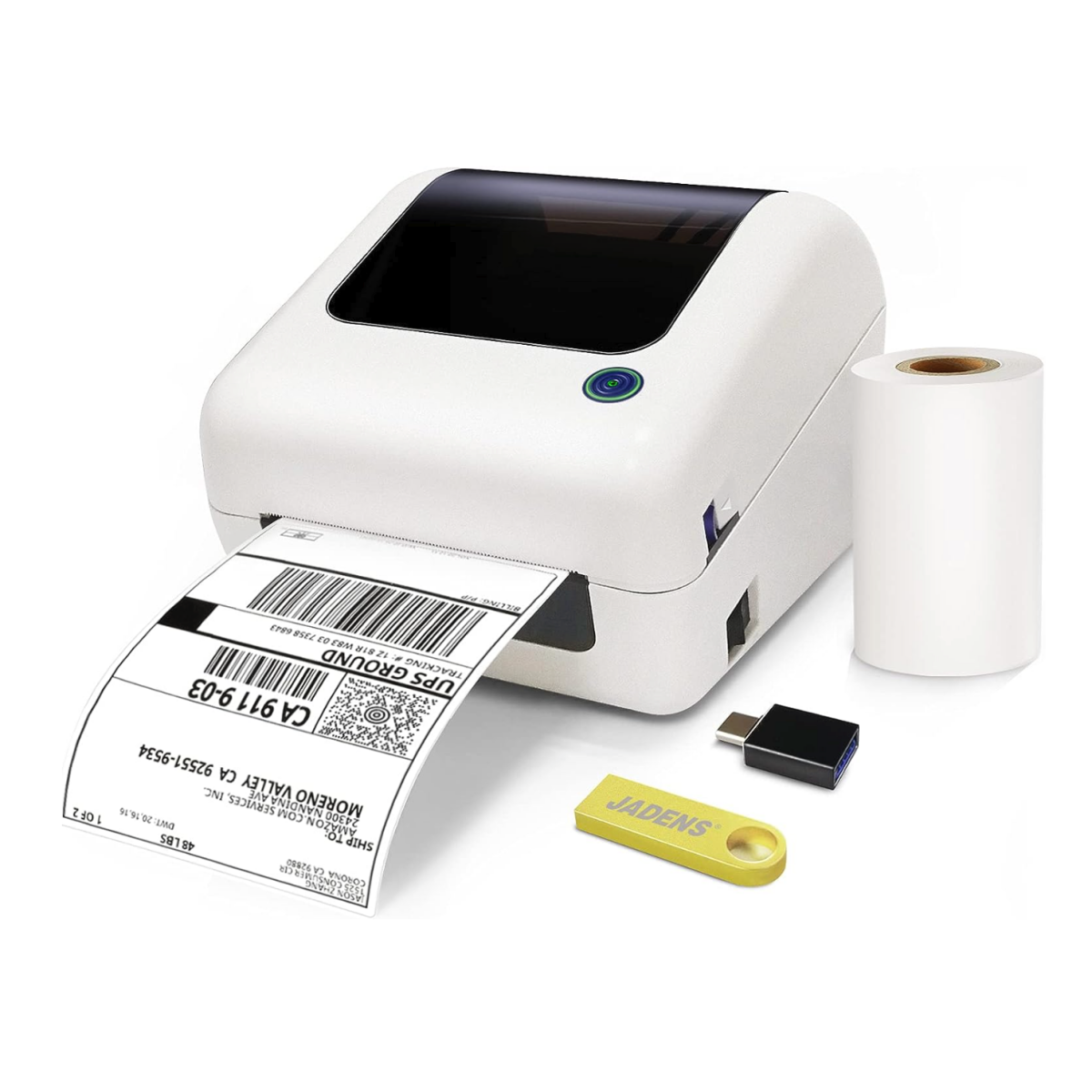
Seamless integration between shipping label printers and e-commerce order management systems is crucial for optimizing the shipping process. This integration streamlines workflows, reducing manual data entry, and minimizing errors, ultimately improving customer satisfaction and boosting operational efficiency. A well-integrated system allows for real-time updates, ensuring labels are generated accurately and promptly.Order management systems (OMS) house crucial data about orders, including customer details, shipping addresses, and product information.
A properly integrated label printer connects directly to this data source, eliminating the need for manual input and reducing the chance of mistakes. This automation significantly improves speed and accuracy, freeing up staff to focus on other critical tasks.
Importance of Data Synchronization
Data synchronization between the order management system and the shipping label printer is paramount. Accurate data transfer ensures that labels reflect the correct order details, shipping information, and tracking numbers. This minimizes the risk of mismatched shipments, lost packages, and dissatisfied customers. Inaccurate labels lead to lost time and resources in locating and resolving discrepancies.
Shipping label printers are crucial for e-commerce businesses, especially when dealing with the volume that comes with success. It’s inspiring to see how a company like the Berkeley children’s book publisher is navigating the current tough market, as detailed in this article berkeley childrens book publisher continues surviving in tough market. Efficient printing solutions are vital to streamline the entire process, from order fulfillment to customer satisfaction, ultimately helping businesses like these stay afloat and competitive.
Integration Methods with Popular E-commerce Platforms
Several methods exist for integrating shipping label printers with popular e-commerce platforms. Direct API integrations are common, allowing the printer to access and process order data directly from the platform’s database. Third-party plugins or extensions are another approach, providing a bridge between the printer and the e-commerce system. Choosing the appropriate integration method depends on the specific e-commerce platform and the printer’s capabilities.
Table of Integration Methods
| Integration Method | Pros | Cons |
|---|---|---|
| Direct API Integration | Real-time data synchronization, high accuracy, reduced manual intervention. | Requires technical expertise for setup, potentially higher initial investment. |
| Third-party Plugins/Extensions | Ease of setup for some users, often cost-effective. | May not offer real-time updates, potentially less flexible. |
| Custom Integrations | Tailored to specific needs and requirements, maximum flexibility. | Most complex and expensive option, often requires significant development time. |
Technical Aspects of Integration
The technical aspects of integration involve establishing a secure connection between the order management system and the shipping label printer. This usually involves using Application Programming Interfaces (APIs) to exchange data. The APIs define the rules for how the systems communicate and exchange data, enabling the printer to pull order information, update statuses, and generate labels automatically. Specific protocols, such as XML or JSON, might be used to format the data.
“Proper API integration ensures data integrity and reliability, preventing inconsistencies and errors during the shipping process.”
Testing and validation are essential to ensure that the integrated system operates as intended.
Label Design and Customization Options
Personalized shipping labels are no longer a mere necessity; they’re a powerful tool for boosting brand recognition and enhancing the customer experience in e-commerce. A well-designed label, reflecting the brand’s identity, can create a positive first impression, reinforcing trust and encouraging repeat business. Moreover, customization options allow businesses to tailor the label to specific products, promotions, or even individual customers, fostering a sense of exclusivity and personalization.Shipping label printers offer a wide array of design and customization options, moving beyond basic text and barcodes.
These options allow businesses to effectively communicate brand identity and create a more positive customer experience, contributing to brand loyalty and repeat purchases.
Importance of Personalized Shipping Labels
Personalized shipping labels go beyond simply displaying a tracking number. They offer a direct channel to communicate with customers, adding a touch of personality to their unboxing experience. Tailored labels can reinforce brand identity and create a cohesive brand experience from order placement to delivery. This personalization fosters a stronger connection between the customer and the brand, potentially leading to increased customer loyalty and positive word-of-mouth marketing.
The ability to incorporate specific information, like product images, promotions, or even personalized messages, further enhances the customer experience.
Design Options and Customization Capabilities
Modern shipping label printers provide a diverse range of design options, enabling businesses to create unique and eye-catching labels. These options extend beyond simple text and barcodes, encompassing graphics, logos, color schemes, and even custom fonts. Software interfaces are designed for ease of use, allowing businesses to easily incorporate branding elements and create visually appealing labels that match their specific needs and preferences.
Creating and Applying Custom Designs
The process of creating custom shipping labels is typically straightforward. Many printers come with user-friendly software that allows users to design labels using templates or from scratch. The software often allows for the integration of logos, images, and text to reflect brand identity. Users can adjust colors, fonts, and sizes to align with their branding guidelines. Once the design is finalized, the printer applies the label to the shipping package using high-quality printing technology.
Shipping label printers are essential for smooth e-commerce operations, ensuring accurate and timely delivery. However, a recent incident involving a driver arrested for DUI in Saratoga after hitting a parked car ( driver arrested for dui in saratoga after hitting parked car ) highlights the importance of responsible transportation practices, which indirectly impacts logistics and delivery times, ultimately affecting online businesses.
Reliable shipping label printers are key to maintaining efficient e-commerce operations.
Advanced printers may offer features like variable data printing, which allows for different labels to be printed for each individual order, creating a truly personalized touch.
Examples of Unique Label Designs
Unique label designs can significantly enhance branding and the customer experience. For example, a label featuring a product image alongside a special offer or discount code can attract attention and encourage customers to explore further products. Similarly, incorporating a playful graphic element can make the shipping process more engaging. Seasonal labels, using relevant colors and imagery, can also increase brand recognition and foster a positive association with the brand.
Companies might use holiday-themed designs during the festive season to align with current events and create a memorable experience for customers.
Shipping label printers are essential for e-commerce businesses, streamlining the order fulfillment process. But did you know that effective use of social media, like in social media for nonprofits , can also boost your online store’s visibility and brand awareness? From targeted ads to engaging content, a well-executed social media strategy can ultimately improve sales, making your shipping label printer even more valuable.
Label Materials and Suitability
| Label Material | Suitability |
|---|---|
| Standard Paper Labels | Affordable option for general use; suitable for most shipping needs. |
| Waterproof/Water-Resistant Labels | Ideal for shipping items in potentially wet or humid environments, or for items that may come into contact with water during transit. |
| Thermal Transfer Labels | Durable and suitable for high-volume printing; can be used for various shipping requirements, including those with demanding durability needs. |
| Permanent Adhesive Labels | Excellent for high-volume shipping and labels that need to withstand significant handling; typically used for products needing robust labels. |
| Recycled Materials | Environmentally conscious choice for companies prioritizing sustainability; good for eco-friendly shipping. |
Factors Affecting Printing Speed and Quality
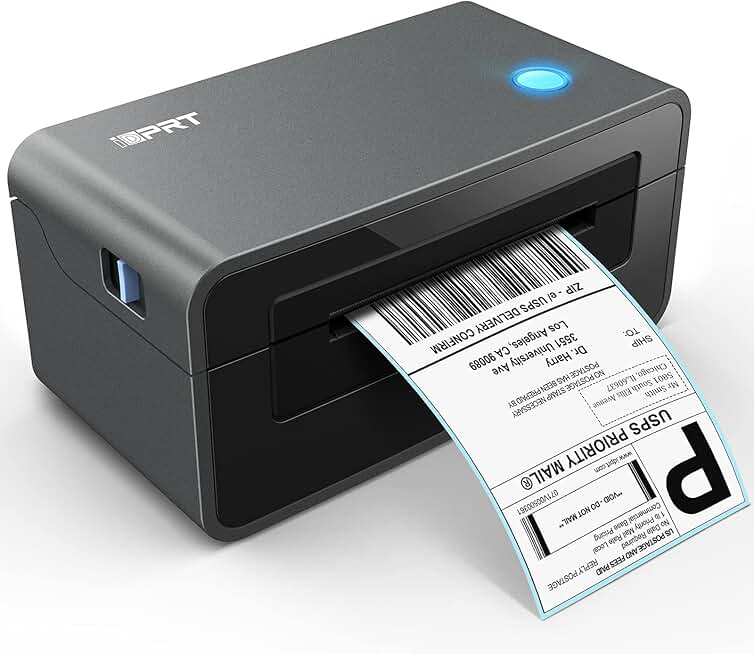
Shipping label printers are vital tools for e-commerce businesses, streamlining the order fulfillment process. However, achieving optimal performance hinges on understanding the factors that impact printing speed and quality. These factors range from the printer’s internal workings to the materials used in the printing process.The efficiency and accuracy of shipping label printing directly influence customer satisfaction and operational costs.
Understanding these factors allows businesses to optimize their printing workflow, ensuring timely and high-quality label production.
Printer Specifications and Capabilities
Printer specifications significantly impact printing speed. Different models boast varying print speeds, often measured in labels per minute (LPM). Faster print speeds generally correlate with more expensive printers, but the optimal speed depends on the volume of orders and the specific needs of the business. High-capacity printers equipped with advanced features, such as automatic document feeders and multiple paper trays, can enhance productivity.
Print Technology and Resolution
Print technology greatly affects label quality and printing speed. Thermal transfer printers, using heat to transfer ink from a ribbon to the label, are commonly used for shipping labels due to their cost-effectiveness and speed. Direct thermal printers, which use heat to directly imprint the label, are often chosen for their ability to print on a wider range of label materials, but may be less fast.
The printer resolution, measured in dots per inch (DPI), impacts the clarity and detail of the printed label. Higher DPI results in sharper text and graphics, but may reduce printing speed. Businesses should consider their specific label design requirements when choosing a printer with an appropriate DPI setting.
Label and Ribbon Quality
The quality of the labels and ribbons used significantly impacts the printing process. Using high-quality labels ensures a smooth printing surface, reducing the risk of jams and ensuring crisp, clear printouts. High-quality ribbons, on the other hand, guarantee consistent ink transfer and prevent smudging. The type of label material (e.g., glossy, matte, or paper-based) can also affect the printing quality and the required printer specifications.
Inconsistent label quality can result in damaged or illegible labels, negatively impacting the shipping process.
Printer Maintenance and Troubleshooting
Regular maintenance is crucial for maintaining optimal printer performance. Routine cleaning of the print head, rollers, and other components, as well as proper ribbon replacement, extends the printer’s lifespan and reduces the likelihood of malfunctions. Identifying and addressing potential printing issues, such as paper jams, ribbon problems, or print head clogs, is essential to ensure uninterrupted operation. Maintaining a consistent cleaning schedule and proper label/ribbon usage are key to reducing these issues.
Factors Affecting Reliability and Longevity
Printer reliability is vital for smooth operations. Factors like proper environmental conditions (temperature and humidity), regular maintenance, and using compatible labels and ribbons all play a role in the printer’s longevity. A reliable printer reduces downtime and ensures consistent label production. Choosing a reputable brand with a proven track record for durability is essential. High-quality printer components contribute to the longevity and reliability of the printer, reducing the risk of costly repairs.
Security and Compliance Considerations
Protecting your e-commerce business and maintaining customer trust are paramount when shipping products. Robust security measures for shipping labels are crucial to prevent fraud, ensure accurate delivery, and maintain compliance with regulations. Failing to address these aspects can lead to significant financial losses, reputational damage, and legal repercussions.Shipping label printers play a vital role in bolstering security and compliance.
By integrating secure printing processes and adhering to relevant regulations, businesses can mitigate risks and enhance the overall reliability of their operations. This ensures that shipments are authentic and that the appropriate paperwork is generated and tracked.
Importance of Secure Label Printing Practices
Secure label printing practices are essential to prevent fraudulent activities. Unauthorized alterations or forgeries of shipping labels can lead to misdirected or lost packages, resulting in significant financial losses for the business and dissatisfaction for customers. Secure label printing, through technologies like embedded barcodes and tamper-evident features, significantly reduces the risk of such issues.
Compliance Requirements and Regulations
Various regulations and compliance standards govern shipping labels, impacting how they are designed, printed, and tracked. These requirements vary by region and industry, and businesses must ensure compliance to avoid penalties and legal issues. Examples include proper labeling for hazardous materials, customs declarations, and adherence to specific data privacy regulations.
Security Measures to Prevent Fraudulent Activities
Implementing several security measures can effectively deter fraudulent activities related to shipping labels. These include using tamper-evident labels with unique identifiers, integrating encryption technologies into the printing process, and implementing robust authentication protocols for order fulfillment. Advanced features such as embedded barcodes and holographic elements can make it difficult for fraudulent actors to alter labels.
Tracking and Verification of Shipments with Shipping Label Printers
Shipping label printers can be instrumental in tracking and verifying shipments. Advanced label printers can generate unique identifiers for each label, allowing for real-time tracking of packages through the supply chain. This detailed tracking provides transparency and accountability, aiding in the resolution of potential issues or disputes. Integrating tracking information directly onto the label allows customers to monitor their package’s journey.
Table of Relevant Regulations and Compliance Standards
| Regulation/Standard | Description | Impact on Shipping Labels |
|---|---|---|
| Hazardous Materials Regulations (e.g., DOT, IATA) | Specifies requirements for labeling and packaging hazardous materials. | Shipping labels for hazardous goods must comply with specific labeling and packaging guidelines. |
| Customs Regulations (e.g., US Customs and Border Protection) | Establishes guidelines for international shipments and customs declarations. | Shipping labels for international shipments must include accurate customs declarations. |
| Data Privacy Regulations (e.g., GDPR, CCPA) | Defines rules for handling and protecting customer data. | Shipping labels containing customer information must comply with data privacy regulations. |
| Industry-Specific Standards (e.g., pharmaceutical industry) | Includes specific requirements for labeling and tracking. | Shipping labels for certain industries, such as pharmaceuticals, have particular requirements. |
Future Trends and Innovations
The e-commerce landscape is constantly evolving, and shipping label printers are adapting to meet the growing demands for speed, efficiency, and personalization. Emerging technologies are poised to revolutionize the entire process, from label creation to delivery tracking, promising significant advancements in the near future. These innovations are not just about faster printing; they’re about smarter, more integrated systems that improve the customer experience and streamline operations.The future of shipping label printing in e-commerce is built on a foundation of technological advancements.
These advancements are designed to address the complexities of today’s fast-paced, globalized e-commerce world, making the entire shipping process more seamless and reliable.
Emerging Printing Technologies
The printing technology behind shipping labels is constantly evolving. Laser-based and inkjet technologies are becoming more sophisticated, enabling higher print quality, faster speeds, and greater customization options. For instance, advancements in inkjet technology allow for the creation of labels with intricate designs and variable data, catering to the personalized demands of modern e-commerce. The use of specialized inks and papers is also improving durability and water resistance, ensuring labels withstand harsh shipping conditions.
Smart Labels and Integration
Smart labels represent a significant advancement. These labels incorporate microchips or embedded sensors that can track the package’s journey in real-time, providing precise location updates and status information to both the retailer and the customer. This real-time visibility enhances transparency and allows for proactive issue resolution. The integration of smart labels with order management systems allows for automatic updates and notifications, streamlining the entire process.
This also opens opportunities for improved customer communication, for example, proactive notifications if a package is delayed or if there is an issue with the delivery process.
Personalized and Variable Data Printing
The ability to print variable data directly onto shipping labels is becoming increasingly sophisticated. This allows for customized labels with unique information tailored to each individual order. This includes tracking numbers, recipient addresses, and even personalized messages, all printed dynamically. This personalization fosters a more customer-centric approach to shipping, making the experience more convenient and less prone to errors.
For example, a company could print unique promotional codes or product-specific details on the label, encouraging repeat purchases.
Sustainable Practices in Label Printing
Environmental consciousness is increasingly influencing business decisions. The adoption of eco-friendly materials and printing processes is gaining momentum in the e-commerce sector. Recycled paper, biodegradable inks, and energy-efficient printing equipment are becoming more prevalent. This focus on sustainability aligns with consumer preferences and contributes to a more responsible approach to packaging. For example, companies can use recycled or sustainably sourced paper for their labels, reducing their environmental footprint.
Integration with E-commerce Platforms
Future shipping label printers will integrate seamlessly with various e-commerce platforms. This seamless integration streamlines order fulfillment, automating the creation and printing of shipping labels directly from the order management system. This automation minimizes manual intervention, reducing errors and improving overall efficiency. Real-time data exchange between the printer and the e-commerce system allows for automatic updates on label status, order progress, and shipping events.
Last Point
In conclusion, shipping label printers are a critical component of modern e-commerce operations. By automating the label printing process, businesses can significantly enhance efficiency, reduce manual labor costs, and improve the customer experience. The integration of these printers with order management systems is vital for accurate and timely shipping. This guide provides a comprehensive overview of all aspects, from printer types and workflow to integration and future trends, equipping businesses with the knowledge to choose the right printer for their needs and maximize their e-commerce potential.