Bay Area Rain End of Drought?
The rain is coming the rain is coming bay area braces for end of dry spell – The rain is coming, the rain is coming! Bay Area residents brace for the end of the prolonged dry spell, a moment eagerly anticipated after months of water restrictions and drought conditions. This anticipated rainfall promises to significantly impact the region’s water supply, ecosystems, and even the local economy. Let’s dive into the details of how this significant event will reshape the Bay Area.
The recent drought has deeply affected various aspects of life in the Bay Area, from agriculture to daily water usage. The impending rain offers a glimmer of hope, but also presents challenges related to potential flooding. This article explores the drought’s history, current conditions, and the expected impact of the upcoming rainfall, examining public perception, environmental changes, and economic considerations.
Bay Area Drought Conditions
The Bay Area is bracing itself for the end of a prolonged dry spell, with the anticipated arrival of much-needed rain. While the promise of rain is welcome news, it’s crucial to understand the severity and long-term impact of the recent drought. This period of dryness has significantly stressed water resources and ecosystems, necessitating careful consideration of future water management strategies.The recent drought has exposed the vulnerability of the Bay Area’s water supply system, highlighting the need for proactive measures to mitigate future water scarcity.
The impacts extend far beyond simple inconvenience, touching upon agricultural production, environmental health, and the overall well-being of the community.
Recent Drought Conditions
The Bay Area has experienced a significant drought in recent years, characterized by below-average rainfall and high temperatures. This has led to depleted reservoir levels, impacting water availability for both human consumption and agricultural activities. The severity of the drought has varied across different regions, with some areas experiencing more pronounced water shortages than others.
Impact on Various Aspects of Life
The drought’s impact extends across numerous sectors. Agricultural yields have suffered due to water scarcity, forcing farmers to adapt their practices and potentially reducing crop output. Water restrictions have been implemented to conserve existing supplies, impacting household water use and potentially increasing costs for water-intensive activities. The environment has also felt the effects, with reduced stream flow and declining water levels in wetlands, impacting local ecosystems and wildlife.
Historical Context of Bay Area Droughts
The Bay Area has experienced droughts throughout its history, although the severity and duration of recent events stand out. Historical records show patterns of recurring dry periods, demonstrating the region’s inherent vulnerability to climate variability. Understanding these historical trends is crucial for developing effective long-term water management strategies.
Current Water Restrictions and Conservation Efforts
Numerous water restrictions have been implemented across the Bay Area to conserve water. These restrictions vary by region and municipality, but generally include limitations on outdoor water use, such as watering lawns and washing cars. Community awareness campaigns and public education initiatives have played a crucial role in promoting water conservation practices. Residents are encouraged to take individual steps to reduce their water footprint.
Drought Severity Comparison Across Bay Area Regions
| Region | Drought Severity Level | Impact on Water Supply |
|---|---|---|
| East Bay | High | Reduced water availability, impacting reservoirs and municipal supplies. |
| South Bay | Moderate | Decreased water availability for agricultural and domestic use, with some restrictions in place. |
| Peninsula | Moderate to High | Water restrictions are in place, affecting both residential and commercial water use. |
Key Water Management Strategies
Effective water management strategies are crucial for mitigating the impact of future droughts. The Bay Area has implemented various strategies to address water conservation and improve water resource management.
- Enhanced water recycling and reuse technologies: These technologies enable the treatment and reuse of wastewater for various purposes, reducing the demand on fresh water resources.
- Improved water infrastructure: Investments in infrastructure projects, such as pipeline upgrades and reservoir expansions, can enhance the region’s ability to store and distribute water effectively.
- Public awareness campaigns: Education and outreach programs are critical for encouraging water conservation practices among residents and businesses.
- Development of drought-resistant landscaping: Promoting the use of drought-tolerant plants in landscaping reduces the need for frequent irrigation.
Expected Rainfall Impact
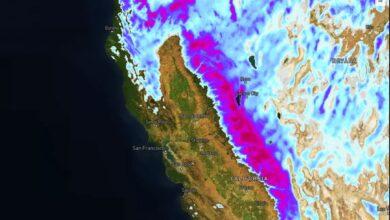
The Bay Area is bracing for a significant change in weather, as the end of the prolonged dry spell approaches. The anticipated rainfall promises a much-needed respite from the drought conditions, but its impact will vary across the region and have complex consequences on the local ecosystem and water resources. Understanding the potential effects is crucial for preparation and mitigation.The predicted rainfall will have a profound effect on the Bay Area’s drought-stricken water supply reservoirs.
Reserves have been critically low for months, and replenishment will be critical for maintaining a reliable water supply for agriculture, households, and industry. The volume of rainfall, coupled with snowmelt in the Sierra Nevada, will directly influence the reservoir levels and their recovery rate.
The Bay Area is buzzing with anticipation as the rain finally approaches, putting an end to the long dry spell. With the potential for flooding and water-related issues, it’s a good time to consider how cloud-based solutions like ubuntu desktop on cloud can help manage data and infrastructure in the face of potential disruptions. Hopefully, this timely rain will ease the drought worries and bring a much-needed reprieve to the region.
Rainfall Amounts and Historical Comparisons
The expected rainfall amounts vary geographically, depending on the region’s elevation and proximity to the weather systems. The following table illustrates projected rainfall amounts for different parts of the Bay Area. Comparing these predictions to historical rainfall patterns will help assess the magnitude of the expected precipitation. The impact on water resources will depend on the intensity and duration of the rain events.
For instance, the 2017 atmospheric river events caused significant flooding in the region, illustrating the importance of accurate forecasting and preparedness.
| Region | Predicted Rainfall (inches) | Impact on Reservoirs |
|---|---|---|
| East Bay | 6-8 | Significant reservoir replenishment, potentially exceeding historical averages for this time of year. |
| San Francisco | 4-6 | Moderate reservoir replenishment, likely to bring relief to water shortages but not fully address the issue. |
| Peninsula | 5-7 | Moderate to significant reservoir replenishment, depending on the specific location and intensity of the rainfall. |
| South Bay | 4-6 | Moderate reservoir replenishment, with potential for increased water availability. |
Impact on Local Ecosystems
The predicted rainfall will have a multifaceted impact on local ecosystems. Increased water availability will positively affect vegetation and support the recovery of water-dependent species. However, heavy rainfall events can also cause erosion, mudslides, and disruptions to local habitats. The impact on wildlife, such as salmon migration patterns, is also an important consideration. The effects will vary depending on the type and amount of precipitation, the specific region, and the duration of the rain.
The impact on native plants and animals, especially those adapted to drier conditions, will need careful monitoring.
Potential Flood Risks
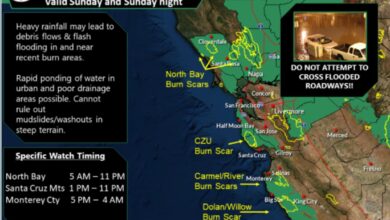
The upcoming rainfall poses potential flood risks, especially in areas prone to flash floods or with poor drainage. Past events in the region highlight the importance of proper infrastructure and emergency preparedness. The intensity and duration of the rainfall, along with the terrain and existing drainage systems, will determine the level of flood risk in different areas. Communities need to be aware of potential flood zones and evacuation plans, ensuring their safety during the event.
Public Perception and Preparedness: The Rain Is Coming The Rain Is Coming Bay Area Braces For End Of Dry Spell
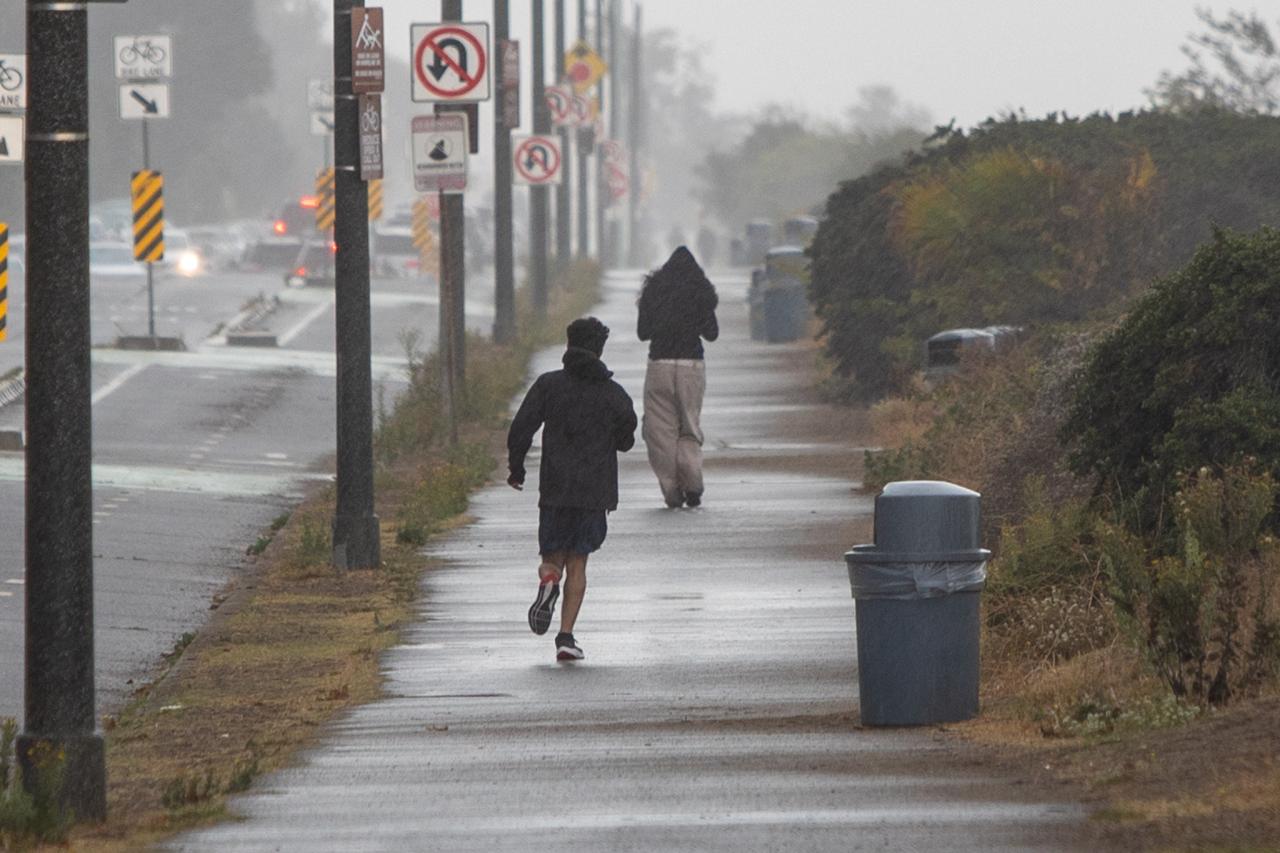
The Bay Area’s anticipation of rain after a prolonged dry spell has sparked a mixture of excitement and cautious preparation. Residents are eager for the replenishment of water supplies and the lush green return to their landscapes, but also mindful of the potential for flooding and other weather-related challenges. This shift in weather pattern has noticeably altered daily routines and community activities, as residents adjust to the prospect of wet weather.The anticipation of rain is clearly impacting daily life.
Commuting patterns may be affected by potential road closures or hazardous conditions. Outdoor activities are being rescheduled or modified, with an increase in indoor gatherings and entertainment options. The agricultural community, for example, is closely monitoring the rainfall forecast, making plans to protect crops and adjust their schedules. Businesses are also preparing for potential disruptions and are ensuring their operations can continue smoothly.
Public Reactions
Residents are expressing a range of emotions, from joy to cautious optimism. Many are pleased about the end of the drought, while others are concerned about the potential for flooding, especially in areas with known drainage issues. Social media is buzzing with discussions about rain preparedness, sharing tips and advice on how to protect homes and property. The anticipation is palpable, with many looking forward to the return of greenery and the replenishment of local water sources.
Daily Life Impacts
The expected rainfall is significantly impacting daily routines. Many are adjusting their outdoor schedules, moving activities indoors. Commuting patterns might be altered due to potential road closures or hazardous conditions. Businesses are preparing for potential disruptions, ensuring operations can continue smoothly. The agricultural community is closely monitoring the rainfall forecast, making plans to protect crops and adjust their schedules.
Community Preparedness
Community preparedness measures are already in place to mitigate potential flood risks. Local authorities are closely monitoring weather forecasts, and emergency response teams are on standby. Community cleanup teams are being activated, and residents are being encouraged to be vigilant. Information sessions and preparedness workshops are being held in various community centers, helping residents understand how to best protect their homes and families.
Potential Concerns
Concerns surrounding the rain include potential flooding, especially in areas with known drainage issues. The possibility of power outages due to downed trees or severe weather is also a concern. Residents are reminded to stay informed about official weather advisories and warnings. The potential for damage to property, both public and private, is a significant concern for the community.
The Bay Area’s finally getting some much-needed rain, and folks are buzzing about the end of the dry spell. Meanwhile, a disturbing turn of events unfolded in Concord last night with a liquor store robbery resulting in a suspect’s death. This tragic incident adds a layer of complexity to the anticipation of the approaching downpour, and it’s a stark reminder of the challenges that can arise even during a moment of respite from the drought.
Hopefully, the rain will bring much-needed relief and a sense of normalcy to the region.
Flooding Preparedness
To prepare for potential flooding, residents are encouraged to clear any debris from gutters and downspouts. They are also advised to secure outdoor furniture and belongings, and to familiarize themselves with local evacuation routes. The community is also encouraged to report any issues, such as blocked storm drains or damaged infrastructure, to the appropriate authorities. Flood insurance is being checked and updated by residents, and a heightened sense of community vigilance is being promoted.
Water Conservation
Despite the anticipated rainfall, water conservation remains crucial. The region has a history of droughts, and the rain may not be sufficient to fully replenish depleted reservoirs. The importance of responsible water usage, including fixing leaks and practicing water-wise gardening, cannot be overstated. This conscious effort helps ensure the long-term sustainability of water resources.
Public Preparedness Summary
| Category | Preparedness Level | Specific Examples |
|---|---|---|
| Home Preparation | High | Clearing gutters, securing outdoor items, familiarizing with evacuation routes. |
| Community Awareness | Medium | Attending information sessions, following official advisories, reporting issues. |
| Emergency Response | High | Local authorities monitoring forecasts, emergency teams on standby, community cleanup teams activated. |
| Water Conservation | Medium-High | Continuing water-wise practices, fixing leaks, responsible gardening. |
Environmental Impact
The Bay Area’s anticipated rainfall, after a prolonged drought, promises a significant boost to the region’s environment. This influx of water will revitalize local ecosystems, impacting flora and fauna in profound ways. The impact extends beyond immediate benefits, influencing the long-term health of the Bay Area’s delicate balance of nature.
Impact on Local Flora and Fauna
The arrival of rain will provide much-needed hydration for drought-stressed vegetation. Plants will experience a resurgence in growth, offering enhanced sustenance for herbivores. This increased food availability, in turn, will positively affect the populations of plant-eating animals. Simultaneously, the replenished water sources will create more favorable breeding grounds for various species of amphibians and insects, crucial components of the local food web.
The Bay Area is finally bracing for the end of its dry spell, with the promise of rain filling the air. While everyone’s excited for the moisture, it’s interesting to see how the local sports scene, like the San Jose Sharks’ recent games against the Ottawa Senators, featuring players like Brady Tkachuk and Henry Thrun here , might be impacted by the weather change.
Hopefully, the rain will arrive on time and bring much-needed relief to the parched landscape.
Effects on River Ecosystems and Wildlife Habitats
Increased rainfall will lead to rising river levels and the replenishment of water bodies. This influx of water will rejuvenate river ecosystems, providing crucial habitat for fish and other aquatic life. The improved water quality and flow will support a more diverse and abundant population of aquatic species. Animals dependent on these river ecosystems, including birds and mammals, will also benefit from the renewed resources.
Role of Rain in Replenishing Local Water Tables
Rainfall plays a pivotal role in recharging groundwater aquifers. The water percolates into the ground, replenishing the water tables, which are vital sources of water for human consumption and agricultural use. This process is essential for maintaining the long-term water security of the region, especially during dry periods. Areas that have experienced significant drought will see a dramatic increase in groundwater levels.
Importance of Preserving the Region’s Natural Habitats
Preserving the region’s natural habitats is crucial for maintaining the resilience of the ecosystem. Healthy ecosystems can better withstand environmental changes and disturbances, such as droughts. Protecting wetlands, riparian zones, and other crucial habitats is essential for ensuring the long-term health and stability of the region’s biodiversity. The interconnectedness of species within these habitats makes their protection critical.
Long-Term Effects of the Rain on Bay Area Ecosystems
The long-term effects of the rain will be multifaceted. The revitalization of water sources will support the growth of native plants, providing a more robust food source for wildlife. This, in turn, will enhance the resilience of the ecosystem as a whole. Furthermore, the increased water availability will help prevent future droughts from having as severe an impact.
Changes in Water Levels in Rivers/Streams
The following table demonstrates the anticipated changes in water levels in various Bay Area rivers and streams following the rainfall. These are estimates and may vary based on specific rainfall patterns and local topography.
| River/Stream | Pre-Rain Level (ft) | Post-Rain Level (ft) |
|---|---|---|
| San Francisco Creek | 2.5 | 6.8 |
| Coyote Creek | 1.8 | 5.2 |
| Pacheco Creek | 1.2 | 4.5 |
Positive Effects of Rain on the Local Water Cycle
The rain will stimulate the natural water cycle. Increased rainfall will lead to higher surface runoff, which will eventually replenish rivers, streams, and groundwater sources. This process replenishes the water cycle, fostering a healthier and more balanced ecosystem. The enhanced water cycle will positively impact the overall health of the region.
Economic Considerations
The Bay Area’s economic engine, heavily reliant on various sectors, has been significantly impacted by the prolonged drought. The upcoming rain promises a much-needed revitalization, but the transition also presents unique challenges. This section explores the potential economic gains and losses associated with the anticipated rainfall.
Impact of the Drought
The prolonged drought has severely impacted numerous sectors in the Bay Area. Reduced water availability has strained agricultural production, impacting local farms and food supply chains. Reduced water levels in reservoirs have restricted industrial operations, affecting manufacturing and related industries. Furthermore, the lack of rain has negatively impacted tourism and recreation, leading to decreased revenue for businesses reliant on outdoor activities.
This has cascaded through the economy, affecting related services and employment opportunities.
Potential Economic Benefits of the Rain
The anticipated rainfall will bring considerable economic benefits. Agricultural output is expected to surge, boosting farm income and creating new employment opportunities. Recharged reservoirs will restore water supplies to industries, allowing manufacturing operations to resume and potentially expand. The revival of outdoor activities will stimulate tourism and recreation, generating revenue for local businesses and creating new jobs.
Costs Associated with Managing Anticipated Rainfall
Managing the anticipated rainfall involves significant costs. Flood control measures, such as infrastructure repairs and upgrades, are essential to prevent property damage and disruption to daily life. Cleaning and maintenance of drainage systems, and potential repairs to roads and bridges damaged by floodwaters, will incur considerable expenses. Moreover, the potential for mudslides and debris flows necessitates proactive measures that can be costly.
Industries Most Affected by the Drought and Potential Recovery
The agricultural sector, particularly farmers reliant on irrigation, has been severely impacted by the drought. Potential recovery depends on the intensity and duration of the rainfall. The tourism and hospitality sector, heavily reliant on outdoor activities, has also suffered. The re-establishment of the sector’s reputation and recovery will depend on the sustained provision of reliable water sources and the restoration of confidence in the area.
The manufacturing sector, which heavily relies on water for its operations, has been affected due to reduced water availability, potentially impacting production and employment.
Specific Examples of Positive Impact on Local Businesses
Local farms, after a prolonged dry spell, will see a substantial increase in crop yields, leading to greater profitability. This, in turn, will enhance the viability of farms and create job opportunities for seasonal workers. The revitalization of outdoor recreation areas will boost businesses like hiking trails, campsites, and water sports rentals, attracting tourists and generating significant revenue.
This positive impact will be felt by local hotels, restaurants, and retail stores catering to these activities.
Economic Gains and Losses Table, The rain is coming the rain is coming bay area braces for end of dry spell
| Industry | Potential Gains | Potential Losses |
|---|---|---|
| Agriculture | Increased crop yields, higher farm income, new job creation | Potential for damage to crops if rainfall is too intense or too unpredictable |
| Tourism | Increased visitor traffic, higher revenue for hotels and restaurants | Short-term disruptions due to potential flooding or mudslides, loss of revenue if visitors are deterred by bad weather |
| Manufacturing | Resumption and expansion of operations due to water availability | Potential for initial disruption during the transition phase |
| Construction | Increased demand for infrastructure repairs | Potential for higher costs if flooding or damage to infrastructure occurs |
Long-Term Economic Effects
The drought has highlighted the vulnerability of the Bay Area’s economy to climate change. The anticipated rainfall is crucial for restoring long-term economic stability. Furthermore, proactive measures, including water conservation strategies, will be critical to ensuring future resilience. The event will likely accelerate the adoption of water-efficient practices and technologies in various sectors, ultimately leading to long-term economic benefits.
Outcome Summary
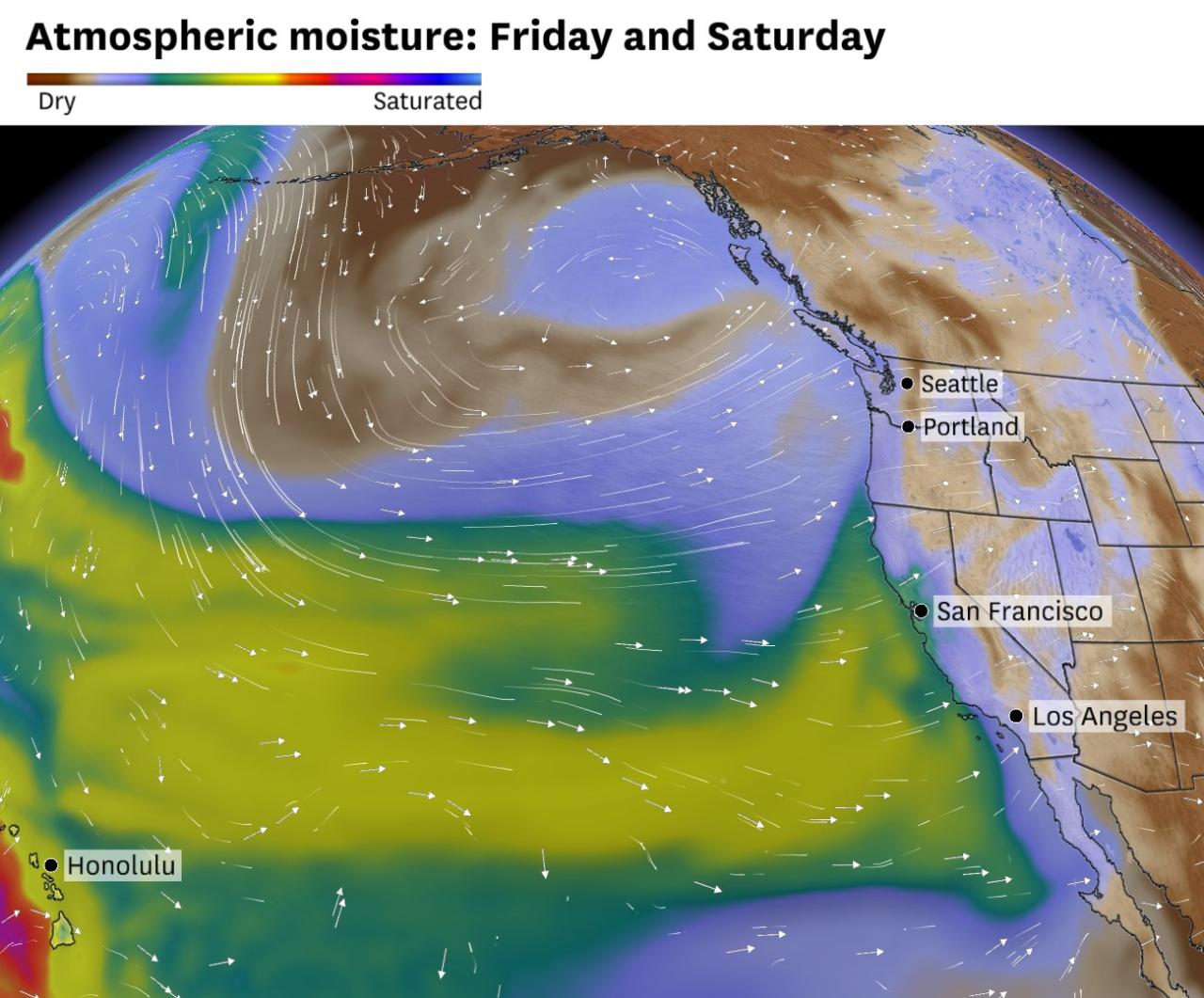
The impending rain in the Bay Area marks a pivotal moment, offering a chance for recovery from the drought’s effects. While the potential for flooding remains a concern, the overall impact of this much-needed rainfall on the region’s water supply, ecosystems, and economy is promising. It’s a time for both celebration and careful preparation. Let’s hope this rain brings a positive and sustainable change to the Bay Area’s future.