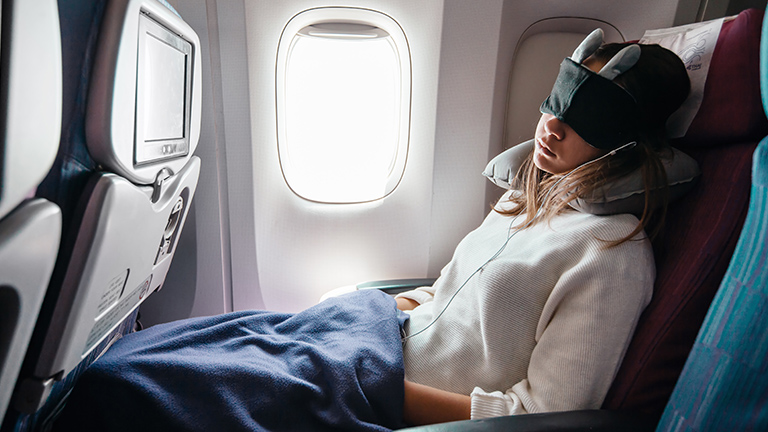
Trouble Sleeping on Vacation? Try These Travel Sleep Aids
Trouble sleeping on vacation try these travel sleep aids – Trouble sleeping on vacation? It’s a common problem, disrupting your much-needed rest and ruining your travel experience. From jet lag to unfamiliar surroundings, sleep disruptions can really dampen your vacation vibes. This post dives deep into the reasons behind vacation sleep woes and provides practical solutions, including various travel sleep aids, strategies for better sleep hygiene during travel, pre-trip preparations, and even post-trip recovery tips to ensure you get the quality sleep you deserve, no matter where your travels take you.
Unfamiliar beds, noisy surroundings, and the stress of travel can make it hard to drift off. But don’t let those restless nights ruin your vacation. This guide equips you with the knowledge and tools to conquer sleep disruptions and enjoy restful nights, wherever you are. We’ll explore different travel sleep aids, from natural remedies to gadgets, and uncover proven strategies to adjust to new time zones, optimize your sleep environment, and prepare for restful nights before, during, and after your trip.
Introduction to Vacation Sleep Issues
Vacationing often means embracing new experiences, but it can also disrupt our sleep patterns. Unfamiliar environments, jet lag, and the excitement of travel can make it difficult to wind down and get the rest we need. This can negatively impact our enjoyment of the vacation and our overall well-being. Proper sleep is crucial for maintaining energy levels, focus, and a positive outlook during a trip.The impact of travel on sleep is significant.
Our bodies are finely tuned to regular sleep-wake cycles, and disruptions to these cycles, like time zone changes and altered routines, can lead to insomnia, fatigue, and decreased cognitive function. Unfamiliar surroundings, noisy environments, and differing cultural norms can also contribute to sleep disturbances. Understanding these factors is key to proactively addressing potential sleep problems.
Common Sleep Disruptions During Travel
Travel-related sleep problems are widespread and affect various people. They are often associated with altered circadian rhythms and the disruption of our natural sleep-wake cycles. Jet lag, for example, causes the body’s internal clock to be misaligned with the local time zone, leading to difficulties falling asleep and staying asleep. The novelty of a new location and the excitement of exploration can also contribute to insomnia.
Impact of Unfamiliar Environments on Sleep
The unfamiliar can significantly impact sleep quality. A different bed, a strange room, unfamiliar sounds, and new temperatures can disrupt our sleep. Even subtle differences, like a different mattress firmness or unfamiliar lighting, can be enough to interfere with our sleep patterns.
Ugh, vacation sleep troubles are the worst! Trying to unwind after a long day of sightseeing and exploring can be tough. Luckily, there are some great travel sleep aids out there. Speaking of tough, did you hear about the Warriors game last night? Jonathan Kuminga injured, but the Warriors still managed a win over Memphis.
While the Warriors’ win was impressive, I’m still hoping for some restful nights on this trip. Maybe some earplugs and a sleep mask will do the trick. Anyone have any other travel sleep aid recommendations?
Impact of Time Zone Changes on Sleep
Time zone changes are a common cause of sleep disruption during travel. The mismatch between the body’s internal clock and the local time zone can lead to jet lag, characterized by difficulty falling asleep, staying asleep, and daytime fatigue. The extent of the disruption depends on the number of time zones crossed and the direction of travel. For example, traveling eastward across multiple time zones often results in more pronounced jet lag symptoms than traveling westward.
Impact of Travel Fatigue on Sleep
Travel itself can be physically and mentally exhausting. The stress of planning, packing, transportation, and adapting to new situations can lead to sleep deprivation. This accumulated fatigue can worsen sleep issues caused by other factors like time zone changes and unfamiliar environments.
Coping Strategies for Vacation Sleep Problems
| Sleep disruption type | Potential causes | Common symptoms | Initial coping strategies |
|---|---|---|---|
| Jet lag | Time zone changes, altered sleep-wake cycles | Difficulty falling asleep, staying asleep, daytime fatigue, irritability | Adjust sleep schedule gradually before the trip, stay hydrated, avoid caffeine and alcohol before bed, and consider melatonin supplements. |
| Unfamiliar environment | Strange bed, noise, temperature, cultural norms | Difficulty falling asleep, waking up frequently, feeling restless | Bring familiar items like a comfortable pillow or blanket, earplugs, and an eye mask. Try to establish a routine that mirrors your usual sleep schedule as much as possible. |
| Travel fatigue | Stress of travel, lack of sleep during travel | Excessive daytime sleepiness, difficulty concentrating, irritability | Prioritize rest during the trip, get sufficient sleep on travel days, and avoid strenuous activities immediately before bedtime. |
| Anxiety about travel | Uncertainties about the trip, concerns about the destination | Difficulty falling asleep, racing thoughts, worry | Practice relaxation techniques such as deep breathing or meditation, stay connected with loved ones, and try journaling. |
Identifying Travel Sleep Aids
Traveling often disrupts our regular sleep patterns, making it challenging to get a good night’s rest. Jet lag, unfamiliar surroundings, and different time zones can all conspire to make sleep elusive. Fortunately, a variety of tools and strategies can help you combat these issues and enjoy restful nights on your vacation. This section delves into various travel sleep aids, examining their effectiveness, potential side effects, and the role of natural remedies.
Categorization of Travel Sleep Aids
Understanding the different types of travel sleep aids can help you choose the most suitable option for your needs. Travel sleep aids can be broadly categorized into medications, supplements, devices, and behavioral techniques. Each category offers a unique approach to promoting sleep, with varying degrees of effectiveness and potential drawbacks.
Medication for Travel Sleep
Prescription and over-the-counter sleep medications can be helpful for managing short-term sleep disruptions. However, these medications should be used cautiously and only as directed by a healthcare professional. Some commonly used sleep medications include benzodiazepines (e.g., diazepam, temazepam) and non-benzodiazepines (e.g., zolpidem, zaleplon). These medications can effectively induce sleep, but prolonged use can lead to dependency and withdrawal symptoms.
Furthermore, they can sometimes cause daytime drowsiness, impaired cognitive function, and other side effects.
Supplements for Promoting Sleep
Several supplements are marketed for their sleep-promoting properties. These include melatonin, valerian root, and chamomile. Melatonin is a hormone naturally produced by the body to regulate sleep-wake cycles. Taking melatonin supplements can help synchronize your body clock to the new time zone. Valerian root is a herbal supplement known for its calming effects, potentially promoting relaxation and sleep onset.
Chamomile tea is a popular choice for its relaxing properties and can be helpful for reducing anxiety and promoting sleep. It’s crucial to consult with a healthcare professional before using any supplements, especially if you have underlying health conditions or are taking other medications.
Devices for Enhancing Sleep Quality
Several sleep devices are available to help you achieve better sleep during travel. Eye masks can block out light, creating a more conducive sleep environment. Earplugs can muffle external noises, reducing distractions. Weighted blankets can provide a sense of security and comfort, promoting relaxation. Noise-canceling headphones can effectively reduce environmental sounds, enhancing sleep quality.
The effectiveness of these devices varies depending on individual needs and sensitivities.
Behavioral Techniques for Improving Sleep
Establishing consistent sleep schedules, practicing relaxation techniques, and maintaining a calming bedtime routine can significantly improve sleep quality during travel. These techniques can be particularly helpful for managing jet lag and adjusting to new time zones. Practicing mindfulness meditation, deep breathing exercises, and progressive muscle relaxation can reduce anxiety and promote relaxation. Establishing a consistent sleep schedule, even when traveling, helps maintain a regular sleep-wake cycle.
Trouble sleeping on vacation? Trying to adjust to a new schedule can be tough. Luckily, there are some great travel sleep aids to help you get those precious Zzz’s. Speaking of getting your rest, have you considered the rewarding practice of “gardening for the hungry” gardening for the hungry ? It’s a fantastic way to cultivate your skills and nourish your body and soul.
While it might seem unrelated, the focus on planning, tending, and harvesting is strangely calming, making it a perfect precursor to a good night’s sleep on your travels. So, pack your sleep aids and enjoy the journey!
Comparison of Travel Sleep Aids
| Type of Aid | Description | Potential Benefits | Potential Drawbacks |
|---|---|---|---|
| Medication | Prescription or over-the-counter sleep aids | Effective sleep induction, especially for short-term use | Potential for dependence, side effects (e.g., drowsiness, cognitive impairment), requires medical supervision |
| Supplements | Melatonin, valerian root, chamomile | Potential to promote relaxation and sleep onset, natural alternatives | Limited scientific evidence for effectiveness in all cases, potential interactions with medications, requires caution |
| Devices | Eye masks, earplugs, weighted blankets, noise-canceling headphones | Create a more conducive sleep environment, reduce distractions | Effectiveness varies based on individual preferences, may not be sufficient for all sleep problems |
| Behavioral Techniques | Consistent sleep schedule, relaxation techniques, bedtime routine | Long-term improvements in sleep quality, sustainable solutions | Requires conscious effort and discipline, may not be effective for severe sleep disorders |
Strategies for Improving Sleep Hygiene During Travel: Trouble Sleeping On Vacation Try These Travel Sleep Aids
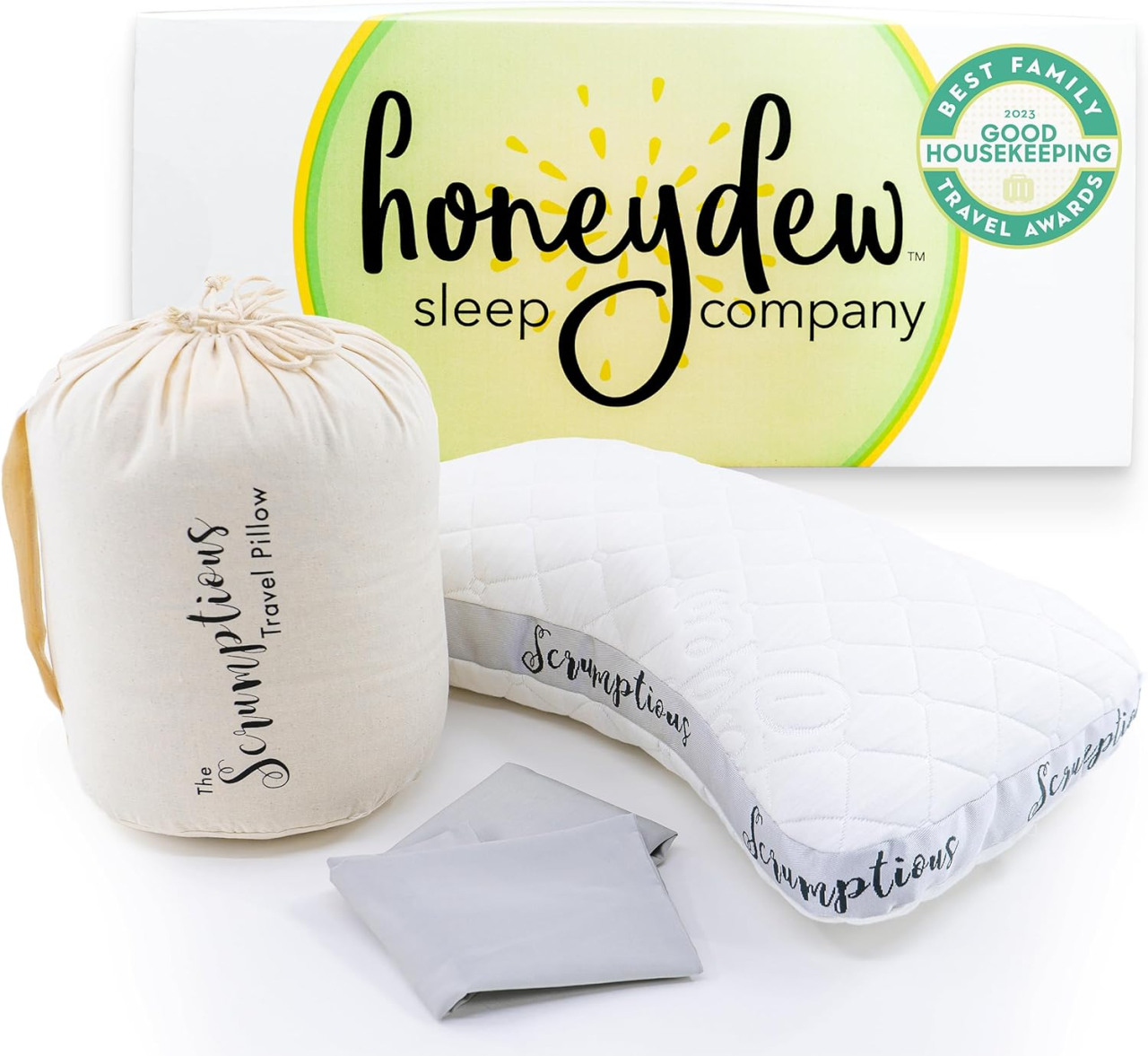
Traveling can disrupt your sleep patterns, leading to fatigue and impacting your overall well-being. However, with a few simple strategies, you can maintain good sleep hygiene and adjust to different time zones and environments. This section focuses on practical tips for optimizing your sleep during your travels.Traveling often disrupts our natural sleep-wake cycle. Maintaining a consistent sleep schedule, even when on vacation, helps mitigate this disruption and improves your overall experience.
Maintaining a Regular Sleep Schedule
Establishing a regular sleep schedule, as close as possible to your usual routine, is crucial for minimizing jet lag and optimizing sleep during travel. This consistency helps regulate your body’s natural sleep-wake cycle, making it easier to fall asleep and wake up refreshed. Consistency is key, even on days off. A consistent sleep schedule can significantly improve your ability to adapt to new time zones.
Managing Jet Lag, Trouble sleeping on vacation try these travel sleep aids
Jet lag, a common problem for travelers, is a temporary sleep disorder caused by rapid changes in time zones. It can significantly impact your sleep and overall well-being. To manage jet lag, gradually adjust your sleep schedule in the days leading up to your trip. Adjusting your bedtime and wake-up time incrementally before your trip can ease the transition to a new time zone.
Creating a Comfortable Sleep Environment
The quality of your sleep environment significantly impacts the quality of your sleep. Hotels, hostels, or even Airbnb accommodations can sometimes be less than ideal for sleep. Bringing familiar items like a comfortable pillow, eye mask, or earplugs can greatly enhance comfort and promote relaxation. Creating a sense of familiarity and control in your sleep environment, wherever you are, can enhance sleep quality.
Optimizing the Bedroom Environment for Sleep
Regardless of the location, optimizing the bedroom environment is crucial for sleep. This includes minimizing noise and light pollution. Utilizing blackout curtains or an eye mask, white noise machines, or earplugs can significantly improve sleep quality. Creating a calm, dark, and quiet space, wherever you are, is crucial for sleep.
Strategies for Travel Sleep Hygiene
| Strategy | Description | Application Tips | Potential Challenges |
|---|---|---|---|
| Consistent Sleep Schedule | Maintaining a regular sleep-wake cycle, as close as possible to your usual routine, even on travel days. | Set an alarm for the same time each day, even on rest days. Try to avoid excessive daytime naps. | Difficulty adjusting to local time zones, social obligations, or unexpected events. |
| Pre-Trip Jet Lag Mitigation | Gradually adjust your sleep schedule in the days leading up to your trip to ease the transition to a new time zone. | If traveling eastward, gradually shift your bedtime earlier; westward, later. Limit caffeine and alcohol intake. | Difficulty maintaining a consistent schedule due to work or other commitments. |
| Accommodation Comfort | Creating a comfortable sleep environment, even in hotels or hostels. | Bring familiar items like a comfortable pillow, eye mask, or earplugs. Request a quiet room. | Limited control over the room environment, noise from other guests, or inconsistent room quality. |
| Environment Optimization | Minimizing noise and light pollution to create a calm sleep environment. | Use blackout curtains or an eye mask. Employ white noise machines or earplugs. Close doors and windows to minimize external noise. | External noise, light, or disturbances from others can disrupt sleep. |
Pre-Trip Preparations for Better Sleep
Traveling for a vacation can be exciting, but jet lag, unfamiliar surroundings, and disruptions to your usual routine can wreak havoc on your sleep. Smart pre-trip planning can significantly improve your sleep quality during your trip, ensuring you enjoy every moment of your vacation without being constantly battling fatigue.Careful preparation is key to maintaining a healthy sleep schedule while on vacation.
By anticipating potential sleep disruptions and proactively addressing them, you can significantly enhance your overall travel experience. This includes adjusting to the destination’s time zone, preparing your sleep environment, and strategizing your daily activities.
Trouble sleeping on vacation? It’s a common problem, but luckily, there are some great travel sleep aids out there to help you catch some zzz’s. With the recent news about the Eaton fire growing to nearly 14,000 acres with firefighters getting some containment, it’s understandable to feel anxious , but remember these simple tips for a better night’s sleep on your trip.
Try a sleep mask, earplugs, or a calming aromatherapy diffuser. You’ve got this!
Essential Sleep Aid and Accessory Packing
Packing the right sleep aids and accessories is crucial for maintaining a consistent sleep routine while away from home. Bringing familiar items can create a sense of comfort and familiarity, which can be incredibly helpful in promoting relaxation and sleep.
- Familiar Bedding: A pillow, eye mask, and a comfortable blanket can make a huge difference. These items provide comfort and a sense of familiarity, which can aid in falling asleep and achieving restful sleep in a new environment.
- Noise-canceling Headphones or Earplugs: These are indispensable for blocking out unwanted noises, ensuring a quiet sleep environment, especially in hotels or shared accommodations.
- Travel-sized Sleep Medications (if necessary): Consult your doctor about taking any sleep medication on vacation. If prescribed, ensure you have enough for the duration of your trip, and carry them in their original packaging.
- Essential Oils or Sleep Spray: Some people find calming scents helpful in promoting relaxation and sleep. Lavender or chamomile essential oils, or a sleep-inducing spray, can be beneficial for creating a peaceful atmosphere.
Planning Activities and Schedules for Better Sleep
Creating a realistic itinerary that allows for adequate rest and relaxation is paramount for maintaining healthy sleep habits. Your schedule should include specific times for sleep, meals, and relaxation, which will help regulate your body’s natural sleep-wake cycle.
- Adjusting to the Destination’s Time Zone: Start shifting your sleep schedule gradually in the days leading up to your trip to minimize jet lag. If possible, align your sleep schedule with the destination’s time zone before departure. This will help your body adjust more quickly.
- Prioritizing Sleep in Your Itinerary: Include specific time blocks for sleep and relaxation in your daily schedule. Don’t overschedule yourself. Build in downtime for unwinding, reading, or other relaxing activities. This will ensure that you have adequate rest and won’t be overly tired.
- Consistent Sleep and Wake Times: Maintaining a regular sleep and wake schedule, as much as possible, even on vacation, will help regulate your body’s natural sleep-wake cycle. Even small inconsistencies can disrupt sleep.
Pre-Trip Preparation Checklist
- Check-in with your doctor: If you’re taking any sleep medications or have specific sleep concerns, discuss them with your doctor before your trip. Make sure you have a prescription for any necessary medications and sufficient quantities for your trip.
- Pack sleep essentials: Gather all necessary sleep aids and accessories, such as earplugs, eye masks, comfortable bedding, and any prescribed sleep medication.
- Research the local time zone: Determine the time difference and start adjusting your sleep schedule a few days before your trip to help minimize jet lag.
- Plan activities and schedule time for relaxation: Ensure your itinerary includes downtime and periods for rest. Consider including activities that promote relaxation.
- Review your medications: Double-check the dosages and instructions for any sleep medications or supplements you’ll be taking.
Addressing Specific Sleep Challenges During Travel
Traveling often disrupts our regular sleep patterns, leading to various sleep challenges. From jet lag and unfamiliar surroundings to anxieties about the trip, these disruptions can significantly impact our well-being. Understanding these challenges and implementing effective strategies can help you maintain restful sleep while exploring new destinations.
Managing Insomnia During Travel
Insomnia, characterized by difficulty falling asleep or staying asleep, can be exacerbated by travel. Unfamiliar beddings, noisy environments, and the excitement of a new destination can all contribute to sleeplessness. To combat insomnia, create a relaxing bedtime routine. This routine could include a warm bath, gentle stretching, or listening to calming music. Establish a consistent sleep schedule, even on vacation, as much as possible.
If you experience difficulty falling asleep, try a relaxation technique like progressive muscle relaxation. Avoid caffeine and alcohol close to bedtime, and ensure your sleeping space is dark, quiet, and cool.
Addressing Anxiety and Other Sleep Disorders
Anxiety can manifest as racing thoughts and worries, making it challenging to sleep. Travel often involves uncertainty and potential stressors. To manage anxiety-related sleep disturbances, practice mindfulness and meditation techniques. Deep breathing exercises can also help calm the mind and promote relaxation. Consider using a travel-sized journal to jot down your thoughts and concerns, allowing you to process them before bedtime.
If anxiety is severe, consult a healthcare professional. They can provide personalized strategies and support to address the issue effectively.
Managing Altitude Changes
High-altitude travel can lead to sleep disturbances due to reduced oxygen levels. The body may experience difficulty adjusting to the thinner air, resulting in restlessness and interrupted sleep. To mitigate the effects of altitude changes, drink plenty of water, and avoid alcohol and caffeine. Consider taking a gradual approach to acclimatization. Start with a slower pace of activity and allow your body time to adjust to the altitude.
If you experience severe symptoms, consult a doctor or medical professional for guidance.
Managing Noise and Light Disturbances
Noise and light disturbances in unfamiliar surroundings can be significant sleep disruptors. Hotels or hostels in busy areas may be noisy, and bright sunlight can interfere with natural sleep-wake cycles. Use earplugs to block out noise and eye masks to reduce light exposure. Consider noise-canceling headphones or white noise machines for a more controlled environment. If possible, choose accommodations with good soundproofing or in quieter areas.
Also, be mindful of the natural light cycle.
Strategies for Specific Sleep Challenges
| Sleep Challenge | Potential Causes | Mitigation Strategies | Additional Tips |
|---|---|---|---|
| Insomnia | Unfamiliar surroundings, excitement, caffeine/alcohol, lack of routine | Establish a relaxing bedtime routine, maintain a consistent sleep schedule, avoid caffeine/alcohol close to bedtime, create a dark, quiet, and cool sleep environment | Practice relaxation techniques like progressive muscle relaxation, try a warm bath or calming music before bed |
| Anxiety | Uncertainty, stressors, racing thoughts | Practice mindfulness and meditation, keep a journal to process thoughts, seek professional help if needed | Engage in calming activities like deep breathing exercises, consider aromatherapy with calming scents |
| Altitude Sickness | Reduced oxygen levels, rapid changes in altitude | Drink plenty of water, avoid alcohol and caffeine, take a gradual approach to acclimatization | Consider altitude sickness medication if needed, consult a doctor for guidance |
| Noise/Light Disturbances | Unfamiliar surroundings, external noises, bright lights | Use earplugs, eye masks, noise-canceling headphones, choose accommodations in quieter areas | Bring familiar items that create a sense of comfort, consider white noise machines |
Post-Trip Sleep Recovery
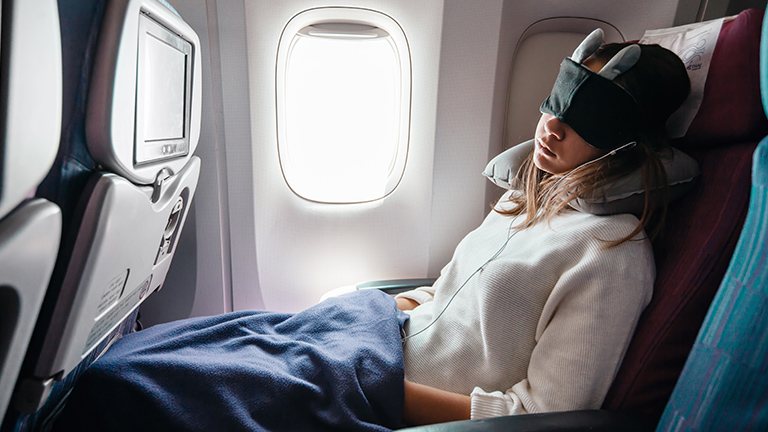
Returning home after a rejuvenating vacation can be bittersweet. The excitement of new experiences fades, and the familiar comfort of your own bed beckons. However, the shift in environment and routine can disrupt your sleep cycle, making it challenging to transition back to your normal sleep schedule. This section focuses on strategies to ease the adjustment and maintain healthy sleep habits post-vacation.Re-establishing your pre-trip sleep schedule is crucial for a smooth transition back to normalcy.
This involves a gradual process of aligning your body’s internal clock with your usual sleep-wake cycle. Successful implementation of these strategies can significantly contribute to a more restful and productive return to daily life.
Adjusting to Your Home Sleep Schedule
Successfully re-establishing your sleep schedule after a vacation depends on mindful adjustments. Recognize that your body’s internal clock, also known as the circadian rhythm, needs time to re-sync with your usual sleep-wake cycle. Avoid drastic changes.
Maintaining Good Sleep Habits After Returning
Maintaining consistent sleep habits post-vacation is key to long-term sleep health. Establish a regular sleep schedule, even on weekends, to reinforce your body’s natural sleep-wake cycle. This regularity helps regulate your circadian rhythm, ensuring better sleep quality.
Promoting Sleep Recovery After a Long Trip
A long trip, often involving jet lag or a change in time zones, can disrupt sleep patterns. Prioritize a gradual adjustment to your usual sleep-wake cycle upon return. Taking it slow, avoiding excessive screen time before bed, and incorporating relaxation techniques will support your body’s natural sleep-wake cycle. For example, a gradual adjustment might involve going to bed 15 minutes earlier each night for a few days until your desired bedtime is reached.
Integrating Sleep Recovery Strategies into Daily Routines
Integrating sleep recovery strategies into your daily routine is essential for long-term success. Schedule relaxation time before bed, incorporating calming activities like reading, taking a warm bath, or listening to soothing music. This prepares your body and mind for sleep. Avoid strenuous exercise or stimulating activities close to bedtime.
Mindfulness and Relaxation Techniques for Better Sleep
Mindfulness and relaxation techniques can enhance sleep quality. Practicing mindfulness, such as meditation or deep breathing exercises, can reduce stress and promote relaxation, preparing your body for sleep. Guided imagery, focusing on calming scenarios, can also be highly effective.
Sleep Recovery Activities
- Consistent Sleep Schedule: Sticking to a regular sleep-wake schedule, even on weekends, helps regulate your body’s natural sleep-wake cycle, making it easier to fall asleep and wake up refreshed.
- Relaxation Exercises: Incorporate relaxation techniques like deep breathing exercises, progressive muscle relaxation, or mindfulness meditation into your routine to reduce stress and promote calmness before bed. These practices can help quiet the mind and prepare your body for sleep.
- Limit Screen Time Before Bed: Avoid using electronic devices like smartphones, tablets, or computers for at least an hour before bedtime. The blue light emitted from these devices can interfere with melatonin production, making it harder to fall asleep.
- Establish a Relaxing Bedtime Routine: Create a relaxing bedtime routine that signals to your body it’s time to sleep. This could include taking a warm bath, reading a book, listening to calming music, or practicing gentle stretches. These activities help unwind your body and mind, promoting a smooth transition into sleep.
- Light Exercise During the Day: Regular physical activity can improve sleep quality, but avoid strenuous exercise close to bedtime. Light exercise, such as a walk or yoga, can be beneficial for promoting sleep.
- Avoid Heavy Meals and Drinks Before Bed: Eating a large meal or consuming caffeine or alcohol close to bedtime can disrupt sleep. Allow ample time for digestion and consider reducing caffeine and alcohol intake in the evening.
- Create a Conducive Sleep Environment: Ensure your bedroom is dark, quiet, and cool. Use blackout curtains, earplugs, or a white noise machine to optimize your sleep environment.
Illustrative Examples of Travel Sleep Aids
Traveling can be a whirlwind of excitement and adventure, but it often disrupts our sleep patterns. Jet lag, unfamiliar surroundings, and noisy environments can all contribute to sleepless nights. Fortunately, various travel sleep aids can help combat these challenges and ensure you get the rest you need for a rejuvenating and enjoyable trip.
Ear Plugs
Ear plugs are a simple yet effective way to block out unwanted noise, a major culprit behind poor sleep during travel. Different types of earplugs cater to varying needs and preferences. Foam earplugs are inexpensive and readily available, while custom-molded earplugs offer a more personalized fit for superior noise reduction. Silicone earplugs are also popular for their comfort and durability.
- Effectiveness: Earplugs can significantly reduce noise levels, making it easier to fall asleep in noisy environments like airplanes, hostels, or hotels near busy streets. Their effectiveness varies depending on the type of earplug and the noise level.
- Potential Drawbacks: Some individuals may experience discomfort or an altered sense of hearing with certain earplug types. Also, improper insertion can lead to reduced effectiveness.
- Usage: Carefully insert earplugs into your ear canal, ensuring a snug fit. Choose the right size and material to maximize comfort and effectiveness.
Eye Masks
Eye masks are another crucial tool for blocking out unwanted light, especially in environments with bright or inconsistent lighting patterns. They can significantly improve sleep quality by reducing light interference and promoting relaxation. Various materials and designs are available, ranging from soft, comfortable fabrics to more rigid, structured options. Some even include features like adjustable straps or integrated cooling technology.
- Effectiveness: Eye masks are highly effective at reducing light exposure, promoting a more restful sleep environment. This is particularly beneficial for travelers in rooms with streetlights, bright hotel lights, or airplane cabin lights.
- Potential Drawbacks: Some individuals may find certain eye mask materials uncomfortable or irritating. Additionally, if the mask is not properly fitted, it may not provide adequate light blockage.
- Usage: Place the eye mask over your eyes, ensuring it comfortably covers the entire eye area. Adjust the straps for a secure fit.
White Noise Machines
White noise machines create a consistent, calming sound that can mask disruptive noises and promote relaxation. They are particularly helpful for travelers in hotels or hostels with nearby noise sources. Different machines offer varying sound options, including nature sounds, ocean waves, or even soothing music.
- Effectiveness: White noise machines are effective at blocking out distracting sounds, helping create a more peaceful sleep environment. The consistent sound helps regulate the brainwaves, promoting relaxation and sleep onset.
- Potential Drawbacks: Some individuals may find the sound of a white noise machine overly stimulating or unnatural. The effectiveness also depends on the volume and type of sound generated.
- Usage: Position the white noise machine near your bed and adjust the volume to a comfortable level. Choose the sound type that best suits your preferences.
Travel Sleep Aid Comparison Table
| Aid Type | Description | Benefits | Usage |
|---|---|---|---|
| Ear Plugs | Block out unwanted noise. | Reduce disruptive sounds, improve sleep quality. | Insert into ear canal. |
| Eye Masks | Block out unwanted light. | Reduce light interference, promote relaxation. | Place over eyes. |
| White Noise Machines | Create a consistent, calming sound. | Mask disruptive noises, promote relaxation. | Position near bed, adjust volume. |
Tips for Choosing the Right Sleep Aid
Finding the perfect sleep aid for your vacation travels can be a game-changer. Choosing the wrong one, however, can lead to more frustration and a less enjoyable trip. Understanding your needs and the different types of sleep aids available is key to ensuring restful nights on the road.Selecting the right sleep aid involves a personalized approach, considering factors like your individual sleep patterns, the nature of your trip, and any potential side effects.
A one-size-fits-all approach isn’t effective when it comes to sleep.
Understanding Your Sleep Needs
Different individuals have varying sleep needs. Some people are easily affected by noise and light, while others struggle with anxiety about travel. Consider your personal sleep preferences and any pre-existing sleep conditions before making a decision. For example, someone with a history of insomnia might benefit from a different sleep aid than someone who just has trouble adjusting to new environments.
Comparing Types of Sleep Aids
Various sleep aids cater to different needs and preferences.
- Over-the-Counter (OTC) Sleep Aids: These options, often containing melatonin or antihistamines, are generally safe and readily available. However, they might not be as effective for individuals with severe sleep disturbances. They’re often a good starting point for occasional sleep problems or for those seeking a mild approach.
- Prescription Sleep Aids: For more persistent or severe sleep issues, prescription sleep aids offer stronger options. They should only be used under a doctor’s supervision, considering potential side effects and interactions with other medications.
- Natural Sleep Aids: These include herbal supplements, aromatherapy, and relaxation techniques. They can be a gentler approach but may not be as effective for everyone. For example, chamomile tea or lavender essential oils are often used for relaxation.
Evaluating and Selecting Sleep Aids
A structured approach helps in selecting the right sleep aid.
- Identify Your Sleep Problem: Is it difficulty falling asleep, staying asleep, or both? Pinpointing the specific issue helps in choosing a targeted solution.
- Consider Your Travel Situation: Are you traveling by plane, train, or car? Different travel modes and environments may necessitate different sleep aids. For example, a plane’s artificial lighting might require a stronger sleep aid than a car’s relatively calm atmosphere.
- Consult with a Healthcare Professional: If you have underlying health conditions or are concerned about potential side effects, discussing your sleep needs with a doctor or pharmacist is crucial. This is particularly important if you have pre-existing medical conditions or are taking other medications.
- Read Product Information Carefully: Pay close attention to ingredients, dosage instructions, potential side effects, and interactions with other medications. This is crucial for preventing negative interactions with other medications.
- Start with a Low Dose and Gradually Adjust: It’s important to start with a low dose of any sleep aid and adjust as needed. Excessive use can lead to dependency or other health concerns. For example, if you are using a prescription sleep aid, follow the dosage instructions precisely.
Personalized Sleep Aid Recommendations
Examples of personalized sleep aid recommendations based on specific needs:
| Sleep Need | Possible Sleep Aid | Rationale |
|---|---|---|
| Difficulty falling asleep due to jet lag | Melatonin supplement | Melatonin helps regulate the body’s natural sleep-wake cycle, aiding in adjusting to different time zones. |
| Anxiety about travel and noisy surroundings | Natural sleep aid like chamomile tea or a relaxing audio book | These can promote relaxation and reduce anxiety, making it easier to fall asleep in unfamiliar environments. |
| Chronic insomnia | Prescription sleep aid under medical supervision | Prescription sleep aids can address more severe sleep disturbances, but require a doctor’s guidance and careful monitoring. |
Final Review
So, whether you’re battling jet lag, insomnia, or just a general travel fatigue, this guide provides a comprehensive toolkit to help you sleep soundly on vacation. Remember, a well-rested traveler is a happy traveler! By understanding the causes of sleep disruptions and implementing the strategies discussed, you can prioritize your sleep health and fully embrace the joys of your next adventure.
From pre-trip preparations to post-trip recovery, this guide is your companion to restful nights, no matter where your travels take you. Now go forth and sleep soundly!