Trump Back Tax Expectations
Trump back what to expect taxes sets the stage for a fascinating exploration of potential future tax policies. This analysis delves into Trump’s past tax actions, examining the impact on various income groups and businesses. We’ll also consider his stated positions on tax policy, looking at potential future scenarios, economic implications, public reaction, and the effects on individuals and businesses.
Expect detailed insights into case studies and hypothetical scenarios, offering a comprehensive view of the potential consequences of a Trump-led tax overhaul.
A review of Trump’s past policies reveals specific legislation, key provisions, and their impact on different sectors. His public statements on tax policy will be analyzed alongside comparisons with other political figures. Understanding the economic factors, public perception, and potential individual and business implications is crucial to this examination. The analysis will consider potential effects on job creation, investment, inflation, the stock market, and the national debt.
Trump’s Tax Policies
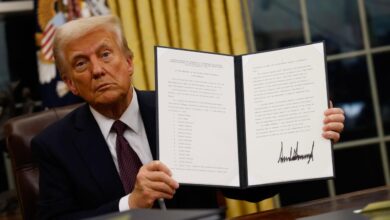
During his presidency, Donald Trump oversaw significant changes to the tax code, primarily focused on reducing taxes for individuals and corporations. These policies aimed to stimulate economic growth through lower rates and reduced burdens on businesses. The impacts of these changes have been a subject of extensive debate and analysis, with varying perspectives on their effectiveness and equity.
Tax Cuts and Jobs Act of 2017
The Tax Cuts and Jobs Act of 2017 was the centerpiece of Trump’s tax agenda. This legislation significantly altered the tax landscape, lowering corporate and individual income tax rates, and modifying various deductions and credits.
Key Provisions of the Act
This legislation included substantial reductions in corporate tax rates, moving from a top rate of 35% to 21%. Individual income tax rates were also lowered across the board, though the extent of the reduction varied based on income bracket. Furthermore, the Act altered several deductions and credits, impacting individuals and businesses differently. The standard deduction was increased, and some itemized deductions were modified or eliminated.
Impact on Income Groups
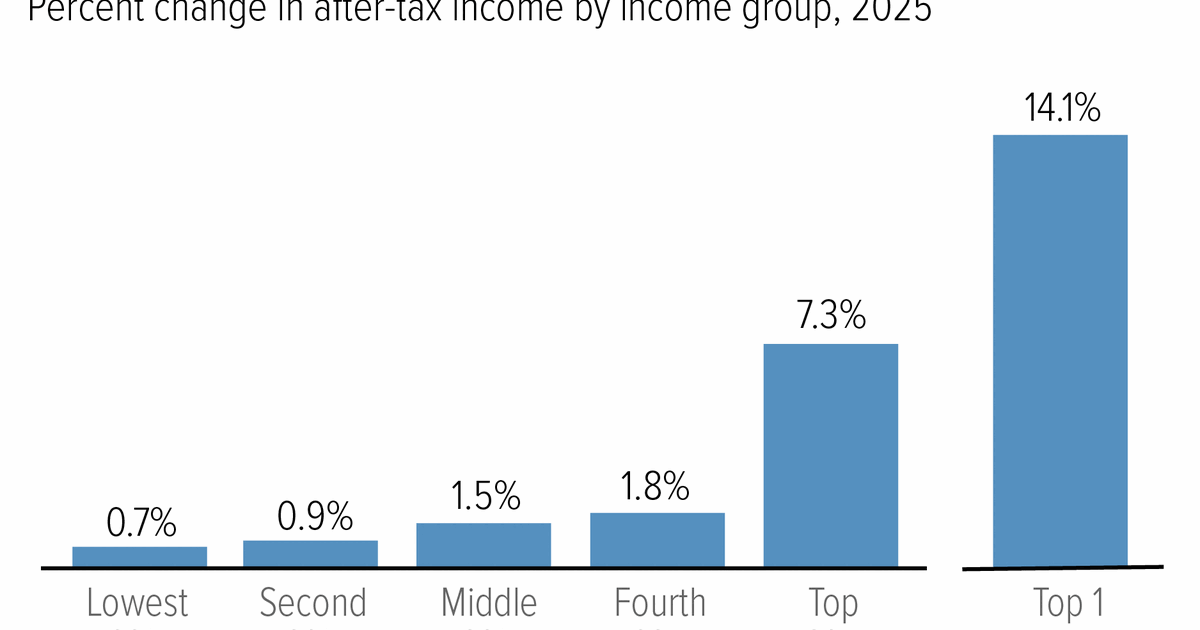
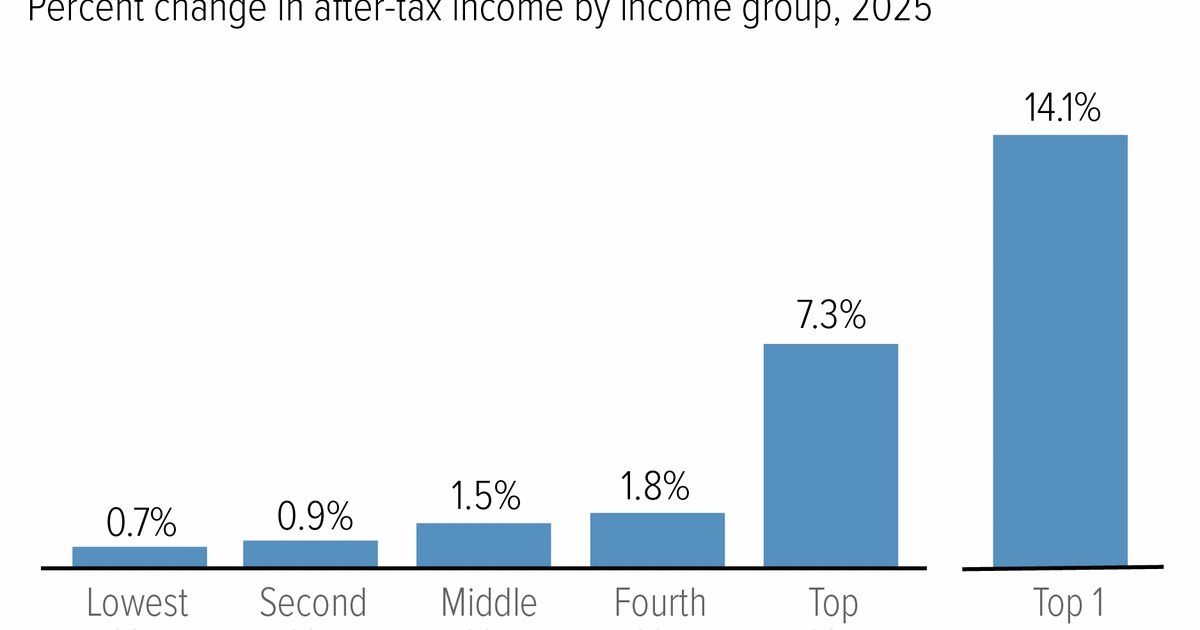
The impact of the Tax Cuts and Jobs Act of 2017 on different income groups is a subject of ongoing debate. While proponents argued that the lower rates would stimulate economic activity and benefit all income levels, critics pointed to the disproportionate impact on high-income earners. Data suggests that the wealthiest Americans experienced the greatest tax reductions, while the benefits for lower and middle-income earners were comparatively less significant.
Impact on Businesses and Corporations
The Act’s reduced corporate tax rate aimed to incentivize investment and job creation. Businesses, particularly corporations, saw a direct decrease in their tax burden. The Act’s provisions on deductions and credits also influenced corporate decision-making, potentially impacting investment strategies and expansion plans.
Table: Key Tax Changes During Trump’s Presidency
| Type of Change | Description | Affected Groups |
|---|---|---|
| Corporate Tax Rate Reduction | Reduced the top corporate tax rate from 35% to 21%. | Corporations |
| Individual Income Tax Rate Reductions | Lowered individual income tax rates across various brackets. | Individuals |
| Increased Standard Deduction | Expanded the standard deduction amount for individuals. | Individuals |
| Modifications to Itemized Deductions | Changed or eliminated some itemized deductions, impacting taxpayers who itemized. | Individuals |
Potential Future Tax Policies: Trump’s Stance: Trump Back What To Expect Taxes
Donald Trump’s views on taxation have consistently been a focal point of public discourse. Understanding his stated positions is crucial for anticipating potential future policies should he pursue a similar stance again. This analysis examines his recent pronouncements, explores their potential impact, and compares them to the views of other political figures.Recent statements from Trump and his campaign advisors suggest a possible return to policies emphasizing lower taxes for corporations and high-income earners.
He has emphasized the need to reduce the tax burden on businesses, arguing this stimulates economic growth. These pronouncements, if enacted, would likely have a significant effect on various segments of society. The impact would be largely felt in terms of government revenue and the distribution of wealth, and the extent of this effect would depend on the specific policies enacted.
Trump’s Stated Positions on Tax Policy
Trump has historically advocated for significant tax cuts, particularly for corporations. His recent public statements reinforce this position, with a focus on simplifying the tax code and reducing the overall tax burden. He frequently criticizes the current system, asserting it’s too complex and harmful to business investment.
Potential Impact on Individuals and Businesses
A return to Trump’s tax policies could result in substantial changes for individuals and businesses. Lower corporate taxes might lead to increased investment and job creation, but potentially at the expense of reduced government revenue. Lower income tax rates for high-income earners could concentrate wealth further, potentially impacting the middle class. Reduced tax deductions and credits for lower-income households could create further economic disparity.
Comparison with Other Political Figures
Trump’s tax proposals often contrast with those of other political figures. While some figures advocate for targeted tax relief for specific groups, others emphasize progressive taxation, where higher earners pay a larger percentage of their income in taxes. The approaches differ significantly in terms of economic philosophy and intended societal outcomes.
Possible Scenarios of Tax Policy Changes
Several scenarios could unfold if Trump were to pursue a similar tax policy stance again. One scenario involves a comprehensive overhaul of the tax code, reducing rates across the board. Another might focus on specific tax breaks for certain sectors or businesses, potentially incentivizing investment in specific industries. A third possibility could include targeted tax increases on specific goods or services, a policy often employed to fund public programs or address societal needs.
The exact form and scope of these changes would depend on the specific proposals enacted.
Potential Tax Changes Table
| Type of Change | Rationale | Estimated Effect |
|---|---|---|
| Lower corporate tax rates | Stimulate business investment and job creation | Potential increase in investment but reduced government revenue. Could lead to increased profits for companies, but potentially lower wages for employees, or increased prices for consumers. |
| Simplification of the tax code | Reduce complexity and compliance costs for businesses | Reduced compliance costs for businesses, but potential increase in tax evasion, as well as difficulty for low-income individuals to understand and comply with the code. |
| Lower individual income tax rates for high earners | Stimulate economic growth through investment | Concentrate wealth further, potentially leading to a greater gap between the rich and poor. Could lead to increased savings and investment, but might not translate to widespread economic benefits. |
Economic Considerations
Tax policies are a powerful tool for shaping economic outcomes. They can influence investment, job creation, and inflation, impacting the overall health and trajectory of a nation’s economy. Understanding how different tax structures interact with these factors is crucial for policymakers and citizens alike. This section delves into the potential economic effects of various tax policies, analyzing their relationship with economic growth and providing examples from history.
Potential Effects of Different Tax Policies
Different tax policies can trigger various economic responses. Lowering tax rates on corporations, for instance, might incentivize investment and lead to job creation. Conversely, increasing taxes on high earners could potentially reduce income inequality but might also decrease investment and entrepreneurship, impacting job growth. The effects are complex and multifaceted, and often depend on the specifics of the tax policy and the overall economic climate.
Relationship Between Tax Policies and Economic Growth
A strong correlation exists between effective tax policies and economic growth. Historical data shows that countries with stable and predictable tax systems, fostering investment and entrepreneurship, tend to experience higher rates of economic expansion. Conversely, countries with excessively high or unpredictable tax burdens often experience slower growth. The key is striking a balance between revenue generation and economic stimulus.
Examples of Successful and Unsuccessful Tax Policies, Trump back what to expect taxes
The impact of tax policies varies significantly based on the specific context and design. The 2017 Tax Cuts and Jobs Act in the United States, which lowered corporate and individual income tax rates, aimed to stimulate economic growth. The effectiveness of this policy remains a subject of debate, with proponents highlighting job growth and opponents emphasizing increased national debt.
Trump’s tax plan is generating a lot of buzz, but amidst all the speculation, a tragic event unfolded in Pleasant Hill. A fatal collision claimed a life, highlighting the importance of road safety. While the specifics of the tax plan are still emerging, it’s likely to have a significant impact on many aspects of life. We’re all keeping a close eye on the situation, and we’ll continue to bring you the latest updates on both the tax changes and the tragic news from fatal collision kills one person in pleasant hill.
The upcoming tax policy is sure to be a significant factor in the coming months.
In contrast, some European countries’ high marginal tax rates on high earners have been criticized for potentially discouraging investment and entrepreneurial activity. The specific design and implementation details of a tax policy play a crucial role in its ultimate outcome.
Impact on Financial Instruments
Changes in tax rates can directly impact the stock market and other financial instruments. Lower corporate tax rates can potentially increase company profits, leading to higher stock valuations. Conversely, increased taxes on capital gains could deter investment in the stock market, impacting trading volumes and investor behavior. The stock market is sensitive to tax policies, and changes can create significant fluctuations in market sentiment and valuations.
Comparison of Economic Outcomes
| Tax Policy | Potential Impact on Job Creation | Potential Impact on Investment | Potential Impact on Inflation |
|---|---|---|---|
| Lowering corporate tax rates | Potentially positive, but dependent on other factors | Potentially positive | Potentially minimal to moderate |
| Increasing taxes on high earners | Potentially negative, but dependent on other factors | Potentially negative | Potentially minimal to moderate |
| Implementing a progressive tax system | Potential to stimulate the economy, but dependent on other factors | Potential to encourage investment, but dependent on other factors | Potential to increase or decrease inflation, dependent on other factors |
Note: The table above presents potential outcomes. The actual impact of any tax policy depends on many factors, including the overall economic conditions and the specific design of the policy.
Public Perception and Reactions
Public reaction to Trump’s tax policies varied significantly, driven by partisan divides and differing economic viewpoints. The policies, while aiming to stimulate the economy, sparked considerable debate about fairness, impact on various income brackets, and long-term consequences. Analyzing these reactions provides insight into the complexities of tax policy and its public reception.The debate surrounding Trump’s tax policies was highly polarized.
Supporters emphasized the benefits for businesses and job creation, highlighting lower corporate tax rates as a key driver. Opponents, on the other hand, pointed to the disproportionate benefits for high-income earners and concerns about increased national debt. The policies also triggered discussions about the role of government intervention in the economy and the distribution of wealth.
Trump’s tax plan is getting a lot of buzz, but what will actually happen? It’s hard to say for sure, but it’s fascinating to see how different countries are tackling social media issues. For example, Albania is taking a strong stance against online bullying by shutting down TikTok for a year. Albania to shut down TikTok for a year over violence bullying.
This could potentially have some unexpected ripple effects on future tax policy. Overall, it’s a complicated picture, but one thing’s for sure, there’s a lot of change happening in the world right now, and it’s fascinating to watch. We’ll have to wait and see what the long-term consequences of these decisions are, including the eventual outcome of Trump’s tax plans.
Public Reaction to Trump’s Past Tax Policies
Trump’s 2017 tax cuts, a centerpiece of his economic agenda, faced immediate criticism from Democrats and some economists. The tax cuts, while potentially boosting short-term economic growth, were widely perceived as benefiting wealthy individuals and corporations disproportionately. The perceived lack of benefit to middle- and lower-income earners was a significant point of contention.
Arguments Used by Supporters and Opponents
Supporters of Trump’s tax policies frequently cited increased business investment and job growth as evidence of their effectiveness. They argued that lower corporate taxes incentivized companies to expand, leading to more jobs and economic prosperity. Opponents, however, countered that the tax cuts exacerbated income inequality, arguing that the benefits disproportionately flowed to the wealthy, while failing to address the needs of the working class.
Trump’s tax plans are making headlines, but the box office seems to be taking a more subdued approach this weekend. Apparently, novocaine leads numbingly slow weekend at domestic box office , which is a bit of a contrast to the anticipated economic buzz around the tax changes. Still, the real question remains: what will the actual tax policies look like and how will they impact the average person?
Potential Concerns and Benefits Regarding Different Segments of the Population
The potential benefits and concerns regarding Trump’s tax policies varied significantly across different segments of the population. High-income earners generally saw their tax burdens reduced, potentially leading to increased disposable income. Conversely, middle- and lower-income earners often expressed concerns about a lack of tangible benefits or even potential increases in their tax burden.
Different Viewpoints from Experts or Opinion Leaders
Economists held differing views on the efficacy of Trump’s tax policies. Some argued that the tax cuts stimulated economic growth, while others maintained that the benefits were largely concentrated at the top and that the increased national debt would have long-term negative consequences. Political commentators often framed the debate through partisan lenses, highlighting the differing perspectives on economic policy and government intervention.
Public Viewpoints on Trump’s Tax Policies
| Demographic Group/Interest | Potential Viewpoint |
|---|---|
| High-income earners | Favorable, lower taxes lead to increased disposable income. |
| Middle-income earners | Mixed, concerns about lack of direct benefit or potential increases in indirect taxes. |
| Low-income earners | Negative, perceived lack of benefit and potential negative impact on social programs. |
| Businesses | Favorable, lower corporate taxes potentially lead to increased investment and expansion. |
| Labor Unions | Negative, concerns about job security and wage stagnation in the absence of broader economic gains. |
| Environmental Groups | Negative, concerns about the impact on environmental protection efforts due to potential increase in corporate profits. |
Possible Implications for Individuals and Businesses
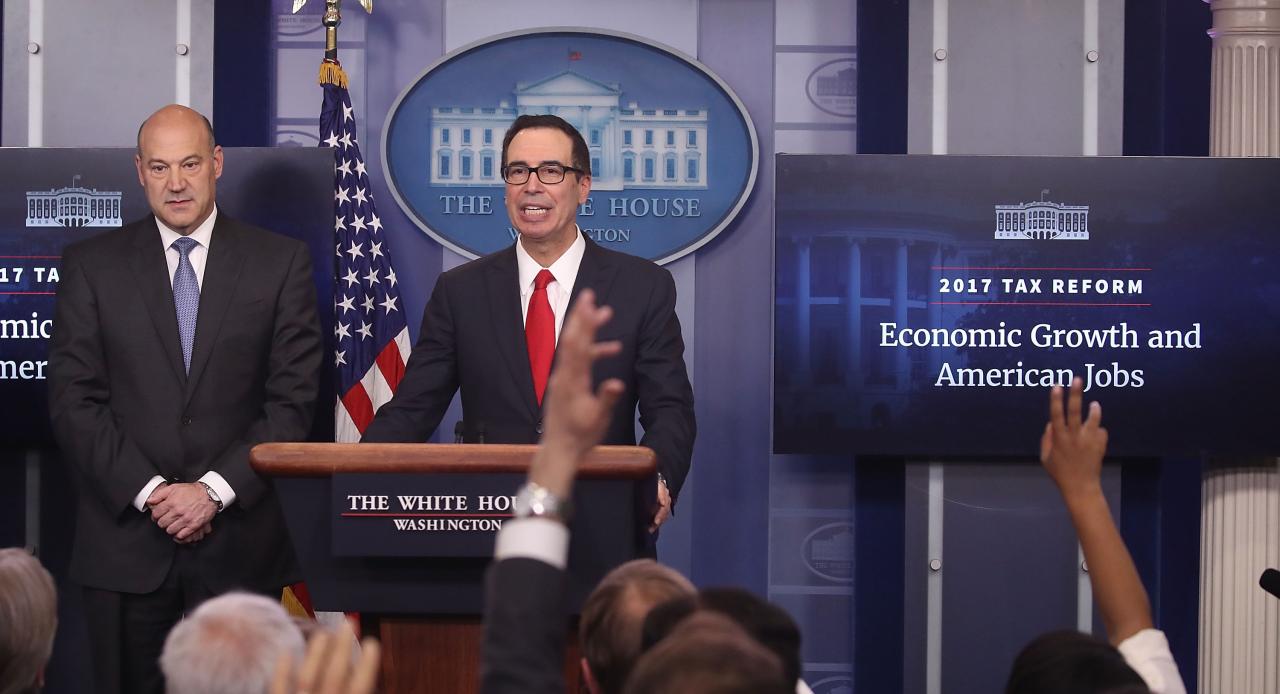
Trump’s proposed tax policies have significant implications for individuals and businesses across the spectrum, from the smallest sole proprietorship to the largest multinational corporation. Understanding these potential impacts is crucial for anyone seeking to navigate the economic landscape and make informed decisions. These policies could dramatically alter the tax burden on different income levels and significantly influence investment strategies.
Impact on Individual Taxpayers
Individual taxpayers, depending on their income brackets, could experience varied tax burdens under Trump’s potential policies. Lower and middle-income earners might face a reduction in their tax burden due to potential changes in standard deductions or tax rates. Higher-income earners could potentially see a decrease in their tax liability if certain deductions or credits are altered. However, the overall effect will depend on specific provisions within the proposed tax plan.
- Lower-income earners: Potential for tax relief through changes in standard deductions or lower tax brackets could result in increased disposable income, potentially stimulating spending. For example, a reduction in the income tax rate for a middle-class family could translate into extra funds for savings, education, or home improvements.
- Middle-income earners: Similar to lower-income earners, potential tax relief could result in increased disposable income. The impact on their financial well-being would depend on the magnitude of the tax reduction and how it affects their specific financial situation.
- High-income earners: A reduction in tax rates for higher-income individuals could lead to increased after-tax income, allowing for more investment opportunities and potentially boosting economic growth. However, this could also result in a decrease in government revenue, potentially affecting public spending on social programs.
Impact on Small Businesses and Entrepreneurs
Small businesses and entrepreneurs are a crucial part of the economy, and potential tax policies could significantly affect their operations and growth. Changes in deductions, credits, or the corporate tax rate could impact their profitability, ability to invest, and hiring decisions. Favorable tax policies could spur innovation and job creation, while unfavorable ones could discourage investment and lead to reduced hiring.
- Simplified tax structures: Streamlined tax procedures could reduce administrative burdens on small businesses, allowing them to focus on core operations. This could translate into increased efficiency and reduced costs, which could be passed on to consumers in the form of lower prices.
- Incentivized investment: Tax credits or deductions for investment in new equipment or technology could stimulate growth within the business sector. For example, tax incentives for research and development could lead to the development of innovative products and services.
- Access to capital: Potential changes in tax regulations could affect small businesses’ access to capital. If the tax policies make it more attractive to invest in small businesses, it could increase funding availability and drive further economic growth.
Impact on Large Corporations and Multinational Companies
Large corporations and multinational companies are often subject to scrutiny when discussing tax policies. Changes in corporate tax rates, international tax rules, or deductions could significantly affect their profitability and investment decisions. These policies can also have implications for job creation and economic growth on a national and international scale.
- Corporate tax rates: Changes in corporate tax rates could impact the profitability of large corporations. Lower tax rates could lead to increased investment and potentially stimulate job creation, while higher rates could potentially discourage investment.
- International tax rules: Changes to international tax rules could significantly affect multinational corporations’ operations and their ability to conduct business across borders. This could impact the location of business operations and their investment decisions.
- Tax avoidance strategies: Potential changes in tax laws could influence corporations’ strategies for tax avoidance. Some companies might shift their operations to jurisdictions with lower tax rates, while others may adjust their investment strategies.
Impact on Investment Decisions
Tax policies play a crucial role in shaping investment decisions by both individuals and businesses. Favorable tax treatments for certain investments can incentivize individuals and businesses to allocate capital to specific areas. Conversely, unfavorable policies could discourage investment and lead to capital flight.
- Individual investors: Tax breaks for retirement savings or investments in specific sectors can encourage individual investors to allocate capital to these areas. For example, favorable tax treatment of 401(k) contributions could increase retirement savings.
- Business investments: Tax incentives for capital expenditures or research and development can motivate businesses to invest in growth-enhancing projects. For example, tax credits for green energy investments could encourage companies to invest in renewable energy sources.
Illustrative Table of Potential Tax Policy Impacts
| Income Bracket | Business Type | Potential Tax Policy | Potential Impact |
|---|---|---|---|
| Low-income | Sole Proprietorship | Reduced tax rates | Increased disposable income, potentially stimulating spending |
| Middle-income | Small Retail Business | Tax credits for hiring | Increased hiring, improved business growth |
| High-income | Large Corporation | Reduced corporate tax rate | Potential for increased investment, but may reduce government revenue |
| All | Multinational Corporation | Changes to international tax rules | Shift in business operations, altered investment decisions |
Illustrative Case Studies
Trump’s tax policies, while impactful, have diverse effects on different sectors and demographics. Analyzing these impacts through case studies provides a clearer understanding of the potential consequences of such policies. Understanding how these policies have played out in the past, and how they might play out in the future, is critical to evaluating their overall effect.
Hypothetical Scenarios of Tax Policies
Trump’s past tax policies have demonstrated a focus on corporate tax cuts. Hypothetically, if such policies were re-implemented, certain industries could experience significant shifts. For example, a reduction in corporate taxes might encourage investment in capital-intensive industries, potentially boosting job creation in manufacturing. Conversely, this same policy could lead to less investment in industries that don’t rely as heavily on capital expenditures.
The effects would be felt differently across various sectors, impacting both the job market and overall economic growth.
Case Study of a Business Impacted by Past Tax Policies
The impact of the 2017 Tax Cuts and Jobs Act on a specific business, like a mid-sized manufacturing company, could be analyzed. Such a business might have experienced a reduction in its tax burden, leading to increased profits and potentially reinvestment in the company. However, the company’s competitiveness would depend on factors such as raw material costs, labor costs, and market demand.
The effect on their supply chain and customer base would also need to be considered.
Impact of Tax Changes on Average Families
Tax policies can dramatically impact average families, particularly those with varying income levels. A tax cut, such as a reduction in the standard deduction or a change in the income tax brackets, would have vastly different effects on a high-income family compared to a low-income family. The impact on a family with a lower income might be minimal, while a high-income family could see a substantial reduction in their tax liability.
This could potentially affect savings, investment decisions, and overall financial well-being. This is further complicated by factors like individual debt and other financial commitments.
Impact on National Debt
A key consideration when examining tax policies is their effect on the national debt. Corporate tax cuts, for instance, might generate economic growth, leading to increased tax revenue. However, this increased revenue might not fully offset the initial reduction in tax revenue, potentially exacerbating the national debt. This outcome would depend on the specific tax policies, economic conditions, and the degree to which economic growth is stimulated.
Hypothetical Tax Policies and Their Impacts
| Hypothetical Tax Policy | Impact on Specific Businesses (Example) | Impact on Average Households (Example) |
|---|---|---|
| Reduced corporate tax rate to 15% | Manufacturing company (with significant capital expenditures) sees increased profitability and investment potential. Small businesses with lower capital needs may not experience as significant a boost. | High-income families experience a larger tax savings than low-income families. |
| Increased standard deduction | Small businesses may see a reduction in sales tax, but larger businesses are not likely to experience this effect. | Low-income families experience greater relief than high-income families. |
| Changes to the individual income tax brackets | Effect on businesses depends on how labor costs and capital expenditures are affected. | Families experience shifts in their net income depending on their income bracket and tax bracket changes. |
Final Review
In conclusion, understanding Trump’s potential future tax policies requires a comprehensive look at his past actions, stated positions, and their economic and societal implications. This analysis explores potential scenarios, considering the public’s reaction, and the effects on individuals and businesses. Illustrative case studies provide concrete examples, highlighting the complexities of tax policy and its far-reaching effects. The potential outcomes for the economy and various stakeholders are clearly presented in this discussion.