Woman Hospitalized After Falling From Balcony Following Harry Styles Concert at Melbourne Marvel Stadium

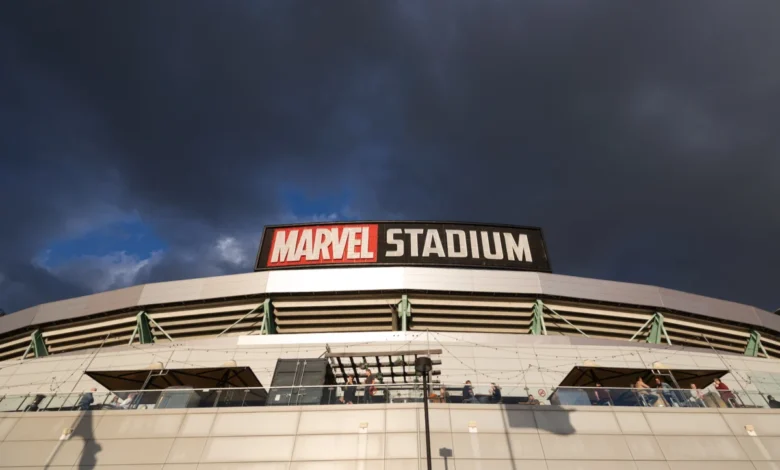
A routine concert-going experience turned into a harrowing medical emergency late Saturday evening when an audience member suffered a severe fall from a second-tier balcony inside Melbourne’s Marvel Stadium. The incident occurred shortly after the conclusion of a high-profile performance by British pop sensation Harry Styles, leaving fans and venue personnel shaken. Emergency medical services responded swiftly to the scene, transporting the injured woman to a major trauma hospital where she was subsequently stabilized. The episode has reignited critical conversations regarding crowd safety, balcony architecture, and behavioral risk management at large-scale entertainment venues.
The Incident and Immediate Response
The accident took place at approximately 11:00 p.m. local time on Saturday, just as the crowd was dispersing from Marvel Stadium following the second installment of Harry Styles’ four-night sold-out run in Melbourne. According to eyewitness accounts and initial police reports, the victim—identified only as a woman in her 30s—had remained in the seating bowl after the house lights came up, posing for photographs with companions near the perimeter of the second-level concourse.
Witnesses stated that the woman attempted to position herself for a photograph by straddling or placing her legs over the protective metal handrail guarding the balcony drop. Tragically, the maneuver resulted in a loss of balance. She tipped backward over the barrier, tumbling through the open air before striking a row of plastic seating on the first level directly below.
Emergency responders from Ambulance Victoria were dispatched to the stadium grounds immediately following emergency calls from nearby patrons and venue security. Advanced Life Support (ALS) paramedics arrived on the scene within minutes to conduct a primary medical assessment.
"Advanced Life Support paramedics assessed and treated one person at the scene," a spokesperson for Ambulance Victoria confirmed to regional media outlets. "A woman in her 30s with upper and lower body injuries was transported by road ambulance to The Alfred in a stable condition."
Medical personnel at The Alfred hospital, a premier trauma center in Melbourne, evaluated the patient upon arrival. Fortunately, despite the alarming nature of the multi-level descent, medical bulletins confirmed that she sustained non-life-threatening injuries and was listed in stable condition. Investigators noted that the impact zone on the lower level was unoccupied at the time of the fall, preventing what could have easily escalated into a multi-casualty tragedy.
Eyewitness Accounts and Social Media Documentation
As crowds lingered in the stadium bowl following the exit music, numerous concertgoers witnessed the unfolding drama firsthand. The suddenness of the event left many in the immediate vicinity in a state of shock.
Samantha, an attendee who observed the incident from a nearby section, recounted the harrowing moments leading up to the fall. "You could clearly see they were wobbly from drinking too much, then the girl on the right in purple put her leg over the rail to pose," Samantha told local reporters. "Then she fell backward flipping over, she tried to grab onto the rail as she was falling but unfortunately failed and fell onto her back into the level one chair, luckily no one was on the chair."
Compounding the psychological impact on witnesses was the immediate aftermath of the impact. Observers noted the eerie silence that followed the severe drop. Samantha added, "She didn’t scream or cry so we knew it was bad."
Within hours of the incident, amateur video footage recorded by other departing fans began circulating across various social media platforms, including TikTok and X (formerly Twitter). The clips visually corroborated eyewitness testimonies, showing individuals scaling or leaning excessively over elevated structural barriers before the sudden loss of footing. The rapid dissemination of the footage online prompted swift concern from global fan communities, many of whom expressed anxiety over the victim’s welfare while simultaneously debating liability and personal responsibility.
Background Context: The Harry Styles Tour in Australia
The concert on Saturday night was part of Harry Styles’ blockbuster global concert series, Love On Tour, which has drawn millions of fans worldwide since its inception. The Australian leg of the tour carried immense cultural significance for local fans, representing the artist’s first major stadium run in the country following pandemic-related scheduling delays.
Marvel Stadium, a multipurpose retractable-roof venue located in the Docklands precinct of Melbourne, was packed to its maximum capacity of over 50,000 attendees for the event. The multi-night residency required extensive logistical coordination between venue management, local law enforcement, municipal transit authorities, and private security contractors.
While mega-concerts of this scale routinely execute comprehensive safety protocols regarding crowd ingress, egress, and floor management, the incident at Marvel Stadium highlights the unique vulnerabilities associated with multi-tiered arena architecture. Balcony safety, patron intoxication, and social media-driven behavior—such as positioning oneself in precarious locations for photographic aesthetics—have increasingly become focal points for venue operators worldwide.
Venue Safety Regulations and Architectural Standards
Marvel Stadium, like all major public assembly venues in Australia, operates under stringent national building codes and occupational health and safety regulations. These standards dictate the minimum height, structural integrity, and load-bearing capacities of handrails, balustrades, and protective barriers in public seating areas.
Typically, building codes require interior balcony railings in public venues to stand at a minimum height of approximately one meter (around 39 to 42 inches) to prevent accidental tipping or falling by seated or standing patrons. However, architectural safety barriers are fundamentally designed to withstand passive pressure and prevent accidental slips, rather than to counteract active human scaling, climbing, or straddling.
When patrons deliberately bypass these structural safeguards—often influenced by lowered inhibitions due to alcohol consumption or the distraction of capturing content for social media—the efficacy of standard safety architecture is severely compromised. Stadium operators across the globe have increasingly turned to behavioral intervention strategies, including enhanced security patrols in upper tiers, visible signage warning against leaning or climbing on rails, and strict monitoring of alcohol service policies during high-energy musical events.
Broader Implications and Industry Analysis
The accident at Marvel Stadium serves as a sobering reminder of the inherent risks present in large-scale entertainment environments. Safety analysts and crowd management experts point out that while venue operators bear the primary responsibility for maintaining physical infrastructure and deploying adequate security personnel, individual accountability plays an indispensable role in preventing preventable accidents.
In recent years, the intersection of live music events and social media culture has given rise to new risk categories. The cultural imperative to secure unique, visually dramatic photographs or videos for platforms like Instagram and TikTok has occasionally encouraged risky behavior among concertgoers, who may temporarily lose situational awareness in pursuit of online engagement.
Furthermore, the incident underscores ongoing discussions regarding alcohol management at major sporting and entertainment complexes. While the sale of alcoholic beverages remains a significant revenue stream for stadium operators, incidents involving impaired judgment highlight the delicate balance venues must strike between guest hospitality and public safety enforcement.
As investigations by venue management and local authorities into the Saturday night incident conclude, the primary focus remains on the full recovery of the injured victim. Meanwhile, the event is expected to prompt renewed scrutiny from stadium operators and event promoters regarding upper-tier monitoring, patron education, and proactive deterrence measures designed to prevent similar occurrences at future high-capacity gatherings.
Related posts: