The Anatomy of a Systemic Failure
The crisis within the nation’s Public Safety Answering Points (PSAPs) is not a sudden phenomenon but the culmination of years of neglect. Investigative reporting, including recent work by Byard Duncan in collaboration with Type Investigations, has highlighted how this infrastructure has failed to adapt to the complexities of modern emergency management.
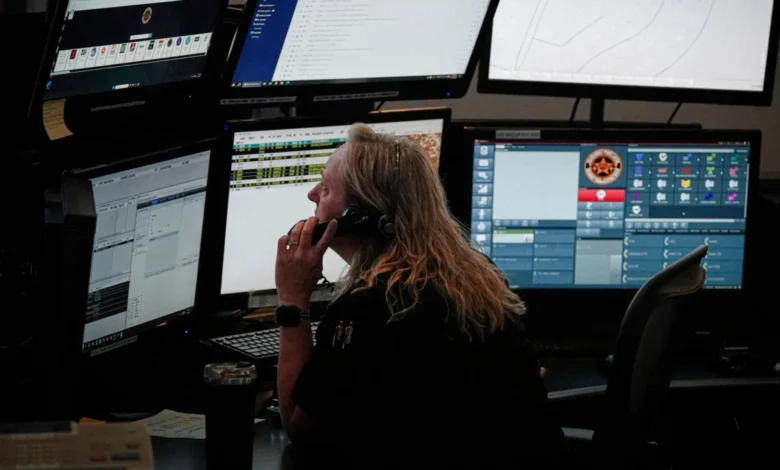
In many municipalities, the position of a 911 dispatcher is viewed as a high-stress, low-reward role. Dispatchers are often required to work mandatory overtime, navigating complex technical systems while managing life-or-death situations with limited emotional support. The psychological toll of the job, combined with stagnant wages, has led to an attrition rate that far outpaces recruitment efforts. When centers are understaffed, the resulting "hold times" are not merely inconvenient—they are statistically correlated with adverse health outcomes and increased mortality in time-sensitive emergencies like cardiac arrest or active violence.
Chronology of the Crisis
The degradation of the 911 system can be traced back to a confluence of factors over the last two decades:
- Early 2000s: The implementation of wireless 911 (E911) began, creating a massive influx of mobile calls that many legacy systems were ill-equipped to process.
- 2010s: The rise of Next Generation 911 (NG911) initiatives aimed to modernize infrastructure to accept text, video, and data. However, implementation was uneven, leading to a "digital divide" where wealthy jurisdictions updated their systems while rural and lower-income areas relied on aging copper-wire infrastructure.
- 2020–2022: The COVID-19 pandemic acted as an accelerant. Increased call volumes, combined with internal staffing shortages due to illness and burnout, pushed many centers to the brink of collapse.
- 2023–2026: Federal reports and local audits began consistently documenting that the "understaffing crisis" had moved from a localized issue to a national emergency, prompting Congressional scrutiny.
Supporting Data and Statistical Realities
The data regarding current dispatch operations is concerning. According to industry surveys conducted by the National Emergency Number Association (NENA) and various state-level oversight committees, the vacancy rate for 911 telecommunicators in several major metropolitan areas has reached as high as 30% to 40%.
Research indicates that the "Time to Answer" (TTA) standard—typically set at 90% of calls being answered within 10 seconds—is frequently missed in understaffed regions. In some instances, callers have reported wait times exceeding three minutes during peak hours. From a medical perspective, the "Chain of Survival" for cardiac arrest relies on immediate intervention; every minute of delay reduces the probability of survival by approximately 7% to 10%. Consequently, the staffing crisis is not merely a bureaucratic failure; it is a public health hazard.
Official Responses and Legislative Hurdles
The response from Capitol Hill has been characterized by a growing acknowledgment of the issue, though legislative solutions remain in their infancy. Policymakers have begun discussing federal grants to subsidize recruitment and retention bonuses for dispatchers. However, the decentralized nature of the 911 system creates a significant barrier to reform.
In the United States, 911 operations are largely governed at the local or county level. Funding is frequently tied to local taxes, which creates a disparity in resources. Wealthier counties can afford the latest AI-driven routing software and competitive salaries, while rural or economically depressed regions struggle to maintain basic staffing.
Proponents of federal intervention argue that 911 should be classified as "critical national infrastructure," similar to the power grid or the water supply. By elevating its status, they argue, the federal government could enforce standardized training, wage floors, and technological mandates that would ensure a baseline level of service regardless of a caller’s zip code.
The Human Element: Perspectives from the Dispatch Floor
Interviews with dispatchers across California, Wisconsin, and Florida reveal a workforce that feels invisible. Many describe a "compassion fatigue" cycle where they are expected to handle calls involving domestic abuse, suicide, and mass casualty events in rapid succession without the debriefing or psychological support afforded to field officers or paramedics.
"We are the first responders who never leave the room," one dispatcher noted in a recent industry roundtable. The consensus among these professionals is that the public remains largely unaware of how precarious the system is until they find themselves on the other end of a ringing phone that no one picks up.
Broader Impact and Future Implications
The implications of a failing 911 system extend beyond the immediate risk of delayed response. A loss of public trust in the 911 system can lead to the "privatization" of emergency response, where individuals opt for private security services or seek help through social media, further fragmenting the emergency network.
Furthermore, the integration of new technologies—such as automated emergency alerts from smart vehicles and wearable health monitors—is projected to increase the volume of "accidental" or non-human-initiated calls. Without a significant investment in human capital to verify and triage these signals, the system risks being overwhelmed by data, potentially burying genuine emergencies under a mountain of false positives.
Conclusion: Toward a Sustainable Model
Fixing the American 911 system requires more than just stop-gap funding. It demands a holistic re-evaluation of how dispatchers are treated, trained, and compensated. It requires a transition to a truly modernized, nationalized data infrastructure that can handle the demands of the 21st century.
As the investigations by outlets like Reveal and Type Investigations continue to highlight, the problem is not a lack of technology, but a lack of priority. Until the political will exists to treat the telecommunicator as a vital pillar of the public safety apparatus, the promise of 911 will remain, for many Americans, a promise that goes unfulfilled. The path forward necessitates a coordinated effort between federal oversight bodies and local agencies to ensure that when a citizen makes that call—in the darkest moment of their life—a voice is waiting on the other end to help.