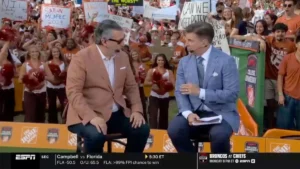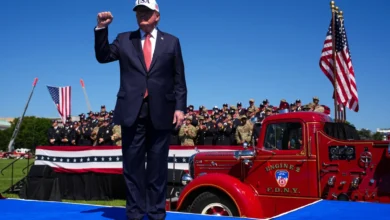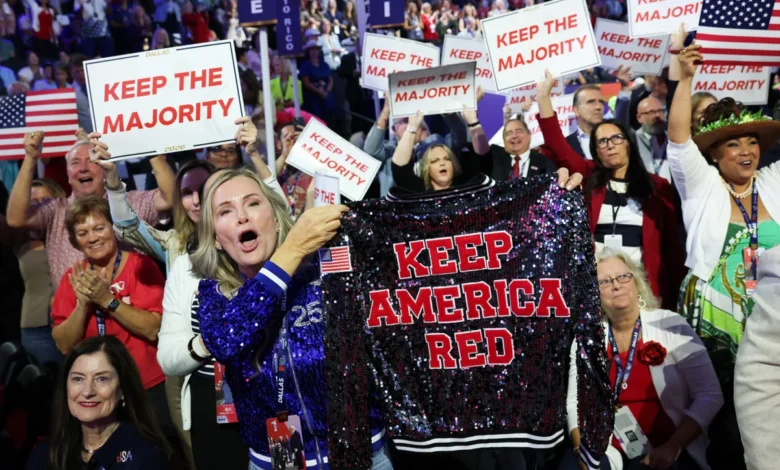
The American Airlines Center in Dallas, Texas, presented a surreal tableau under moody crimson and amber lighting as the first-ever Republican Midterm National Convention commenced. Set against a backdrop of sweeping political anxiety, the arena was filled with supporters swaying to classic anthems and wearing sparkly patriotic accessories, while large, imposing images of prominent Democrats loomed over the proceedings. Outside the air-conditioned venue, however, a high-stakes political battle was raging. The Republican Party gathered in the Lone Star State at a critical juncture, navigating the complex fallout of legislative agendas, economic pressures, and shifting voter demographics ahead of the upcoming midterm elections.
The decision to host the gathering in Dallas carried profound symbolic and strategic weight. Just eighteen months prior, the location appeared to be an auspicious hub for the conservative movement. Following the 2024 general election cycle, the Republican Party celebrated notable gains among Hispanic voters, particularly in South Texas, and state leadership had outlined ambitious redistricting plans designed to solidify legislative majorities. Additionally, Texas had successfully positioned itself as a primary destination for techno-conservative innovation and migration from coastal technology sectors.
However, the political landscape shifted dramatically in the intervening months and weeks leading up to the Dallas convention. Public opinion polling indicated that early conservative gains among Hispanic demographics had faced significant erosion, and Democratic candidates emerged as competitive contenders in traditionally safe Senate and congressional races across the state. This tightening of margins generated a palpable sense of urgency and strategic reassessment among party strategists, transforming what was originally conceived as a victory lap into a defensive mobilization.
Structuring the Midterm Narrative: Fear, Security, and Cultural Grievance

Convention organizers and speakers deliberately patterned the programming after the high-energy atmosphere of the 2024 presidential nomination conference. A prominent visual motif throughout the concourses was the imagery of the previous election cycle, serving to rally the base around established themes of resilience and confrontation with political opponents. Rather than focusing solely on legislative accomplishments, the speaker lineup heavily emphasized traditional culture-war flashpoints and security concerns.
Throughout the multi-day event, prominent figures within the administration and the broader party delivered recurring warnings regarding national security, border enforcement, and cultural preservation. Speakers detailed harrowing accounts concerning violent crime, illegal immigration, and public safety in major metropolitan areas, while also addressing contentious social policies related to gender identity and education. Furthermore, conservative leaders invoked geopolitical and religious concerns, warning against foreign influence and potential domestic policy shifts under opposing governance.
These aggressive messaging strategies were designed to forge a stark contrast for the electorate. Vice President JD Vance articulated this core argument during his keynote address, urging the audience to prioritize the overarching ideological and policy contrast with the political opposition rather than demanding absolute consensus on every individual administrative policy.
Economic Realities and the Controversial "Trump Dividend"
Despite efforts to unify the base around cultural and security issues, economic anxiety remained a dominant factor shadowing the convention. Ongoing geopolitical conflicts, particularly the military engagements involving Iran, contributed to persistent inflationary pressures and elevated energy costs. Public opinion metrics indicated that economic stability and the rising cost of living were the foremost concerns for independent voters and moderate conservatives alike.

To address these vulnerabilities, the administration introduced a high-profile economic proposal intended to incentivize voter turnout. During his address, the president proposed a $5000 direct payment to citizens, termed the "Trump dividend," contingent upon a Republican victory in the midterm elections.
This unorthodox campaign pledge immediately ignited intense debate across the political spectrum. Critics, including fiscal policy analysts and opposing lawmakers, questioned the feasibility of funding such a broad initiative through projected tariff revenues, noting a significant discrepancy between estimated income and the vast capital required for distribution. Furthermore, because the Republican Party already held majorities in both chambers of Congress, political commentators questioned why the legislation was not introduced immediately through traditional legislative channels rather than presented as a conditional campaign promise.
Reactions from attendees and local voters reflected a mixture of skepticism and division. While dedicated supporters welcomed the bold rhetoric, independent observers and moderate voters expressed uneherence to conventional fiscal conservatism, questioning the practicality and appropriateness of direct financial incentives tied to electoral outcomes.
Tensions and Absences Among Vulnerable Incumbents
The internal friction within the Republican Party was further evidenced by the conspicuous absence of several key incumbent lawmakers facing competitive reelection campaigns. Senators and House representatives from toss-up districts across the country—individuals who must navigate purple and blue-leaning electorates—opted to bypass the Dallas gathering to focus on localized constituent outreach.

Those vulnerable legislators who did attend often found themselves navigating an uneasy dynamic between local political survival and alignment with the national party apparatus. A prominent example was Texas Attorney General Ken Paxton, who was locked in a historically tight race to preserve decades of conservative dominance in the state. Despite his steadfast loyalty to the administration’s platform, Paxton was subjected to public critique regarding his appearance and presentation during the president’s opening remarks. Placed in a conventional supporting speaking role, Paxton echoed the national messaging by warning against leftist policies, yet the public ribbing underscored the unpredictable nature of party leadership toward loyal regional surrogates.
Similarly, Texas Governor Greg Abbott used his platform to champion aggressive state-level initiatives, including proposals to restrict foreign land ownership and implement strict regulatory measures within the state. However, local analysts noted that these targeted proposals occasionally sidestepped the broader, systemic economic grievances voiced by everyday Texans, highlighting a potential disconnect between convention talking points and the daily realities of voters.
Broader Implications for the Midterm Elections
As the convention drew to a close with traditional pageantry—including operatic performances and dramatic visual displays—the underlying strategic implications remained clear. The 2026 Republican Midterm Convention served as a microcosm of a party at a crucial crossroads. By leaning heavily into populist enthusiasm, cultural grievances, and direct appeals to leadership loyalty, the administration sought to consolidate its core base of support.
However, the reluctance of moderate incumbents to attend, combined with ongoing voter anxiety regarding the economy and international entanglements, highlighted the severe challenges facing the party in the broader electorate. The success of the Republican strategy in the upcoming midterms will ultimately depend on whether base mobilization and messaging focused on cultural contrast can successfully overcome the substantial headwinds of economic dissatisfaction and a fiercely competitive political landscape.