The Ultimate Guide to Vacation Rentals in the Delaware River Valley: Where History Meets Modern Luxury

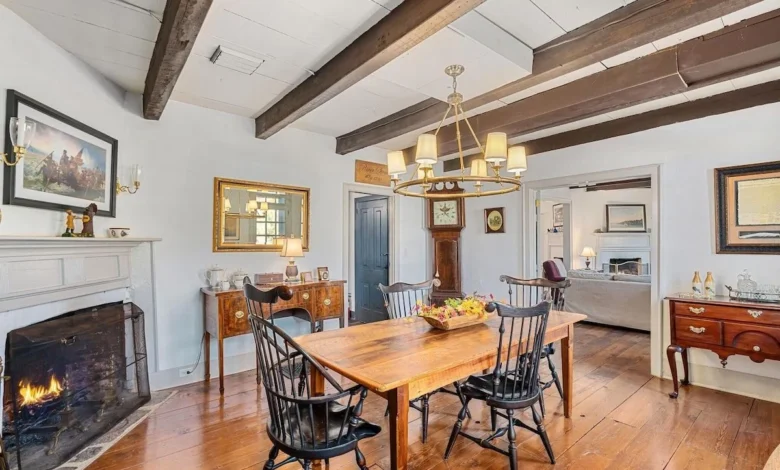
Nestled along the winding banks of the Delaware River, the Delaware River Valley has long served as a premier weekend sanctuary for residents of metropolitan New York and Philadelphia. Known for its picturesque main streets, undulating rolling hills, gastronomic destinations, and frequent sightings of soaring bald eagles, this bi-state corridor offers a harmonious blend of rural tranquility and cultural sophistication. While destinations such as New Hope, Pennsylvania, have historically captured the lion’s share of tourism attention, adjacent communities like Lambertville, Frenchtown, and Upper Black Eddy offer equally compelling itineraries. Whether visitors are seeking recreational cycling along historic towpaths or combing through antique emporiums, the region has evolved into a sophisticated hospitality market. To meet the demands of discerning travelers, a curated selection of nine premier vacation properties—ranging from centuries-old stone houses to contemporary riverfront cottages—provides an ideal home base for exploring this vibrant bi-state enclave.
Main Facts of the Region’s Tourism Dynamics
The tourism economy of the Delaware River Valley is anchored by its unique geographic and cultural footprint, straddling the border of Pennsylvania and New Jersey. Towns like New Hope and Lambertville are connected by the New Hope–Lambertville Toll Supported Bridge, allowing visitors to traverse state lines on foot within minutes. This cross-border accessibility is a primary driver of the region’s appeal, enabling tourists to sample dining and retail offerings in two distinct states during a single afternoon.
Recent hospitality data indicates a sustained increase in demand for alternative accommodations, particularly vacation rentals managed through platforms like Vrbo and Airbnb. Properties in Hunterdon County, New Jersey, and Bucks County, Pennsylvania, have experienced heightened occupancy rates as urban travelers increasingly seek drive-to destinations that offer historical authenticity paired with modern luxury amenities. The properties highlighted in the regional roundups are selected based on rigorous criteria, including Superhost status, guest favorite designations, exceptional review scores, unique architectural features, and prime geographic positioning.
Chronology and Historical Context
The rich tapestry of the Delaware River Valley dates back well before the American Revolution, deeply embedding the region into the foundational history of the United States. During the late 18th century, the valley played a critical strategic role, most notably immortalized by George Washington’s crossing of the Delaware River on the night of December 25–26, 1776. This pivotal military maneuver altered the course of the American Revolutionary War, setting the stage for the Battle of Trenton.
Over the subsequent centuries, the valley transitioned from an industrial and agricultural hub driven by the Delaware and Raritan Canal and the Lehigh Coal and Navigation Company canals into a haven for artists, writers, and craftsmen. By the mid-20th century, towns like New Hope had established themselves as thriving artist colonies, drawing creative luminaries from New York City and Philadelphia.
In recent decades, the architectural heritage of the region has undergone a preservation-led renaissance. Historic stone farmhouses, Victorian-era townhomes, and industrial mill conversions have been meticulously restored. Today’s vacation rental market directly reflects this chronology, with properties often boasting unique historical artifacts seamlessly integrated into high-end modern living spaces. For instance, select regional rentals feature extraordinary historical anomalies, such as glass kitchen floors that peer down into 300-year-old historic wells believed to have been utilized during the Revolutionary War era.
Supporting Data and Economic Impact
The economic vitality of the Delaware River Valley is heavily subsidized by regional tourism, which generates millions of dollars annually for local municipal economies in Bucks and Hunterdon counties. According to economic impact studies compiled by regional tourism boards, leisure and hospitality represent a cornerstone of local employment, supporting hundreds of small businesses, boutique hotels, farm-to-table restaurants, and independent art galleries.
- Geographic Scope: Spans Bucks County, PA, and Hunterdon County, NJ.
- Key Municipalities: New Hope, Lambertville, Frenchtown, Upper Black Eddy.
- Primary Visitor Demographics: Weekend travelers originating primarily from the New York City and Philadelphia metropolitan areas.
- Accommodation Trends: High demand for properties offering historic architectural character combined with modern amenities, such as waterfront access, chef-grade kitchens, and proximity to walkable downtown districts.
- Rental Selection Criteria: Evaluated on guest ratings, cleanliness, host responsiveness, distinct architectural or historical features, and central locations near major crossings like the New Hope–Lambertville Bridge.
Official Responses and Regional Perspectives
Local municipal leaders, tourism directors, and small business owners have increasingly recognized the symbiotic relationship between short-term rentals and the regional hospitality ecosystem. While transient lodging brings a steady influx of capital to local merchants, community stakeholders continuously balance economic development with historic preservation and residential tranquility.
Representatives from regional economic development committees have noted that properties catering to high-end travelers help elevate the overall profile of the valley. "The Delaware River Valley offers a rare combination of accessible geography, deep-rooted American history, and a vibrant contemporary arts and culinary scene," notes a regional tourism official speaking on condition of anonymity regarding local municipal planning. "Vacation rentals that respect the architectural integrity of our historic towns while providing top-tier comfort play an essential role in sustaining our local economy, encouraging visitors to extend their stays from a simple afternoon trip into multi-night immersive experiences."
Property owners and hospitality managers similarly emphasize the importance of curation. High-performing rentals in Lambertville and New Hope often feature bespoke interior designs, locally sourced artwork, and curated guidebooks that direct guests to nearby towpath access points, antique shops, and culinary hotspots, thereby distributing economic benefits broadly across the community.
Broader Impact and Market Implications
The sustained popularity of the Delaware River Valley as a premier weekend getaway carries significant implications for the broader northeastern United States hospitality market. As travelers continue to favor domestic, drive-to destinations over complex international itineraries, rural and semi-rural regions rich in history and natural beauty are seeing permanent shifts in their economic models.
The proliferation of high-end vacation rentals in historic corridors like the Delaware River Valley illustrates a broader trend: the democratization of luxury travel through unique, experiential lodging. Rather than opting for standardized hotel chains, modern consumers seek out environments that tell a story—whether through a restored 18th-century stone facade, panoramic views of the river from a private deck, or the novelty of staying steps away from the historic bridge connecting New Jersey and Pennsylvania.
Furthermore, this tourism influx encourages ongoing investment in local infrastructure, historic preservation ordinances, and environmental conservation efforts along the Delaware River watershed. As local governments work alongside property owners and tourism coalitions, the region remains a model for how historic communities can adapt to modern economic demands while fiercely protecting the cultural and natural assets that made them desirable in the first place.