Fifty Years of the Five Boroughs: How the 2026 TCS New York City Marathon Redefined Endurance

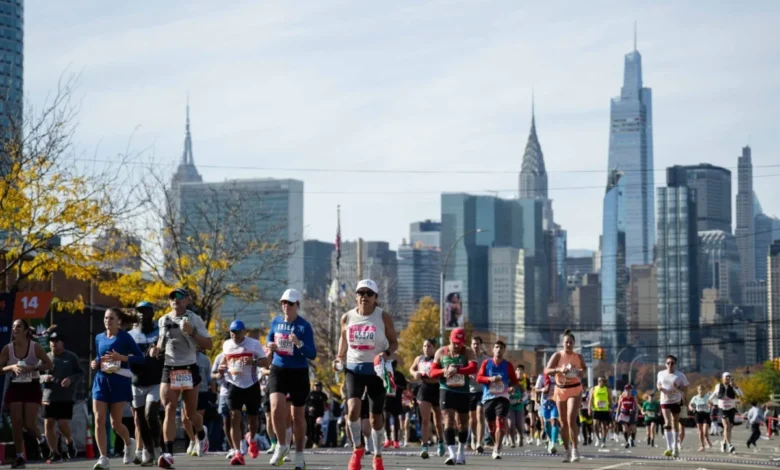
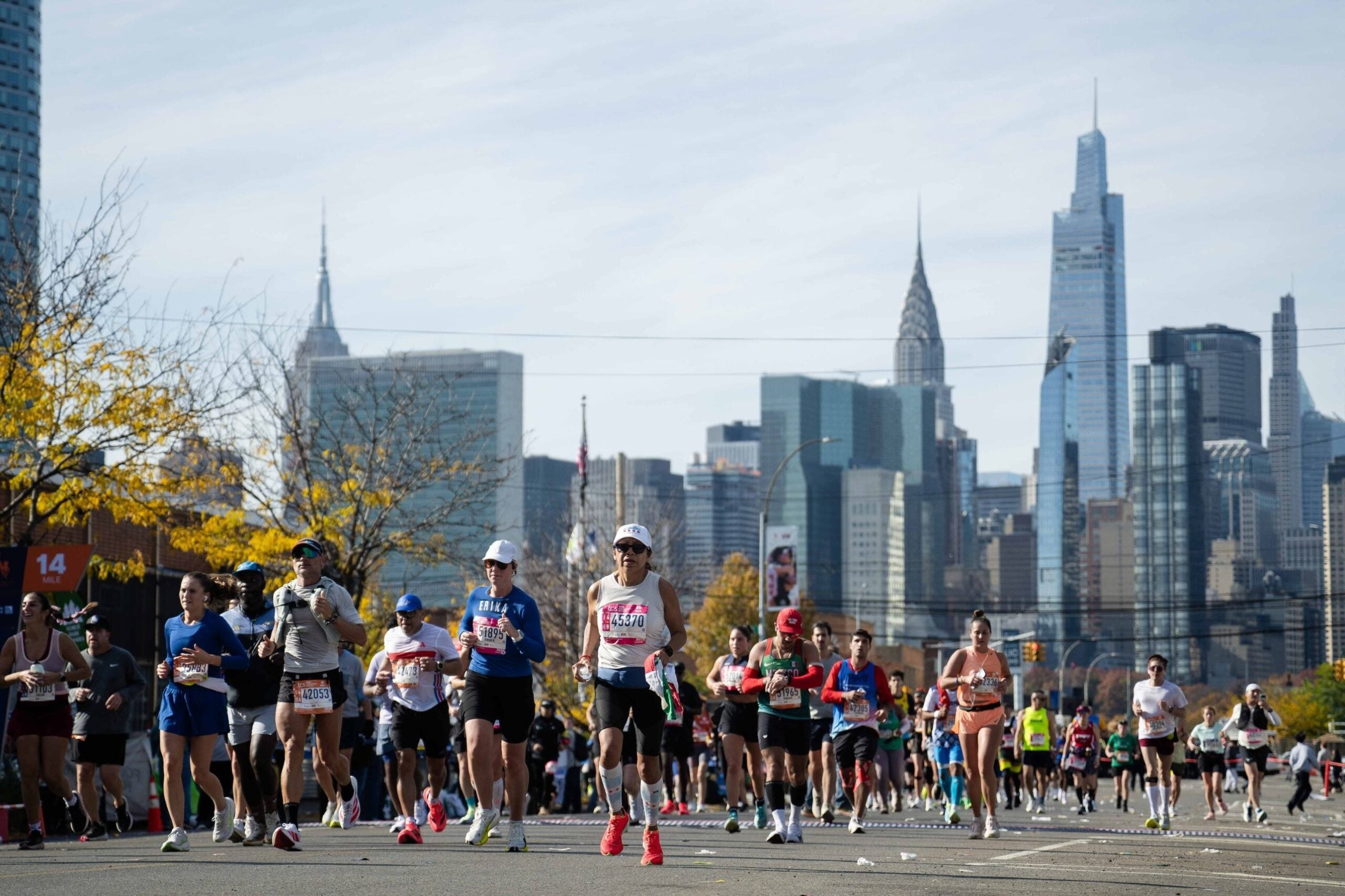
The 2026 TCS New York City Marathon marked a historic milestone, serving as the golden anniversary of the race’s evolution from a local loop within Central Park to the sprawling, five-borough spectacle that defines modern global distance running. On November 1, 2026, more than 61,000 finishers navigated the 26.2-mile course, a testament to the growth of the event since its inaugural city-wide iteration in 1976. This year’s race, characterized by a mix of elite athletic dominance and deeply personal human narratives, reinforced the marathon’s status as a cornerstone of New York City’s cultural and social calendar.
A Half-Century of Evolution
The marathon’s history is intrinsically linked to the urban fabric of New York. In 1976, when the race expanded beyond the confines of Central Park to encompass all five boroughs, it attracted approximately 2,000 entrants. The demographic landscape of the race has undergone a profound transformation over the last 50 years. In the inaugural city-wide event, women accounted for only 88 finishers. By contrast, the 2026 field saw nearly 29,000 women cross the finish line, reflecting a broader trend of gender parity and increased female participation in endurance sports.
The logistical complexity of managing over 60,000 runners—a feat involving thousands of volunteers, the closure of major arterial bridges, and the coordination of the NYPD and city transit authorities—remains a singular achievement in event management. This year, the race also grappled with the quirks of the calendar, taking place on the morning the clocks shifted for Daylight Saving Time. While the extra hour of sleep was a boon for the general population, the marathon’s massive field adhered to the rigorous early-morning schedule required to transport runners to the Verrazzano-Narrows Bridge start line by sunrise.
Elite Performance and Record-Breaking Paces
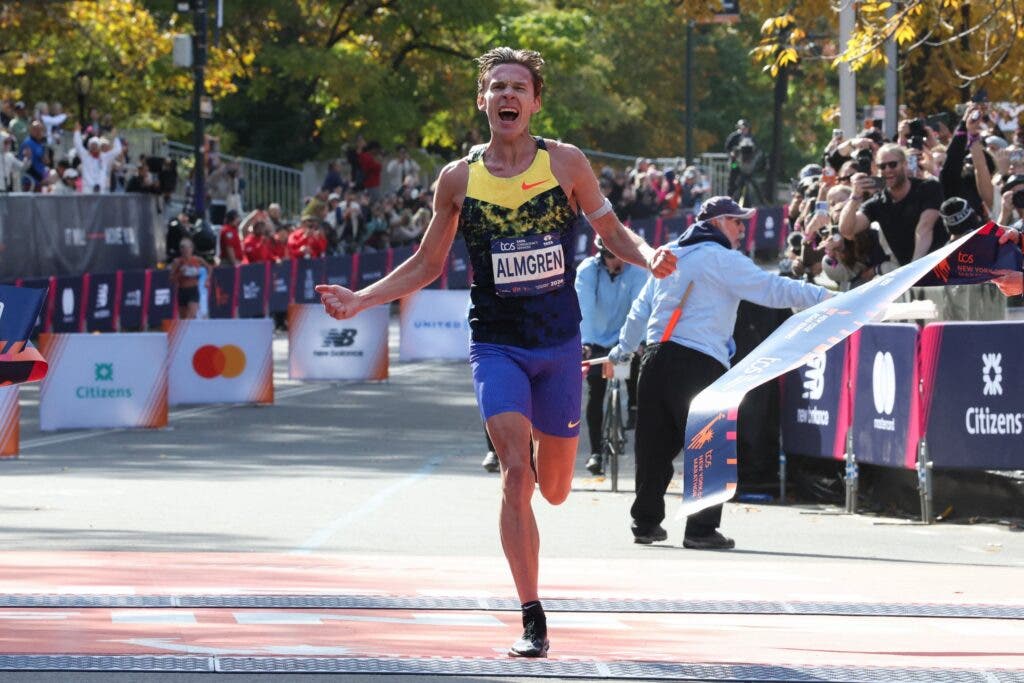
The professional field provided a masterclass in tactical racing and athletic excellence. Andreas Almgren of Sweden secured a commanding victory in the men’s division with a time of 2:06:01, an extraordinary feat given that this was his debut at the marathon distance. His performance suggests a shifting guard in international distance running, where middle-distance track specialists are increasingly finding success on the road.
In the women’s field, Kenya’s Sheila Chepkirui reclaimed the top spot, earning her second title in three years. The race for the podium was particularly dramatic, with American Jess McClain surging in the final kilometer to overtake two-time champion Hellen Obiri. McClain’s second-place finish was significant, marking the first time an American woman has stood on the NYC Marathon podium since 2018, providing a morale boost for the domestic long-distance circuit.
The wheelchair division continued to be dominated by Swiss athletes. Marcel Hug, often referred to as the "Silver Bullet," secured his eighth title, while Catherine Debrunner maintained a crushing pace, winning her event by more than eight minutes. These performances underscore the professionalization of wheelchair racing, which has seen increased investment in equipment aerodynamics and specialized training protocols over the past decade.
Personal Narratives of Resilience
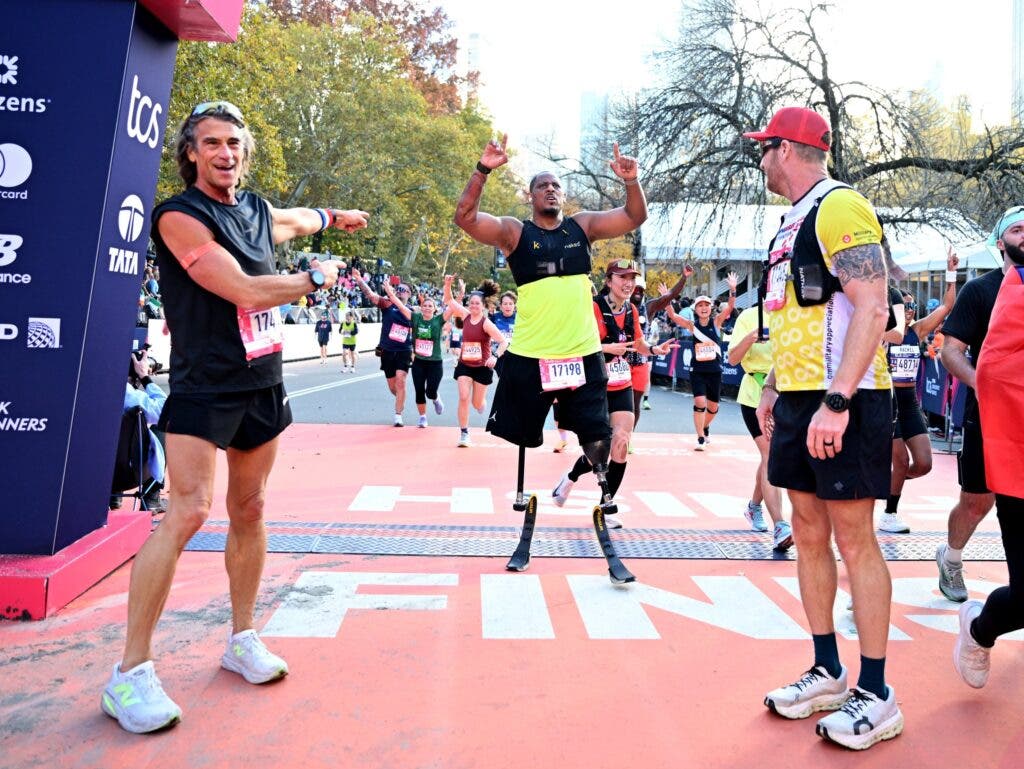
Beyond the elite podiums, the 2026 marathon was defined by its diverse tapestry of human stories. The intersection of vulnerability and endurance was best illustrated by the journey of ultra-endurance athlete Rich Roll. Recovering from significant spinal fusion surgery—a procedure that had led medical professionals to advise against further running—Roll utilized the 2026 race as a platform for advocacy. He did not race for a personal best; instead, he served as a guide and support runner for retired Army Master Sergeant Cedric King, a Purple Heart recipient who lost both legs above the knee in combat.
Roll’s participation, involving a modified training regimen of limited run-walk sessions to protect his spine, resonated with the broader running community. His message—that the most significant athletic achievements are those directed toward a cause larger than the self—echoed the sentiments of other notable participants, such as British ultrarunner William Goodge. Goodge completed a grueling series of 50 marathons in 50 states over 23 days, concluding his journey in New York to raise funds for Stand Up To Cancer.
Furthermore, the longevity of the event was anchored by veterans like Dave Obelkevich. At 83, Obelkevich has completed every five-borough NYC Marathon since the 1976 inception. His 49th finish, accompanied by his daughter, serves as a bridge between the race’s origins and its future. The inclusivity of the event was further evidenced by the persistence of runners like James "Marty" Thomas, whose 11:20 P.M. finish in his 43rd marathon demonstrated that for many, the victory lies not in speed, but in the steadfast refusal to quit.
The Psychology of the Course
The 26.2-mile route remains a formidable psychological challenge, even for the most seasoned athletes. The Queensboro Bridge, famously devoid of spectators, acts as a filter for the field. It is here that the transition from the energy of the outer boroughs to the industrial, silent incline of the bridge often leads to "bonking," or glycogen depletion.
Data analysis of split times confirms that the bridge is the most frequent site of pace decay. The contrast between the noise of the Brooklyn crowds and the isolation of the bridge creates a mental barrier that requires significant cognitive effort to overcome. Runners who successfully navigate this transition often credit "active reframing"—a psychological technique where athletes pivot from focusing on physical discomfort to engaging with the environment, such as interacting with spectators or absorbing the musical performances staged throughout the course.
Implications for the Future of Road Racing
The 2026 TCS New York City Marathon serves as a barometer for the health of the endurance industry. The record-breaking turnout, coupled with the success of international debutants and the integration of charitable endurance goals, suggests that the marathon remains an essential vehicle for both physical health and community cohesion.
However, the race also highlights the increasing pressure on urban infrastructure. The logistical requirements of hosting a 60,000-person event in a dense metropolis necessitate ongoing cooperation between the New York Road Runners (NYRR) and municipal agencies. Future iterations will likely see increased focus on sustainability, as the environmental footprint of global road racing faces greater scrutiny. Innovations in waste management and carbon-neutral transportation for participants are expected to become standard requirements rather than optional features.
A Community-Centric Legacy
Ultimately, the marathon’s success is derived from its unique ability to foster community. The transition from the gospel music in Harlem to the roaring spectator tunnels on First Avenue provides a localized sensory experience that few other sporting events can replicate. For the amateur runner, the experience is defined by these micro-interactions—the offer of a Sour Patch Kid, the reading of a humorous sign, or the shout of one’s name from a stranger.
As the sun set over Central Park on November 1, 2026, the narratives of the participants—from the elite podium finishers to the final, exhausted runners arriving well past midnight—converged into a singular theme: the persistence of the human spirit. For the tens of thousands who took to the streets, the race was a tangible manifestation of training, discipline, and the pursuit of a goal that, once completed, fundamentally alters one’s perspective on personal capacity. The 50th anniversary of the five-borough race did not merely celebrate the past; it set a new standard for what it means to participate in the world’s most iconic marathon.