Madrid, the sprawling capital of Spain, serves as the administrative, economic, and cultural heart of the Iberian Peninsula. With a municipal population exceeding 3.5 million and a metropolitan area that anchors the nation’s central plateau, the city is a primary engine of Spanish growth. While often overshadowed in international tourism by the coastal appeal of Barcelona, Madrid consistently ranks as one of Europe’s most visited destinations, drawing over 10 million annual visitors. This influx is supported by a robust infrastructure that bridges the gap between its historical Hapsburg-era roots and its modern status as a global financial hub. The city’s distinct lifestyle—characterized by a late-night social rhythm and a deliberate, slow-paced approach to culinary consumption—reflects a deeply ingrained cultural ethos that remains resilient against the pressures of rapid modernization.
The Architectural and Artistic Heritage
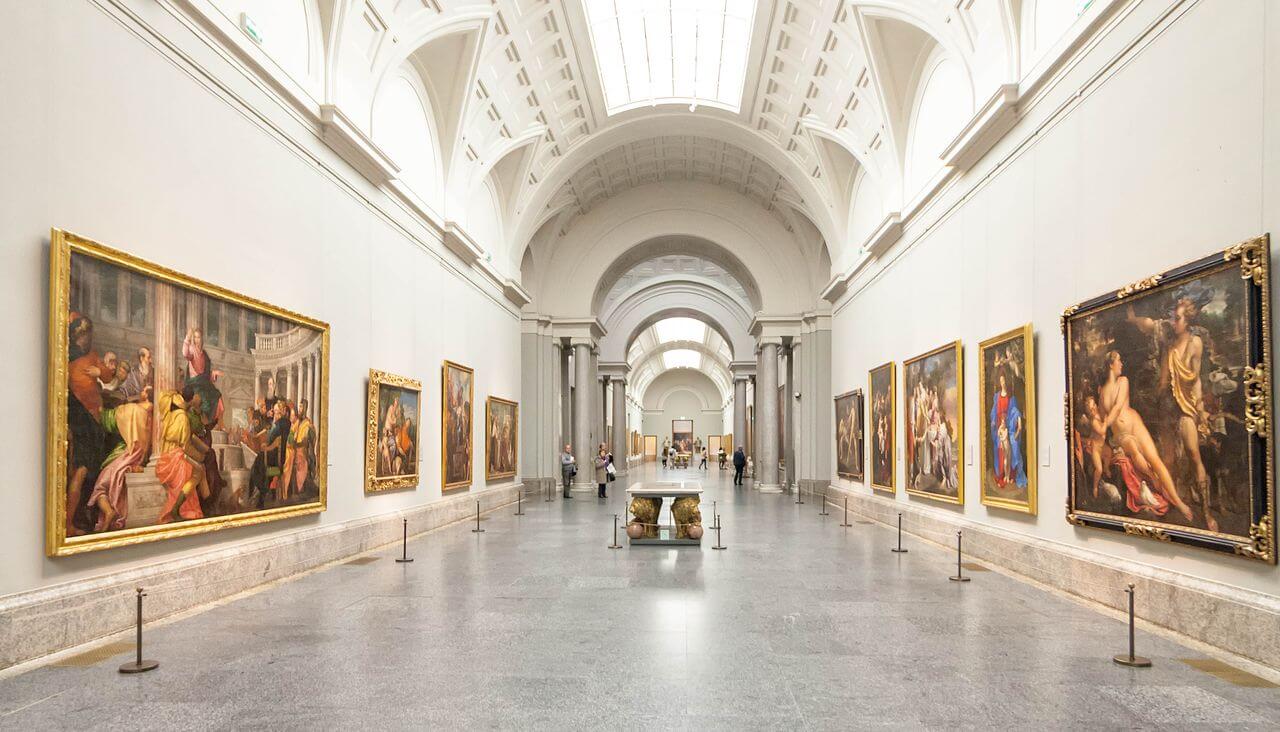
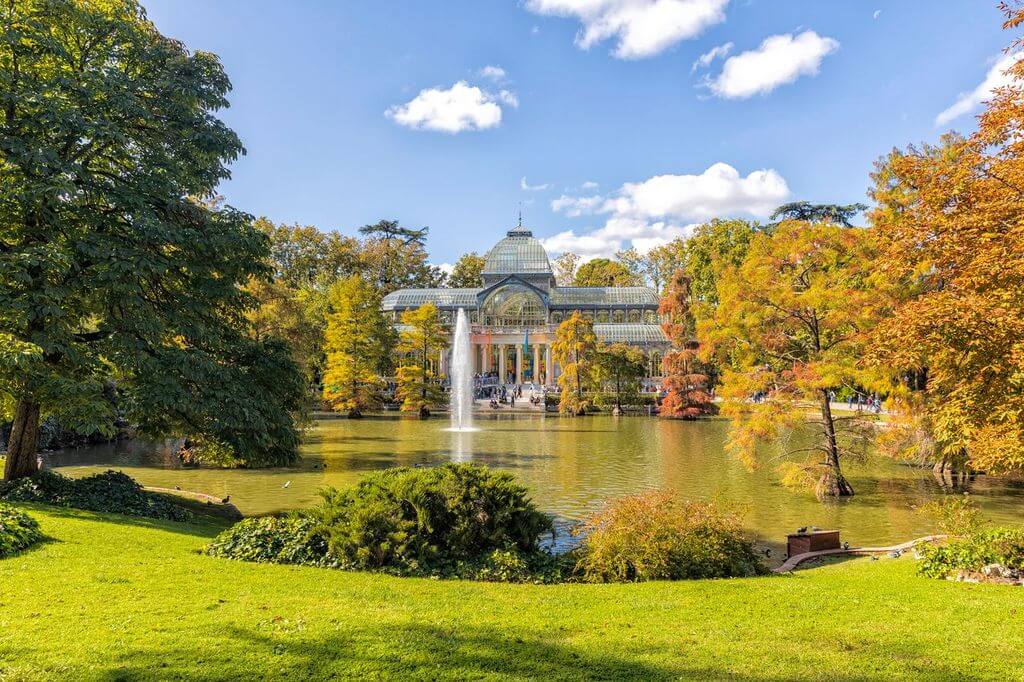
The structural identity of Madrid is largely defined by the "Paisaje de la Luz" (Landscape of Light), a UNESCO World Heritage site designated in 2021. This area comprises the Paseo del Prado and the expansive El Retiro Park, representing a rare synthesis of urban planning and environmental preservation. The Paseo del Prado acts as a corridor for some of the world’s most significant art institutions. The Prado Museum, established in 1819, houses a collection that serves as a chronological record of European painting, featuring works by Velázquez, Goya, and El Greco.
The artistic trajectory of the city is further augmented by the Thyssen-Bornemisza Museum and the Reina Sofía National Art Center. The latter is home to Pablo Picasso’s "Guernica," a 1937 masterpiece that serves as a profound historical critique of the Spanish Civil War. The preservation of these works is not merely a matter of curation but a significant economic driver, with cultural tourism contributing substantially to the city’s GDP. Recent investments in the restoration of smaller, specialized institutions, such as the Sorolla Museum—the former residence of Joaquín Sorolla, known for his Mediterranean-themed luminosity—underscore the city’s ongoing commitment to preserving its heritage for future generations.
Chronology of Urban Development
The historical evolution of Madrid can be partitioned into distinct developmental eras, starting with its function as a strategic 9th-century Muslim fortification. Following the Reconquista, the city’s transformation accelerated under the Hapsburg dynasty in the 16th and 17th centuries, creating the "Madrid de los Austrias" layout that remains the core of the historic district.
Key chronological milestones include:
- 1561: King Philip II establishes Madrid as the permanent seat of the Spanish court.
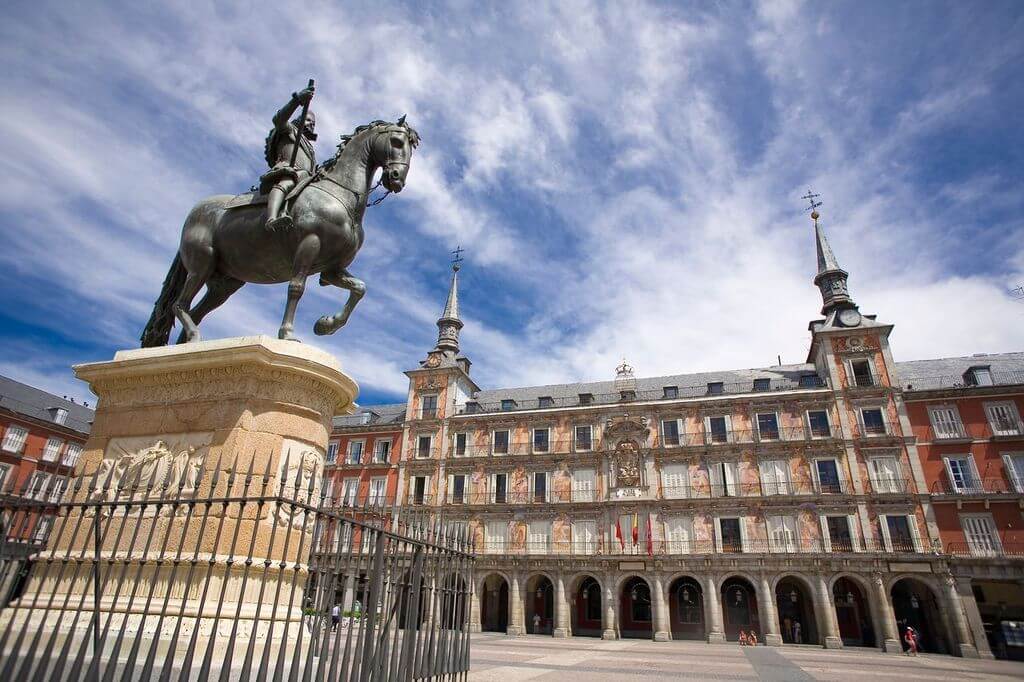
- 17th Century: Construction of the Plaza Mayor, which served as the epicenter of civic life, hosting everything from royal ceremonies to public executions.
- 18th Century: Construction of the Royal Palace of Madrid, the largest of its kind in Western Europe, signaling the city’s transition into a center of Baroque power.
- 1931: Formal creation of the Casa de Campo, a 17-square-kilometer public park that transitioned from royal hunting grounds to a public asset during the Second Spanish Republic.
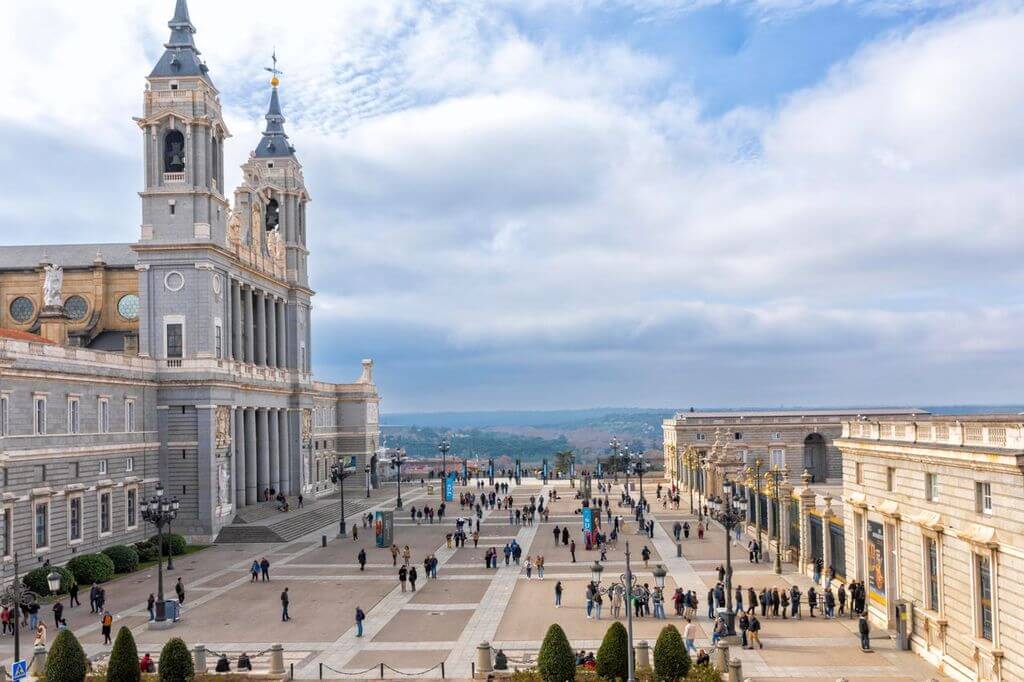
- 1993: Completion and consecration of the Almudena Cathedral, concluding a construction process that spanned over a century and solidified the city’s religious landscape.
Economic and Social Dynamics
Beyond its aesthetic offerings, Madrid functions as a major European logistics and business hub. The city’s central location at the "Kilometer Zero" point—located at the Puerta del Sol—is not merely symbolic; it represents the convergence of Spain’s national highway and rail networks. This connectivity has allowed Madrid to thrive as a center for multinational corporations and high-level international trade.
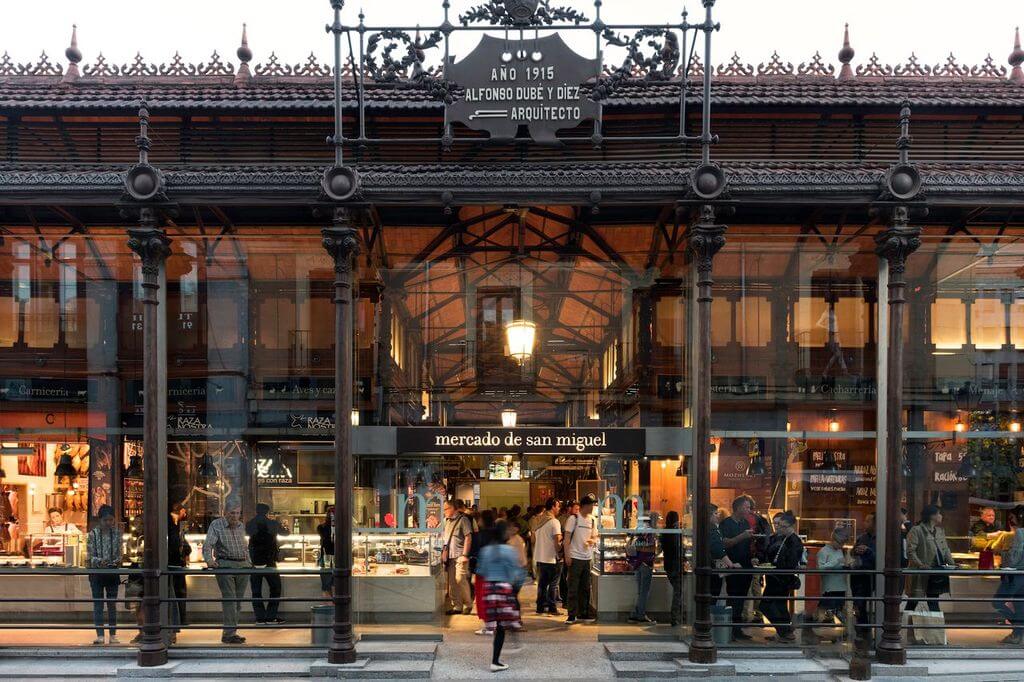
The city’s social structure is uniquely influenced by its culinary economy. Madrid boasts one of the highest concentrations of bars and restaurants per capita in the world. This is supported by a network of public markets, such as the Mercado de San Miguel and the Mercado de San Antón, which have transitioned from traditional neighborhood supply points to sophisticated gastronomic hubs. Market analysis indicates that these venues are vital to urban revitalization, as they preserve local supply chains while attracting a steady stream of tourist revenue. Furthermore, the rise of a specialized vegetarian and vegan sector in neighborhoods like Malasaña reflects a demographic shift, indicating that Madrid is successfully adapting its traditional culinary identity to meet contemporary international dietary trends.
Strategic Regional Implications
The influence of Madrid extends well beyond its city limits, acting as a gateway to historic regional sites that maintain UNESCO status. The Monastery of San Lorenzo de El Escorial, commissioned by Philip II, stands as a testament to the austere imperial power of the 16th century. Similarly, the Royal Palace and Gardens of Aranjuez and the university city of Alcalá de Henares—the birthplace of Miguel de Cervantes—provide a broader context for the development of the Spanish state.
These sites are not merely historical relics; they are active components of the regional economy. Statistics from the regional tourism board suggest that day trips to these locations sustain thousands of jobs in the peripheral towns of the Community of Madrid. The integration of these sites into a comprehensive five-day itinerary allows for a balanced distribution of visitor traffic, reducing the pressure on the historic city center while maximizing the economic benefits across the province.
Infrastructure and Visitor Management
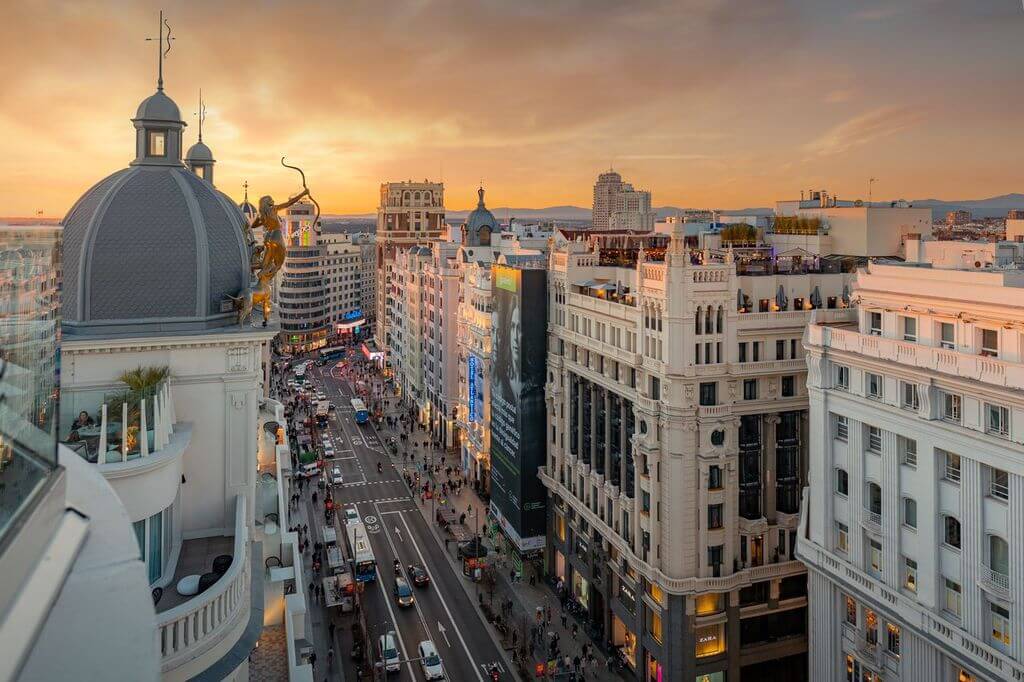
The logistical management of Madrid relies on a highly efficient public transport system that minimizes the city’s carbon footprint despite its sprawling layout. The city’s investment in sustainable mobility, including the pedestrianization of major thoroughfares like the Gran Vía, reflects a broader European trend toward making urban spaces more habitable.
Official statements from the Madrid City Council have frequently highlighted the "Landscape of Light" initiative as a model for sustainable urban tourism. By integrating green spaces with cultural monuments, the city seeks to mitigate the "heat island" effect while simultaneously improving the visitor experience. This, combined with a diverse range of accommodations—from high-end hotels to budget-conscious hostels—ensures that Madrid remains accessible to a wide demographic, fostering a resilient tourism sector that is less susceptible to the volatility of luxury travel markets.
Conclusion and Future Outlook
Madrid stands as a resilient capital that balances its deep-seated history with an forward-looking economic agenda. As the city continues to navigate the complexities of 21st-century urban living, its focus remains on the preservation of its cultural core while expanding its infrastructure to support sustainable growth. Whether through the meticulous maintenance of its art galleries or the strategic development of its gastronomic markets, Madrid offers a case study in how a major metropolis can leverage its past to remain relevant on the global stage. For the traveler and the analyst alike, the city offers a profound look into the intersection of power, art, and daily life, solidified by a cultural rhythm that refuses to be rushed. Through careful planning and an appreciation for both its grand monuments and its quiet, off-the-beaten-path corners, visitors can experience the full complexity of one of Europe’s most dynamic capitals.