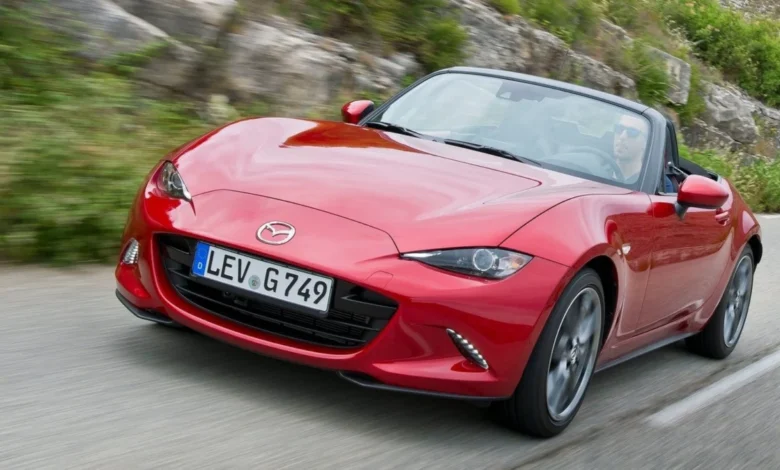
The automotive landscape has undergone a seismic shift over the past two decades, characterized by an insatiable consumer appetite for heavy crossovers, hulking sport utility vehicles, and technologically bloated electric trucks. Amid this relentless pursuit of mass, height, and digital distraction, the Mazda MX-5 Miata stands as an enduring anomaly. As automakers increasingly abandon lightweight, driver-centric platforms in favor of high-margin utility vehicles, the fourth-generation Miata continues to defy industry trends. With an entry-level Manufacturer’s Suggested Retail Price (MSRP) hovering around $32,640, this iconic roadster offers a compelling proposition for driving enthusiasts and practical consumers alike. Far from being merely a nostalgic relic, the modern Mazda Miata remains a masterclass in vehicle dynamics, economic accessibility, and mechanical purity.
Background and Context: The Evolution of an Icon
The genealogy of the Mazda MX-5 Miata traces back to 1989, when Mazda introduced the first-generation (NA) model at the Chicago Auto Show. Conceived under the design philosophy of Jinba Ittai—a Japanese phrase describing the horse and rider as one—the original Miata was built to capture the spirit of classic 1960s British lightweight roadsters while eliminating their notorious unreliability. By utilizing a front-engine, rear-wheel-drive layout, balanced weight distribution, and a naturally aspirated engine, Mazda created an affordable sports car that immediately resonated with the global market.
Over three decades and four distinct generations, the formula has remained remarkably consistent, even as safety regulations, emissions standards, and consumer expectations have evolved. The current ND-generation Miata, introduced for the 2016 model year and continuously refined with suspension updates, steering enhancements, and incremental power bumps to its 2.0-liter SKYACTIV-G four-cylinder engine, represents the pinnacle of this lineage. Weighing in at just over 2,300 pounds, it is one of the few contemporary passenger vehicles that refuses to succumb to the "weight creep" plaguing the modern automotive industry.
Financial Viability and Market Positioning
For prospective buyers navigating today’s inflationary automotive market, the financial barrier to entry is a critical consideration. The average transaction price for a new vehicle in the United States routinely surpasses $48,000, placing many traditional performance cars well out of reach for middle-class consumers. At a base MSRP of $32,640, the Mazda Miata occupies a unique market segment, serving as an attainable gateway to rear-wheel-drive sports car ownership.
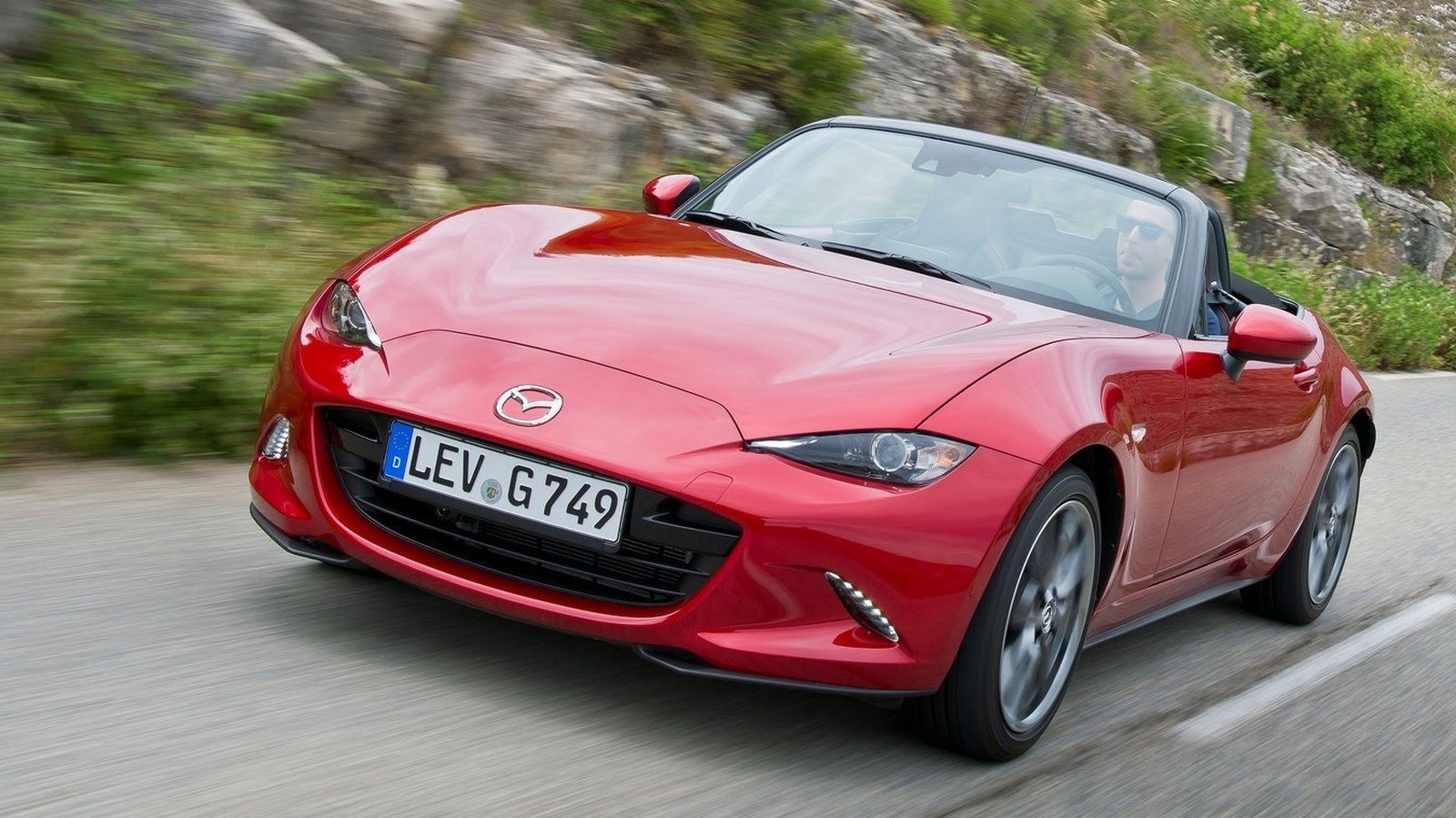
When evaluated through standard automotive financing structures, the vehicle’s cost becomes even more digestible. Assuming a conventional 60-month loan term with standard interest rates and a reasonable down payment, monthly expenditures hover near the $544 mark. Automotive financial analysts frequently point to the Miata as an outlier in residual value retention. Because sports cars of this caliber are produced in limited numbers relative to mainstream sedans and crossovers, depreciation curves for the MX-5 tend to flatten out more aggressively than those of mass-market commuter vehicles. Consequently, buyers are investing not only in a recreational asset but in a vehicle that historically maintains a robust position on the secondary market.
Chronology of Modern Refinements
Mazda’s commitment to the continuous improvement of the MX-5 platform is documented through a steady cadence of engineering updates rather than disruptive, expensive ground-up redesigns.
- 2016: The launch of the fourth-generation (ND) Miata, featuring a dramatic, aggressive exterior design language, a significantly lower curb weight than its predecessor, and a highly praised six-speed manual transmission.
- 2019: Mazda introduced a significant powertrain revision, boosting the 2.0-liter engine’s output to 181 horsepower and raising the redline from 6,800 RPM to 7,500 RPM, transforming the vehicle’s high-revving character.
- 2024: The implementation of a refreshed infotainment system, updated driver-assistance technologies, and the introduction of Asymmetric Limited Slip Differential for manual-transmission models, further sharpening handling dynamics and cornering stability.
This deliberate, iterative development strategy ensures that buyers purchasing a new model today benefit from decades of mechanical refinement, virtually eliminating the early-production reliability concerns that often accompany completely redesigned vehicle platforms.
Industry Reception and Enthusiast Culture
Automotive journalists and consumer advocacy groups have consistently lauded the MX-5 across its production lifecycle, frequently earning it spots on prestigious industry lists such as Car and Driver’s 10Best. Industry analysts attribute this enduring acclaim to the vehicle’s uncompromised focus on feedback, steering linearity, and chassis communication—qualities that are frequently filtered out by the electronic power steering systems and heavy sound insulation found in modern luxury sedans and SUVs.
Beyond the automotive press, the Miata has fostered one of the most robust, decentralized enthusiast communities in the history of the private automobile. From regional autocross events and track days to dedicated owner clubs spanning North America, Europe, and Asia, the vehicle serves as a powerful social catalyst. Sociologists and market researchers note that shared-interest communities centered around mechanical hobbies provide measurable psychological benefits, offering avenues for social integration and peer connection that transcend traditional demographic boundaries.
Economic and Practical Implications
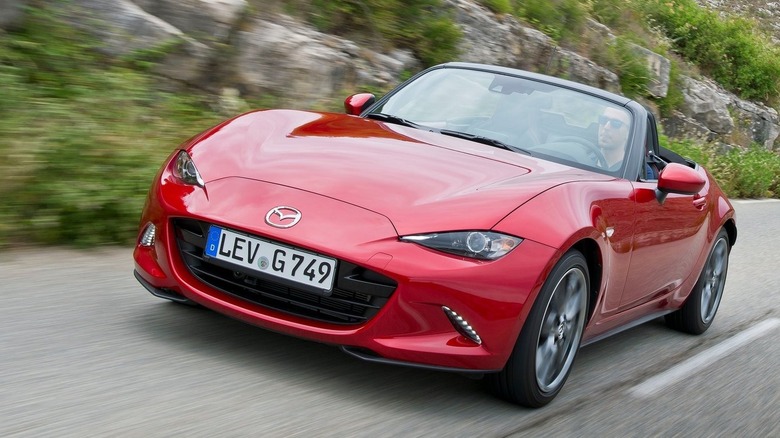
While prospective buyers often view sports car purchases through the narrow lens of recreational indulgence, practical evaluations reveal unexpected advantages. The Miata’s remarkably low curb weight places minimal stress on wearable components such as brake pads, rotors, and tires compared to heavier performance coupes or electric vehicles, translating into lower long-term maintenance costs. Furthermore, its naturally aspirated engine avoids the complex thermal management and high-pressure turbocharger maintenance often associated with modern forced-induction powerplants.
However, analysts also note the inherent compromises. The two-seat cabin offers limited cargo capacity, and the soft-top configuration—or the retractable fastback (RF) variant—demands acceptance of road noise levels that exceed those of traditional enclosed passenger cars. For single professionals, empty-nesters, or households utilizing a multi-vehicle strategy, these concessions are routinely outweighed by the visceral engagement of the driving experience.
Conclusion
The decision to purchase a new vehicle is rarely made in a vacuum, often requiring a careful reconciliation of financial realities, lifestyle needs, and personal desires. Yet, within an automotive ecosystem increasingly dominated by homogenization, digital screens, and excess mass, the Mazda MX-5 Miata remains an unyielding testament to mechanical purity and driving joy. By combining accessible pricing, remarkably stable residual values, and a legacy of engineering excellence, the Miata offers a distinct alternative to the automotive mainstream. For those positioned to make the investment, the modern roadster delivers a driving experience that few modern vehicles can replicate.