Early Bird Black Friday Fitness Equipment Sales Offer Significant Savings for Home Gym Enthusiasts as Seasonal Shopping Shifts Earlier Each Year.

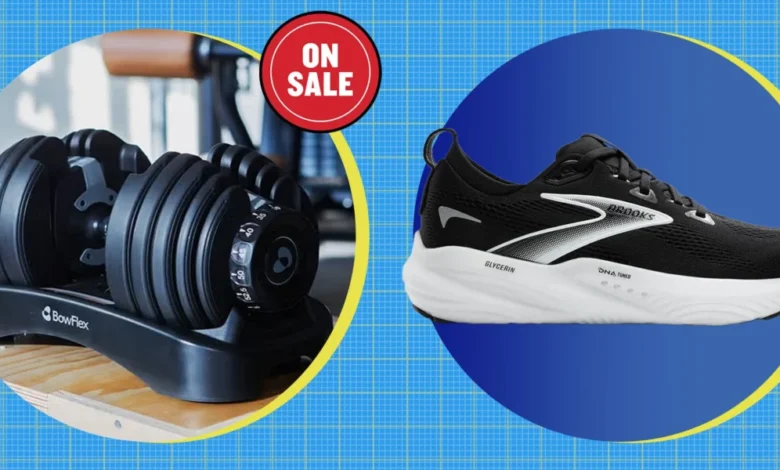
The retail landscape has undergone a profound transformation over the last decade, with major e-commerce platforms and big-box retailers abandoning the traditional one-day Black Friday model in favor of extended, month-long promotional periods. For fitness enthusiasts and those looking to curate a home gym, this shift provides a distinct advantage: the opportunity to acquire high-end training equipment, wearable technology, and performance apparel at significant discounts well before the traditional post-Thanksgiving shopping rush.

Current data from market analysts indicates that retailers are initiating these sales earlier than ever to combat supply chain unpredictability and to secure consumer loyalty in an increasingly crowded digital marketplace. For the average fitness consumer, this presents an ideal window to invest in long-term wellness infrastructure—such as heavy-duty weight benches, treadmills, and smart tracking devices—without the pressure of last-minute stock shortages or the logistical challenges associated with holiday shipping delays.

The Evolution of the Pre-Holiday Fitness Market
Historically, the fitness industry relied on "New Year, New Me" resolutions to drive sales in January. However, recent trends show a marked increase in pre-holiday spending, as consumers prioritize home-based workouts to maintain physical conditioning throughout the winter months. According to consumer behavior studies, the rise of remote work and the sustained popularity of hybrid training models have made the home gym a permanent fixture in the modern household.

Retailers have responded to this demand by bundling high-ticket items like adjustable dumbbells and rowing machines with smaller, essential accessories, effectively lowering the barrier to entry for home gym setups. This year, the discounts are particularly aggressive on technology-integrated equipment, reflecting a broader industry push toward connected fitness, where data-driven progress tracking and app-based coaching have become standard expectations for the end-user.

Strategic Investing in Home Gym Hardware
The current market environment offers substantial price reductions on foundational strength-training equipment. Industry experts suggest that the focus on "space-saving" design is a direct response to urban living constraints, where consumers demand equipment that can be stored easily without compromising structural integrity or weight capacity.

For instance, foldable weight benches and adjustable dumbbell sets have seen price drops ranging from 20 to 45 percent. These items are essential for progressive overload, the cornerstone of hypertrophy and strength gains. By investing now, individuals can avoid the inevitable price hikes that occur in January, when demand for fitness equipment reaches its annual peak.

Treadmills and rowing machines have also entered the discount cycle. Modern treadmills, particularly those that integrate with digital platforms like iFit, offer a level of interactive training that was previously only available in premium boutique studios. Current sales on these machines allow users to secure high-performance cardio equipment at price points that were previously reserved for entry-level models.

The Role of Wearable Tech in Performance Optimization
Perhaps the most significant shift in the fitness sector is the reliance on biometric data to guide training intensity and recovery. Fitness trackers, smartwatches, and smart scales are no longer luxury items; they are essential tools for athletes who utilize heart rate variability (HRV) and sleep tracking to optimize their performance.

The current promotional cycle includes steep discounts on major industry players like Garmin, which has long been the gold standard for endurance athletes and those requiring ruggedized, long-battery-life devices. These trackers provide actionable insights that allow users to quantify their effort, ensuring that every session in the home gym is purposeful.

Furthermore, the integration of recovery tools, such as percussion massage guns with hot and cold therapy capabilities, signifies a growing understanding of the importance of the "recovery phase" of training. By acquiring these tools at a discount, consumers can establish a comprehensive, professional-grade recovery routine within their own homes, effectively extending the lifespan of their fitness journey.

Apparel and the Psychology of Performance
While hardware provides the mechanical means to train, the importance of proper apparel cannot be overlooked. Performance fabrics that manage moisture, offer compression, or provide a full range of motion are critical for injury prevention and comfort. The current sales on high-quality running shoes and training gear from established brands indicate a focus on "functional aesthetics"—clothing that performs well under heavy strain but maintains a professional appearance for daily wear.

Market analysis shows that as athletic apparel moves further into the "athleisure" category, the durability of these products is increasingly scrutinized. The current deals on premium shirts and mesh shorts from companies like Under Armour and True Classic represent a rare opportunity to stock up on durable, high-utility items that are designed to withstand the rigors of frequent laundering and intense physical activity.

Economic Implications for the Consumer
The decision to purchase fitness equipment during the pre-Black Friday period is rooted in both economic and physiological logic. Economically, the compounding savings from discounted shipping, bundled deals, and reduced MSRPs can save a consumer hundreds of dollars on a complete home setup.

Physiologically, starting a training program in the autumn—rather than waiting for the New Year—provides a significant head start on fitness goals. By the time the calendar turns to January, the individual who invests now will have already established a consistent routine, effectively bypassing the initial "adjustment period" that often leads to the high attrition rates seen in typical resolution-based training plans.

Navigating the Promotional Landscape
To maximize the value of these sales, consumers are encouraged to focus on three pillars: durability, utility, and connectivity.

- Durability: When selecting equipment, prioritize brands with a track record of high-quality construction. A weight bench or barbell set is a long-term investment; skimping on material quality can lead to safety risks and premature equipment failure.
- Utility: Assess the actual space and function of the home gym. A treadmill is only useful if it fits in the designated area and if the user intends to use it consistently. For smaller spaces, consider multi-functional equipment like adjustable dumbbells or resistance bands, which offer a high degree of versatility for a low physical footprint.
- Connectivity: In the age of smart fitness, look for equipment that integrates with existing platforms. If a user already tracks their health metrics on a specific smartphone app, choosing a smart scale or treadmill that syncs with that ecosystem creates a seamless data loop that enhances motivation and accountability.
Broader Industry Trends
Industry stakeholders, including fitness coaches and equipment manufacturers, note that this shift toward early discounting is a permanent adjustment to global logistics and consumer demand. Manufacturers are increasingly producing equipment in batches that align with these early sales windows, ensuring that stock levels remain high throughout the extended promotional season.

Retailers are also leveraging "limited-time" offers to create a sense of urgency, which, while a standard marketing tactic, is backed by real-time inventory tracking. Consumers who identify a specific need—such as a specific model of running shoe or a weight rack—are advised to monitor these items, as deep discounts often coincide with inventory clearance cycles intended to make room for new models in the upcoming year.

Conclusion: A Proactive Approach to Health
The current wave of pre-holiday fitness sales represents a unique opportunity to build a robust, data-informed, and comfortable training environment. By moving away from the traditional, reactive approach to health—where equipment is bought impulsively in January—and adopting a proactive, planned approach, the modern consumer can secure the necessary tools for long-term health at a fraction of the cost.

Whether the objective is to build muscle, improve cardiovascular endurance, or simply maintain an active lifestyle, the convergence of technology, durable equipment, and seasonal pricing makes this the ideal time to invest in one’s personal wellness. As the retail sector continues to prioritize these early-season sales, the savvy consumer is well-positioned to capitalize on these trends, turning the autumn months into the most productive season of the year for personal development. By making these strategic investments now, individuals are not just buying products; they are buying the infrastructure for a healthier, more consistent, and more informed future.