Roku Posts Massive Q3 Profit Surge and Skyrocketing Revenue as $22 Billion Fox Corp Acquisition Nears Finalization

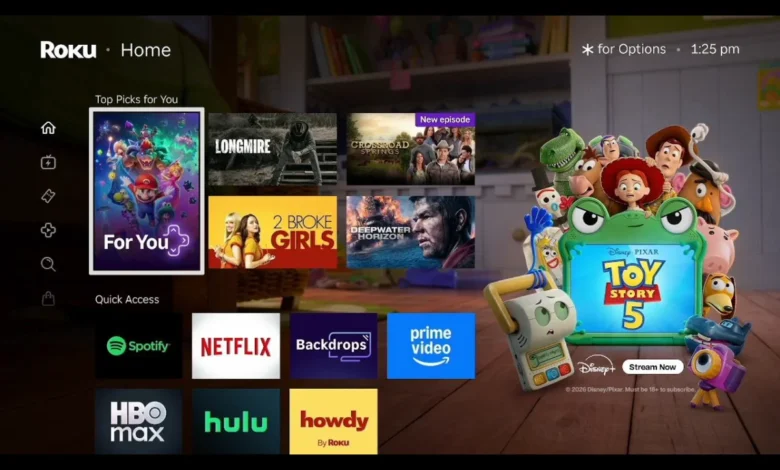
Roku’s financial engines are operating at a historic peak, delivering an extraordinary third-quarter earnings report that highlights robust growth across both its platform and hardware ecosystems. The streaming platform pioneer handily beat Wall Street expectations, posting a 24% year-over-year surge in top-line revenue to reach $1.50 billion. Total gross profit mirrored this upward trajectory, climbing 24% to hit $649 million. Most notably, Roku generated a net income of $183 million—a staggering leap of more than sevenfold compared to the same period in the previous fiscal year.
This financial triumph arrives against the backdrop of a seismic corporate transition. Fox Corp. announced an agreement on June 15 to acquire Roku in a blockbuster $22 billion transaction, with the deal projected to officially close in the first half of calendar year 2027. Owing to the pending merger, Roku has continued its policy from the second-quarter reporting cycle of forgoing a traditional earnings conference call and withholding forward-looking financial guidance. Instead, the company released a comprehensive letter to shareholders detailing its operational achievements, strategic vision, and the transformative potential of the upcoming integration with Fox.
Platform Dominance and Advertising Tailwinds
The core driver of Roku’s exceptional quarter was its Platform segment, which encompasses digital advertising sales, subscription revenue, and platform-level monetization initiatives. Platform segment revenue expanded by 23% year over year to reach $1.3 billion, propelled by balanced, double-digit gains across both advertising and subscription sales.
Advertising performance was significantly bolstered by two major macroeconomic and industry-specific catalysts. According to Roku’s disclosures, political advertising on its platform during the third quarter notably outpaced the comparable quarter from the 2024 U.S. presidential election cycle, underlining the growing shift of campaign spending toward connected television (CTV) ecosystems. Furthermore, the company’s media and entertainment (M&E) advertising category experienced its highest year-over-year revenue growth in four years. Roku noted that legacy media companies and streaming competitors aggressively invested capital on the Roku platform during the quarter to promote their proprietary content, apps, and services, recognizing the platform’s unparalleled reach among modern television audiences.
User Engagement and Device Segment Realities
Beyond monetization, user engagement metrics continued to scale steadily. Total streaming hours consumed across the entire Roku ecosystem reached an impressive 39.9 billion in the third quarter, representing a 9% increase compared to the same period last year. This ongoing accumulation of viewing hours reinforces Roku’s position as a primary gateway for household television consumption.
Conversely, Roku’s hardware division—comprising its branded streaming players, Roku-branded televisions, and smart home accessories—exhibited a divergent economic profile. Revenue in the Devices segment jumped 33% to $194 million. However, Roku continues to deliberately operate its hardware business as a strategic loss-leader to maximize household penetration and expand its active user base. In the third quarter, the operating loss for the segment widened to $48.6 million, translating to a negative 25% gross margin. Company executives attributed this margin compression primarily to elevated memory component costs within the global supply chain, a challenge that hardware manufacturers across the consumer electronics sector have navigated over recent quarters.
The Path to the Fox Corp. Merger: Chronology and Context
The impending acquisition of Roku by Fox Corp. represents one of the most consequential media and technology consolidation deals of the decade. The chronology leading up to this moment reflects the evolving intersection of traditional broadcasting, cable television networks, and digital streaming platforms.
For years, Roku operated as an independent hardware and software intermediary, establishing itself as the leading streaming operating system in the United States. By aggregating thousands of ad-supported and subscription-based streaming services, the company built an indispensable bridge between content creators and consumers. As cord-cutting accelerated and advertising dollars systematically migrated away from linear television, media conglomerates realized the imperative of owning both content production capabilities and direct-to-consumer distribution infrastructure.
When Fox Corp. formally announced the $22 billion acquisition agreement on June 15, industry analysts immediately recognized the strategic rationale. The deal marries Fox’s powerhouse assets in live sports, news, and entertainment broadcasting with Roku’s massive installed user base, advanced ad-tech stack, and proprietary operating system. Regulatory reviews and shareholder assessments have been progressing toward a targeted closing date in the first half of calendar year 2027.
Leadership Vision and Strategic Priorities
In their joint letter to shareholders, Roku founder and CEO Anthony Wood, alongside Chief Financial Officer and Chief Operating Officer Dan Jedda, emphasized that the pending merger with Fox offers an unprecedented pathway for future enterprise growth.
"The pending acquisition by Fox is an extraordinary opportunity to accelerate our vision, allowing us to scale faster and innovate more aggressively for viewers, partners, and advertisers," Wood and Jedda wrote.
The executives further articulated the underlying philosophy driving Roku’s current operational momentum, noting that the company is actively constructing a diversified and durable business model. This strategy hinges on three primary monetization pillars: deepening integrations with third-party advertising platforms, accelerating the growth of Roku-billed subscriptions, and continually enhancing the proprietary user interface known as the Roku Experience.
"With our open platform, we help our content partners attract and retain audiences, and we offer advertisers the ability to reach viewers at scale, all while providing viewers with an outstanding streaming experience," the executives added.
To ensure continuity and strategic alignment, Fox Corp. has structured the acquisition agreement to retain key leadership. Following the formal closure of the transaction, Anthony Wood will maintain an active, ongoing operational role within the combined company and will assume a seat on the Fox board of directors, bridging Roku’s Silicon Valley tech roots with Fox’s legacy media empire.
Broader Industry Impact and Market Implications
The financial results and the impending Fox merger carry profound implications for the broader media, advertising, and technology sectors.
First, Roku’s ability to generate substantial net income—surging to $183 million in a single quarter—demonstrates that the connected television platform business model has achieved structural profitability. For years, skeptics questioned whether hardware subsidies and platform acquisition costs could yield sustainable financial returns. Roku’s latest metrics definitively prove that operating scale, combined with sophisticated targeted advertising tools, can unlock highly lucrative monetization pathways.
Second, the success of Roku’s political and M&E advertising categories highlights a permanent structural shift in marketing budgets. As linear television ratings continue to decline, media buyers are heavily consolidating their ad spend on CTV platforms that offer precision targeting, interactive ad formats, and closed-loop attribution measurement. Roku’s ability to outperform prior political cycle benchmarks indicates that connected TV is now the primary battleground for high-impact political campaigns and entertainment marketing alike.
Finally, the Fox-Roku integration signals a broader trend of vertical integration within the modern media landscape. Standalone streaming operating systems are increasingly becoming strategic acquisition targets for legacy media giants seeking to control the entire consumer journey—from content creation and live broadcasting to the user interface on the home screen. As the 2027 closing date approaches, market observers will closely monitor how this fusion of traditional broadcasting power and advanced streaming technology reshapes the competitive dynamics of the global entertainment industry.
Related posts: