Indigenous Peoples and Local Communities Secure Historic Decision-Making Status at COP17 Biodiversity Summit in Armenia

The 2026 United Nations Biodiversity Conference (COP17), held in Armenia, marked a watershed moment for global environmental governance as Indigenous peoples and local communities (IP&LCs) achieved full operationalization of a dedicated subsidiary body within the Convention on Biological Diversity (CBD). This milestone, which solidifies the role of Indigenous representatives in shaping international conservation policy, represents the culmination of years of advocacy aimed at shifting the power dynamics of the treaty from state-centric deliberations to inclusive, rights-based frameworks.
The Subsidiary Body on Article 8(j) (SB8J), initially conceived during the 2025 biodiversity summit in Colombia, has now been empowered to advise parties, draft binding decision texts, and lead the development of guidelines essential to meeting global conservation targets. By formalizing this structure, the international community has moved closer to integrating traditional knowledge and local stewardship into the mainstream of the Kunming-Montreal Global Biodiversity Framework.
The Evolution of Article 8(j) and the Path to SB8J
Article 8(j) of the CBD is the primary provision through which the convention addresses the traditional knowledge, innovations, and practices of Indigenous and local communities. For decades, it existed largely as a set of aspirational principles. However, the creation of the Subsidiary Body on Article 8(j) represents a transition toward active implementation.
The chronology of this institutional shift highlights the increasing urgency of integrating Indigenous leadership into global policy:
- 1992: The CBD is signed at the Earth Summit in Rio de Janeiro, establishing the initial foundation for protecting traditional knowledge under Article 8(j).
- 2022: The adoption of the Kunming-Montreal Global Biodiversity Framework at COP15 sets ambitious "30 by 30" targets—protecting 30% of land and sea by 2030—which experts argue cannot be achieved without the full participation of Indigenous stewards.
- 2025: The COP16 summit in Colombia serves as the birthplace of the SB8J, establishing a dedicated body for IP&LCs to influence the convention’s agenda.
- 2026: COP17 in Armenia finalizes the "modus operandi" of the SB8J, defining its budget, governance, and functional mandate.
Navigating the Politics of Representation
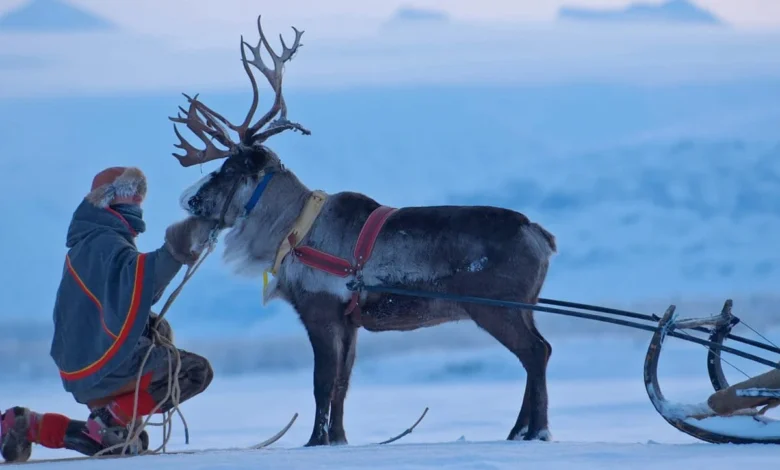
Despite the celebratory tone of the closing plenary, the path to the formalization of SB8J was fraught with geopolitical tension. Throughout the two-week conference in Armenia, negotiators clashed over the mechanics of representation. The core of the disagreement lay in whether the body should reflect the traditional United Nations regional groupings—based on sovereign state blocs—or the seven sociocultural regions that more accurately represent the global diversity of Indigenous peoples, such as the Sámi, the Inuit, and various Pacific Island nations.
The inclusion of the seven sociocultural regions would have provided a more nuanced representation of global Indigenous identities, many of which transcend national borders. However, several member states raised concerns about sovereignty and administrative consistency. The final compromise, which restricted representation to organizations operating within the countries of the IP&LCs, was met with mixed reactions.
While Jennifer Corpuz, a negotiator for the International Indigenous Forum on Biodiversity (IIFB), expressed regret over the exclusion of the explicit recognition of the seven sociocultural regions, she noted that the operational structure allows enough flexibility for these groups to maintain their own governance systems. "Our willingness to compromise should not be mistaken for an absence of principles," noted a spokesperson for Canada during the closing session. Canada, which has been a vocal proponent of stronger Indigenous rights within the CBD, expressed public disappointment regarding the restrictive language that tied representation to state-based country definitions.
Supporting Data and the "30 by 30" Mandate
The urgency behind this institutional change is underscored by the current state of global biodiversity. According to reports from the Intergovernmental Science-Policy Platform on Biodiversity and Ecosystem Services (IPBES), areas managed or owned by Indigenous peoples cover at least 25% of the world’s land surface but harbor 80% of the remaining terrestrial biodiversity.

The SB8J’s immediate focus is the implementation of the "30 by 30" nature restoration goals. By ensuring that IP&LCs are not merely stakeholders but active participants in the design and execution of these conservation projects, the CBD aims to prevent "green grabbing"—the phenomenon where conservation efforts lead to the displacement of local populations. The subsidiary body is tasked with developing robust guidelines to ensure that these conservation efforts are equitable, transparent, and aligned with the principles of Free, Prior, and Informed Consent (FPIC).
Furthermore, the body is charged with the daunting task of managing 12 distinct work streams assigned to it under the Article 8(j) program, which includes the development of mechanisms for equitable benefit-sharing of genetic resources and the protection of intellectual property rights related to traditional knowledge.
Implications for Global Environmental Policy
The formalization of the SB8J serves as a litmus test for the effectiveness of the CBD in the coming decade. By institutionalizing the role of Indigenous peoples, the treaty acknowledges that traditional ecological knowledge is not an historical artifact, but a vital component of future climate resilience and biodiversity restoration.
However, the implications go beyond conservation. This development sets a precedent for other international bodies, such as the UN Framework Convention on Climate Change (UNFCCC), to elevate the status of Indigenous representation. The move toward "rights-based implementation" signifies a shift in international law toward recognizing the political agency of groups that have historically been sidelined by state-centric diplomatic protocols.
A significant challenge remains: funding. The operationalization of the body requires a sustainable budget for meetings, travel, and the technical infrastructure necessary for IP&LCs to participate effectively. The upcoming intersessional meeting, scheduled for November 18-20, 2026, in Nepal, will be the first test of whether the momentum generated in Armenia can translate into tangible financial and administrative support.
Looking Ahead: The Road to Nepal
As the delegates departed Armenia, the mood was one of cautious optimism. The formalization of the SB8J is a major institutional victory, but the true measure of success will be the extent to which this body can influence national-level policies. The 2026 meeting in Nepal is expected to address the practicalities of the body’s governance structure, including the appointment of "friends of the Bureau"—representatives who will assist in the daily management of the body’s affairs.
For many Indigenous leaders, the battle for recognition is far from over. While the compromise on regional representation was a bitter pill for some, the ability of the IIFB to maintain its influence throughout the negotiations suggests a maturing of Indigenous diplomacy. The ability to navigate complex bureaucratic hurdles while maintaining a unified front has positioned IP&LCs as a formidable force in the international arena.
Ultimately, the decisions made in Armenia signal a fundamental recalibration of the CBD. By embedding Indigenous perspectives into the core of the treaty, the global community has acknowledged that the path to a sustainable future is inextricably linked to the empowerment of those who have been the planet’s most effective stewards for millennia. The focus now shifts from the procedural victory of creating the SB8J to the practical challenge of ensuring that its mandate is felt on the ground, in the forests, wetlands, and mountains where these conservation goals must be realized.
Related posts: