New York Sets National Precedent as First State to Mandate All-Electric Construction for New Buildings

New York has officially cemented its position as a leader in the American energy transition by becoming the first state in the nation to finalize a comprehensive ban on fossil fuel hookups in most new construction projects. This landmark shift, codified through the All-Electric Buildings Act, represents a significant step toward the state’s ambitious climate goals and sets a regulatory blueprint that other jurisdictions are expected to follow. The mandate was finalized following the State Fire Prevention and Building Code Council’s formal approval in late July 2025, marking the end of a multi-year legislative and regulatory journey to decarbonize the built environment.
The new regulations require that most new buildings be constructed entirely electric, eliminating the installation of infrastructure for natural gas, propane, or oil. This includes heating systems, water heaters, and cooking appliances. By mandating a shift to high-efficiency electric heat pumps and induction stovetops, New York aims to drastically reduce the carbon footprint of its residential and commercial sectors, which currently account for 31% of the state’s total greenhouse gas emissions.
Implementation Timeline and Building Classifications
The transition to all-electric construction will occur in two primary phases, categorized by building size and use. This staggered approach is designed to allow the construction industry and the electrical grid time to adapt to new technical requirements and increased demand.
According to the finalized mandate, the first phase takes effect on December 31, 2025. Starting on this date, all new residential buildings up to seven stories tall must be all-electric. This category encompasses the vast majority of new single-family homes and mid-rise apartment complexes. Additionally, commercial or industrial buildings smaller than 100,000 square feet that receive building permit approvals on or after this deadline must also comply with the zero-emission standards.
The second phase of the rollout is scheduled for 2029. This later deadline applies to larger structures, including commercial and industrial buildings exceeding 100,000 square feet and residential buildings taller than seven stories. The extended timeline for these larger projects acknowledges the greater engineering complexities involved in electrifying high-rise heating and cooling systems, as well as the intensive energy needs of large-scale industrial operations.
Environmental Necessity and State Climate Goals
The All-Electric Buildings Act is a critical component of New York’s broader strategy to meet the mandates of the 2019 Climate Leadership and Community Protection Act (CLCPA). The CLCPA requires the state to reduce greenhouse gas emissions by 40% by 2030 and no less than 85% by 2050, compared to 1990 levels. Given that the built environment is the largest source of emissions in the state—surpassing even the transportation sector—decarbonizing new construction was viewed by policymakers as "low-hanging fruit" in the broader fight against climate change.
Burning fossil fuels in buildings for heat and cooking releases carbon dioxide, methane, and other pollutants directly into the atmosphere. By transitioning to an electric-only model, New York ensures that as the state’s electrical grid becomes greener through the addition of wind, solar, and hydro power, the emissions from the building sector will naturally decline toward zero.
Legal Challenges and Judicial Precedents
The path to finalizing these rules was fraught with legal hurdles. Industry groups representing fossil fuel interests and building contractors filed several lawsuits to block the implementation of the All-Electric Buildings Act. These challenges were largely modeled after a successful legal battle in Berkeley, California, where a federal court overturned a local gas ban, citing the federal Energy Policy and Conservation Act (EPCA). The industry argued that federal law preempts state and local regulations regarding the energy use of appliances.
However, in July 2025, the U.S. District Court for the Northern District of New York delivered a decisive victory for the state. The court ruled that New York’s mandate was a valid exercise of state authority over building codes rather than a direct regulation of appliance energy efficiency standards. This distinction allowed the law to survive the same legal scrutiny that had dismantled the Berkeley ordinance.
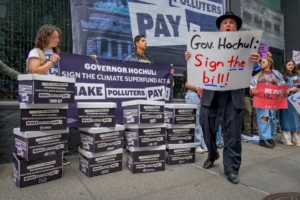
The ruling was hailed by environmental advocates as a turning point. Dawn Wells-Clyburn, executive director of PUSH Buffalo, emphasized the social implications of the court’s decision. "The fossil fuel industry was sent a powerful message by the court in this case—the health, well-being, affordability, and prosperity of our communities matters more than the industry’s profits and the hollowness of its fear-mongering," Wells-Clyburn stated. She described the act as a "victory in the fight for our lives," particularly for communities disproportionately affected by pollution and energy insecurity.

Despite this victory, the act could still face further scrutiny. Industry groups have reportedly petitioned the U.S. Department of Justice to intervene, seeking to block the law before the December 2025 deadline.
Economic Impact and Consumer Savings
While critics of the mandate have expressed concerns regarding the upfront costs of electric construction and the potential for higher utility bills, data from the New Buildings Institute and other energy analysts suggest a different long-term economic outlook.
Research indicates that building all-electric can actually reduce initial construction costs in many scenarios. By eliminating the need for gas piping, meters, and venting systems, developers can save between $7,500 and $8,200 when constructing a single-family home. These savings can be passed on to homebuyers or used to offset the slightly higher costs of advanced heat pump technology.
From a consumer perspective, the transition is expected to yield significant long-term savings. The All-Electric Buildings Act is projected to reduce energy usage in New York homes by approximately 17%. Over a 30-year period, the average household could save nearly $5,000 in utility costs. Furthermore, all-electric homes protect residents from the volatility of global fossil fuel prices, providing more predictable monthly expenses.
Public Health and Indoor Air Quality
Beyond the environmental and economic benefits, the shift to all-electric buildings is being framed as a major public health initiative. A growing body of scientific evidence has linked gas stoves to poor indoor air quality and adverse respiratory health outcomes. Gas appliances emit nitrogen dioxide (NO2), carbon monoxide, and fine particulate matter, which can reach levels indoors that would be illegal if found outdoors.
Studies have specifically linked gas stove usage to an increased risk of pediatric asthma. By mandating induction cooking and electric heating, New York is effectively removing a primary source of indoor air pollution, particularly in high-density urban areas where ventilation may be inadequate.
Strategic Exemptions and Practical Considerations
Recognizing that certain sectors have unique energy requirements that cannot yet be met by current electric technology, the New York State Assembly included several key exemptions in the final rule. These exceptions apply to:
- Medical Facilities: Hospitals and emergency centers that require redundant energy systems for life-saving equipment.
- Laboratories: Facilities that utilize specialized gas-fired equipment for scientific research.
- Commercial Kitchens/Restaurants: Establishments that rely on high-heat gas cooking, though this exemption is subject to specific criteria.
- Agricultural Buildings: Structures used for farming operations that may be located in remote areas with limited electrical infrastructure.
- Crematoriums and Laundromats: Specific industrial-use facilities where electric alternatives may not yet be commercially viable at scale.
These exemptions ensure that the transition does not compromise essential services or specialized industries while still capturing the vast majority of new square footage being added to the state’s building stock.
Broader Implications and the Path Forward
The finalization of New York’s all-electric mandate is expected to have a "domino effect" across the United States. As the first state to successfully navigate the legal and regulatory hurdles of a statewide ban, New York provides a template for other climate-forward states like Washington, Massachusetts, and Maryland, which are considering similar measures.
However, advocates emphasize that the All-Electric Buildings Act is only the beginning. While it addresses new construction, the vast majority of New York’s emissions come from existing buildings. Alex Beauchamp, Northeast region director at Food & Water Watch, noted that the success of this bill serves as a catalyst for future efforts. "When New Yorkers come together… we can win even in the face of opponents with an almost-limitless budget," Beauchamp said. "That is how we won this bill. It’s also how we are going to continue the fight to get fossil fuels out of all the existing buildings in the state."
As December 31, 2025, approaches, the focus will shift to implementation, grid readiness, and workforce training. The state must ensure that its electrical infrastructure can handle the increased load, particularly during winter peaks, and that there are enough trained technicians to install and maintain the millions of heat pumps that will soon define the New York skyline. Through this mandate, New York is not just changing how buildings are powered; it is fundamentally redefining the relationship between urban development and the natural environment.
Related posts: