Star Trek: The Original Voyages A Visual History Set for November 2026 Release Celebrates Franchise Diamond Anniversary

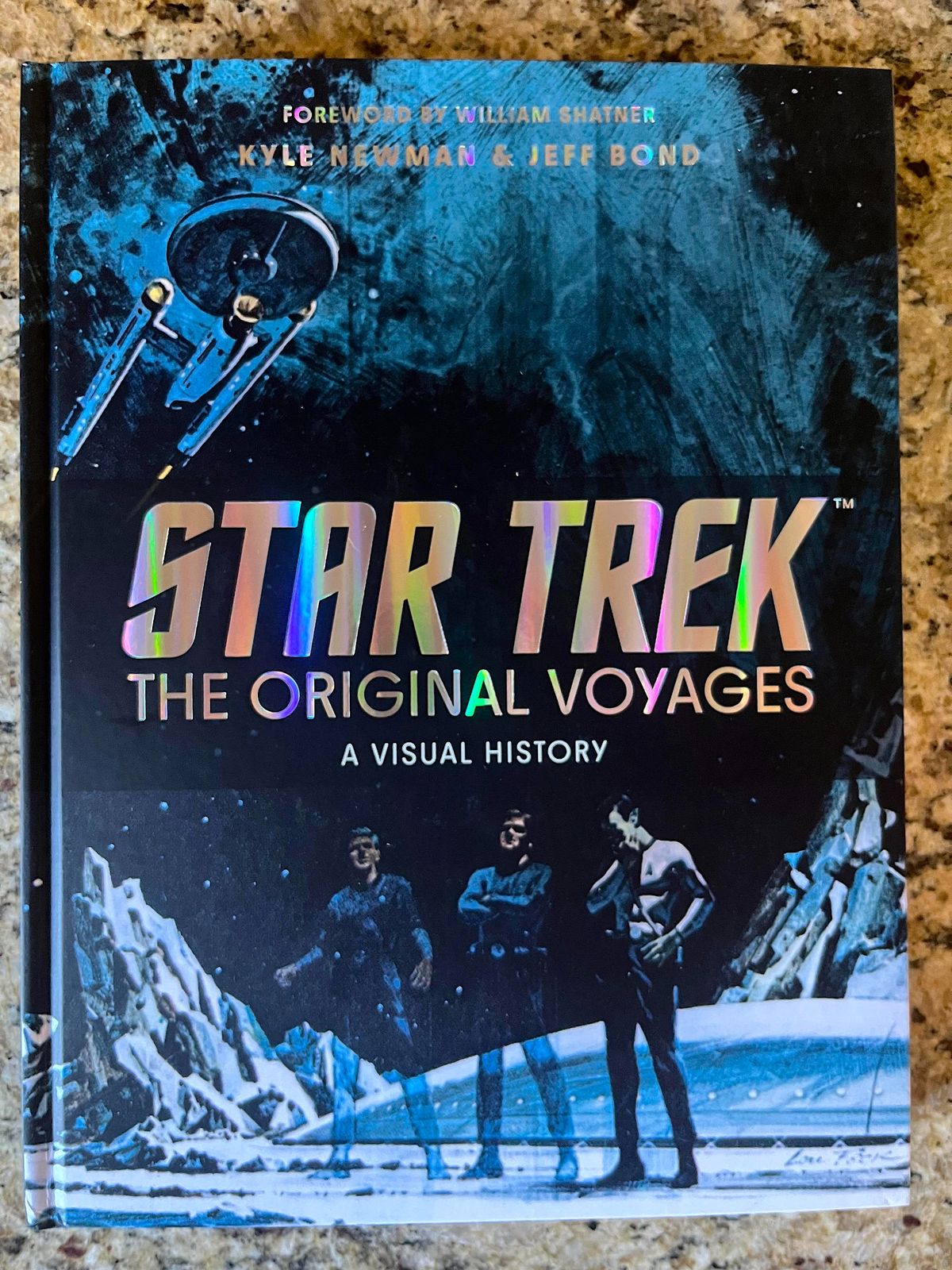
As the global science fiction community continues to mark the diamond anniversary of one of television’s most influential properties, publishers Penguin Random House and Ten Speed Press have announced the upcoming publication of Star Trek: The Original Voyages: A Visual History. Written by acclaimed pop-culture historians and authors Kyle Newman and Jeff Bond, this comprehensive 416-page hardback book is scheduled to arrive on bookshelves on November 10, 2026. The release follows a vibrant autumn of worldwide festivities celebrating the exact 60th anniversary of the franchise’s broadcast debut on NBC on September 8, 1966. Designed as the inaugural entry in a definitive two-volume historical retrospective, the book aims to offer an unprecedented, deep-dive exploration into the foundational era of the Star Trek universe, capturing the cultural, technical, and artistic milestones that defined an era of television and space exploration history.
The Genesis and Evolution of a Phenomenon
When the original Star Trek television series premiered in the fall of 1966, television executives and viewers alike had little indication that the modest space-western would permanently alter the cultural landscape. Conceived by writer and producer Gene Roddenberry—frequently revered by fans as "The Great Bird of the Galaxy"—the series initially struggled with Nielsen ratings, ultimately lasting just three broadcast seasons and producing 79 episodes before its cancellation by NBC in 1969. Despite its premature conclusion on traditional television, the series found a second life in syndication during the 1970s, where it cultivated a fiercely dedicated, highly organized fan base known as "Trekkies" or "Trekkers."
This grassroots phenomenon eventually forced Hollywood to reconsider the commercial viability of the property. The ensuing decades saw the franchise expand exponentially, transitioning from the small screen into a Saturday morning animated series in 1973, followed by a monumental leap to major motion pictures beginning with Star Trek: The Motion Picture in 1979. The upcoming visual history explicitly chronicles this formative quarter-century, tracing the trajectory from Roddenberry’s initial production memos and pitch documents through the cancellation of the original series, the syndication boom, the animated adventures, and the first six feature films starring the classic cast, culminating in the early 1990s.
Inside the Collector’s Edition: Archival Treasures and Rare Ephemera
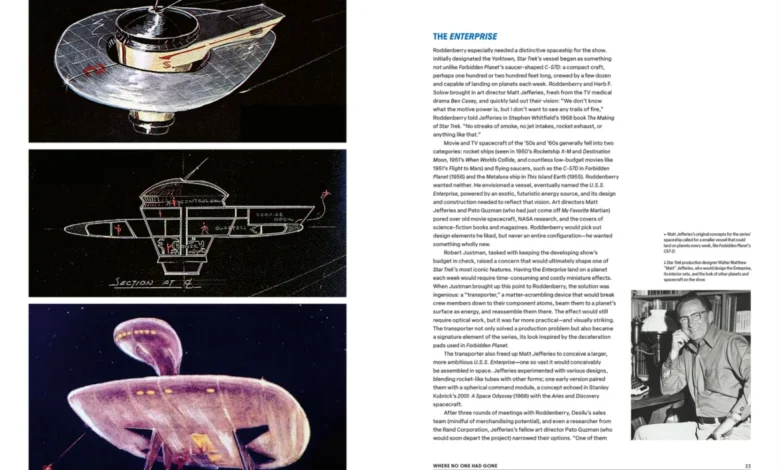
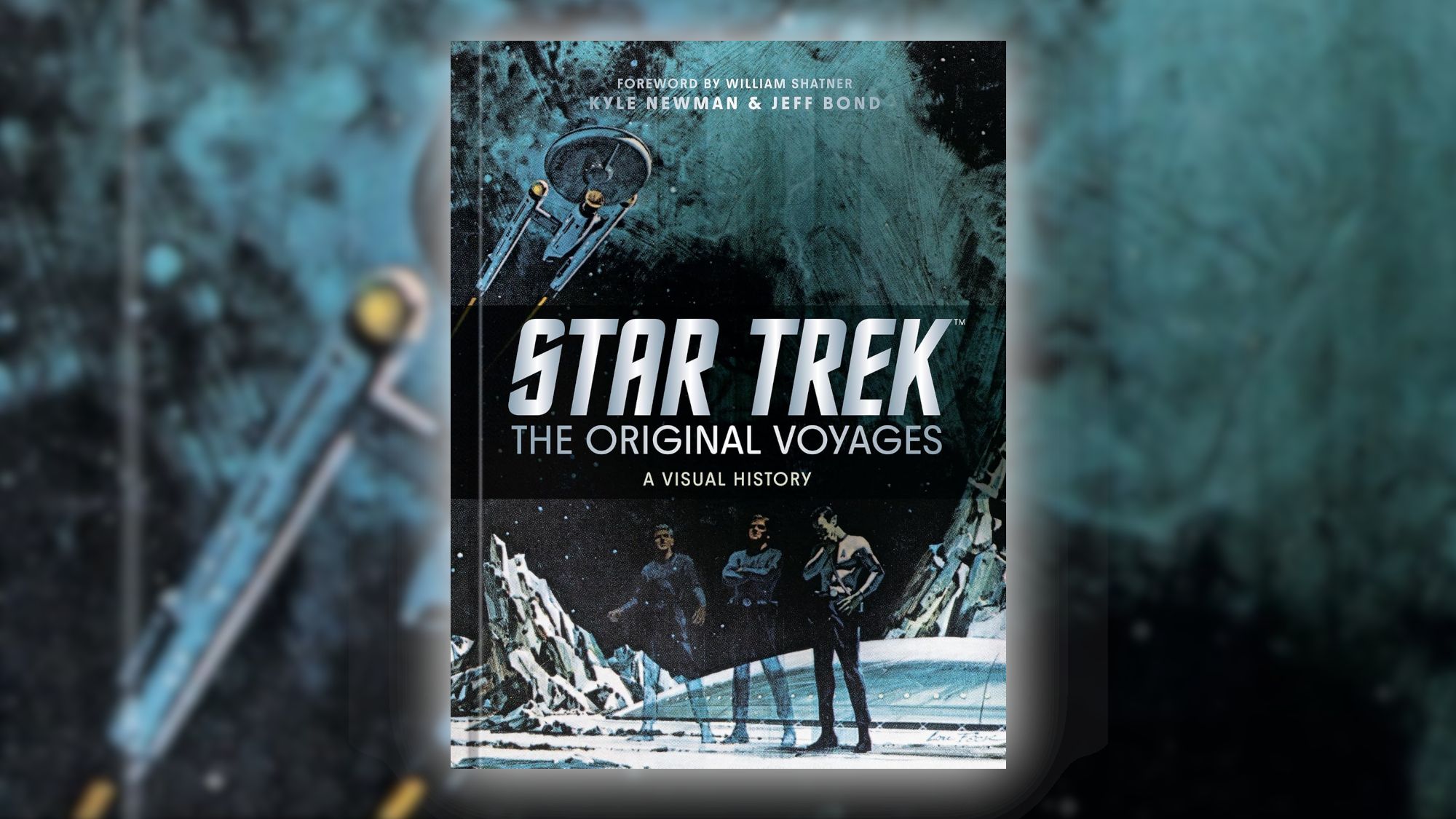
Star Trek: The Original Voyages: A Visual History distinguishes itself from previous retrospectives by utilizing deep archival access to present rare and previously unseen materials. According to advanced promotional details provided by the publishers, the heavy hardback volume serves as a multimedia museum exhibit bound between covers. Readers will find an extensive collection of behind-the-scenes photographs, original production costumery, detailed blueprints, hand-painted storyboards, filming models, and transcripts of conversations between the show’s creators, production staff, and iconic cast members.
The publication shines a spotlight on the legendary ensemble cast that brought the U.S.S. Enterprise to life: William Shatner as Captain James T. Kirk, Leonard Nimoy as the logical Vulcan science officer Spock, DeForest Kelley as Dr. Leonard "Bones" McCoy, James Doohan as chief engineer Montgomery "Scotty" Scott, Nichelle Nichols as communications officer Nyota Uhura, George Takei as helmsman Hikaru Sulu, and Walter Koenig as navigator Pavel Chekov.
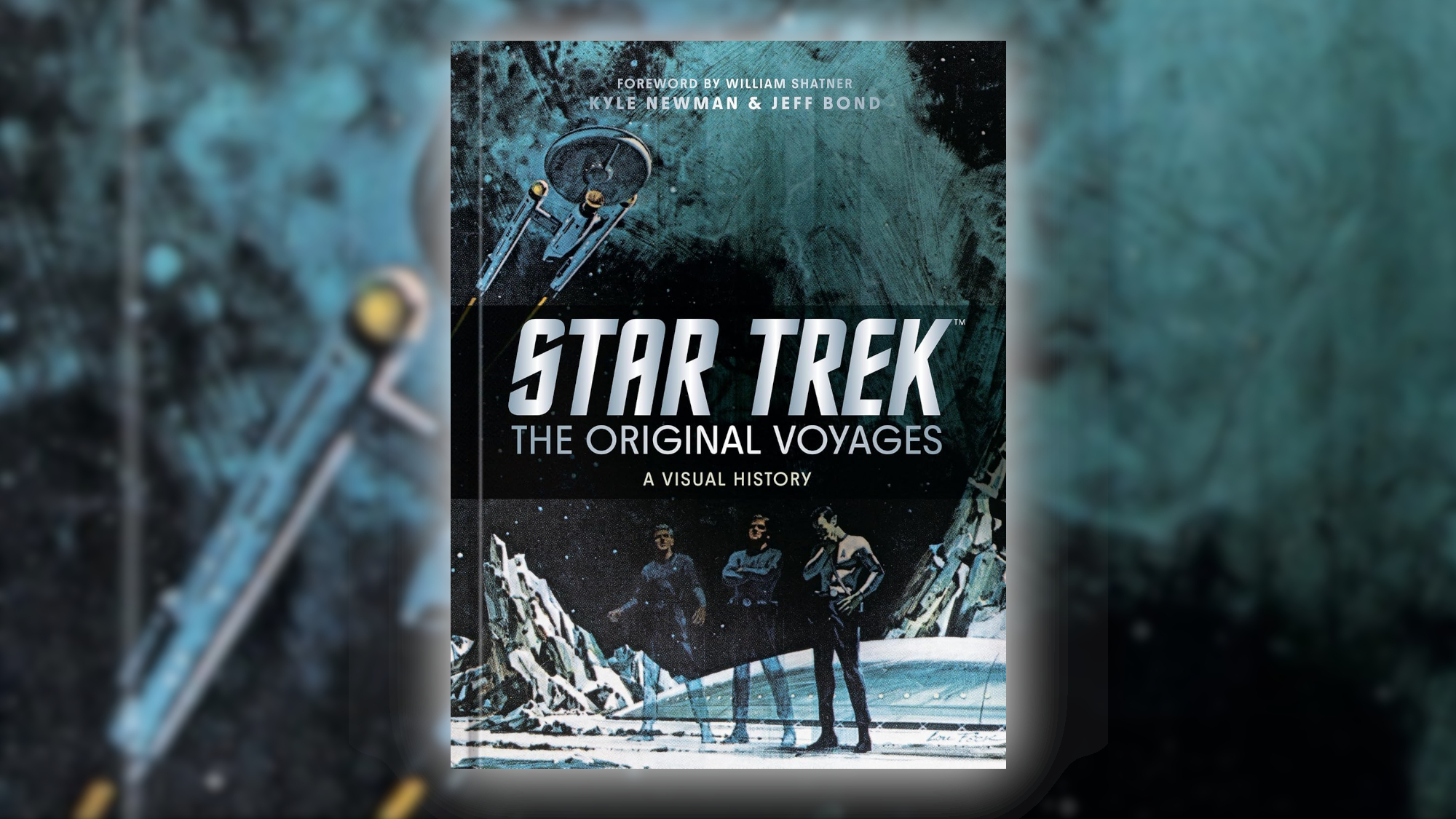
Beyond production stills and principal photography, co-authors Newman and Bond have curated a vast array of commercial merchandise and promotional artifacts that trace how Star Trek permeated everyday life during the late 20th century. The volume covers licensed toys, board games, vintage comic book adaptations, convention memorabilia, promotional roadshow materials, collectible trading cards, and striking vintage magazine covers that illustrated the science fiction boom of the era. The book is encased in a premium binding featuring reflective lettering on a dramatic, collector-grade cover designed to appeal to both lifelong enthusiasts and design-conscious bibliophiles.
Chronological Milestones of the Original Era
To understand the scope of Star Trek: The Original Voyages, industry analysts often point to the distinct chronological phases of the franchise’s formative years that the book addresses:
- September 8, 1966: The original series premieres on NBC with the broadcast of "The Man Trap" (though "The Cage" served as the original, rejected pilot).
- June 3, 1969: NBC broadcasts the final episode of the third season, "Turnabout Intruder," bringing the initial television run to a close at 79 episodes.
- September 1973 – October 1974: Filmation produces Star Trek: The Animated Series, reuniting most of the original cast for two seasons and securing a Daytime Emmy Award.
- December 7, 1979: Paramount Pictures releases Star Trek: The Motion Picture in theaters, proving the commercial viability of the brand on the big screen.
- 1982 – 1991: The cinematic narrative continues through a succession of acclaimed sequels, concluding with Star Trek VI: The Undiscovered Country, which served as a grand cinematic farewell for the original crew.
Cultural Implications and the 60th Anniversary Context
The publication of Star Trek: The Original Voyages arrives at a pivotal moment for entertainment historians and media conglomerates alike. The diamond anniversary celebrations throughout September 2026 have demonstrated the remarkable longevity of Roddenberry’s vision. Beyond publishing initiatives, the milestone has been marked by theatrical retrospectives, high-profile documentary releases featuring original cast members like William Shatner, massive fan conventions featuring record-breaking gatherings, and public tributes including specialized parade floats and historical artifact tours, such as the cross-country voyage of the restored Galileo shuttlecraft.
Media analysts note that coffee table books of this caliber serve a dual purpose in the modern publishing ecosystem: they act as archival preservation tools for entertainment history while functioning as high-end collector items for an aging demographic of original fans alongside a newly minted generation of science fiction enthusiasts. By methodically cataloging the craftsmanship of set designers, prop makers, writers, and actors who worked under the constraints of 1960s television budgets, books like Star Trek: The Original Voyages provide valuable academic and cultural insight into the evolution of special effects and science fiction storytelling.
As pre-orders open globally ahead of its November 10 release date, Star Trek: The Original Voyages: A Visual History stands poised to become a definitive reference text for the era that launched a multi-billion-dollar cultural empire, proving that even six decades later, humanity’s fascination with the final frontier remains as strong as ever.