Why Metroid Prime 4: Beyond Missteps Mean Nintendo Should Look to Capcom for a Trilogy Remake

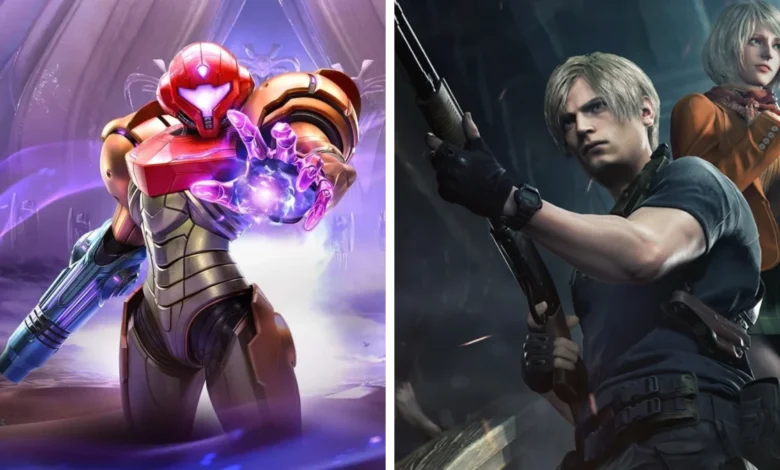
The release of Metroid Prime 4: Beyond for the Nintendo Switch family of consoles proved to be a divisive milestone for a franchise that has historically enjoyed near-universal critical acclaim. Following a tumultuous development cycle spanning half a decade at Retro Studios—the original developer behind the pioneering GameCube trilogy—the long-awaited title failed to capture the high standards set by its predecessors. Instead of an triumphant return for bounty hunter Samus Aran, players encountered controversial narrative choices, cumbersome traversal mechanics including a polarizing motorcycle, and a narrative resolution that left much of the core fanbase dissatisfied.
This lukewarm commercial and critical reception has ignited urgent discussions within the gaming community regarding the future direction of the Metroid intellectual property. With the Nintendo Switch 2 entering the market and recent high-profile remakes such as The Legend of Zelda: Ocarina of Time demonstrating the immense value of revitalizing legacy catalogues, industry analysts and fans alike are calling for a strategic shift. By examining the successful turnaround strategies employed by competitors like Capcom with their Resident Evil franchise, Nintendo has a clear blueprint to restore the prestige of the Metroid Prime universe through a comprehensive, modern trilogy remake.
The Historical Legacy of Metroid Prime and the 18-Year Gap
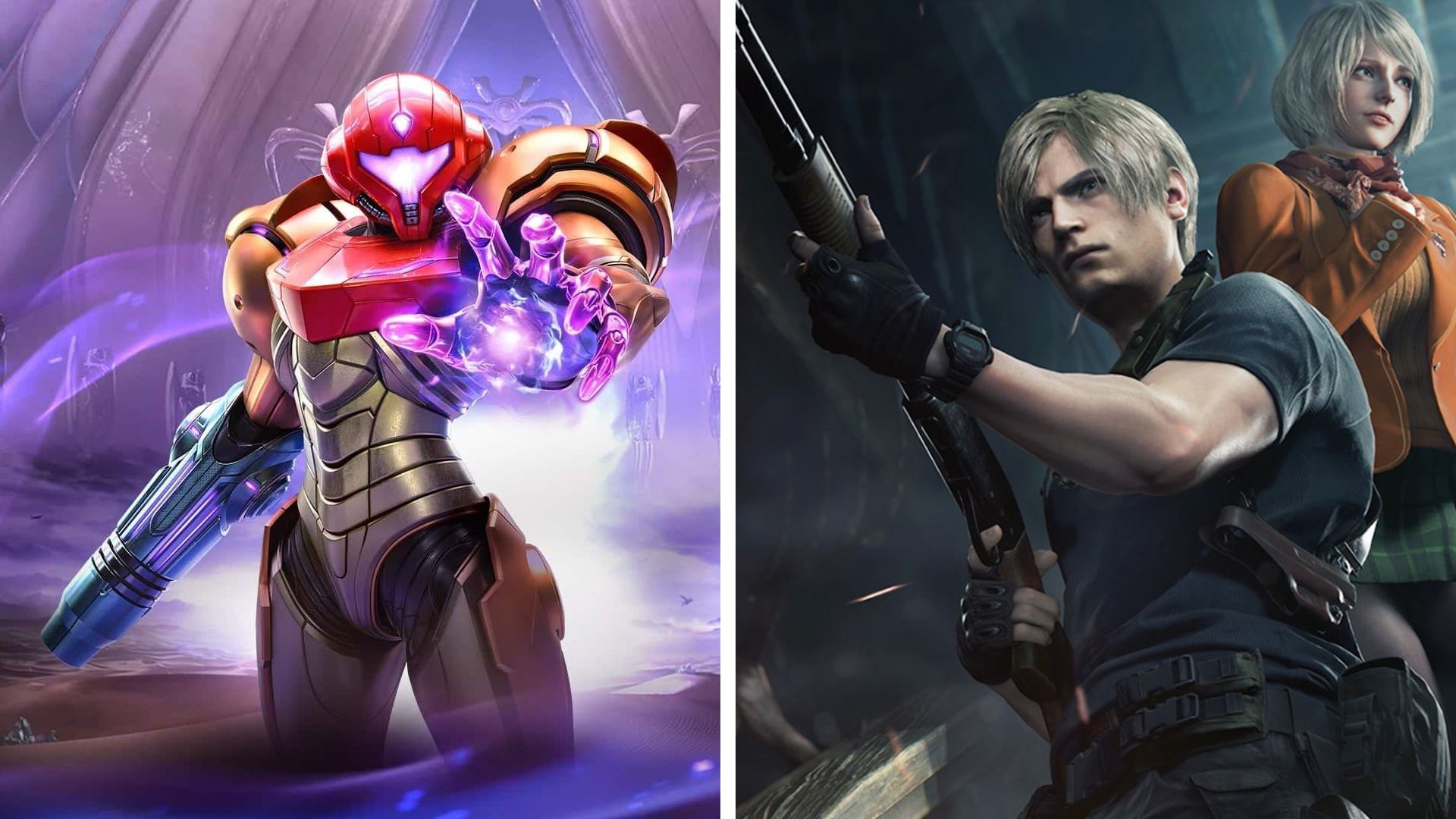
To understand the weight of the current disappointment surrounding Metroid Prime 4: Beyond, one must examine the monumental legacy established at the turn of the millennium. When Nintendo and Retro Studios transitioned the side-scrolling Metroid franchise into a first-person 3D adventure with 2002’s Metroid Prime on the Nintendo GameCube, it was widely considered a masterclass in game design. At a time when many beloved 2D franchises stumbled during the industry-wide migration to three dimensions, Metroid Prime delivered an atmospheric masterclass focused on isolation, environmental storytelling, and intricate exploration.
The subsequent sequels, Metroid Prime 2: Echoes (2004) and Metroid Prime 3: Corruption (2007), further refined this formula, introducing sophisticated mechanics, expanded weaponry, and innovative control schemes. However, the momentum of the sub-series ground to an extended halt. An eighteen-year gap separated the launch of Metroid Prime 3 and the eventual release of Metroid Prime 4. During this prolonged hiatus, the industry evolved dramatically, raising consumer expectations to unprecedented levels. When Metroid Prime 4: Beyond finally materialized, the industry had moved forward, yet the game’s structural design frequently felt tethered to early-2000s sensibilities, exacerbating fan frustration and highlighting a glaring omission: the complete absence of the original trilogy on current-generation Nintendo hardware, save for the critically praised but isolated 2023 release of Metroid Prime Remastered.
Learning from Capcom: The Resident Evil Turnaround Model
In search of a viable path forward for Samus Aran, industry observers frequently point to Capcom’s masterclass in franchise resuscitation. Following the commercial and critical misfire of Resident Evil 6 in 2012—a title that bloated the survival horror series with excessive action and convoluted narratives—Capcom faced a severe existential crisis regarding its flagship horror property. The publisher responded not by abandoning the franchise, but by executing a calculated dual strategy: developing the innovative, first-person Resident Evil 7: Biohazard and simultaneously committing to high-end, ground-up remakes of beloved classics, beginning with Resident Evil 2 in 2019.
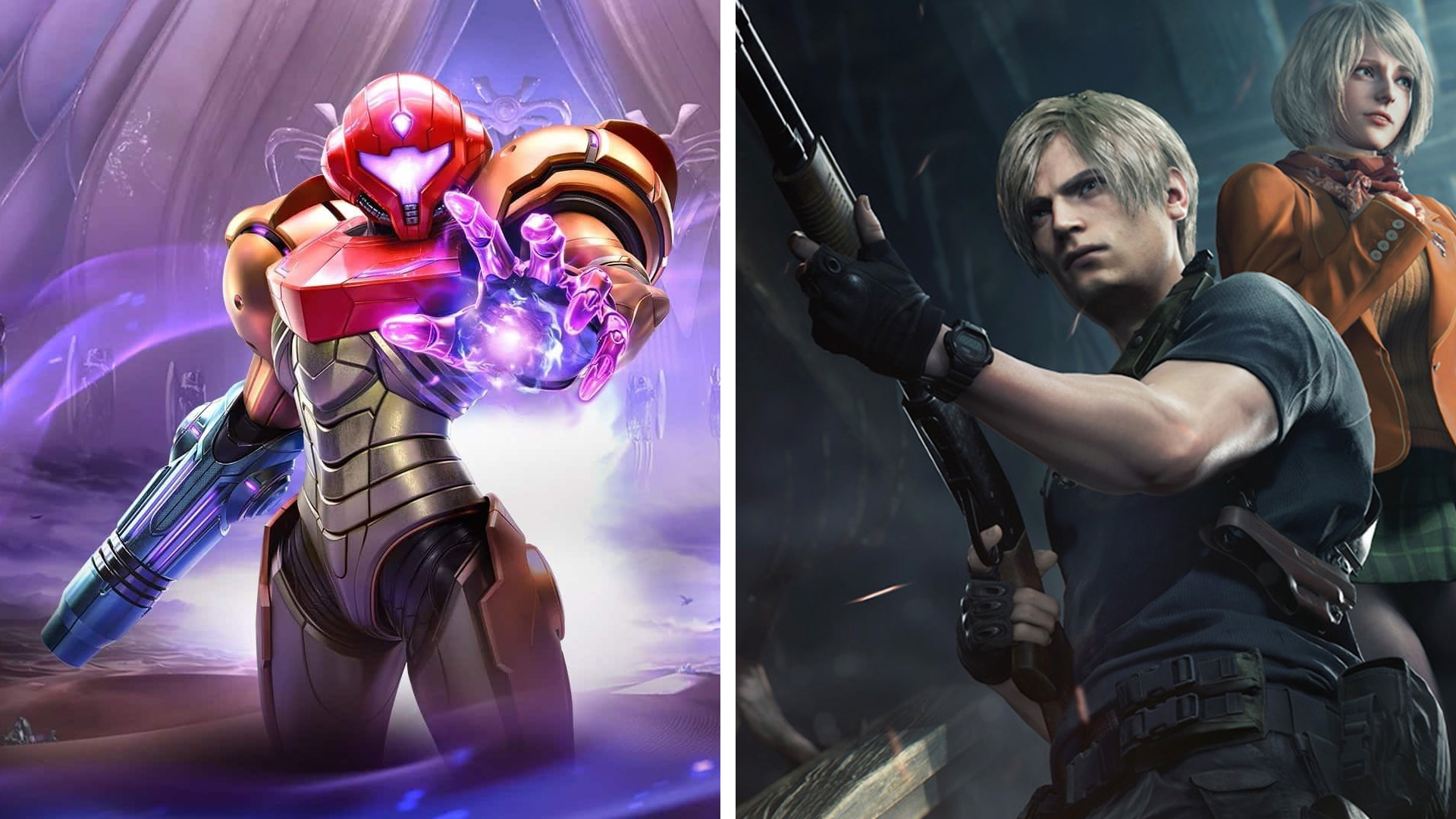
Capcom’s approach demonstrated that players do not necessarily demand entirely new intellectual properties to remain engaged; rather, they crave authentic adherence to foundational gameplay pillars, enhanced by cutting-edge audiovisual presentation and modern quality-of-life adjustments. The remakes of Resident Evil 2 and Resident Evil 4 successfully recaptured the palpable tension, atmospheric dread, and meticulous level design of the originals while discarding outdated control schemes and technical limitations. Applying this exact philosophy to the Metroid Prime trilogy—utilizing the technical foundation and engine developed for Metroid Prime 4—presents Nintendo with a golden opportunity to reintroduce Tallon IV, Aether, and the wider galaxy to modern audiences without the baggage of archaic design constraints.
Reimagining the Trilogy Through Modern Engine Integration
Leveraging the technological capabilities of Nintendo’s latest hardware ecosystem, a hypothetical Metroid Prime Trilogy Remake could transcend simple graphical texture packs. By rebuilding the original three games within the advanced engine framework of the fourth installment, developers could introduce dynamic lighting, immersive spatial audio design, and advanced haptic feedback via modern controller technology, deeply heightening the sense of isolation inside Samus Aran’s Power Suit.
Furthermore, creative direction could take inspiration from Capcom’s willingness to subvert player expectations. Rather than maintaining a rigid, beat-for-beat recreation, narrative bridges could be established between titles. For instance, a reimagined trilogy could seamlessly open with the epilogue of Metroid Zero Mission—detailing Samus’s escape from Zebes and her immediate deployment to the Orpheon orbital frigate—thereby creating a cohesive chronological narrative arc that unites the 2D adventures with the 3D Prime chronology. Familiar environments, such as the sprawling corridors of the crashed Frigate Orpheon or the subterranean depths of Phendrana Drifts, would retain their spatial familiarity while offering entirely new visual and interactive fidelity.

The Case for Multiplayer Integration and Expanded Features
Another glaring omission noted by the community in Metroid Prime 4: Beyond was the complete absence of a dedicated multiplayer component, a feature that had previously fostered a dedicated community following its inclusion in Metroid Prime 2: Echoes. Featuring competitive Deathmatch modes and the resource-driven Bounty Mode across distinct arenas, the original multiplayer suite offered unexpected longevity to the GameCube era.
A modern, consolidated Metroid Prime Trilogy package could rectify this omission by introducing robust online multiplayer functionality. Leveraging contemporary online infrastructure and voice-chat capabilities, Nintendo could implement modernized Deathmatch variants alongside cooperative campaign modes and specialized horde survival maps inspired by iconic locations from across the series. Such additions would significantly extend the title’s commercial lifespan and provide the competitive engagement modern console owners expect from AAA releases.
The Broader Implications for Nintendo’s IP Portfolio

The current standing of the Metroid franchise underscores a broader operational challenge facing major platform holders in the mid-2020s. As development costs soar and industry consolidation forces publishers to concentrate resources strictly on guaranteed blockbusters, mid-tier and prestige franchises risk falling into prolonged development limbo or fading into obscurity entirely. Nintendo has historically managed its intellectual properties with immense care, yet the missteps of recent entries demonstrate that brand legacy alone is insufficient to sustain long-term consumer confidence.
While critically acclaimed 2D installments such as Metroid Dread successfully proved that side-scrolling exploration remains commercially viable, the three-dimensional Prime sub-series occupies a distinct and vital niche within Nintendo’s portfolio. If Nintendo chooses not to invest in comprehensive narrative and structural refreshes of the early trilogy, the franchise risks alienating the very demographic that sustained its popularity through two decades of hardware shifts.
Ultimately, the future of Samus Aran depends on Nintendo’s willingness to re-evaluate its historical catalog through a lens of modernization rather than mere preservation. Without decisive action to recalibrate the series’ trajectory, Metroid Prime may permanently transition from a genre-defining pioneer to a cautionary tale of squandered potential, leaving the iconic bounty hunter stranded indefinitely in the barren ideological wastes of a mismanaged sequel.